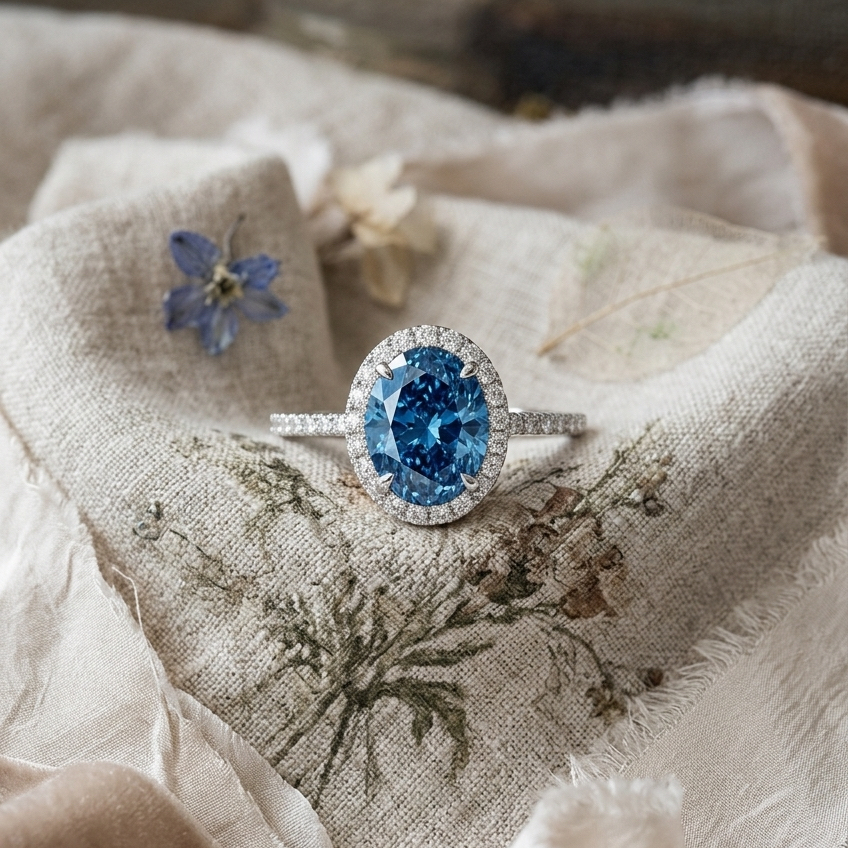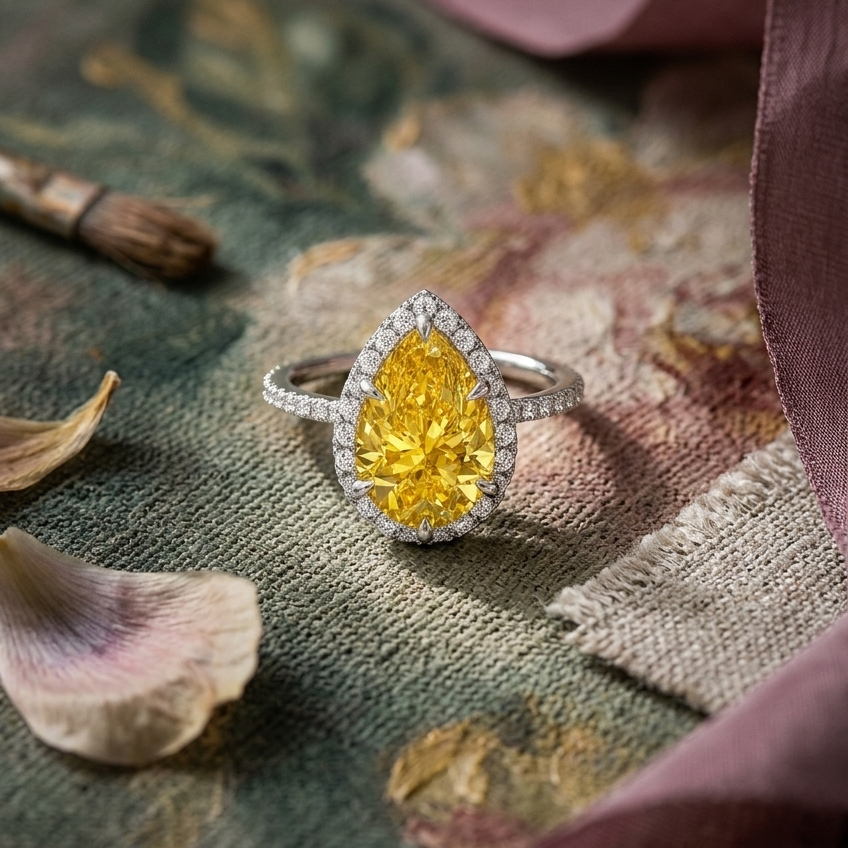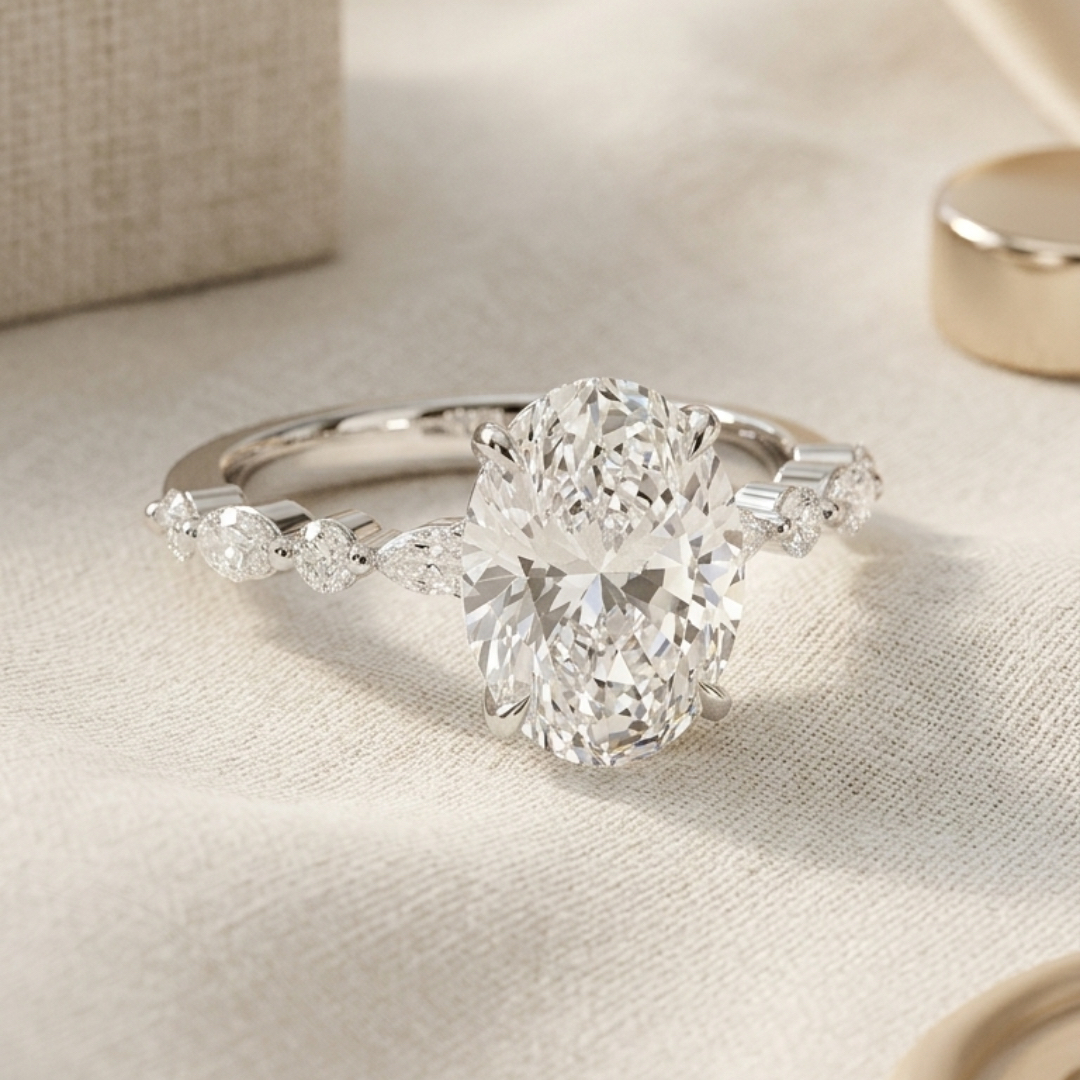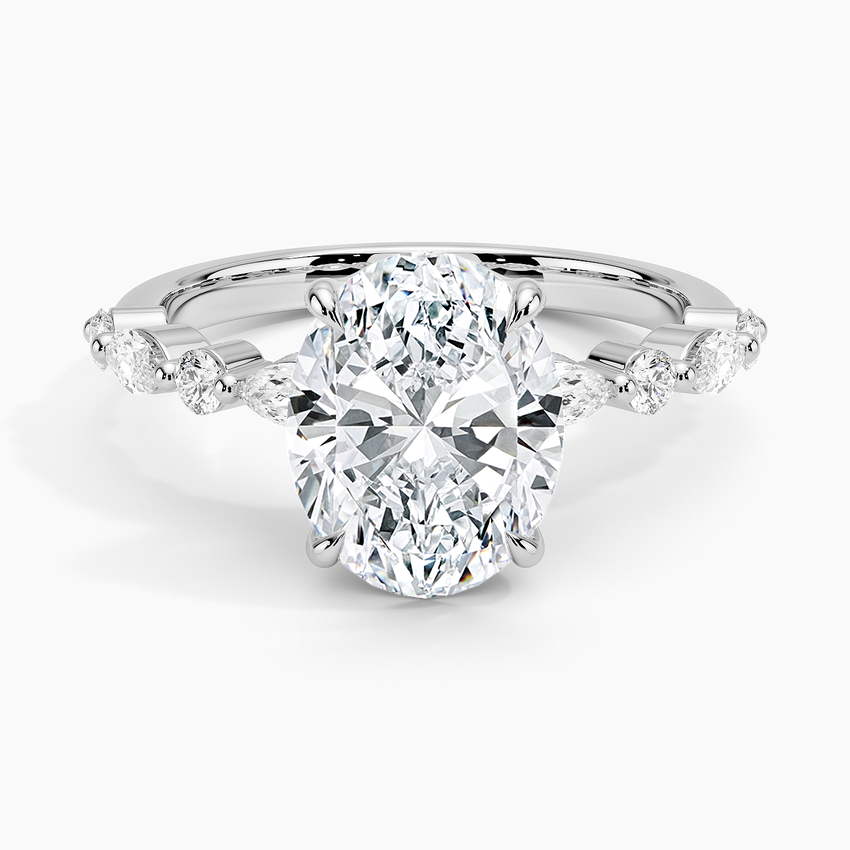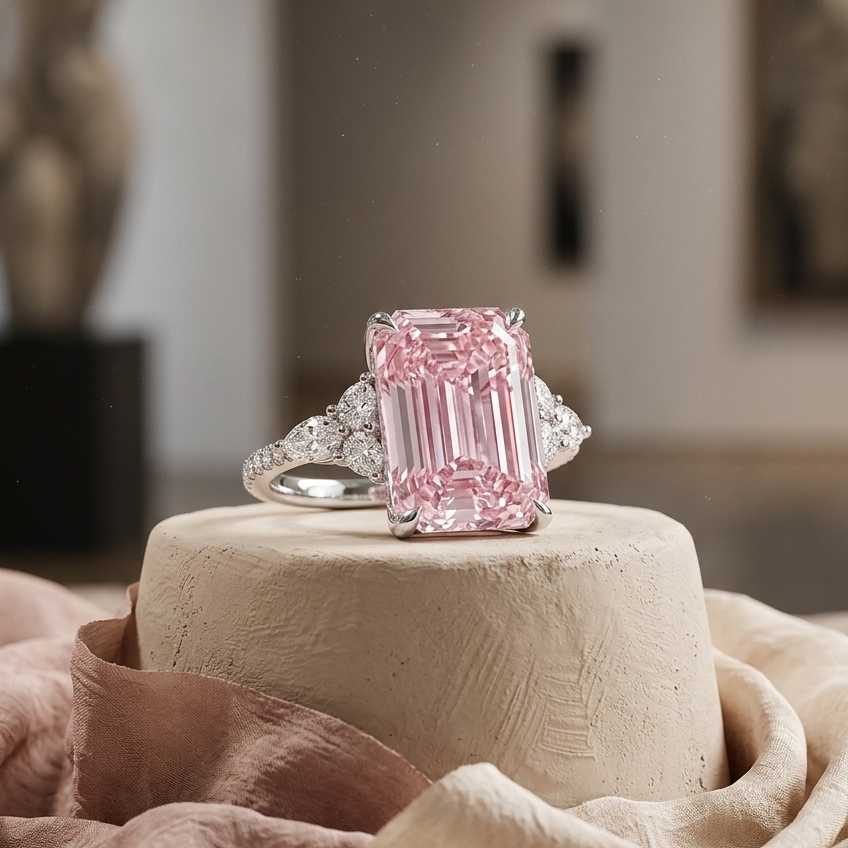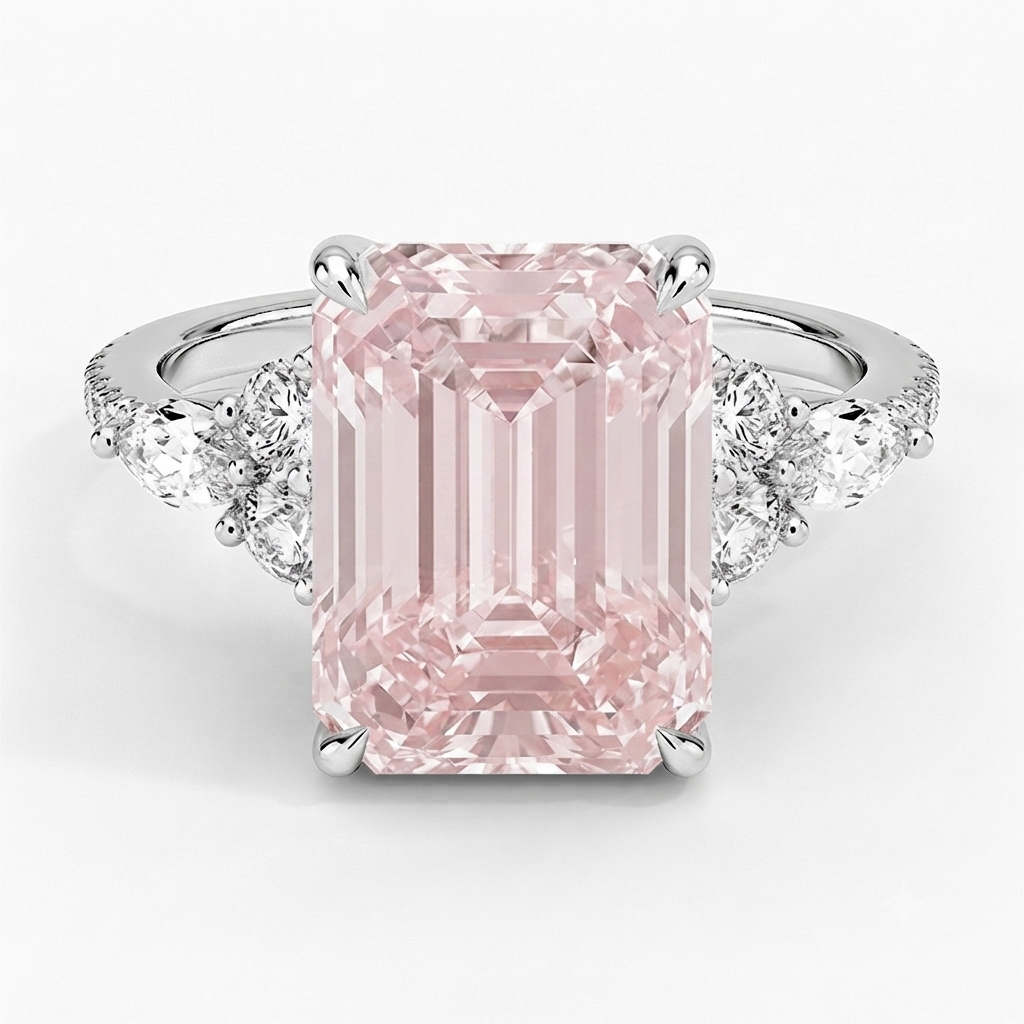
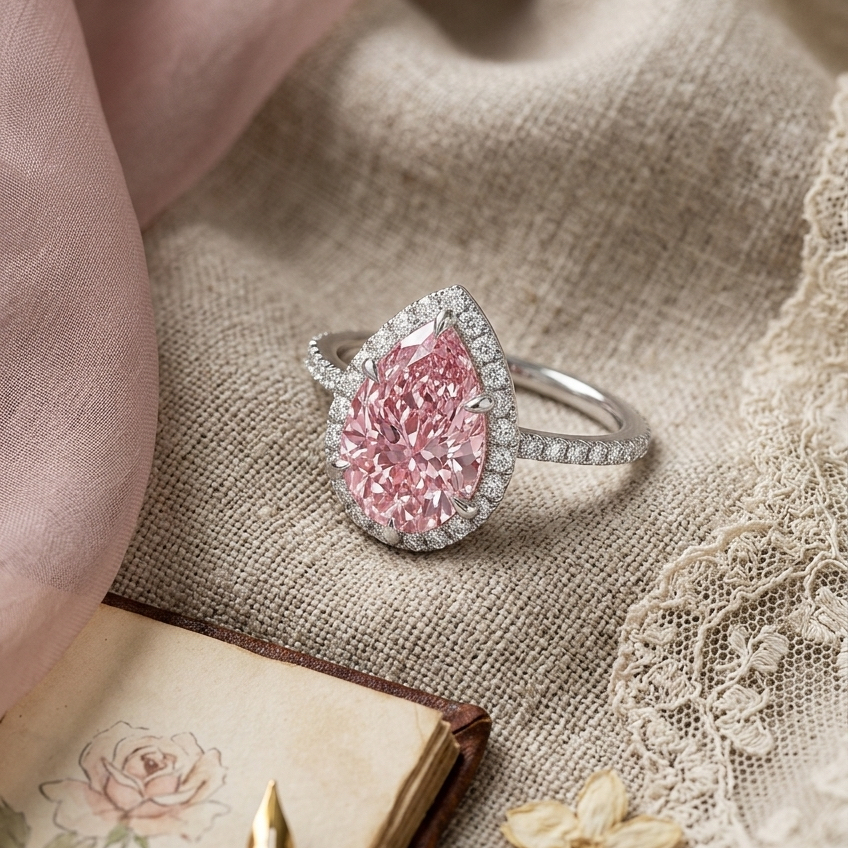
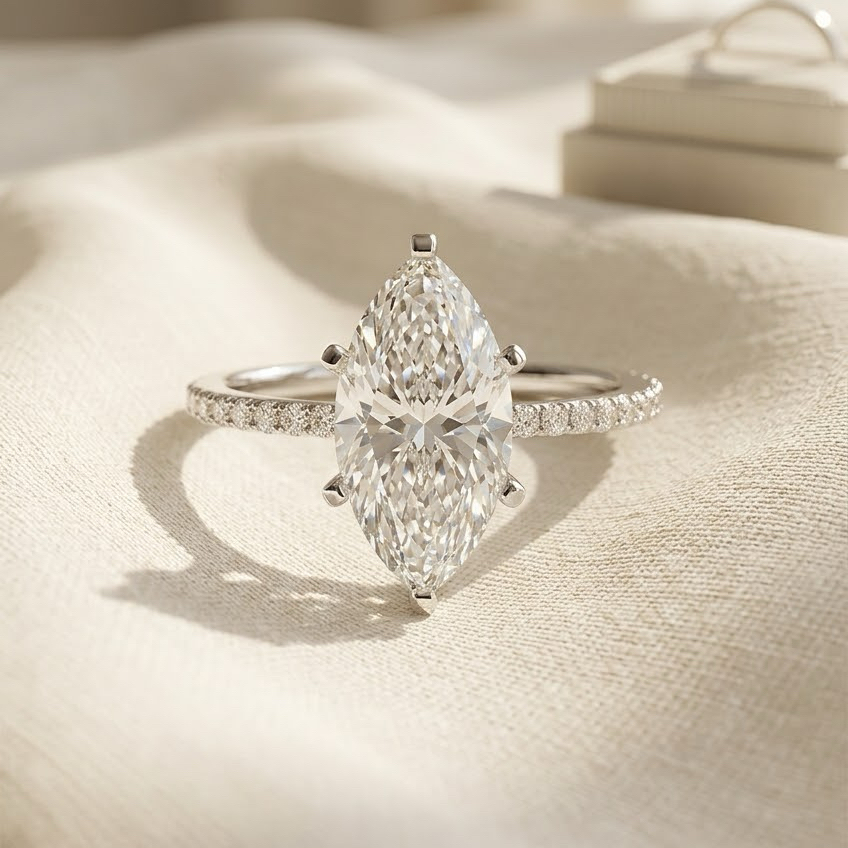
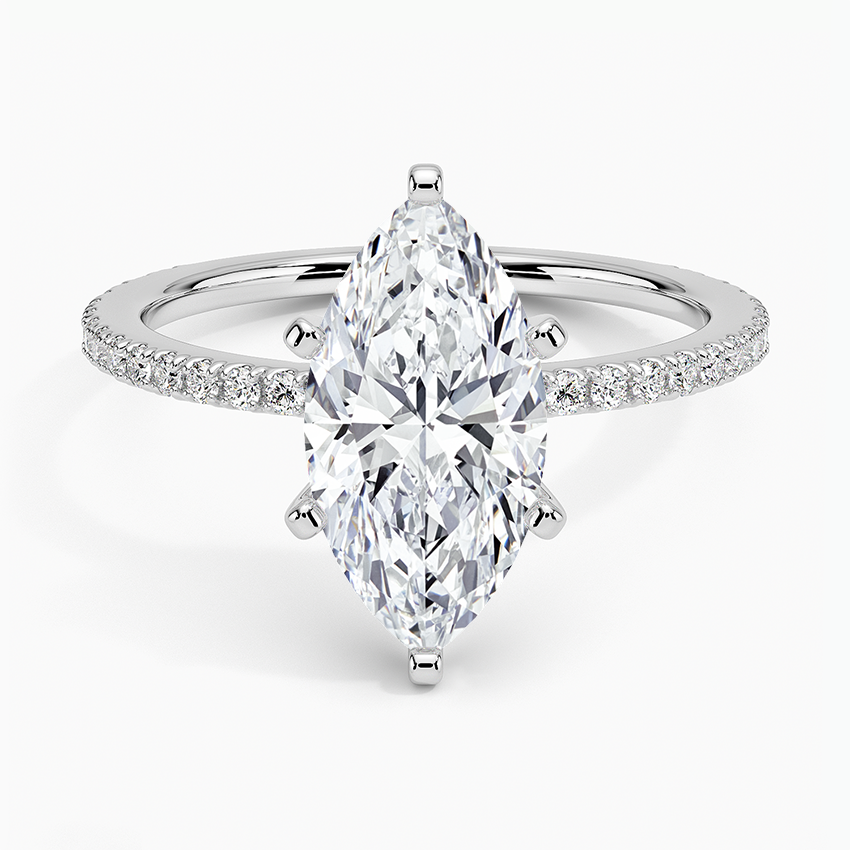
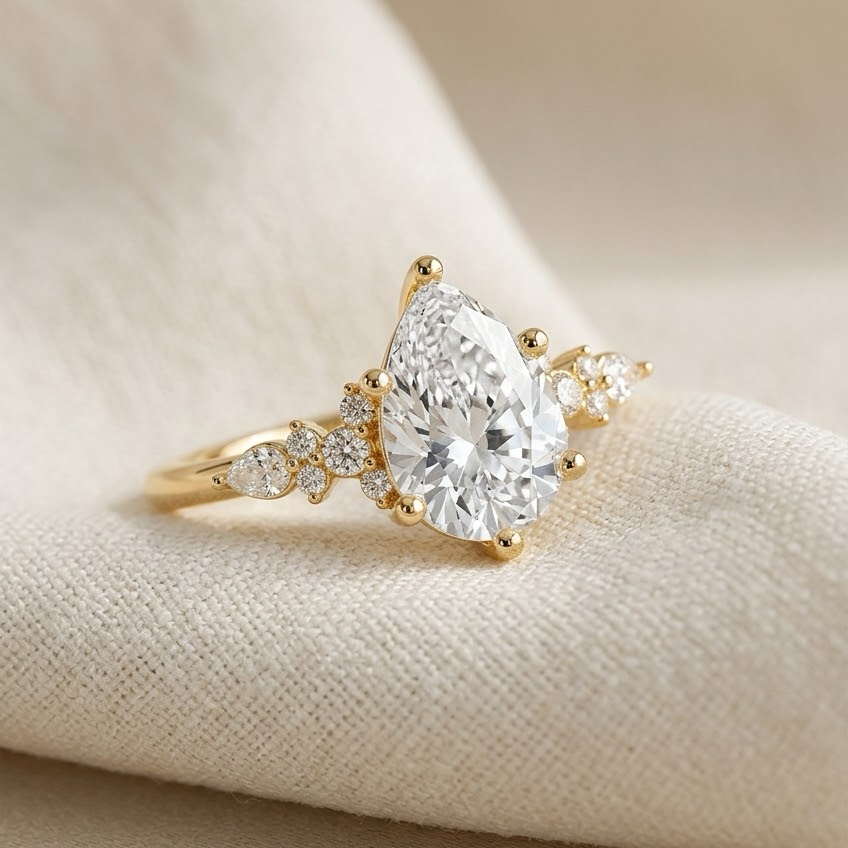
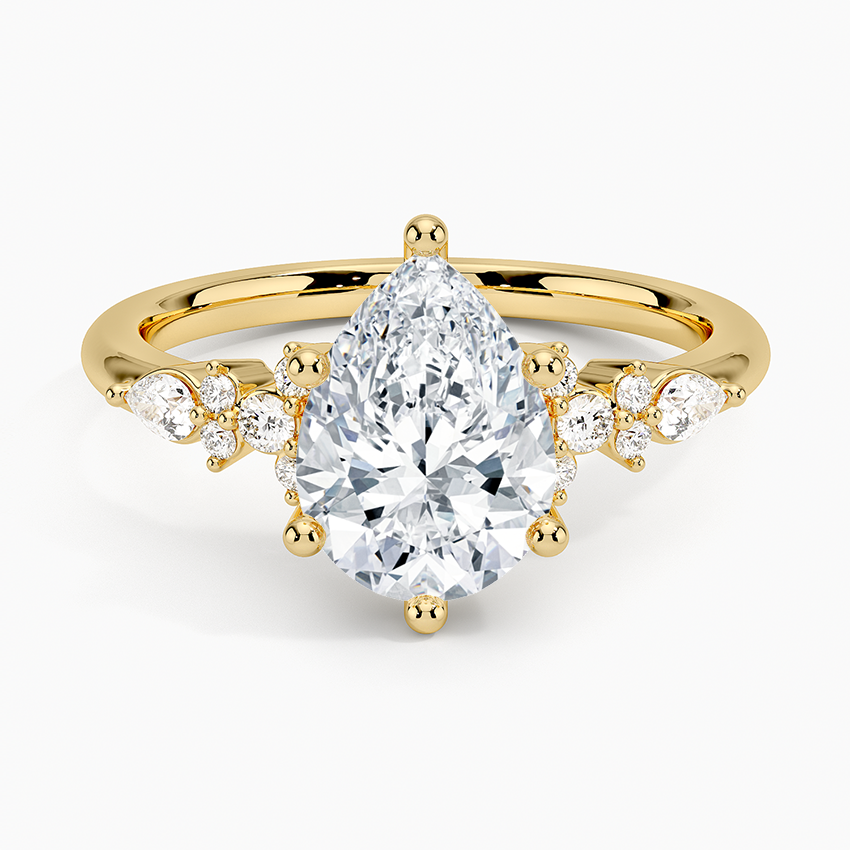
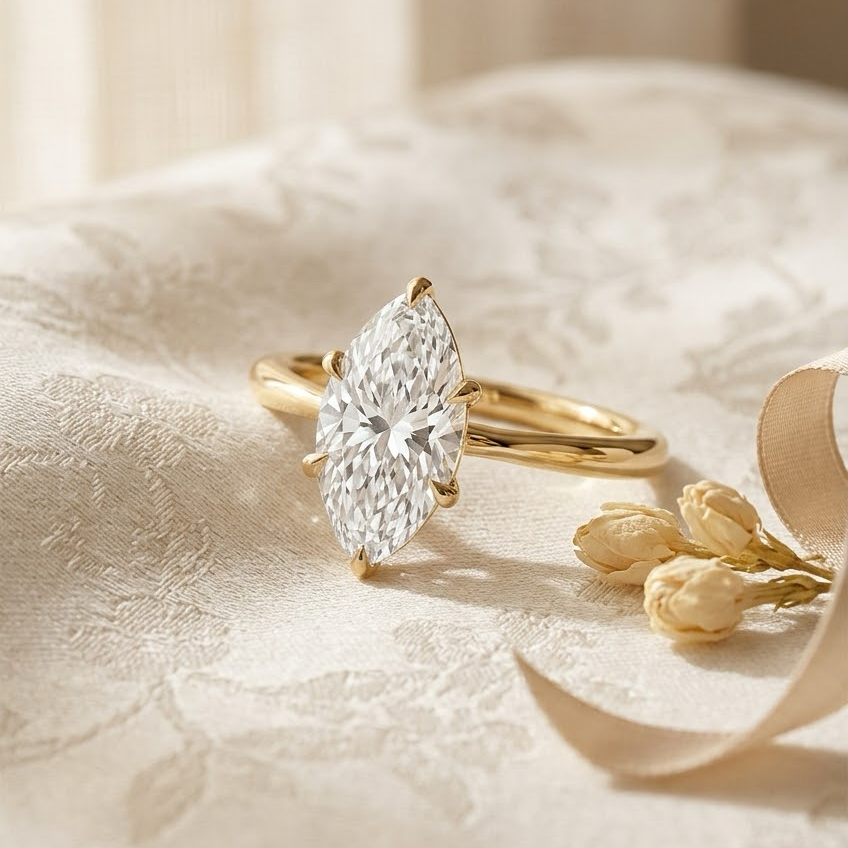
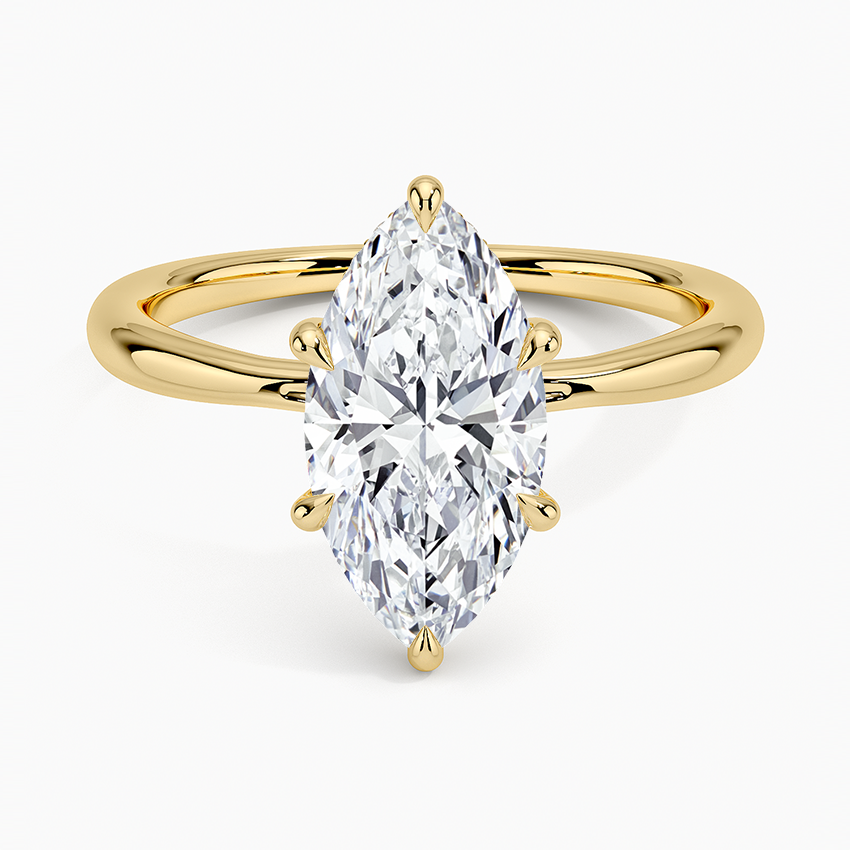
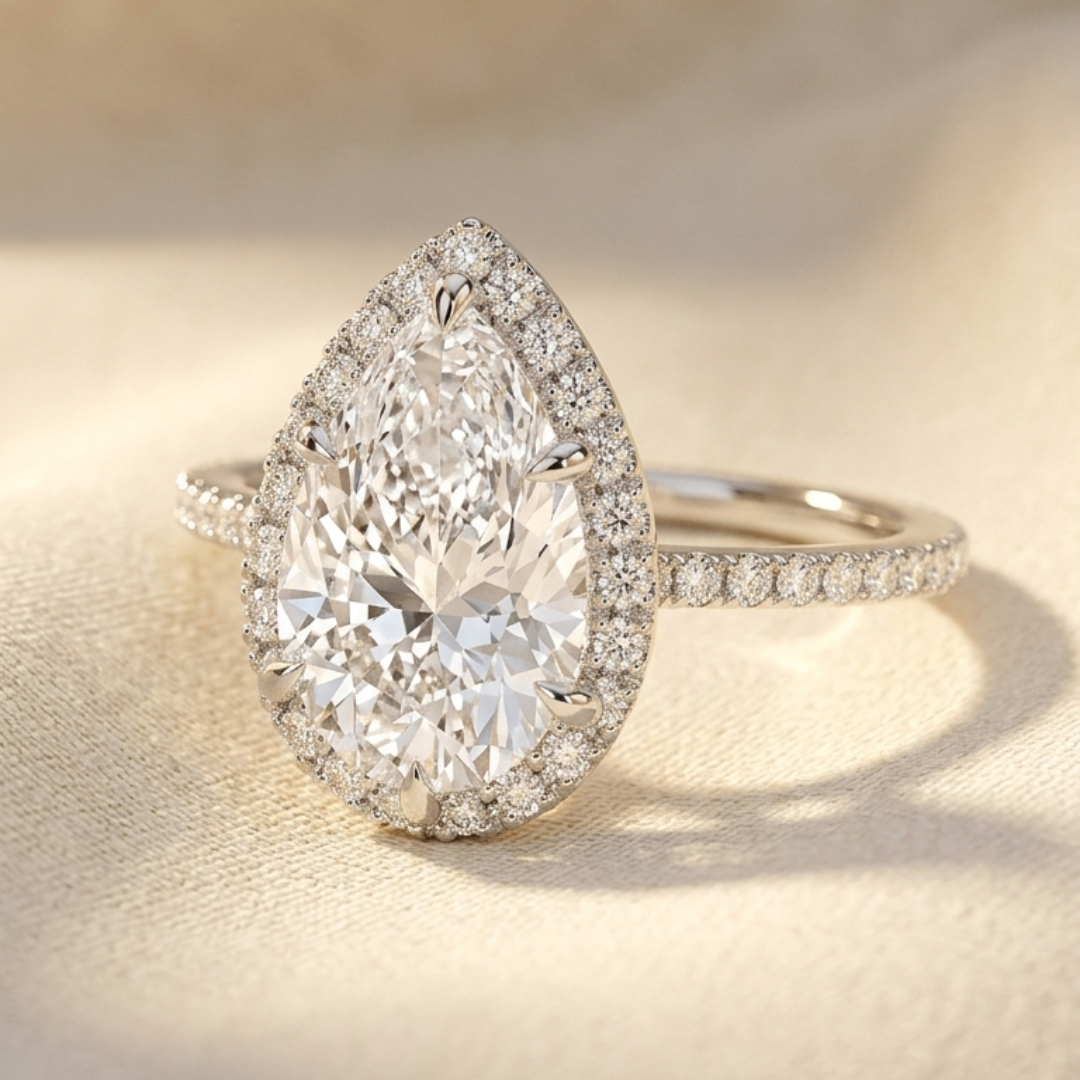
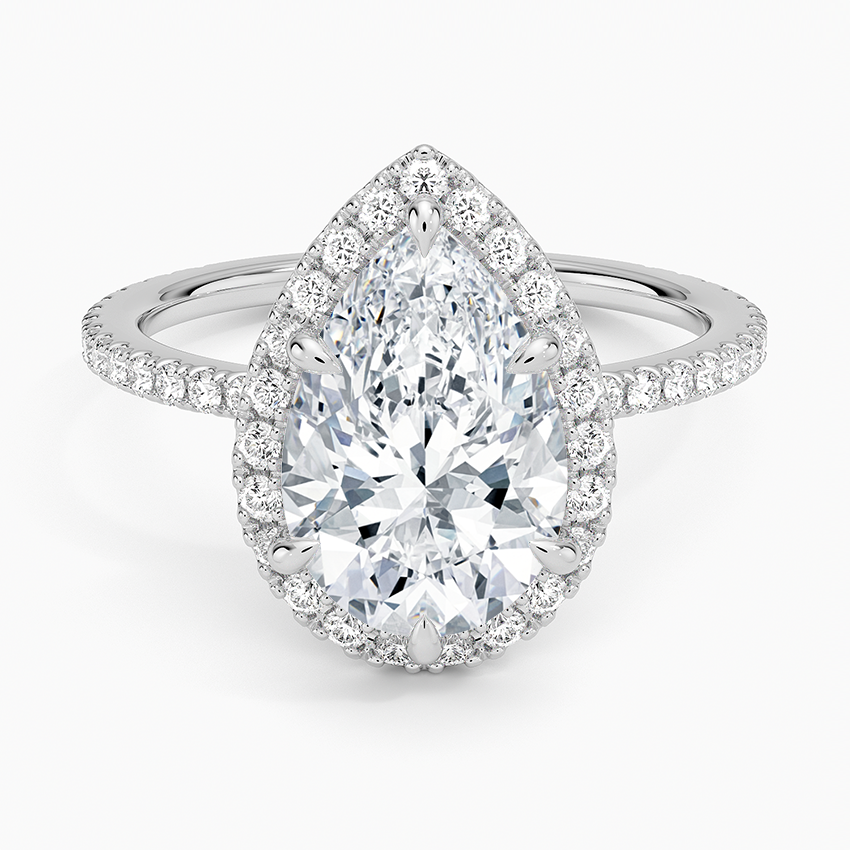
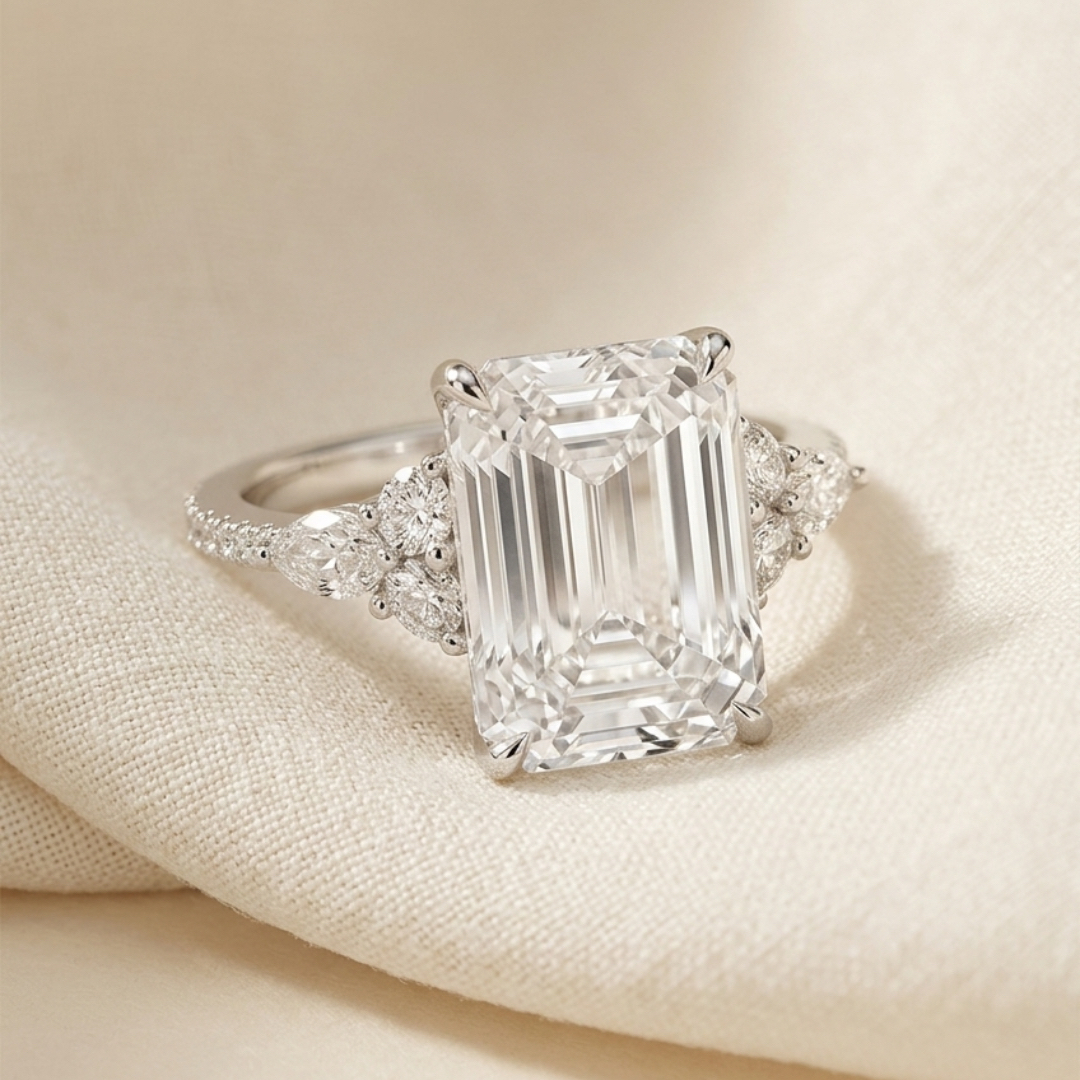
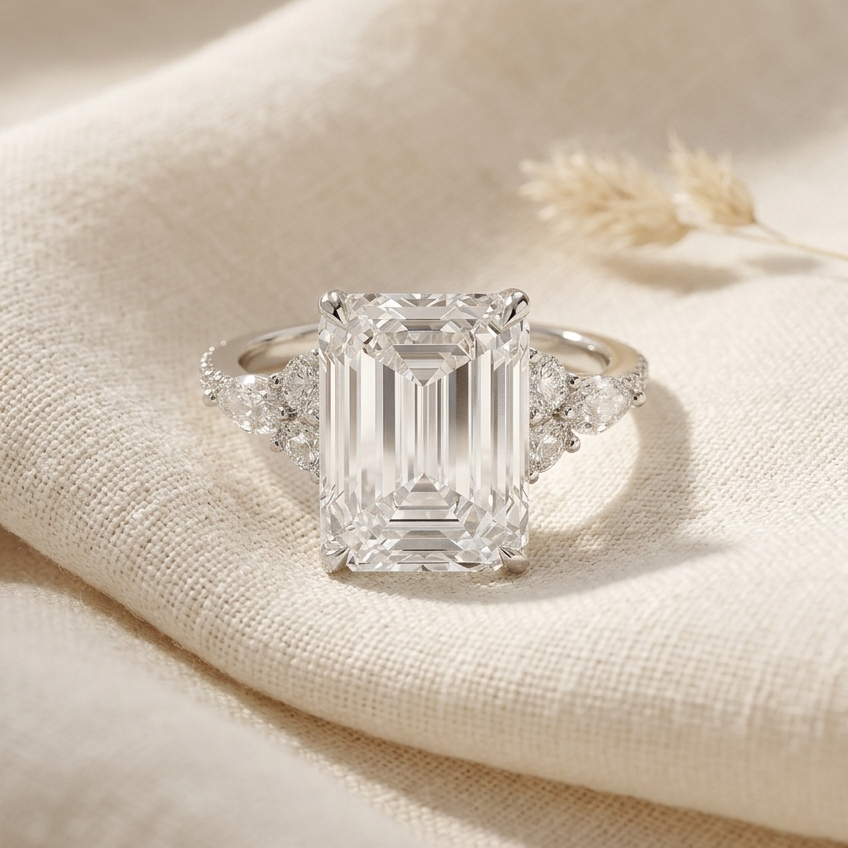
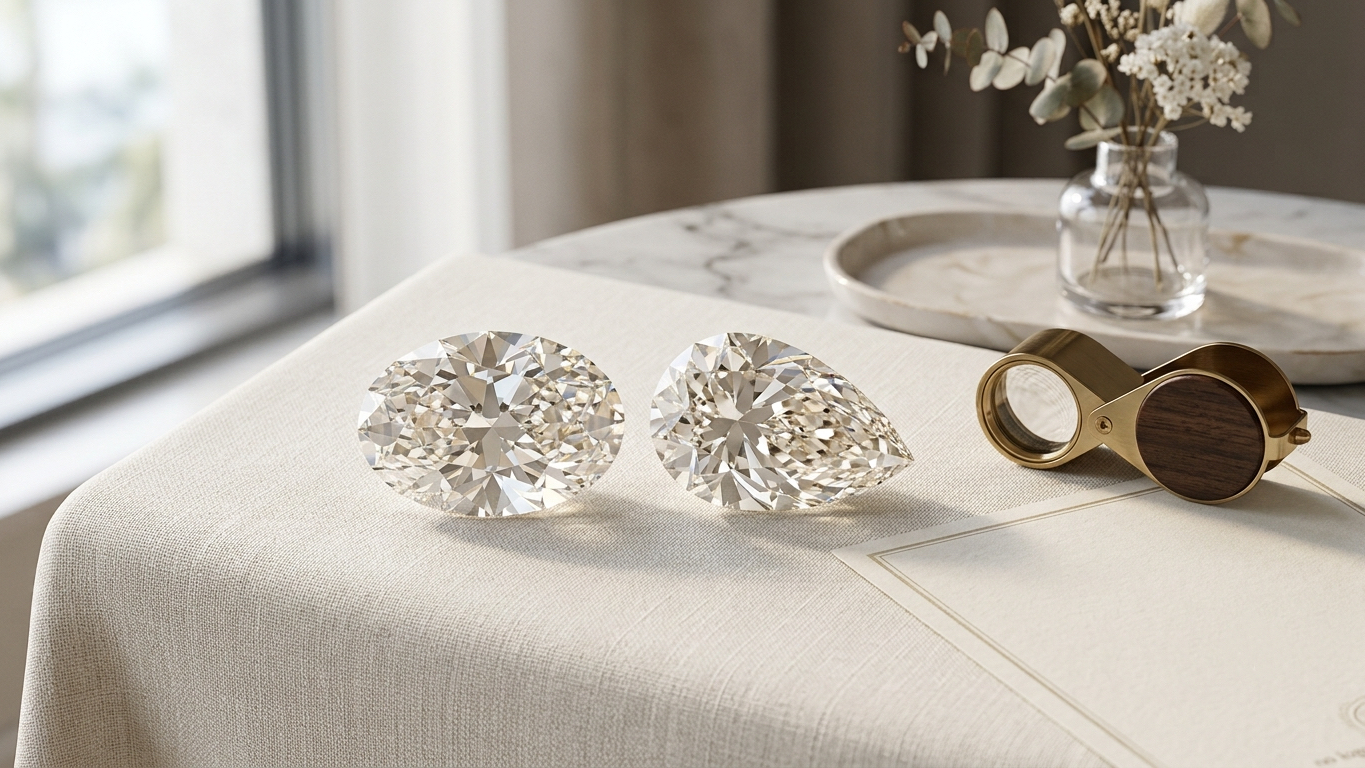
Oval and pear diamonds are among the most elegant diamond shapes you can choose.
They have graceful lines, beautiful finger coverage and a distinctive silhouette that feels both classic and modern.
But there is something many first-time diamond buyers don’t realise:
Not every oval or pear diamond is equally beautiful.
Two diamonds can have the same carat weight, colour, clarity and IGI certification—and still look noticeably different.
One may appear bright, balanced and lively.
Another may have a distracting dark area across the centre, uneven proportions or a shape that simply doesn’t look right.
This is particularly important when buying a diamond online, where you cannot hold the stone in your hand.
So how do you choose?
The answer is to learn what to look for—and to understand why a certificate alone isn’t enough.
First: What Is the Bow-Tie Effect?
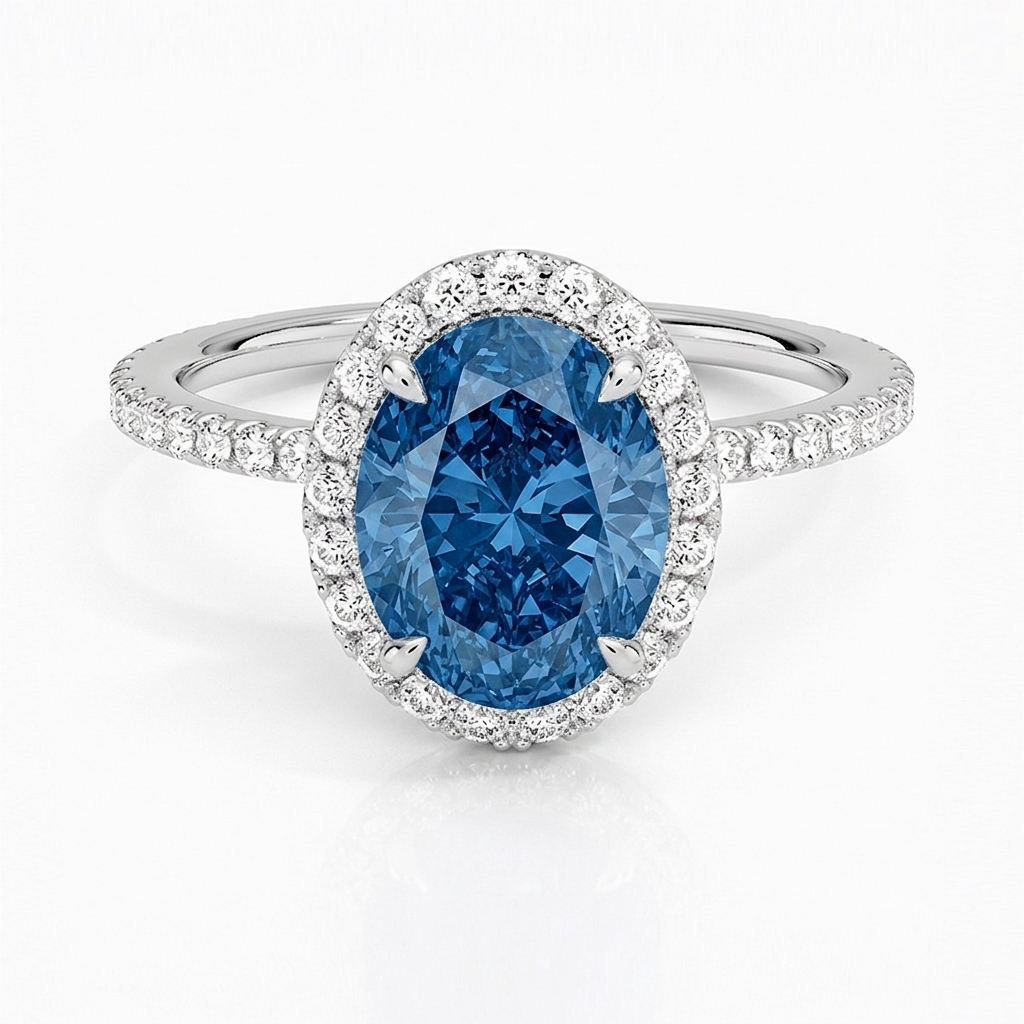
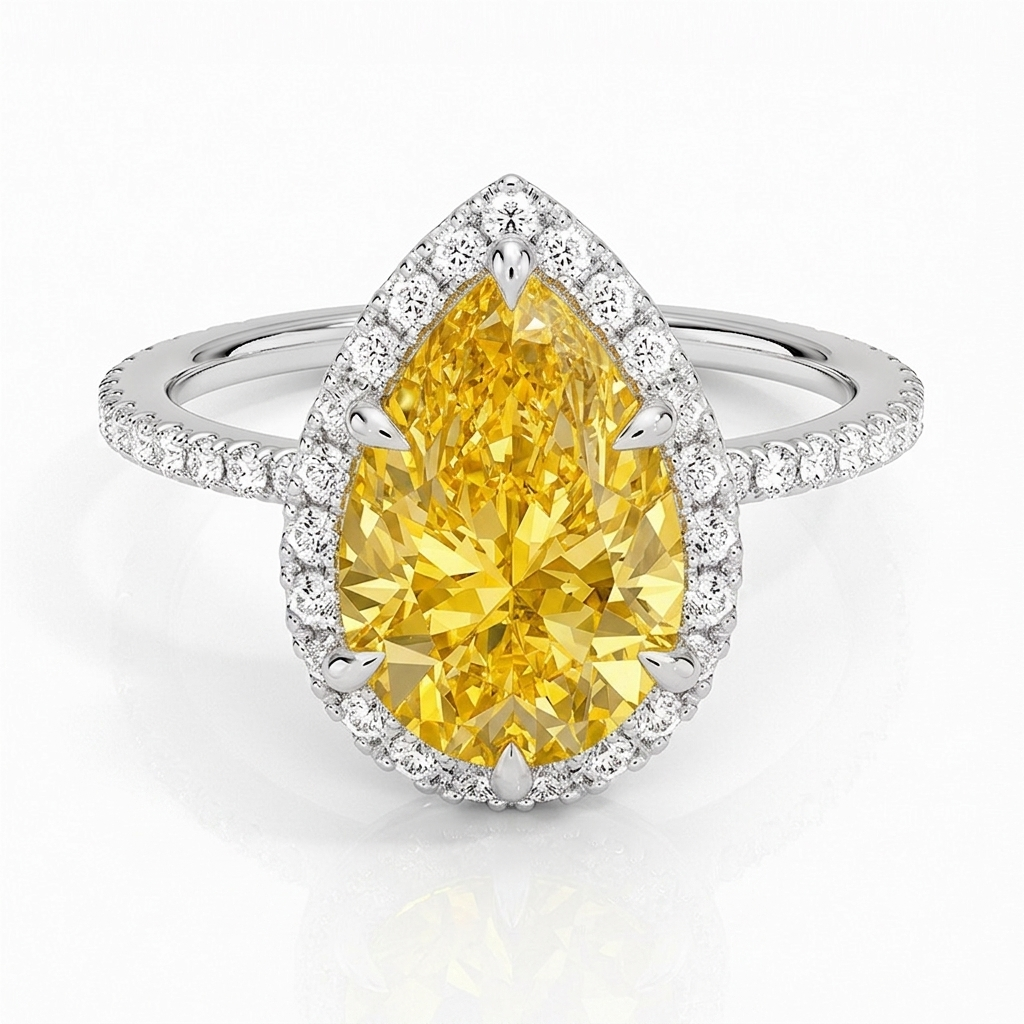
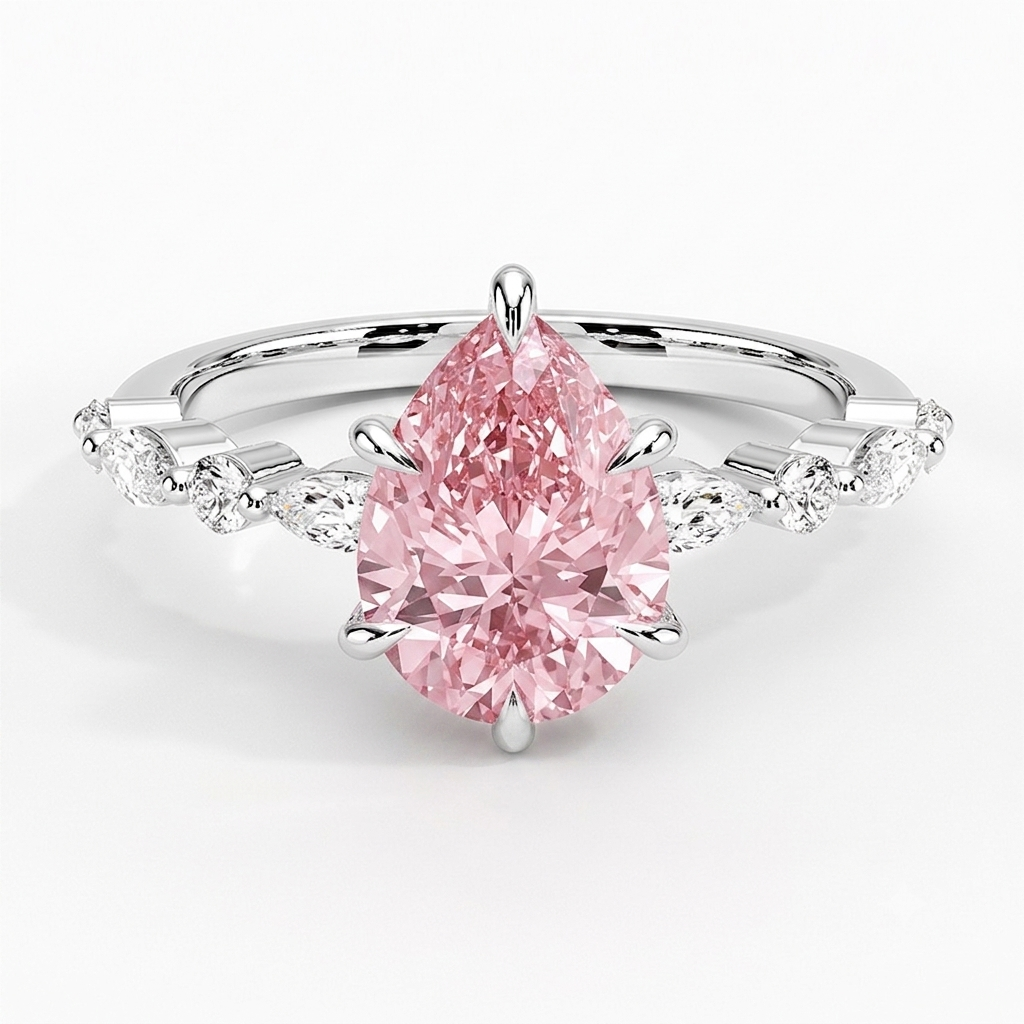
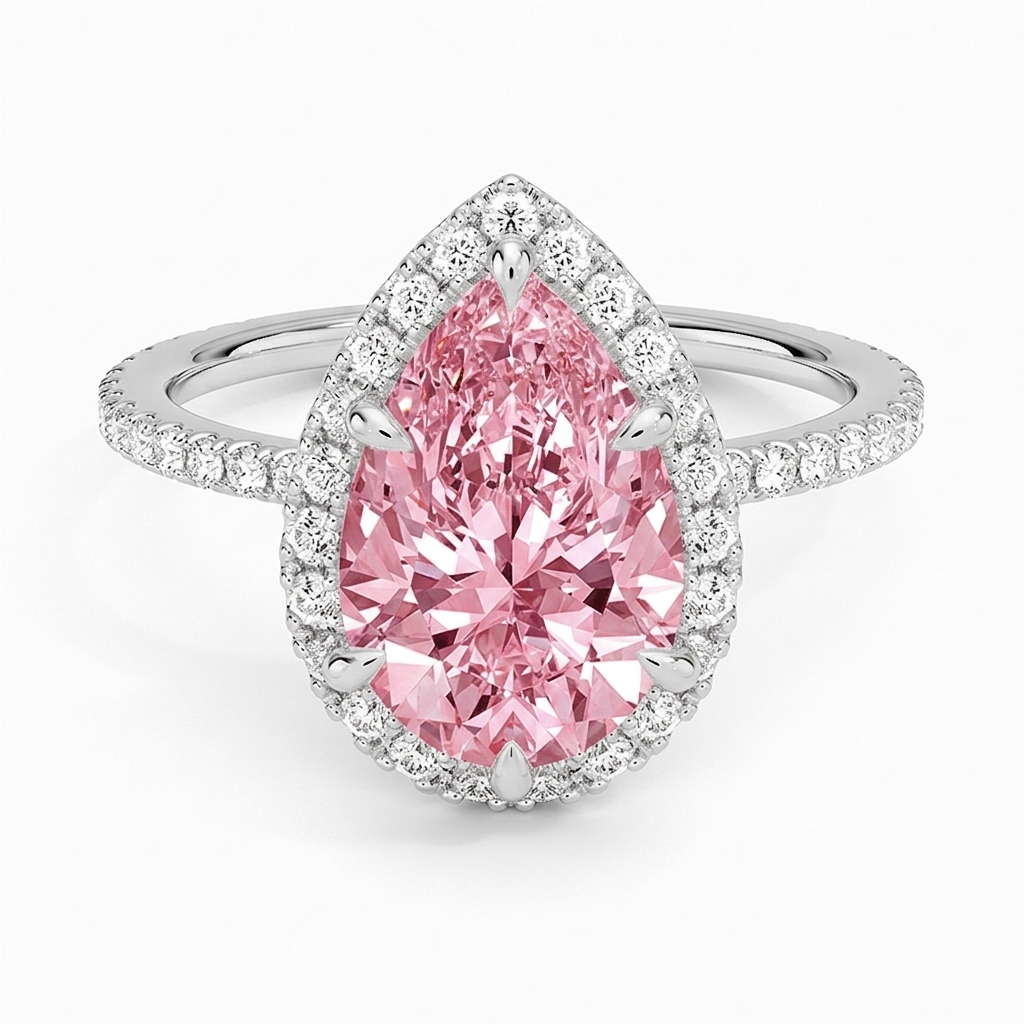
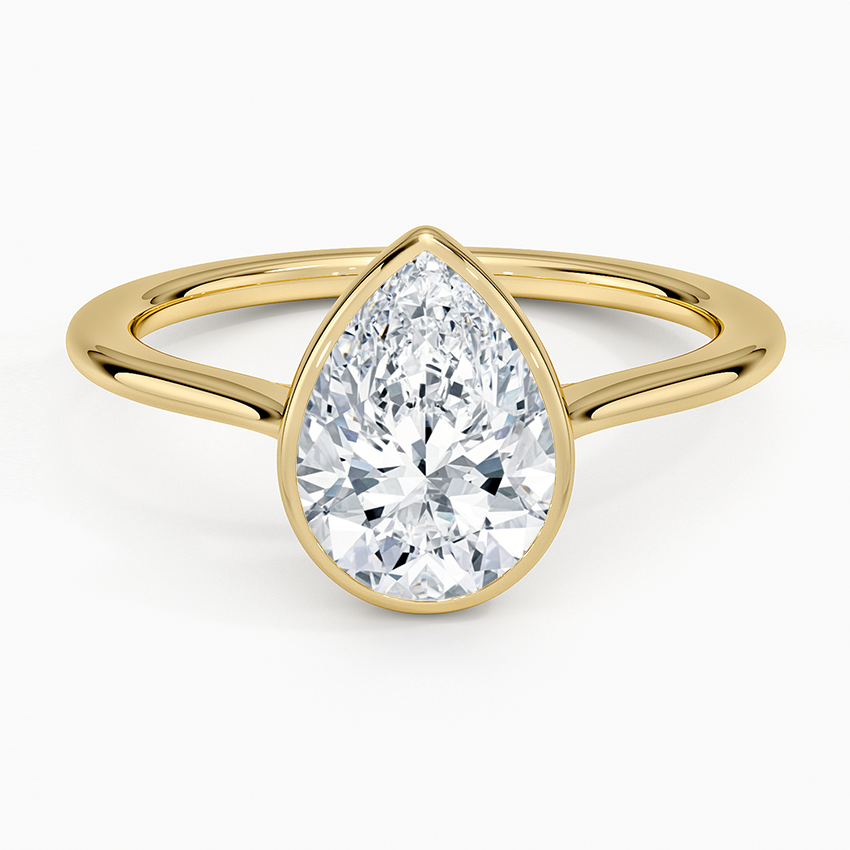
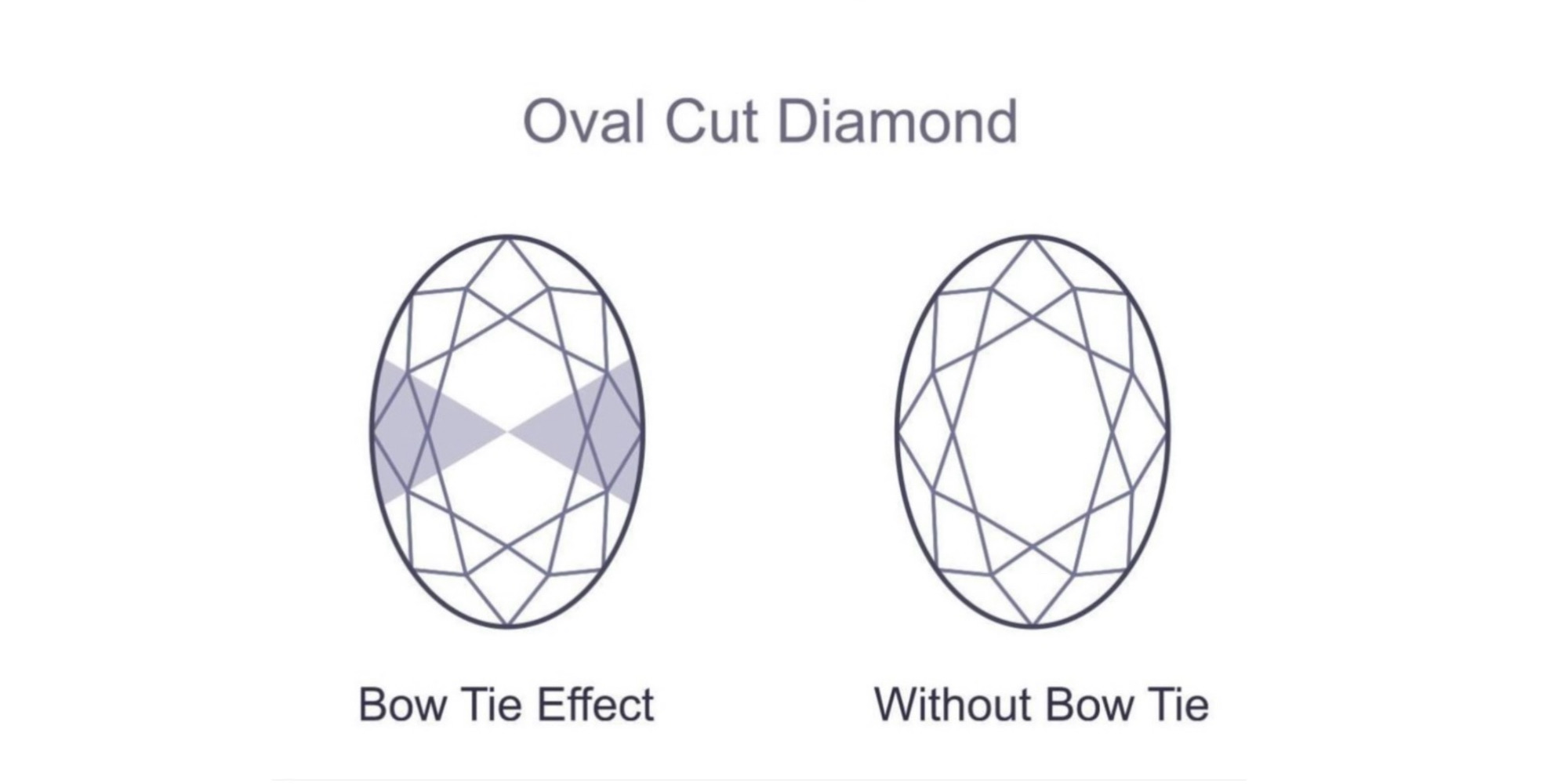
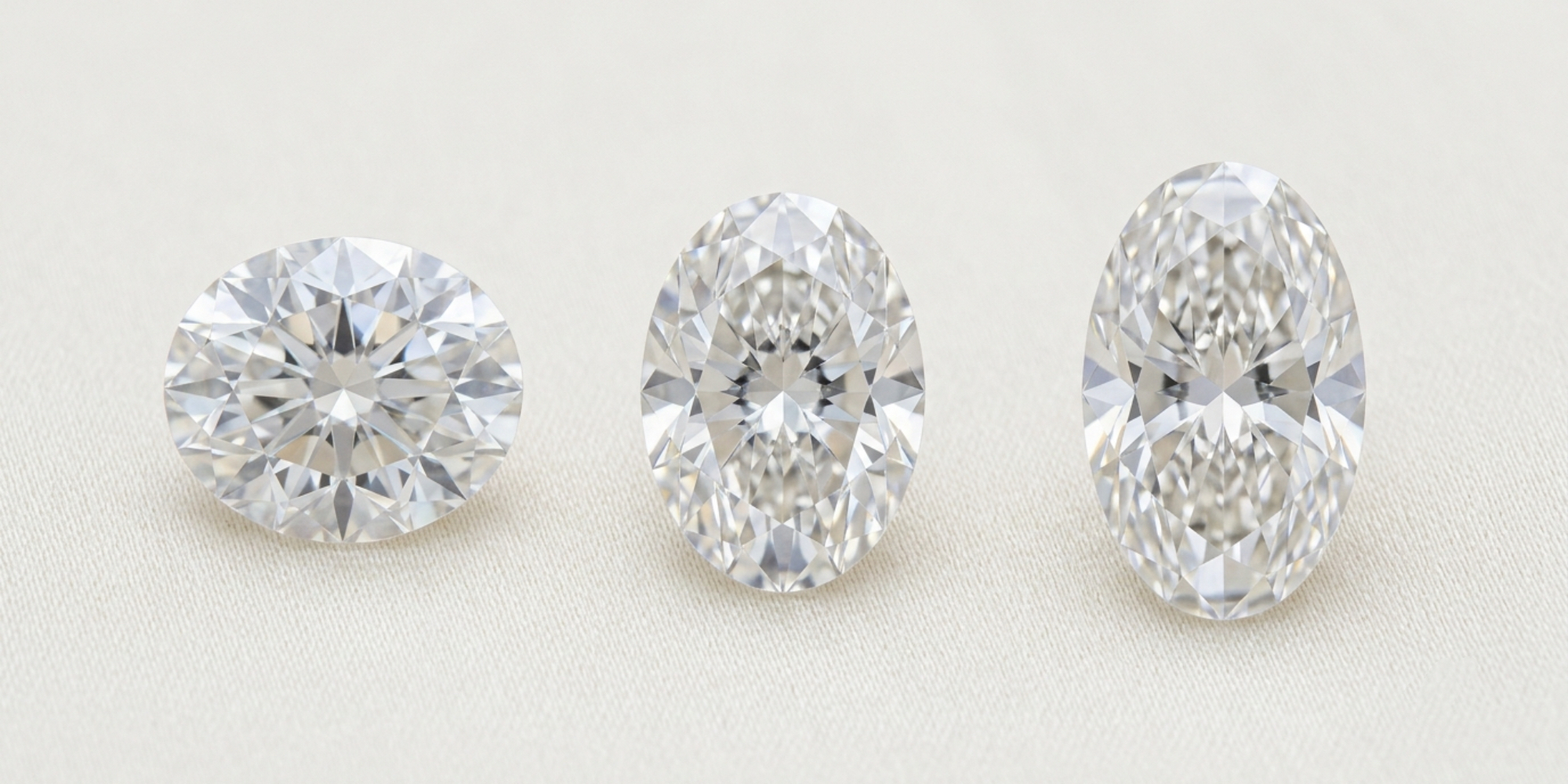
The bow-tie effect is a darker area that can appear across the centre of elongated brilliant-cut diamonds such as ovals and pears.
It gets its name because the dark pattern can resemble a bow tie.
Why does it happen?
A diamond’s facets act like tiny mirrors. They reflect light from the surrounding environment back toward your eyes.
When you look directly at the diamond, your head and body can block some of the light entering the stone. This can create a darker contrast across the centre.
A bow-tie is therefore not automatically a sign of a poorly cut diamond.
In fact, some degree of contrast is normal in oval and pear diamonds.
The question is not:
“Does this diamond have a bow-tie?”
The better question is:
“How strong is it, how large is it, and does it interfere with the diamond’s brilliance?”
GIA’s research confirms that oval and pear diamonds commonly display bow-tie patterns, ranging from subtle to strong. Large, dark and persistent bow-ties are generally considered negative to overall appearance.
What Does a Good Bow-Tie Look Like?
This is where diamond shopping becomes more nuanced.
A soft, subtle bow-tie can create attractive contrast.
It can make the diamond look lively rather than flat.
As the diamond moves, the darker area may brighten and change.
That is very different from a bow-tie that remains a wide, dark bar across the centre.
A bow-tie is generally more acceptable when:
- It is light rather than black or very dark.
- It occupies a relatively small area.
- It does not overpower the centre of the diamond.
- The surrounding facets remain bright.
- It changes or brightens as the diamond moves.
- The overall stone still looks lively and balanced.
Be cautious when:
- The centre looks consistently dark.
- The dark area is wide and dominant.
- The bow-tie remains dark from multiple viewing angles.
- Large areas beside the bow-tie also look dull.
- The diamond appears noticeably less bright in normal viewing.
GIA similarly notes that a bow-tie can range from light gray to black, and that a darker and larger bow-tie can detract from face-up appearance.
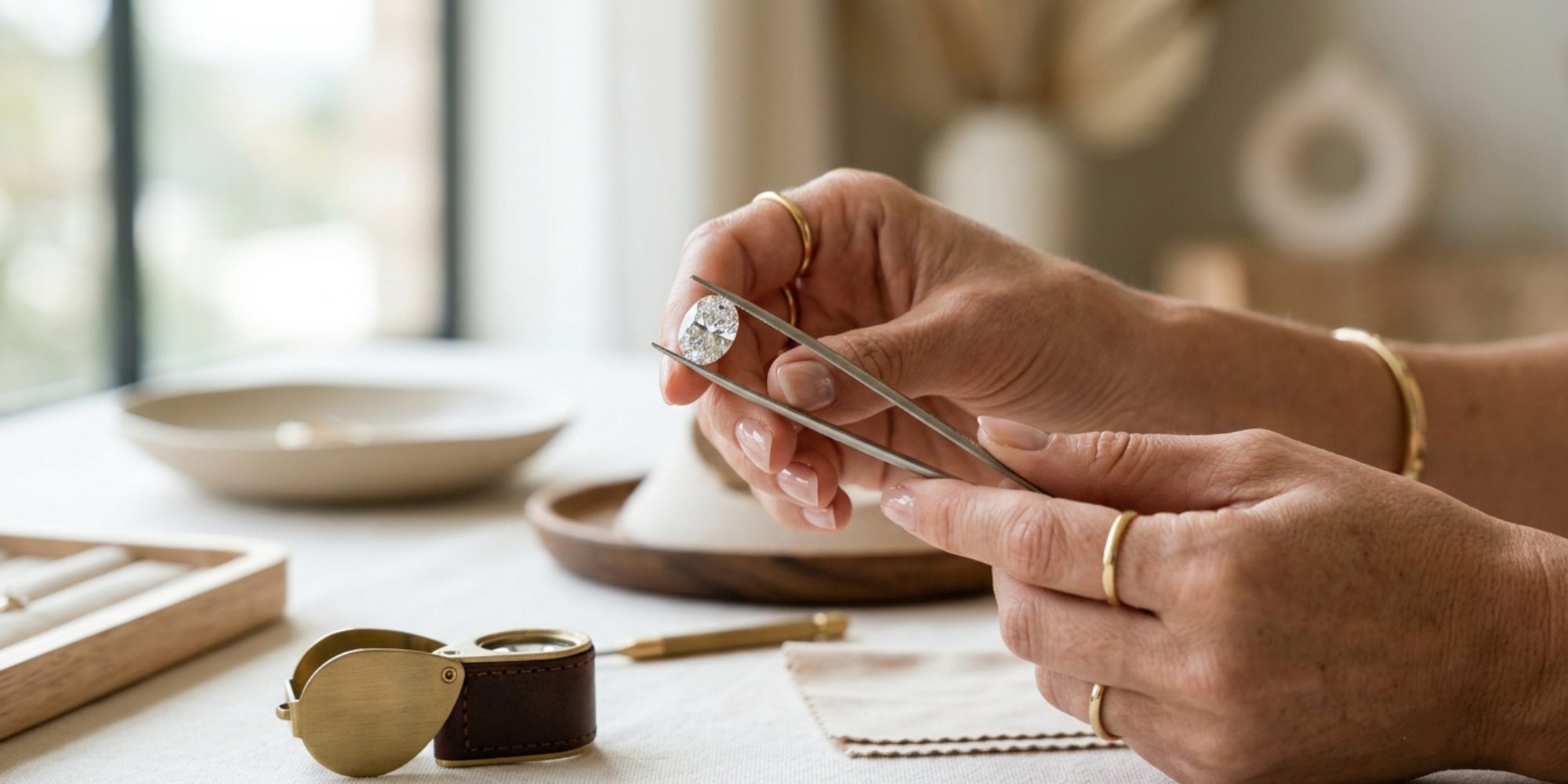
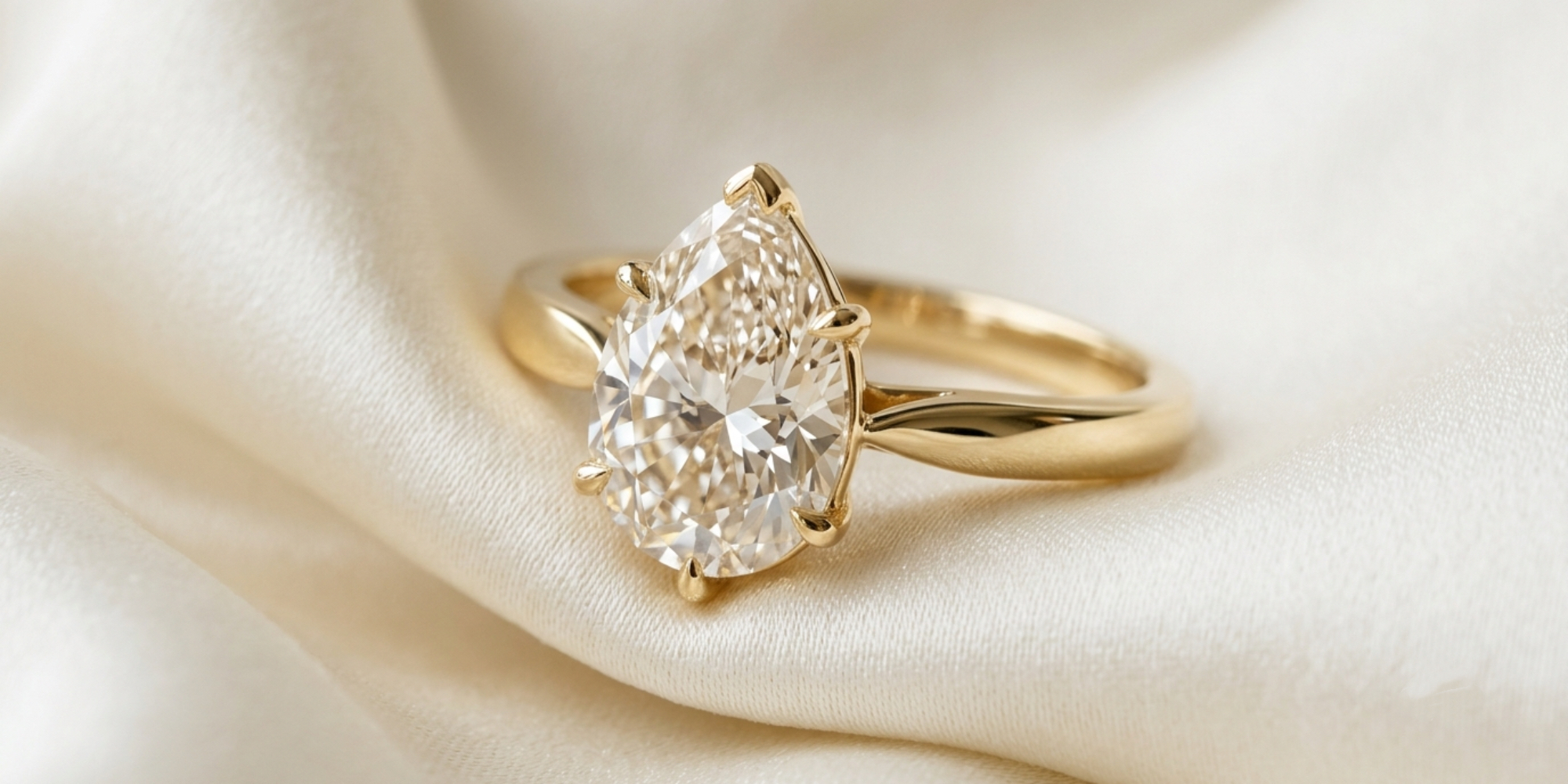
(Subtle bow-tie effect acceptable)
How to Check a Bow-Tie With Your Naked Eye
You don’t need a microscope.
In fact, the most important test is often simply looking at the diamond as a person would normally see it.
Place the diamond face-up and look at it from a normal viewing distance.
Don’t stare at it from only one fixed angle.
Instead:
1. Look straight at the diamond
Ask yourself:
Does the centre look slightly darker, or does it look obviously dark?
A little contrast is normal.
A large dark bar deserves more attention.
2. Move the diamond slowly
If you are viewing a physical stone, gently move it.
Watch the centre.
Does the dark area change as the diamond moves?
Does light return to the centre?
Or does the darkness remain stubbornly present?
3. Step back
Look at the diamond from normal conversation distance.
A diamond that looks beautiful only under magnification may not look equally beautiful when worn.
4. Compare it with another diamond
This is one of the easiest ways to train your eye.
Look at two ovals or two pears side by side.
You may immediately notice that one looks brighter and more lively even though their certificates appear very similar.
How to Check a Bow-Tie When Shopping Online
This is especially important because many people now purchase diamonds online.
A single static photograph is not enough.
Ask for a video of the actual diamond.
The video should show the stone face-up and allow you to observe it while it moves.
Look for:
- Brightness across the centre
- Dark areas that remain persistent
- Changes in light as the stone moves
- Symmetry of the outline
- Overall liveliness
- Whether the diamond looks attractive at normal viewing distance
A video can reveal things that a still photograph cannot.
And remember:
You should be evaluating the actual diamond—not a representative image of a similar diamond.
How to Choose Lab Grown Diamonds Online
Why Proportions Matter
You may see diamond listings with numbers such as:
- Table %
- Depth %
- Length-to-width ratio
- Girdle
- Symmetry
- Polish
These numbers are useful.
But they should not be treated as a magic formula.
For fancy shapes such as oval and pear, there is no single combination of table and depth that guarantees beauty.
GIA’s research specifically highlights the complexity of fancy-shape appearance and the interaction between proportions, faceting patterns and visual effects such as bow-tie and crushed ice.
This means:
Don’t choose an oval or pear simply because every number falls inside a predetermined chart.
Use the numbers as a screening tool.
Then evaluate the actual diamond.
A Simple Bow-Tie Guide for Online Shoppers
|
What you see |
What it may mean |
|
Very subtle gray contrast |
Acceptable |
|
Small dark area that brightens during movement |
Often acceptable |
|
Noticeable but not distracting contrast |
Depends on personal preference |
|
Wide, persistent dark area |
Proceed cautiously |
|
Very dark central bar |
Likely to detract from brilliance |
|
Dark centre plus large dull areas |
Strong reason to consider another stone |
There is no universal numerical threshold that tells you whether a bow-tie is beautiful.
Your eyes still matter.
And that is exactly why video is so valuable when shopping online.
Why We Don’t Select Oval and Pear Diamonds by Numbers Alone
At Her Crown, we believe diamond selection is a combination of professional knowledge and visual judgement.
A certificate is essential.
But it is not the entire selection process.
When we select an oval or pear diamond, we look beyond the headline specifications.
We evaluate:
- Overall shape
- Symmetry
- Proportions
- Table and depth
- Light distribution
- Bow-tie
- Visual brightness
- Balance of the outline
- Eye-clean appearance
- How the diamond performs as it moves
We are not looking for a diamond that merely passes a spreadsheet.
We are looking for a diamond that looks beautiful.
Her Crown’s Selection Process: You See the Actual Stone Before We Craft Your Ring
This is particularly important for customers purchasing online.
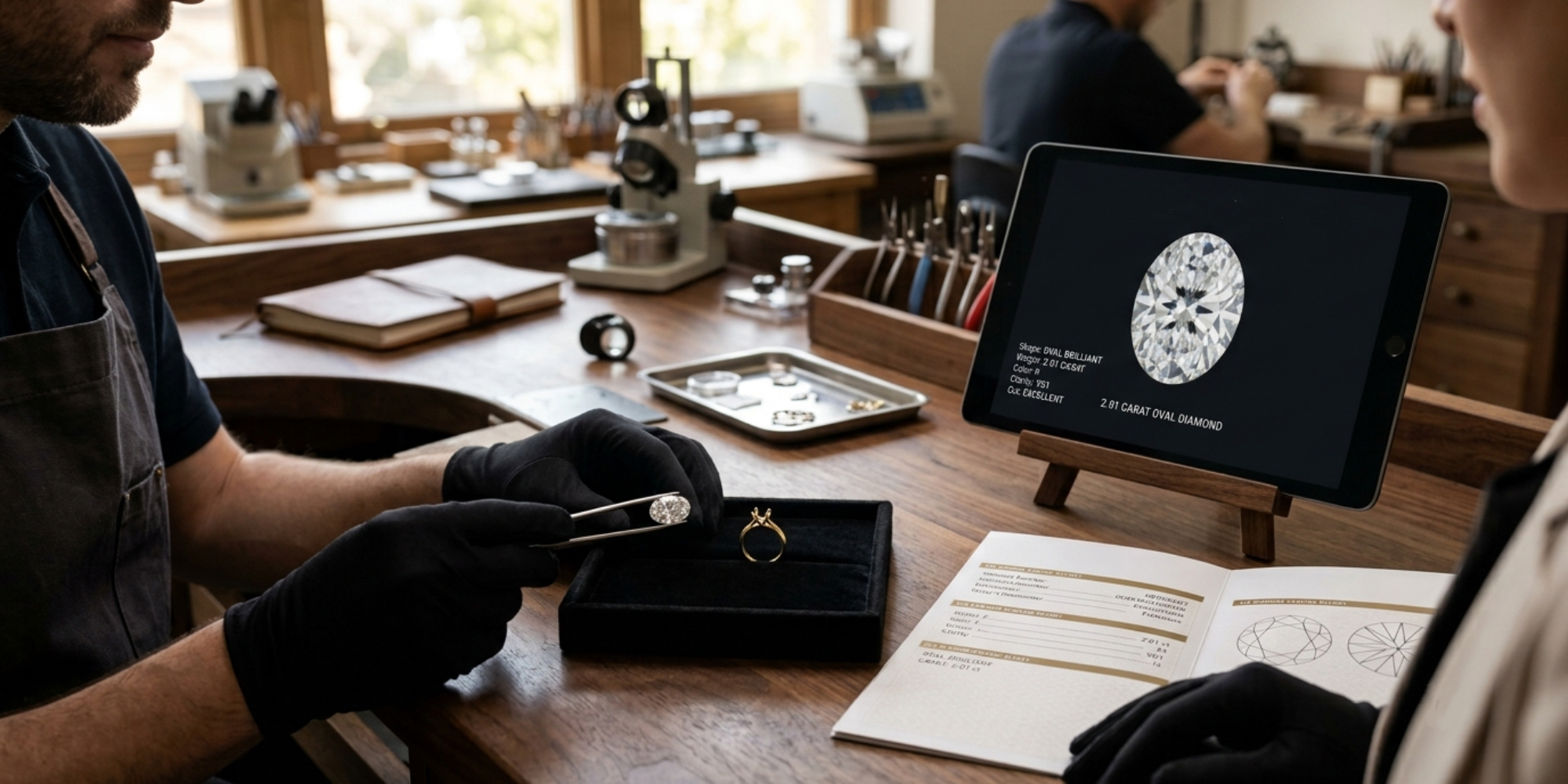
Before we begin crafting your ring, the strictly selected diamond by Her Crown is presented to you for approval.
You can review the actual stone through video. We also provide the relevant certification information so you can understand exactly what you are approving.
This process is especially valuable for oval and pear diamonds because their beauty cannot be fully communicated by a few numbers on a certificate.

Why This Matters More Than Finding the Cheapest Diamond
You may find two 2-carat oval diamonds with similar colour, clarity and certification.
One may be less expensive.
That does not automatically mean it is a better value.
The difference can lie in the details:
How was the diamond selected?
How does it perform visually?
How balanced is the shape?
How strong is the bow-tie?
How carefully was the actual stone inspected?
What happens before the ring is finally crafted?
A beautiful diamond is not created by a certificate alone.
It is selected through knowledge, judgement and careful evaluation.
Explore more from Why Do Lab-Grown Diamond Rings With the Same Certificate Have Different Prices?
A Practical Checklist Before You Approve Your Diamond
Before approving an oval or pear diamond online, ask:
☐ Have I watched a video of the actual stone?
☐ Is the bow-tie subtle rather than dominant?
☐ Does the centre remain reasonably bright?
☐ Does the diamond look lively when it moves?
☐ Is the outline symmetrical?
☐ Is the table centred?
☐ Are the proportions visually balanced?
☐ Is the point of a pear well protected by the intended setting?
☐ Have I reviewed the actual certificate?
☐ Do I genuinely love the diamond—not simply its specifications?
If the answer to all of these is yes, you are much closer to making an informed choice.
Diamond Shape Guide: How to Choose the Perfect Diamond Shape
Round vs Oval Diamond: Which Shape Is Right for You?
The Rise of the Self-Purchased Diamond: Why Women Are Buying Diamonds for Themselves