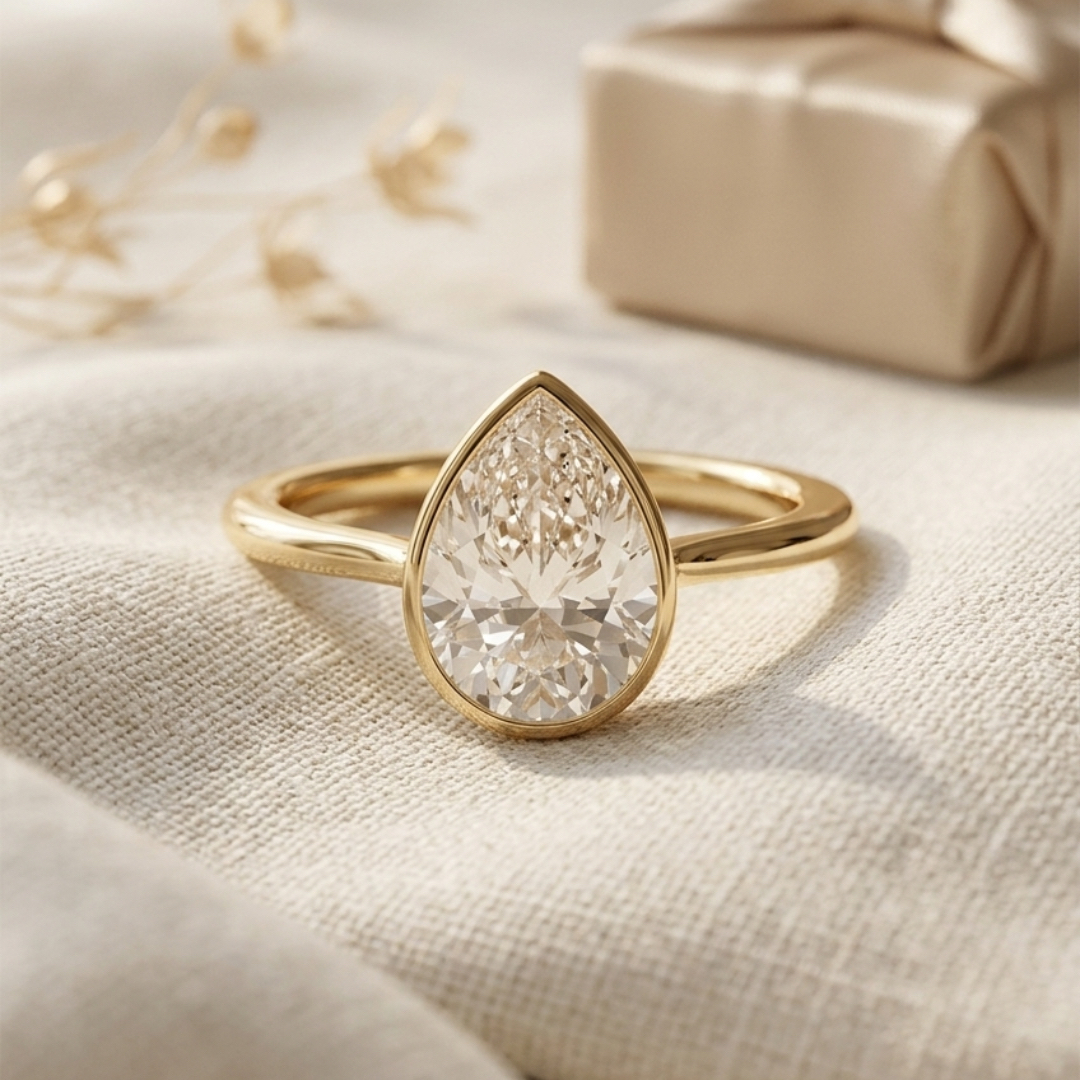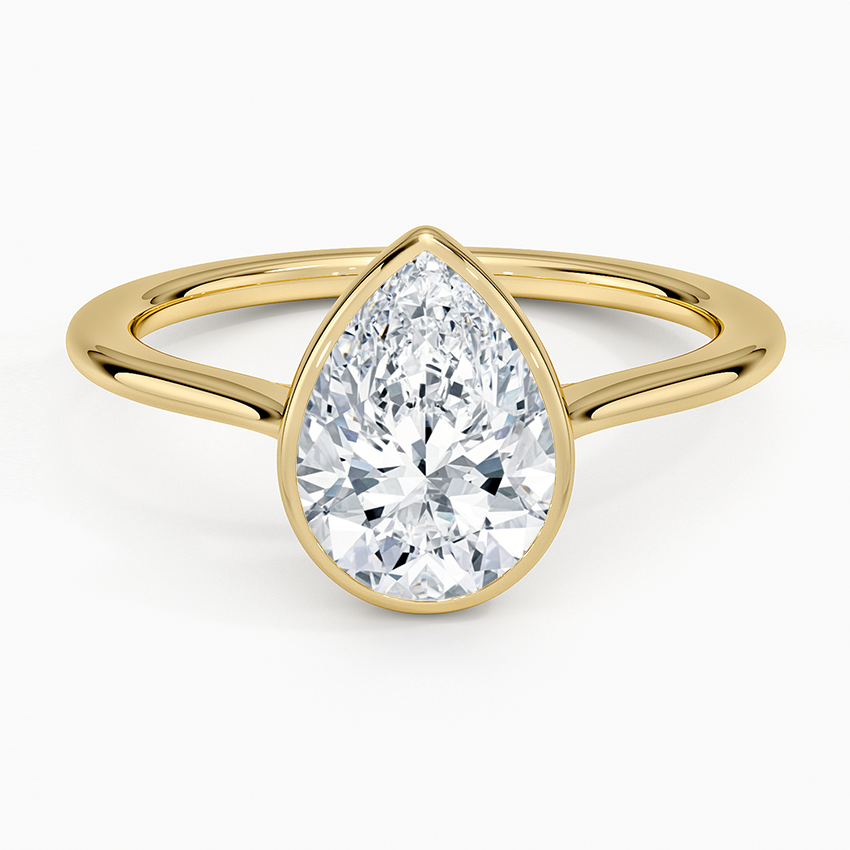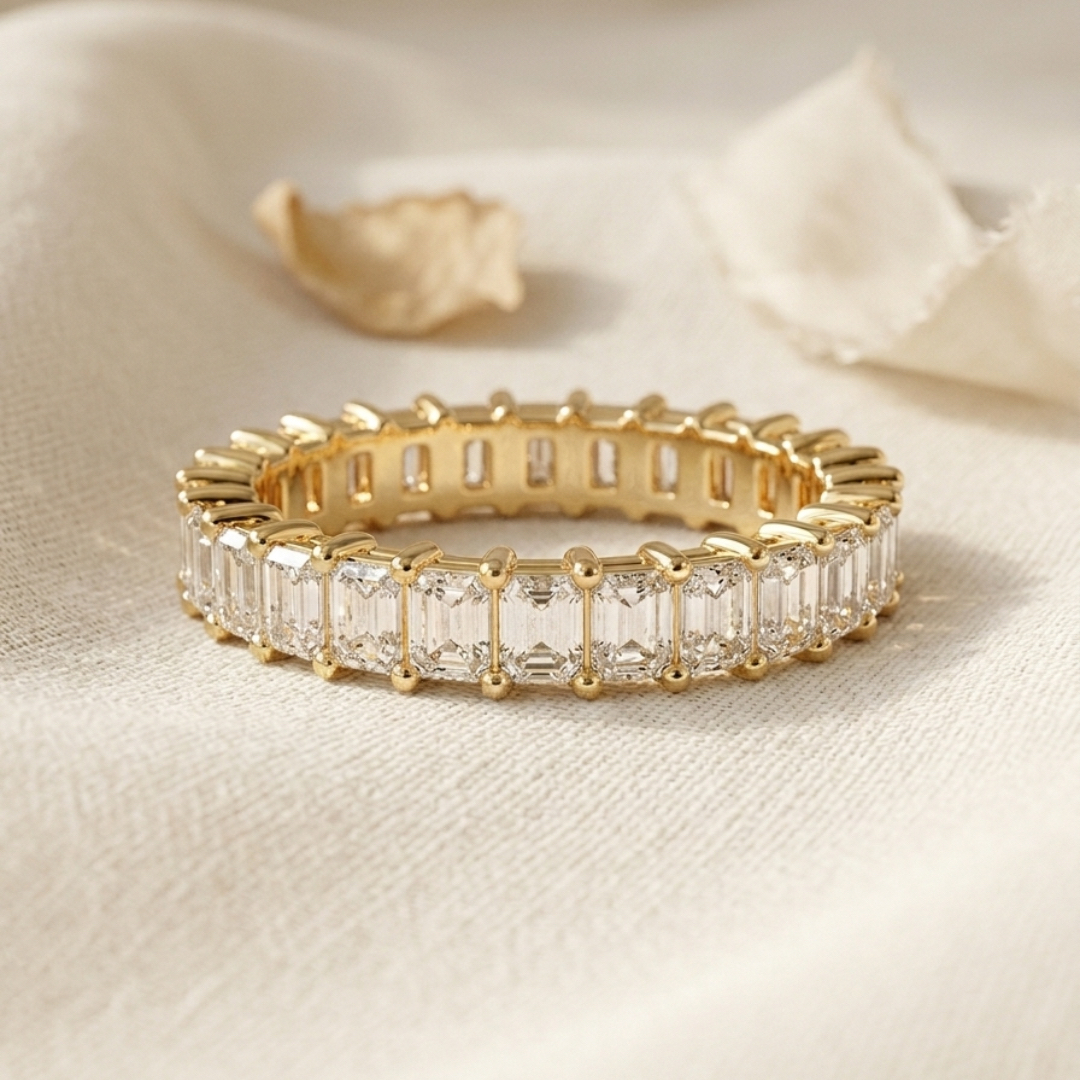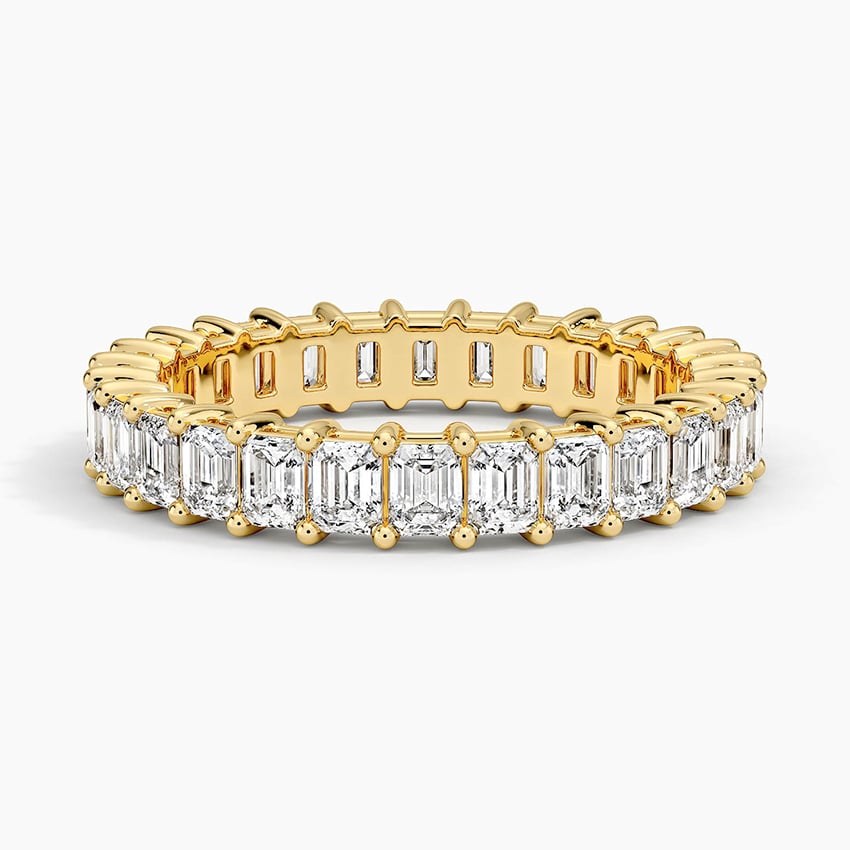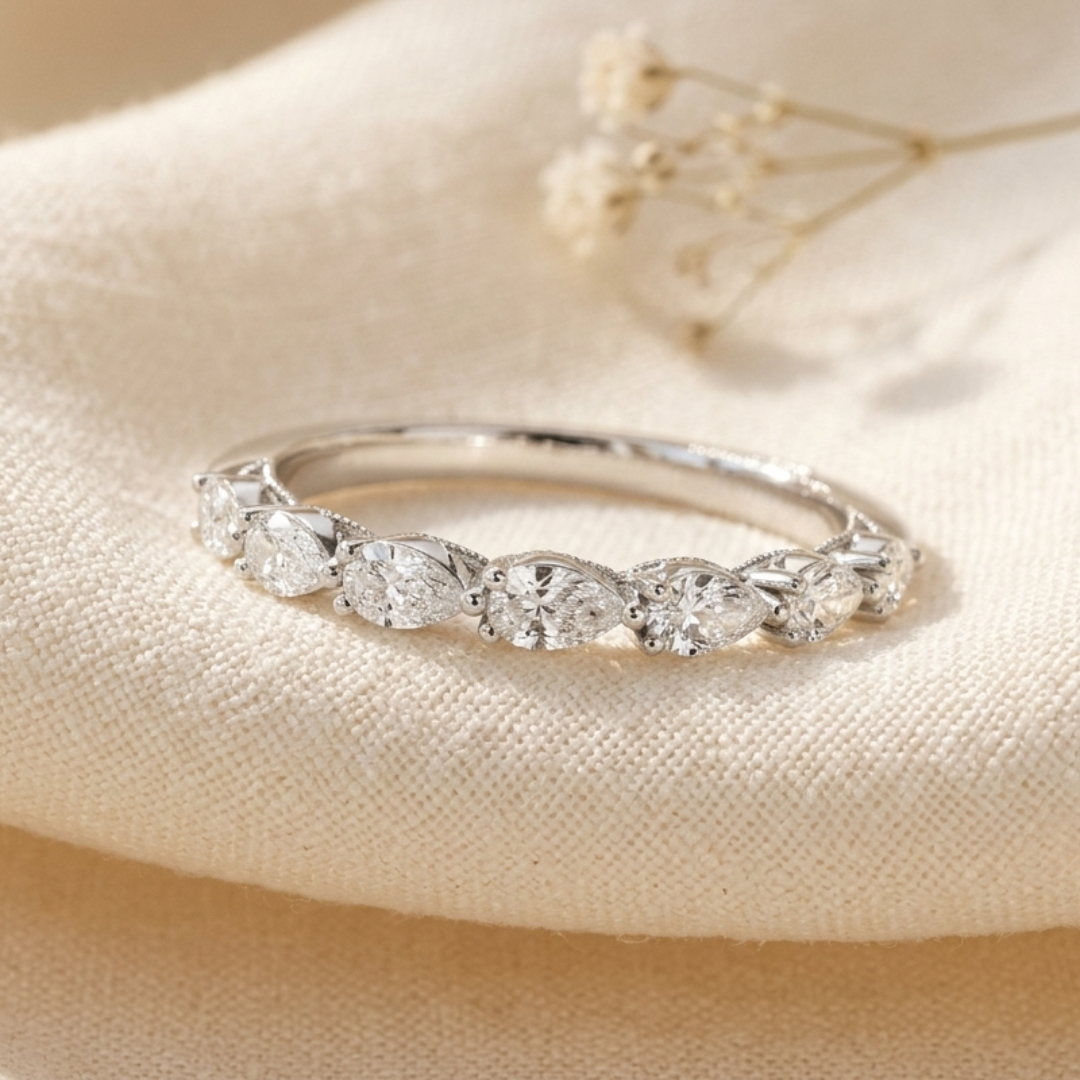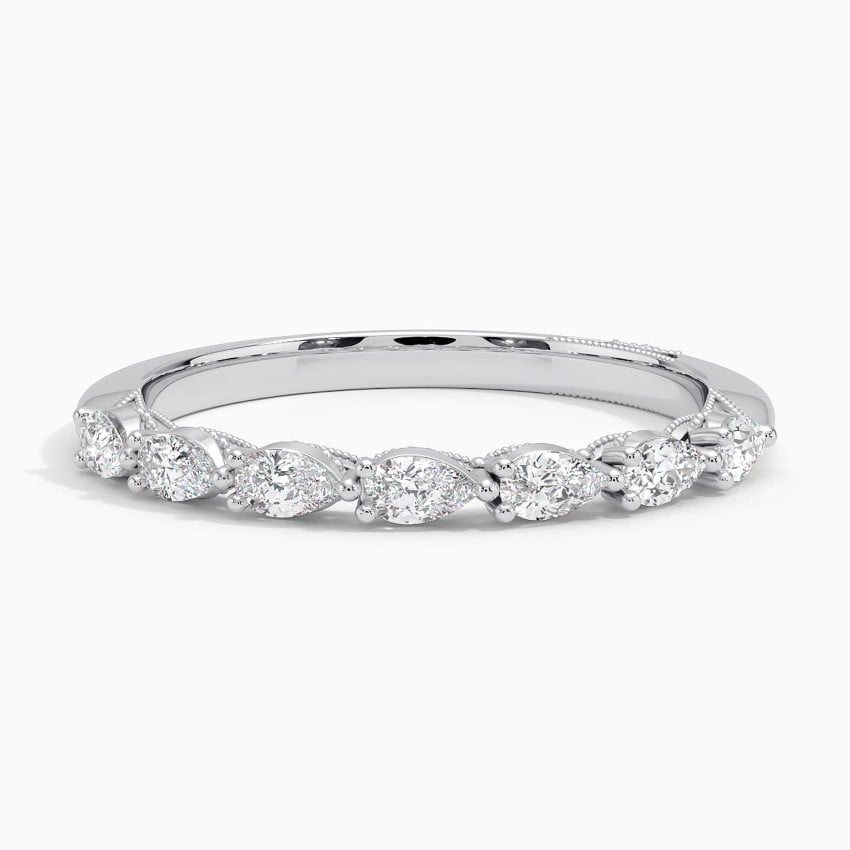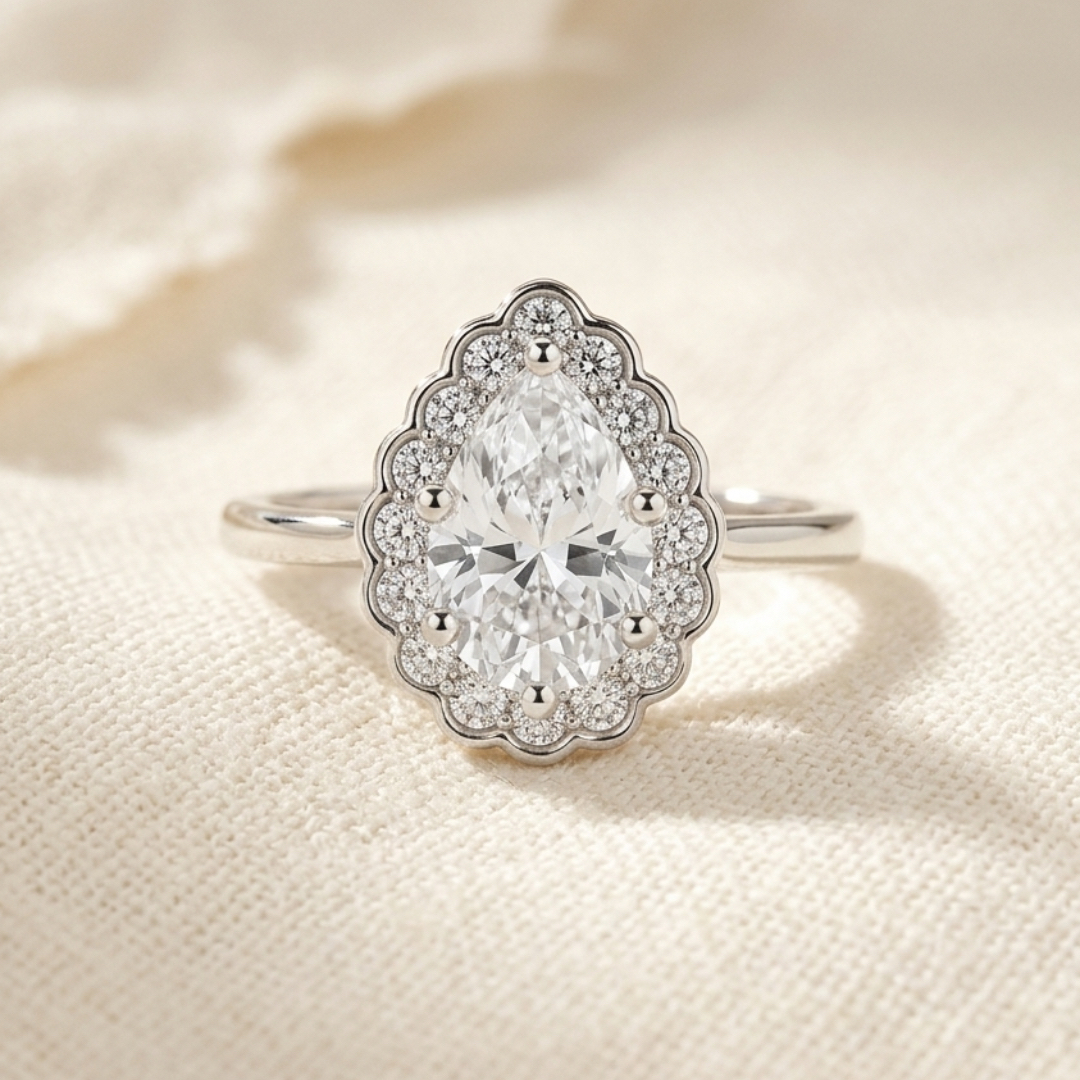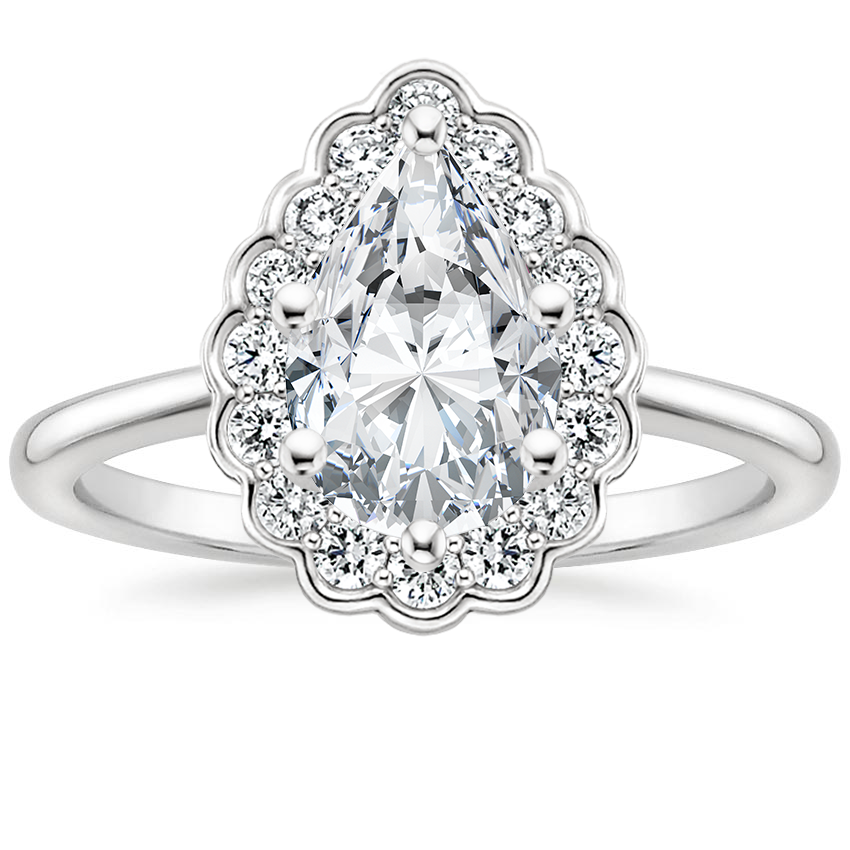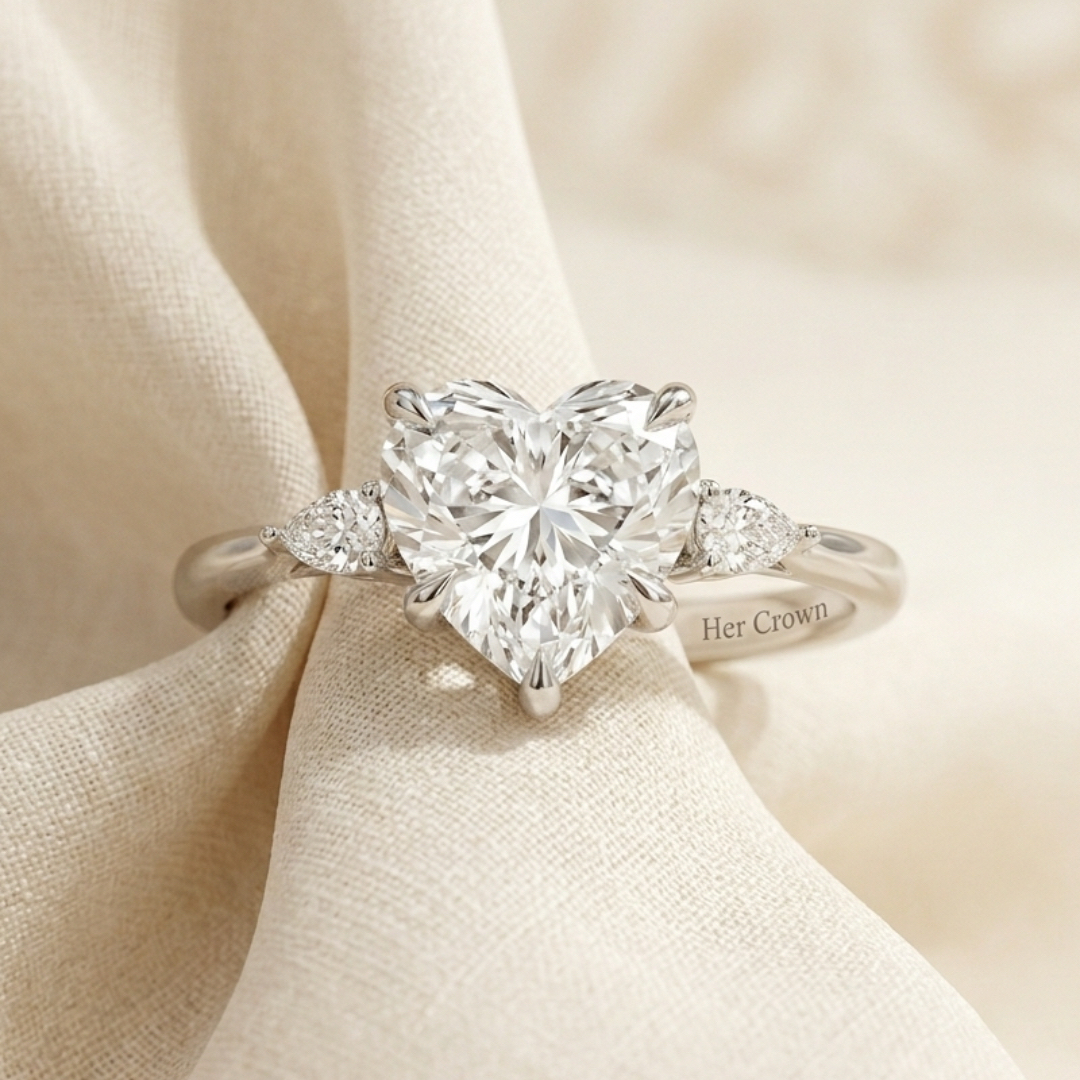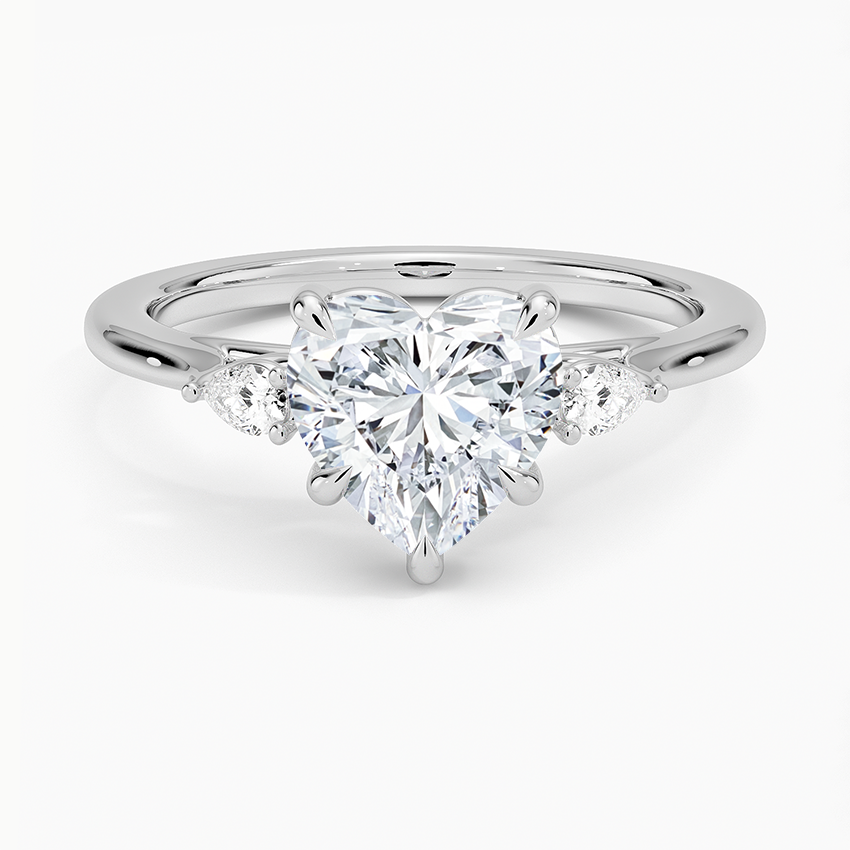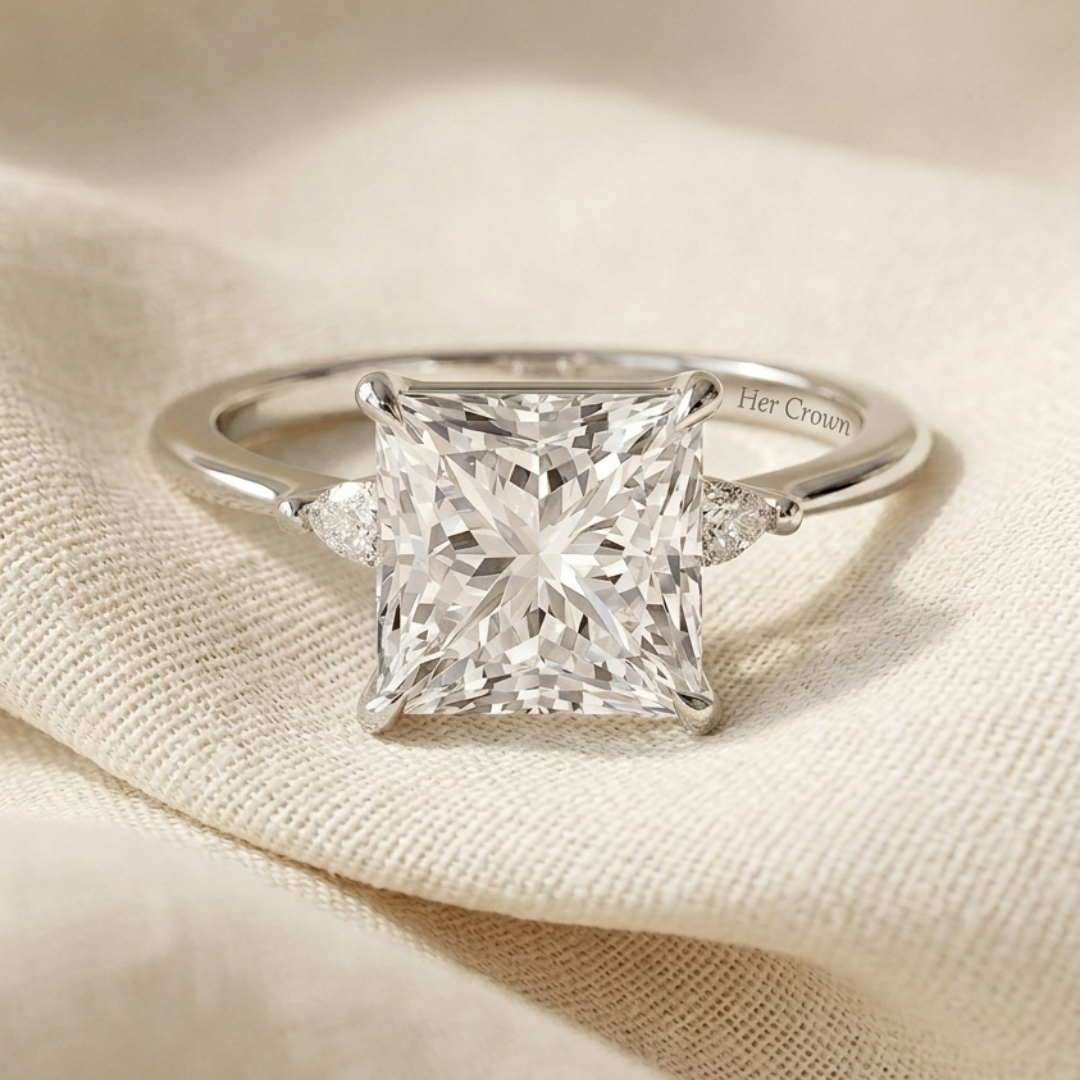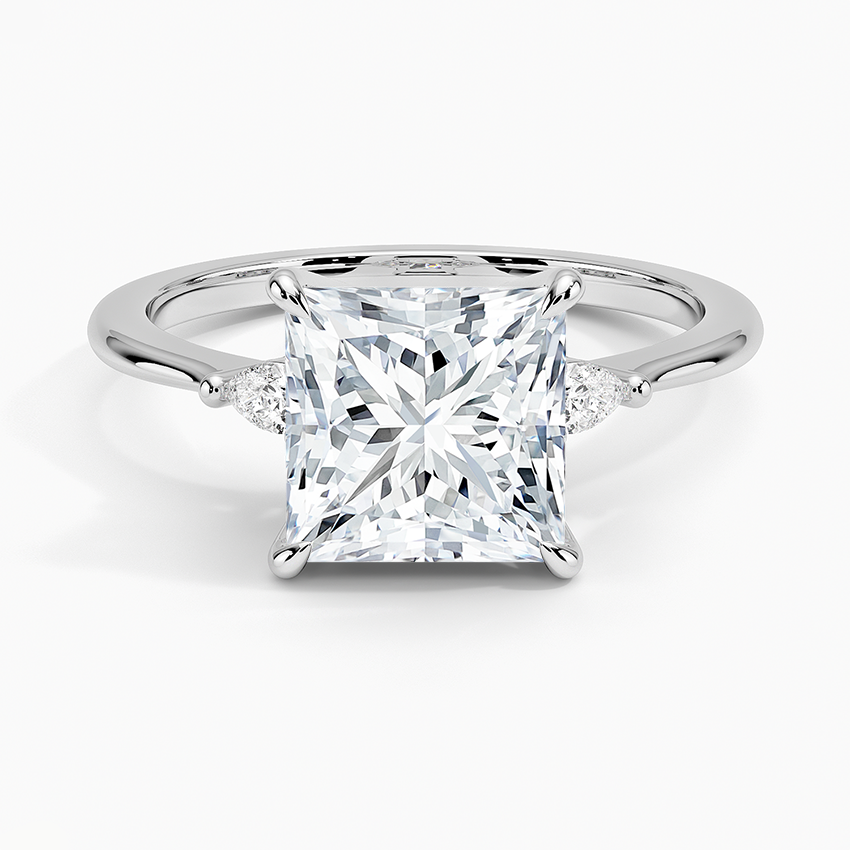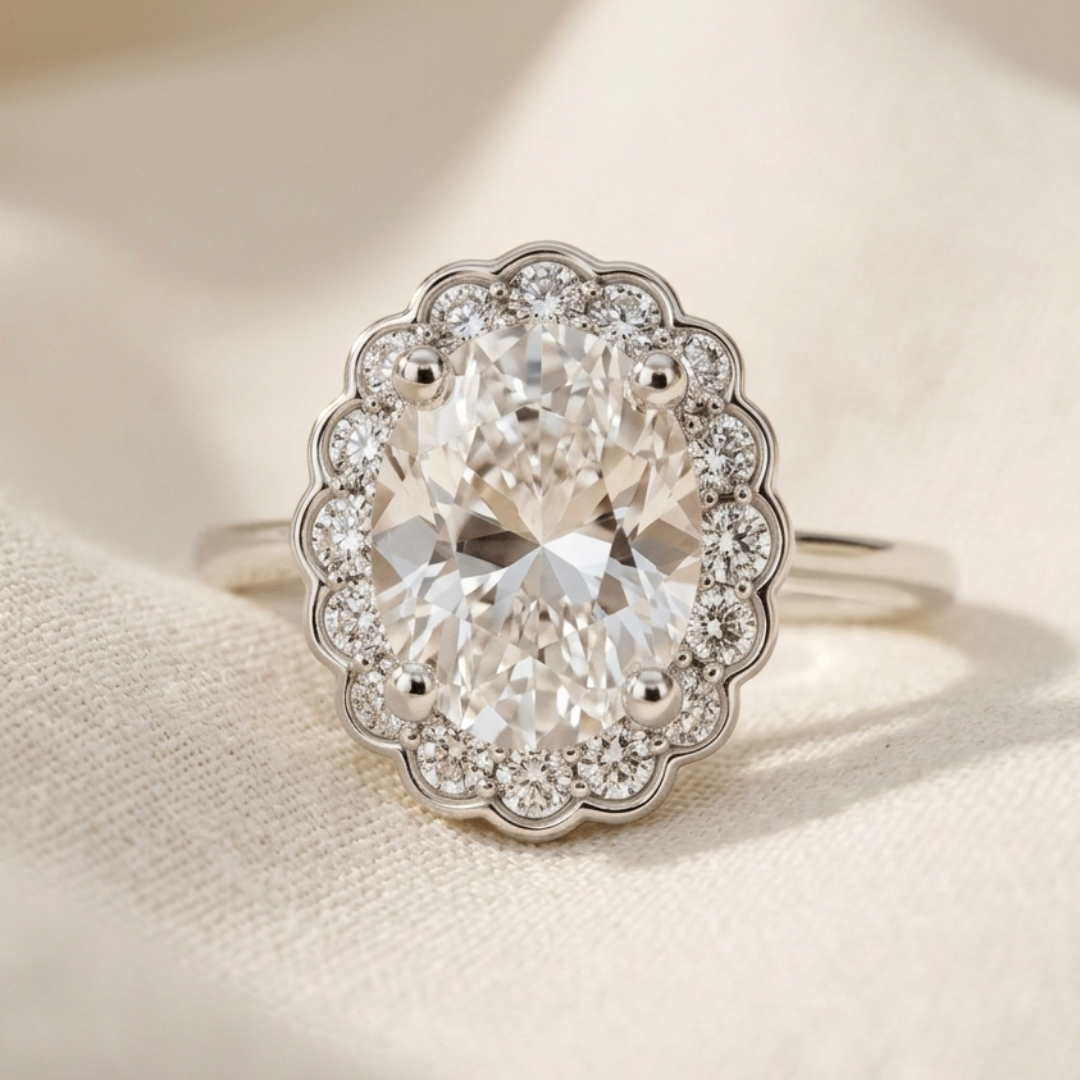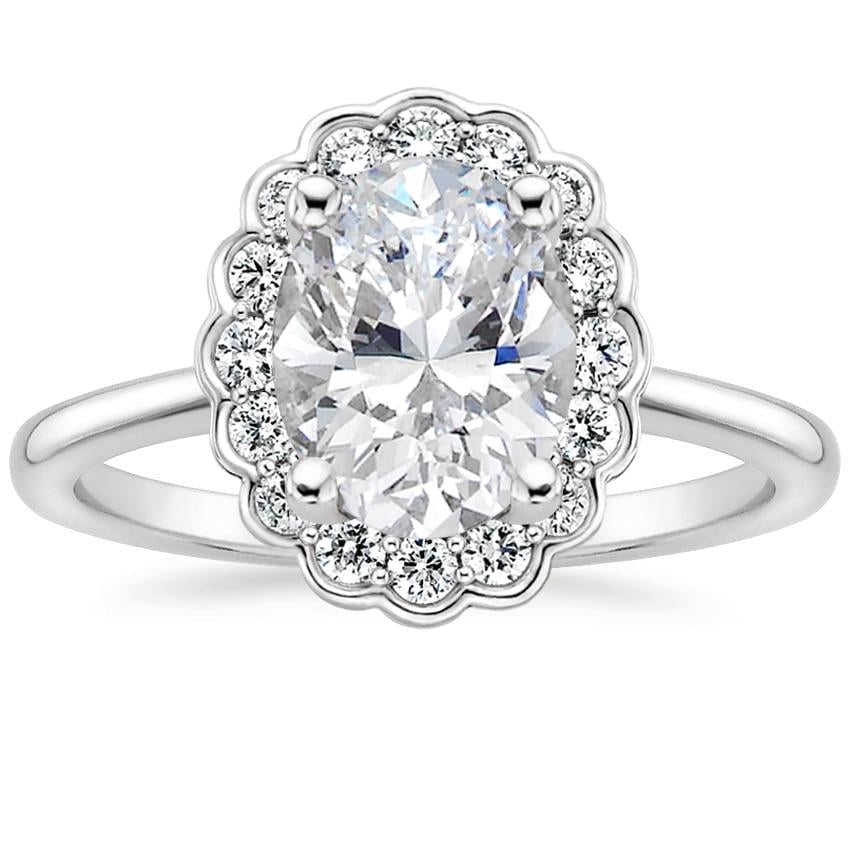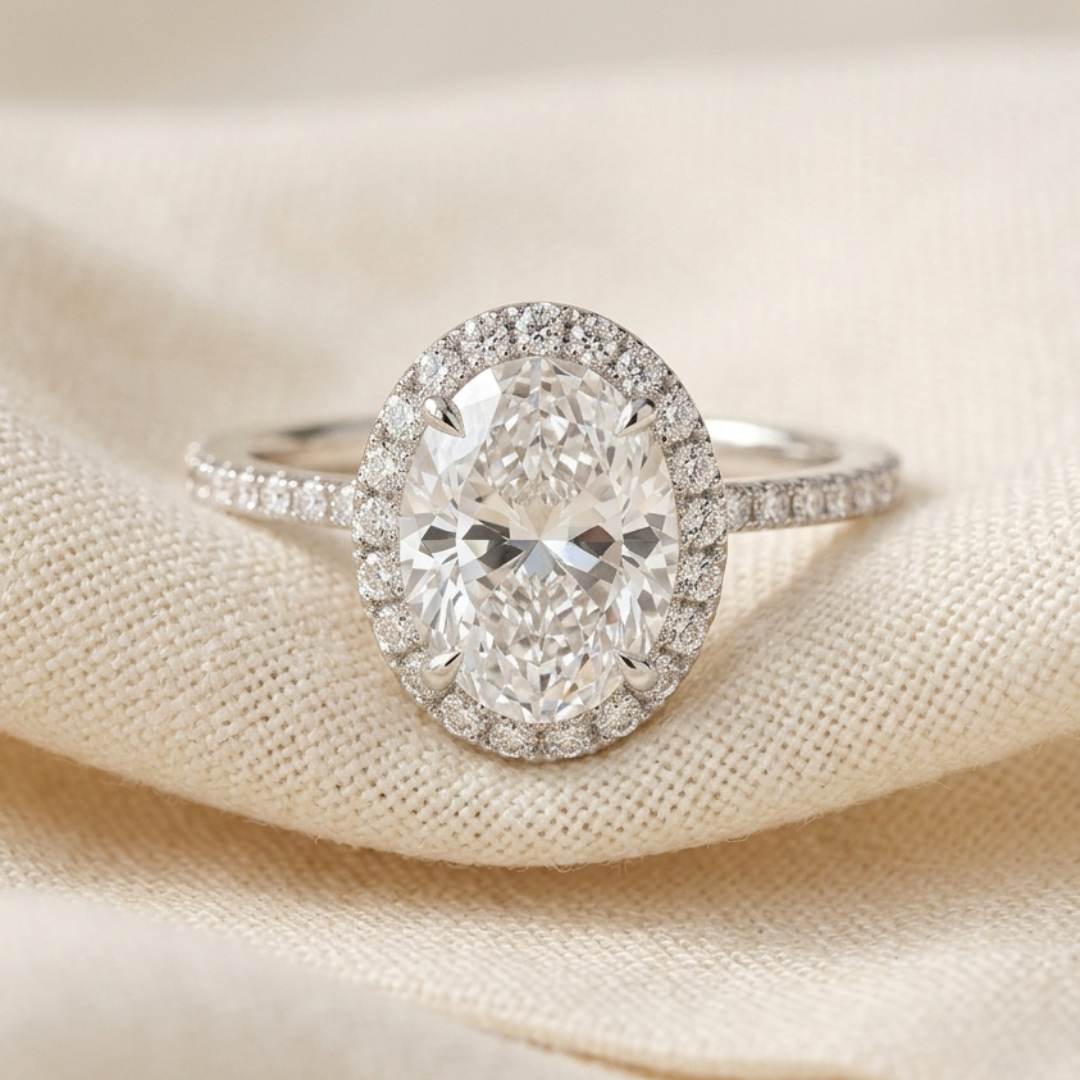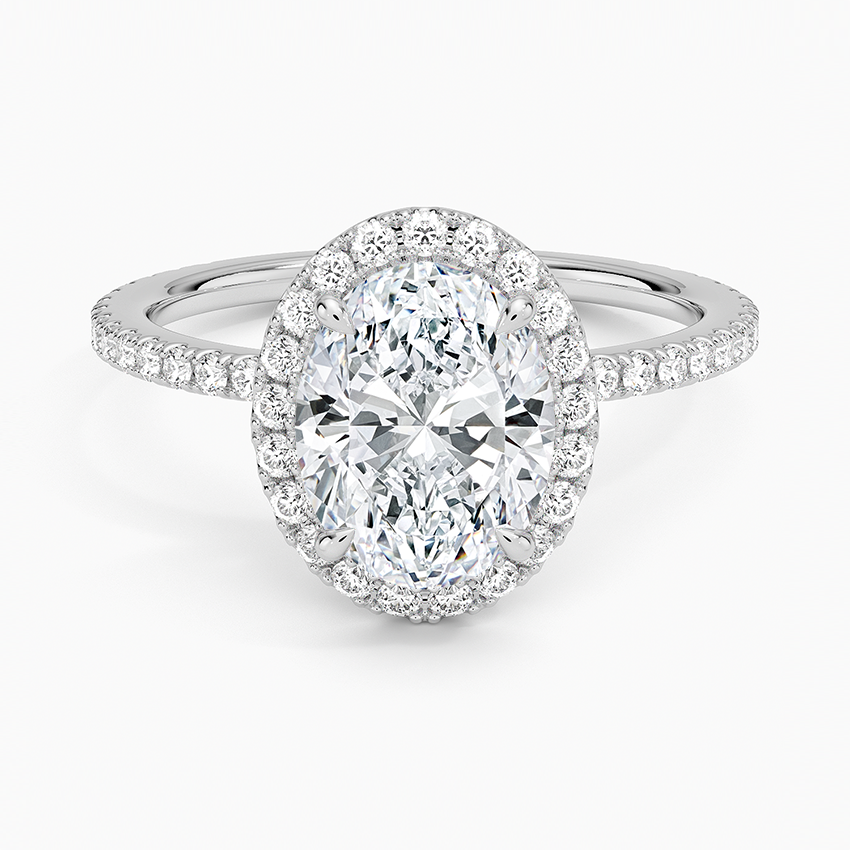
When choosing a diamond ring, most attention goes to the stone — its brilliance, clarity, and cut.
However, the ring metal is equally important. The material of your ring affects durability, comfort, long-term value, skin sensitivity, and how your jewelry ages over time.
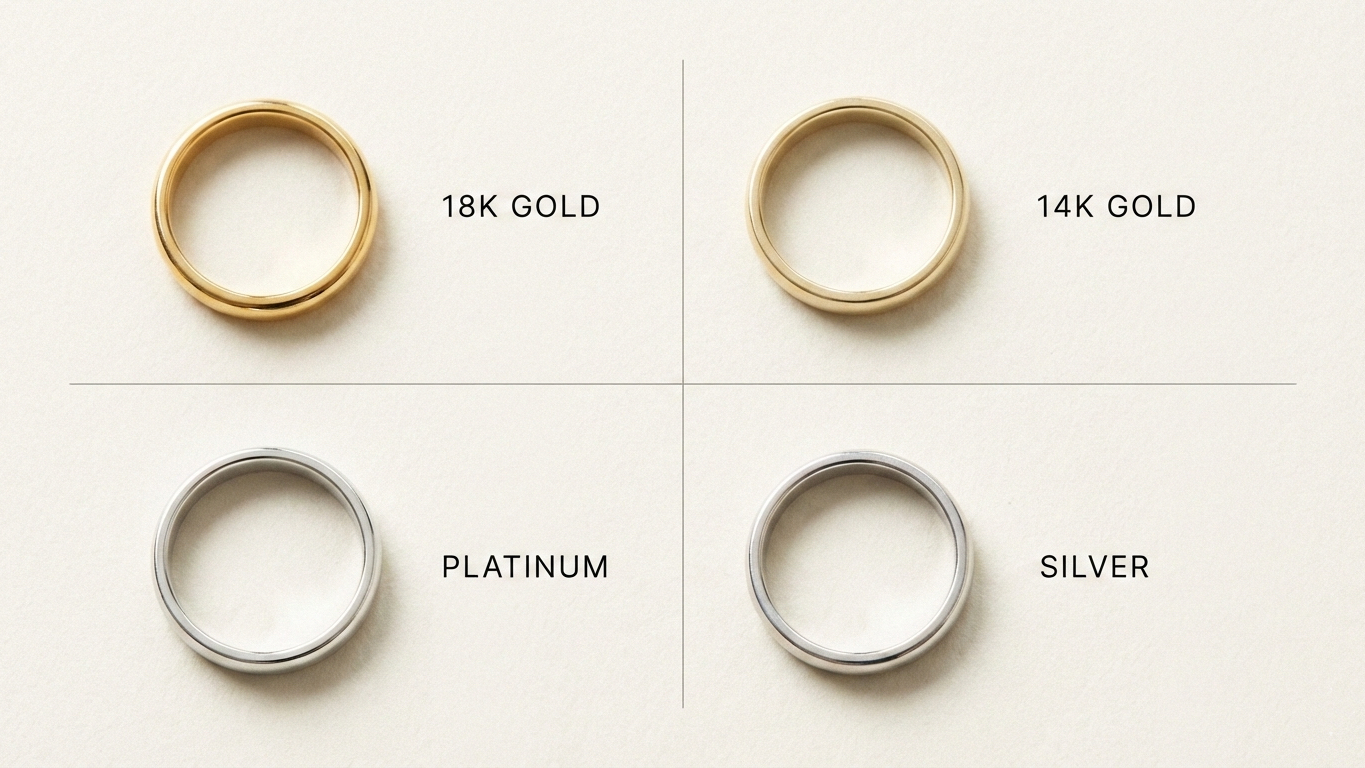
If you are comparing 18K gold, 14K gold, platinum, gold-plated jewelry, and silver, this guide will help you understand the pros and cons of each — so you can make a confident, informed decision.
At Her Crown, we believe material selection should reflect intention, not compromise.
Why Ring Metal Matters
The metal of your ring:
• Determines structural strength
• Affects daily wear durability
• Influences skin sensitivity
• Impacts long-term maintenance
• Reflects the overall quality of the piece
A high-grade diamond deserves a setting that matches its standard.
Let’s examine the most common fine jewelry metals.
1. 18K Gold — Luxury, Purity, and Long-Term Value
Composition: 75% pure gold + 25% alloy metals
18K gold is considered the premium standard for fine jewelry worldwide.
Pros of 18K Gold:
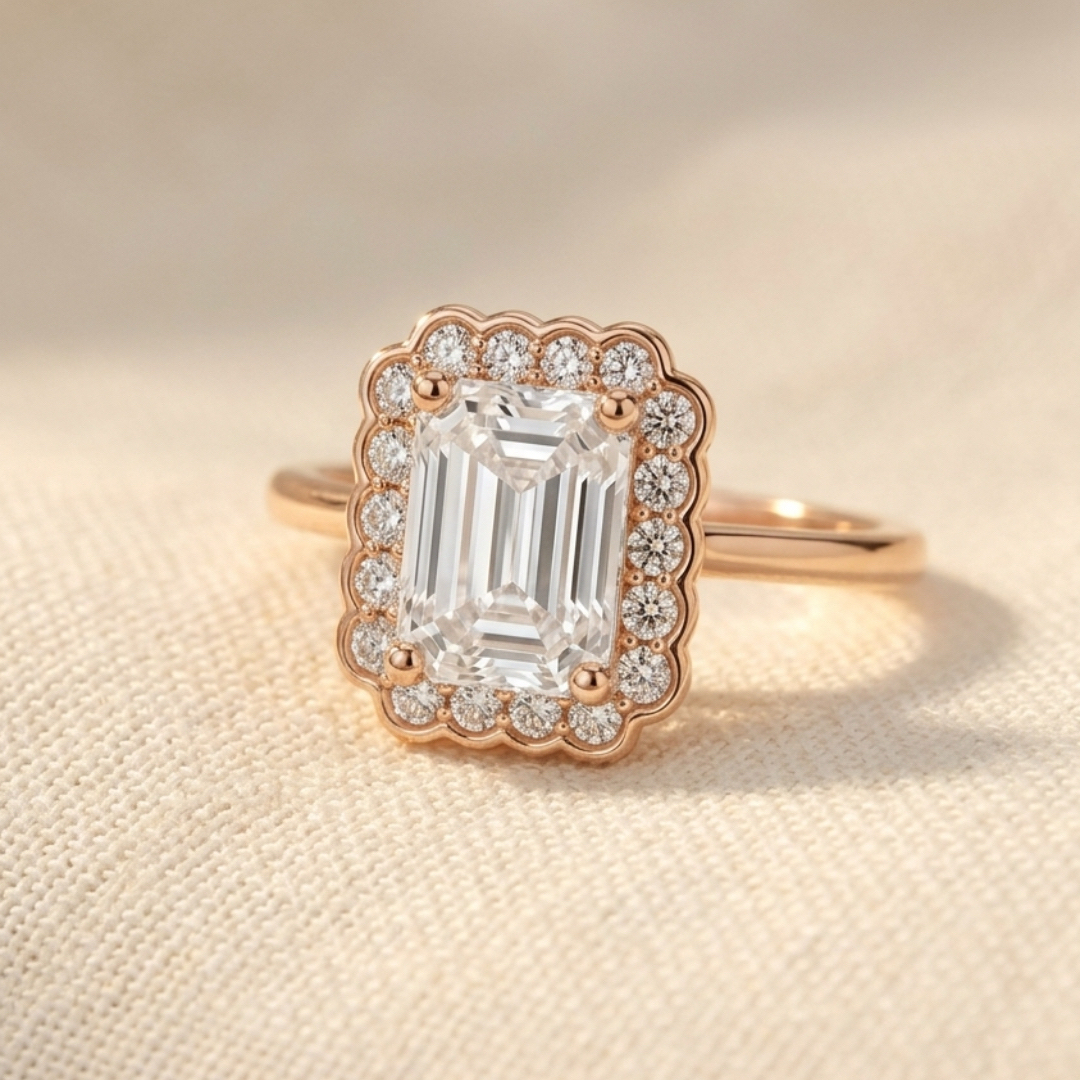
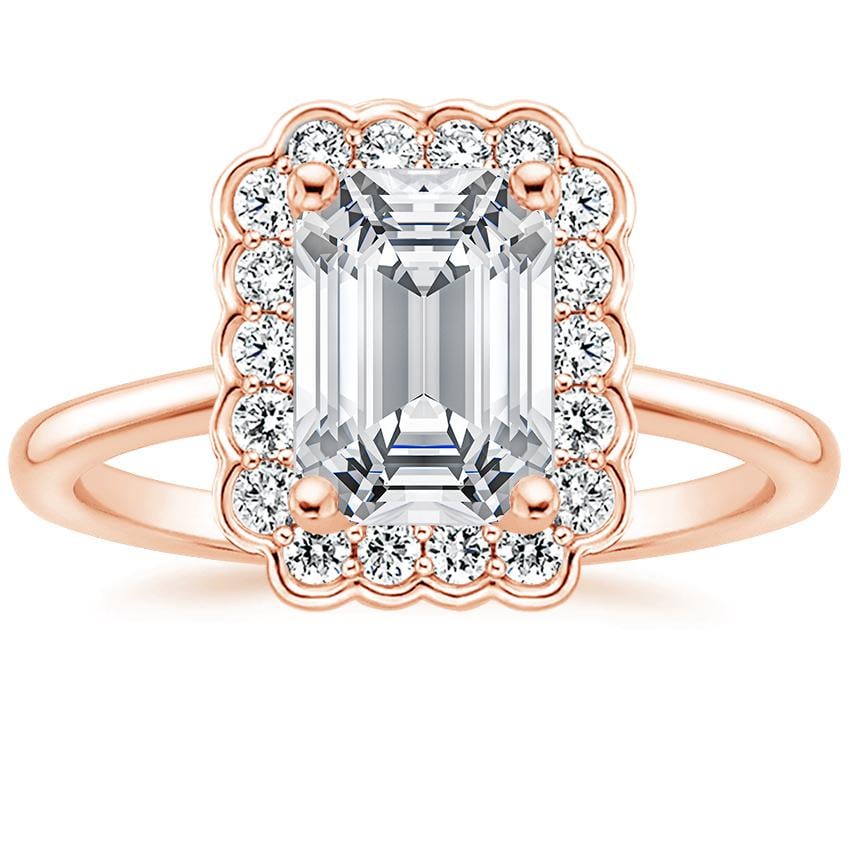
• Rich, warm color with a refined appearance
• High gold content increases intrinsic value
• More resistant to tarnish than lower-karat gold
• Hypoallergenic for most skin types
• Ages beautifully over time
Cons of 18K Gold:
• Slightly softer than 14K gold
• Higher cost due to gold content
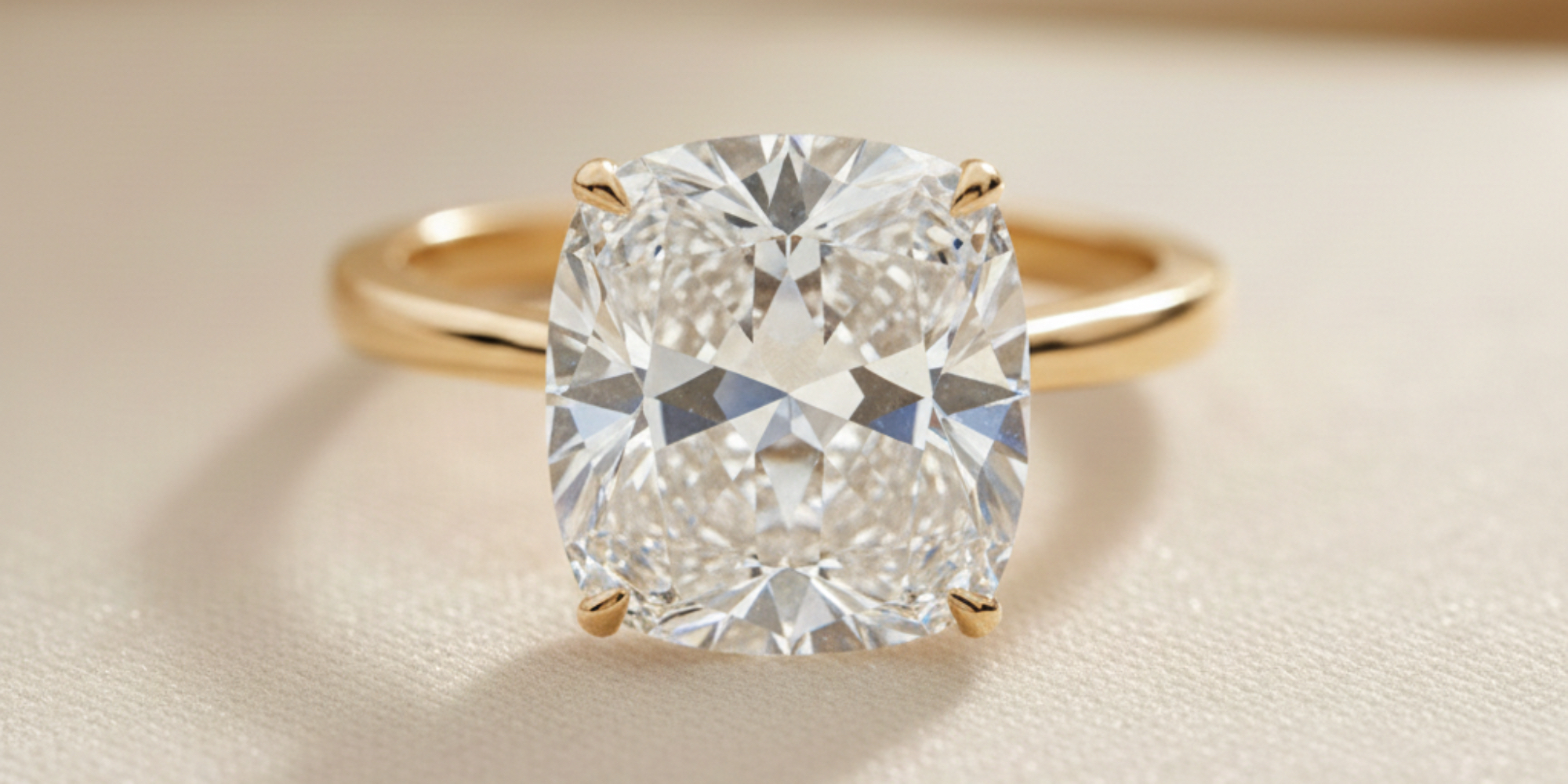
Because it contains more pure gold, 18K has a deeper, more luxurious tone compared to 14K. When crafted correctly, it is perfectly suitable for daily wear.
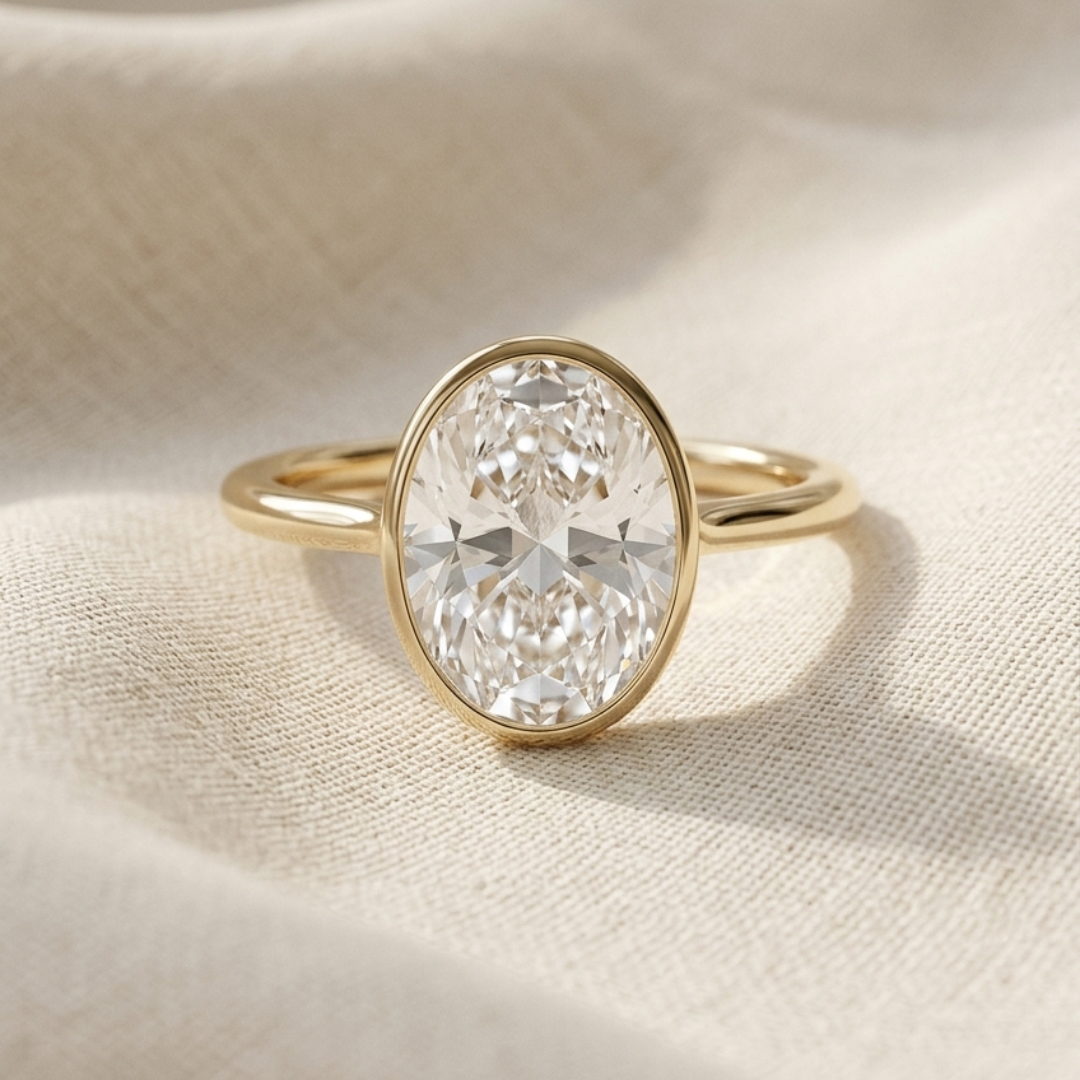
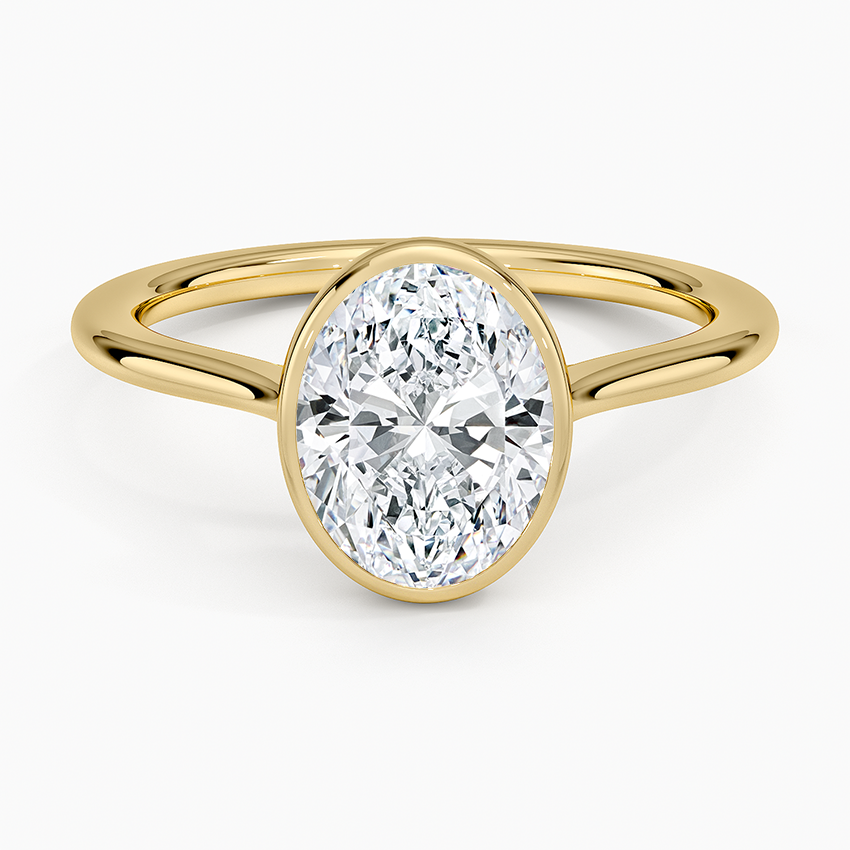
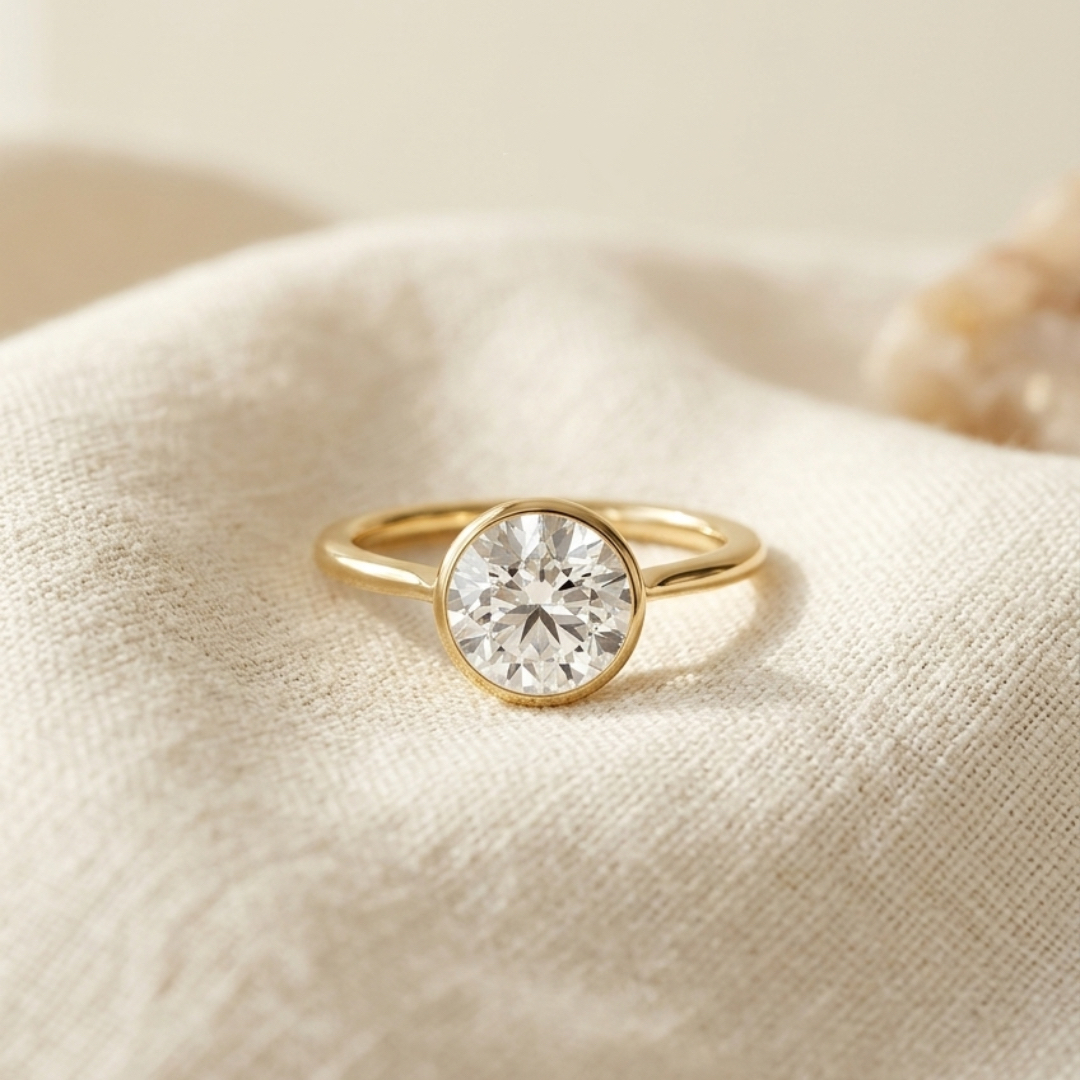
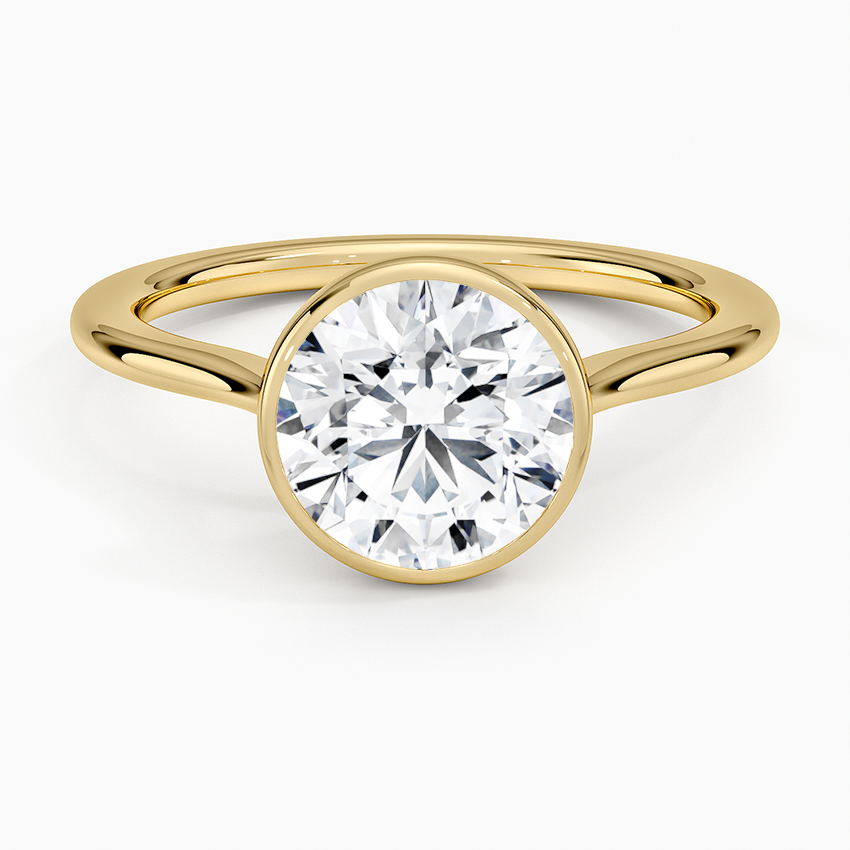
At Her Crown, we use solid 18K gold only — never gold-plated or gold-filled.
Our D color, VVS1 diamonds deserve a setting that reflects the same uncompromising standard.
2. 14K Gold — Durable and Commercially Popular
Composition: 58.5% pure gold + 41.5% alloy metals
14K gold is widely used in commercial jewelry due to its balance between cost and strength.
Pros of 14K Gold:
• More scratch-resistant than 18K
• More affordable
• Durable for daily wear
Cons of 14K Gold:
• Lighter color tone
• Lower intrinsic gold value
• Higher alloy content may cause skin sensitivity for some
14K gold is practical and accessible. However, it does not carry the same richness or purity as 18K gold.
3. Platinum — Rare, Dense, and Naturally White
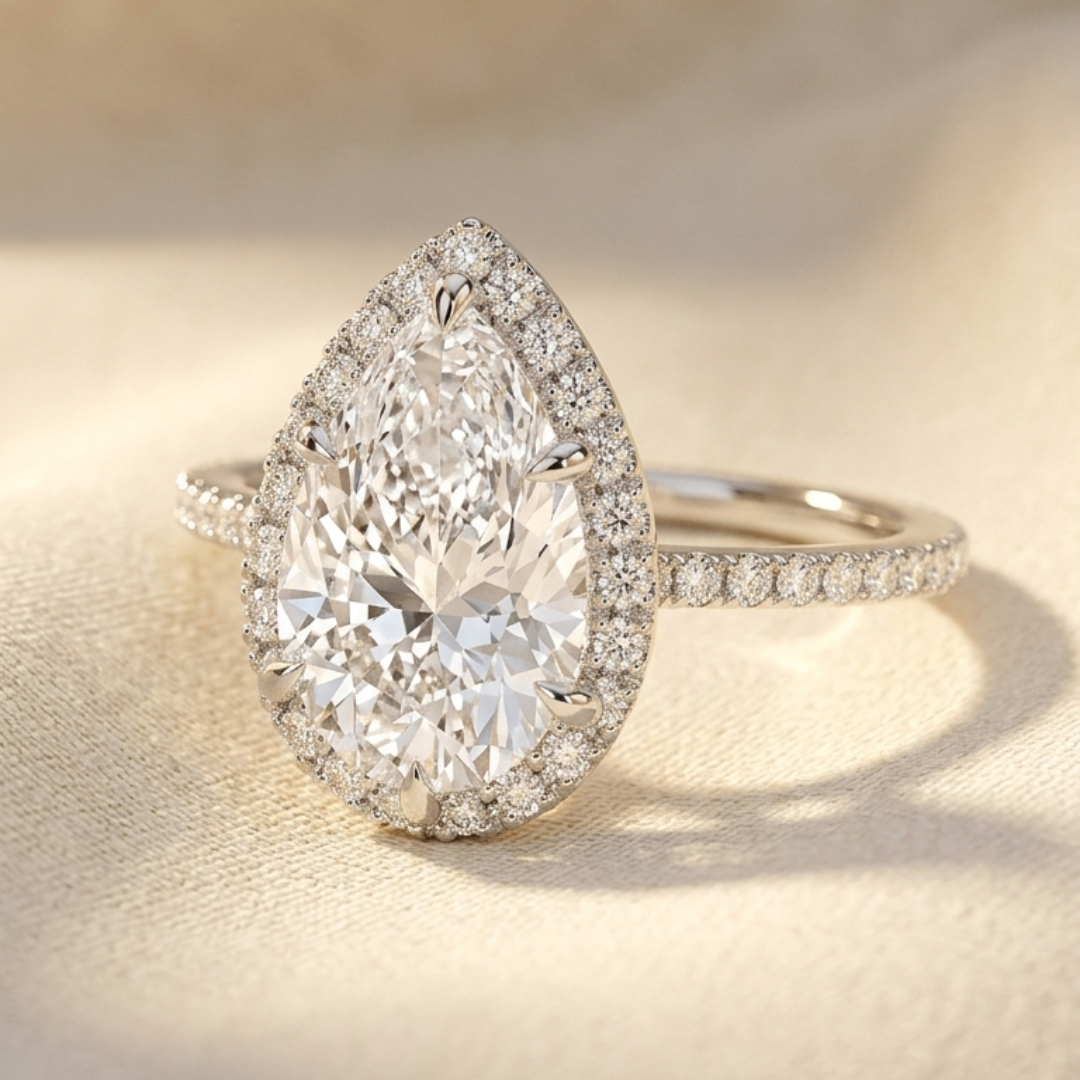
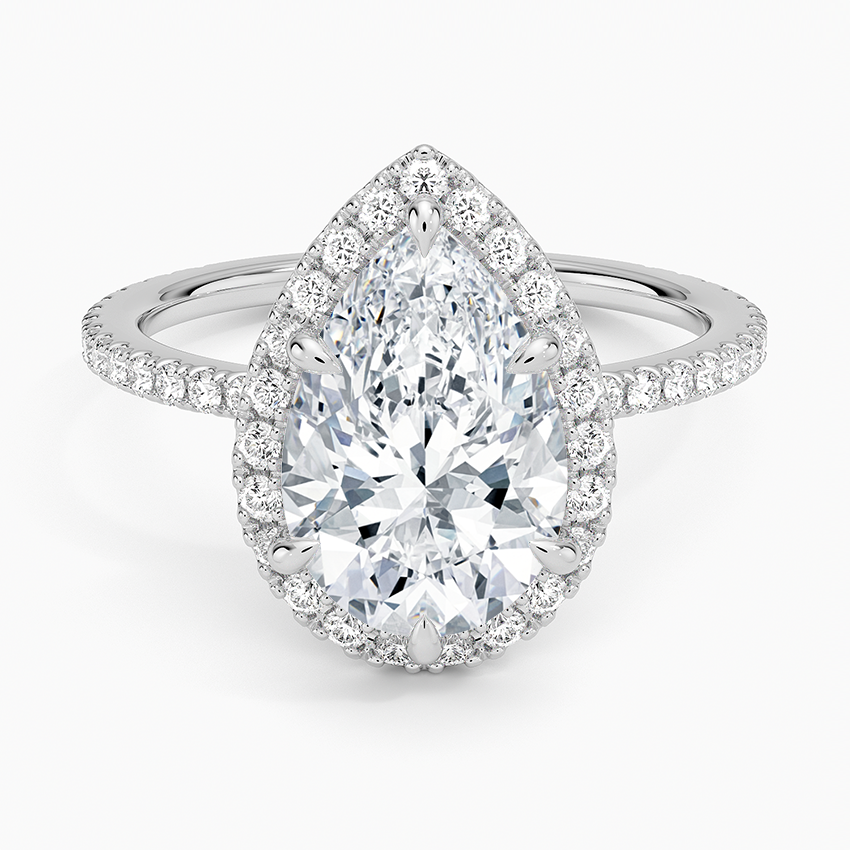
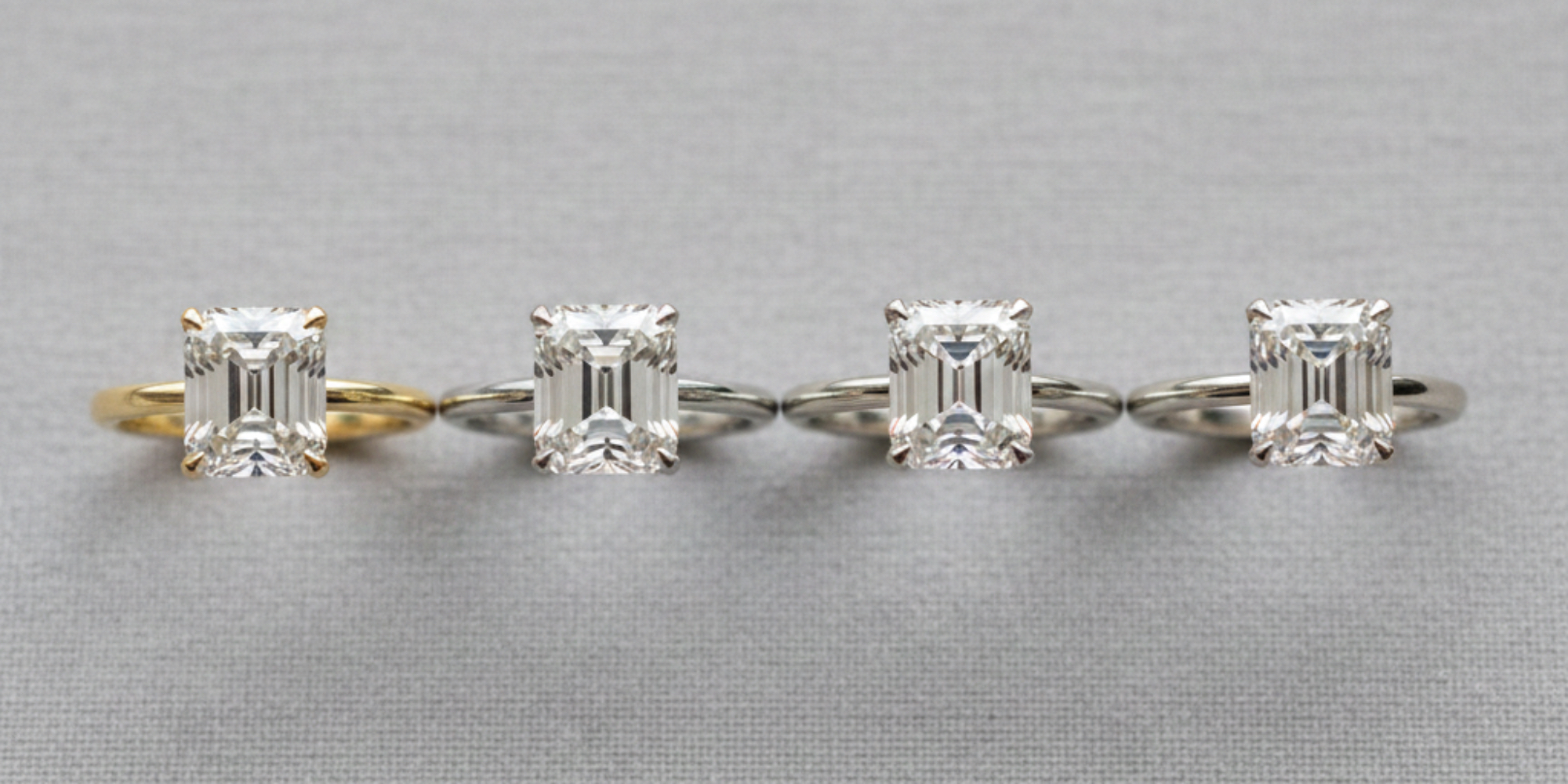
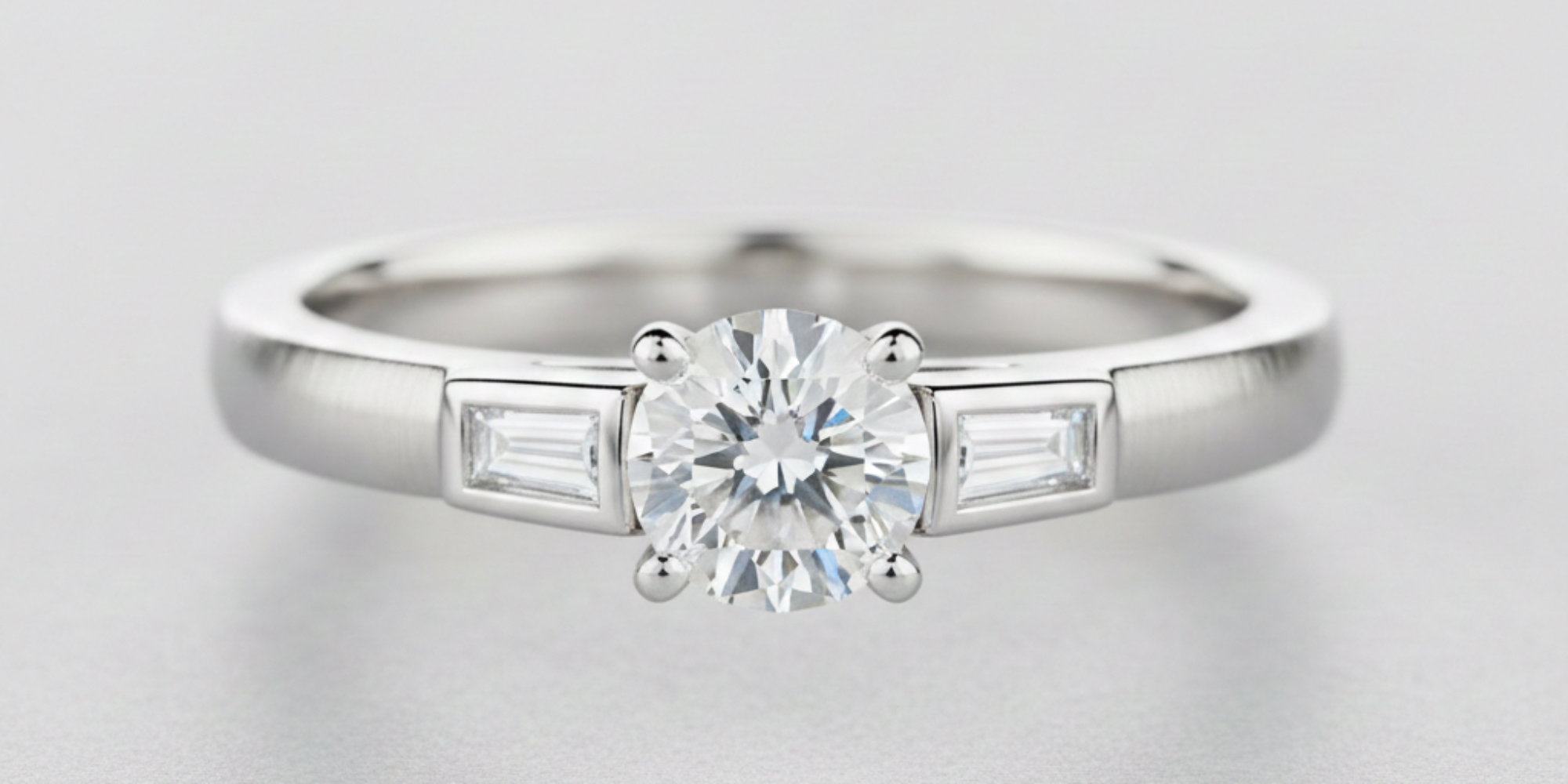
Platinum is a naturally white precious metal and one of the most durable options for fine jewelry.
Pros of Platinum:
• Extremely durable and dense
• Naturally white (does not require rhodium plating)
• Hypoallergenic
• Develops a soft patina over time
Cons of Platinum:
• Heavier than gold
• Significantly more expensive
• Can develop surface scratches (patina)
• Requires professional polishing to restore shine
Platinum is often chosen for its rarity and density. However, its weight and cost make it less common for everyday fine jewelry compared to gold.
For customers who prefer a lighter, warmer tone with timeless refinement, 18K gold remains a preferred choice.
4. Sterling Silver — Affordable but High Maintenance
Composition: 92.5% silver + 7.5% alloy
Sterling silver is commonly used in fashion jewelry.
Pros of Silver:
• Affordable
• Bright white appearance
• Lightweight
Cons of Silver:
• Tarnishes easily
• Requires frequent polishing
• Softer and more prone to bending
• Less secure for high-value diamonds
Silver is suitable for trend jewelry, but it is rarely recommended for high-grade diamond engagement or milestone rings.
5. Gold-Plated Jewelry — Temporary Beauty
Gold-plated jewelry consists of a thin layer of gold applied over a base metal such as brass.
Pros:
• Very affordable
• Trend-friendly
• Visually similar to solid gold initially
Cons:
• Gold layer wears off over time
• Can fade or discolor
• Not considered fine jewelry
• May cause skin irritation
Gold-plated jewelry is designed for short-term fashion — not long-term legacy.
18K Gold vs 14K Gold vs Platinum: Which Is Best for a Diamond Ring?
There is no universal answer. The right choice depends on your priorities.
Choose 14K gold if:
You prioritize affordability and durability.
Choose platinum if:
You prefer weight, rarity, and a naturally white metal.
Choose 18K gold if:
You value purity, richness of color, long-term worth, and refined luxury.
Refined. Intentional. Without compromise.
Our customers choose Her Crown not for trends — but for meaningful moments and lasting value.
A diamond selected with discipline deserves a setting crafted with the same standard. Explore more here for Fine Diamond Rings with 18K Gold
Final Thoughts: Choosing with Intention
Your ring is not just a purchase. It is a reflection of a milestone — whether personal growth, commitment, or celebration.
Understanding ring materials allows you to choose with clarity.
Whether you select platinum, 14K gold, or 18K gold, the most important factor is alignment with your values.
At Her Crown, we choose 18K and 14K gold because we believe permanence should be matched with purity.