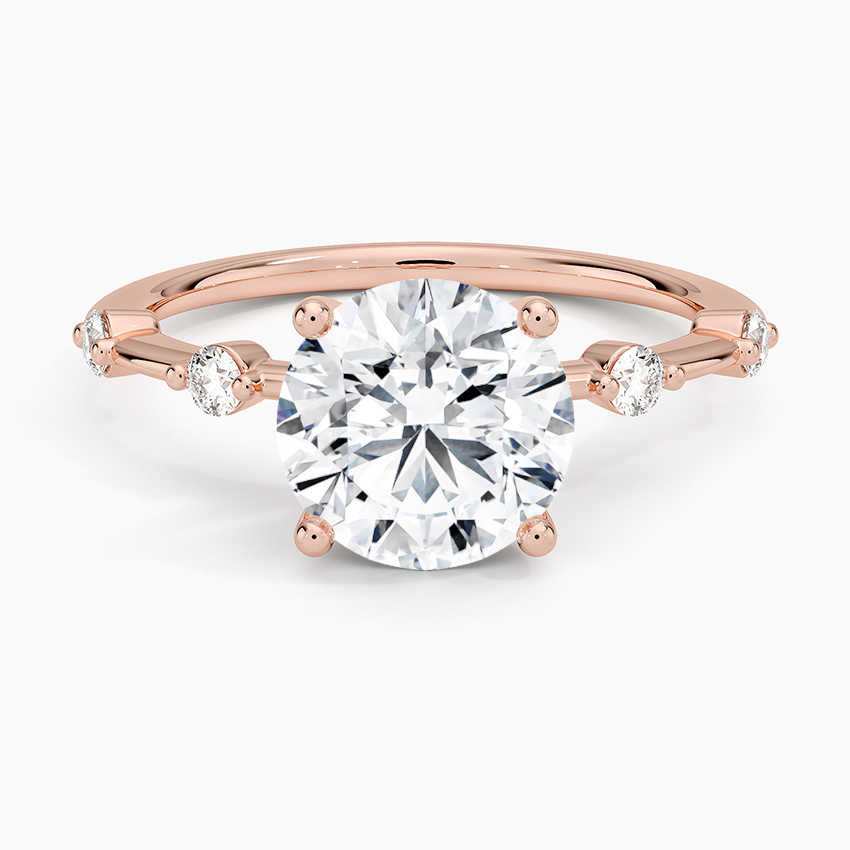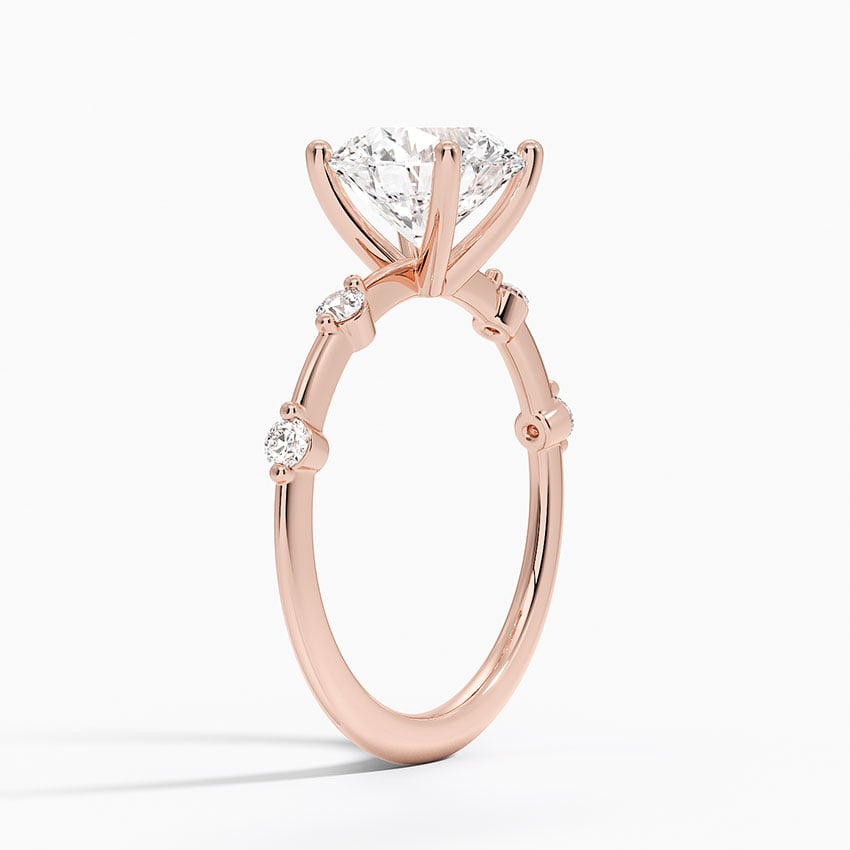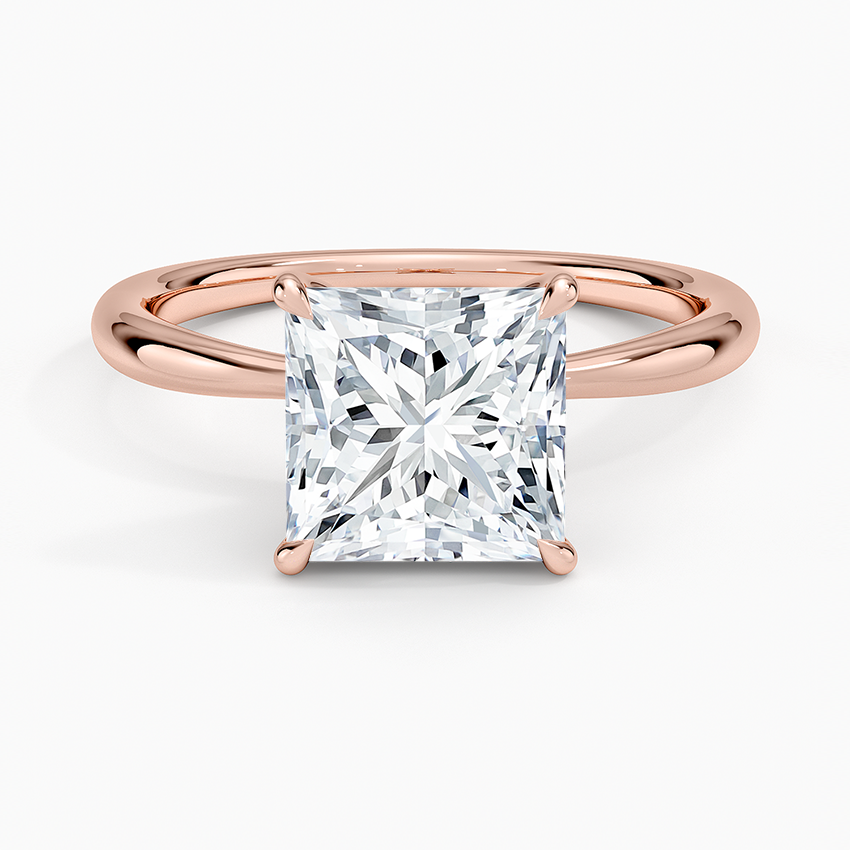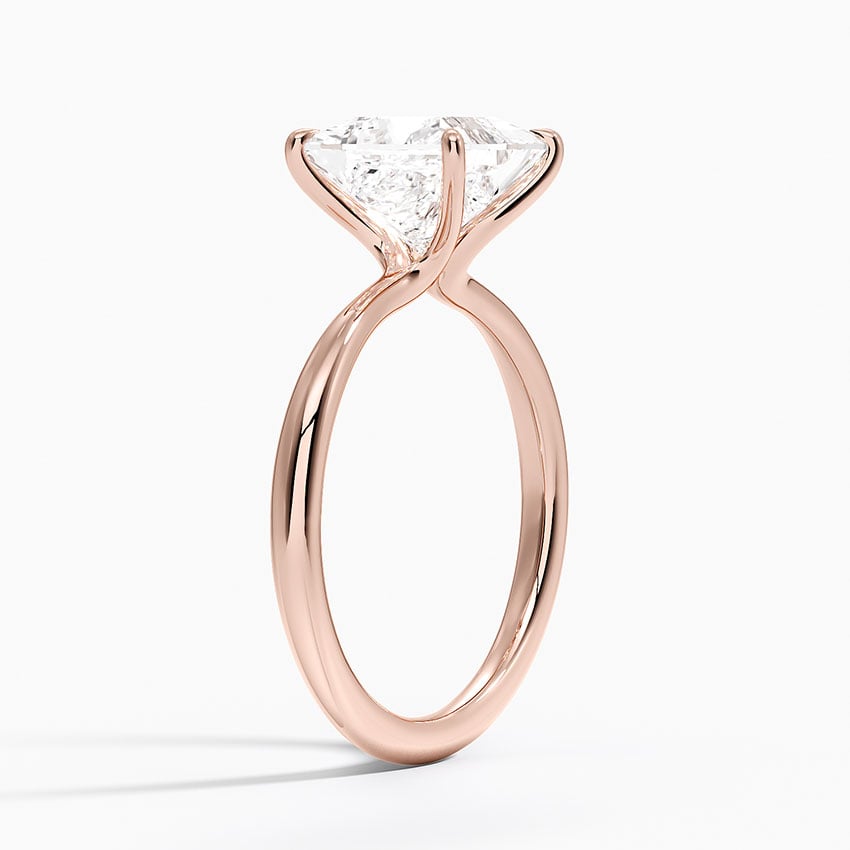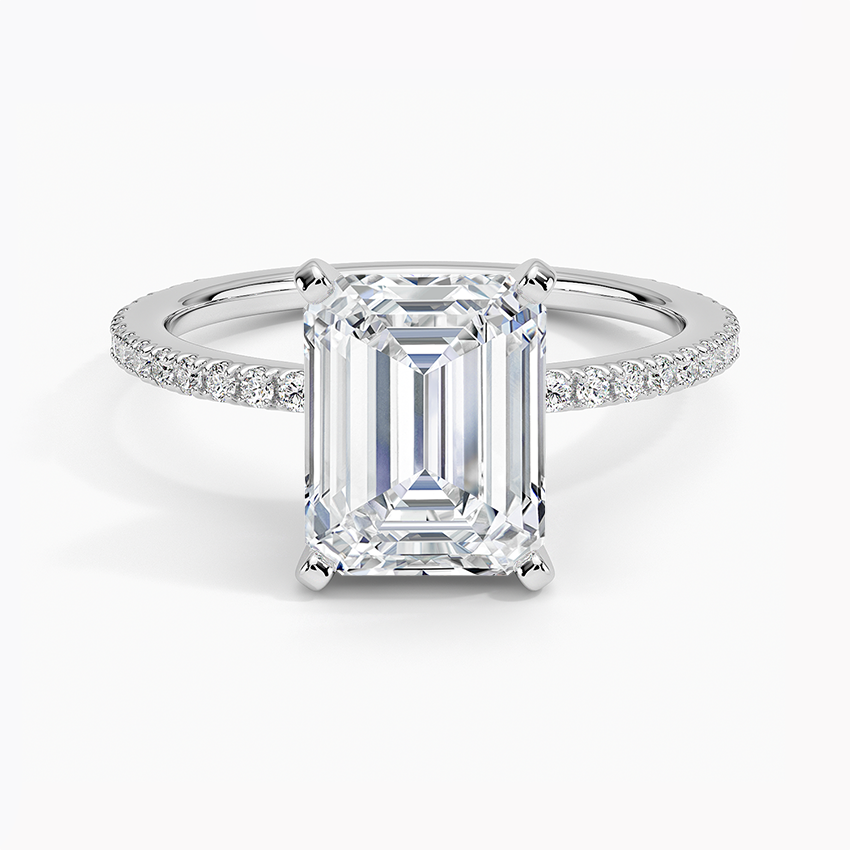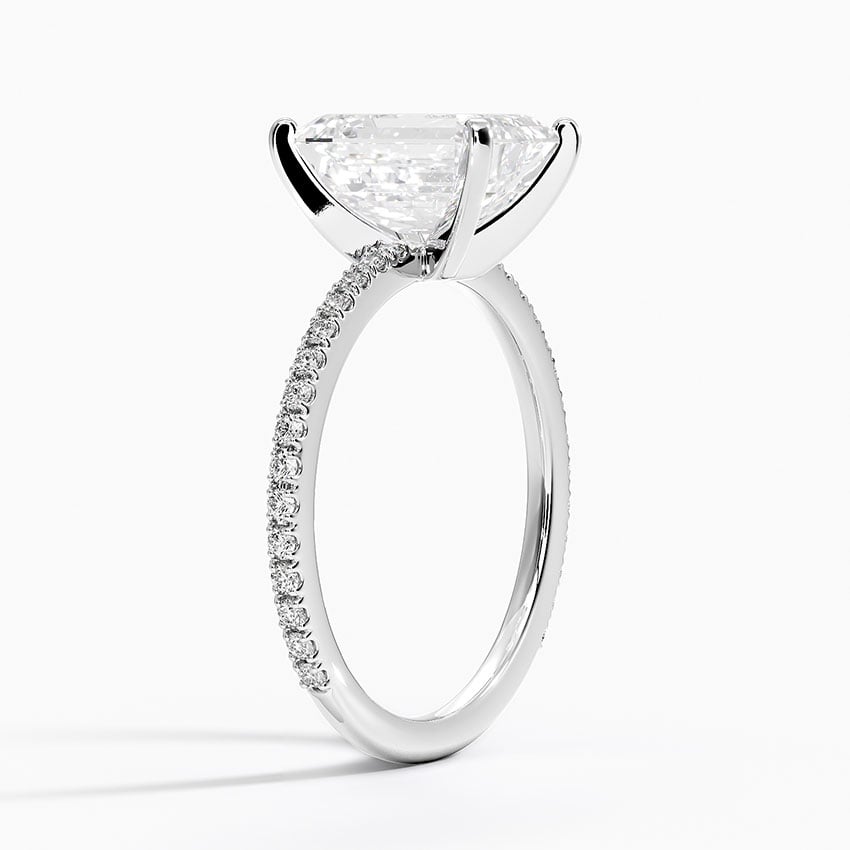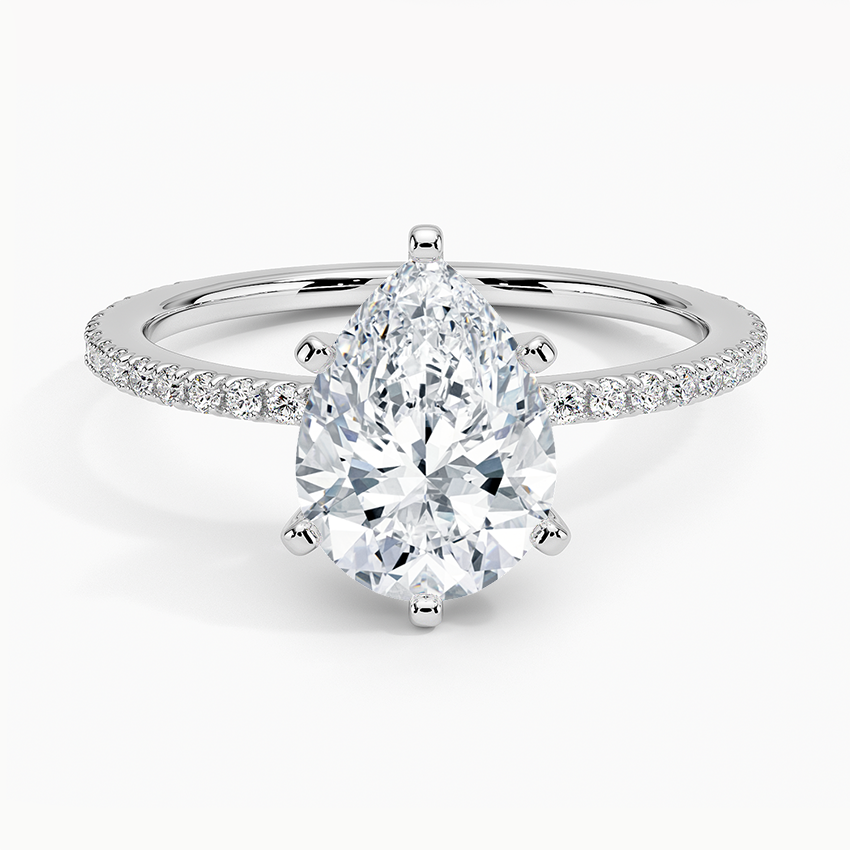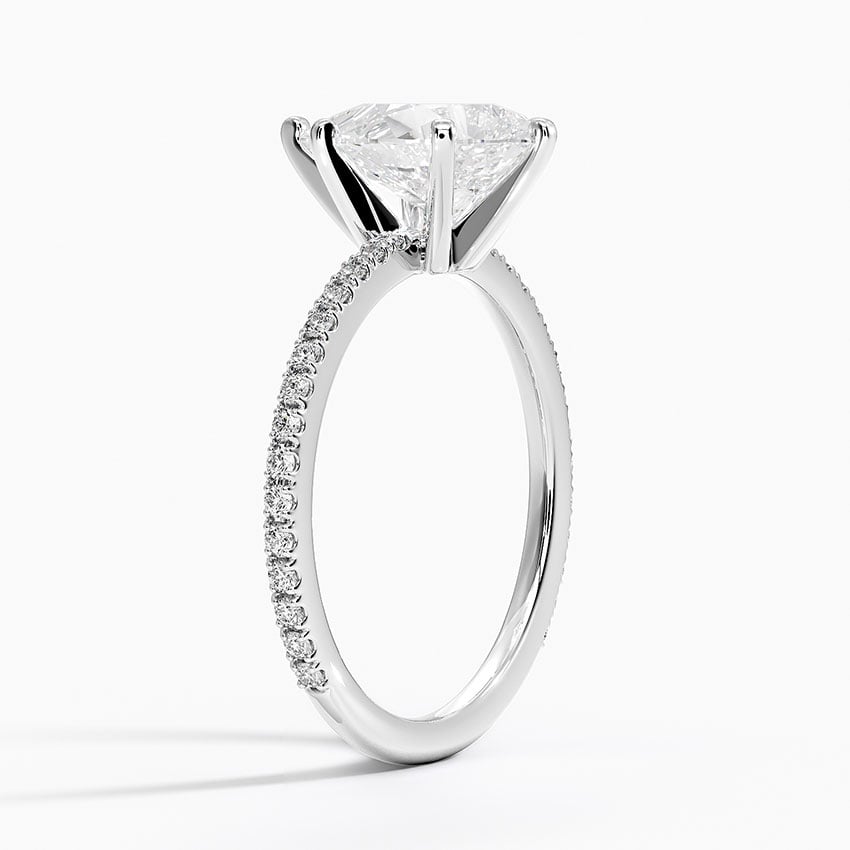
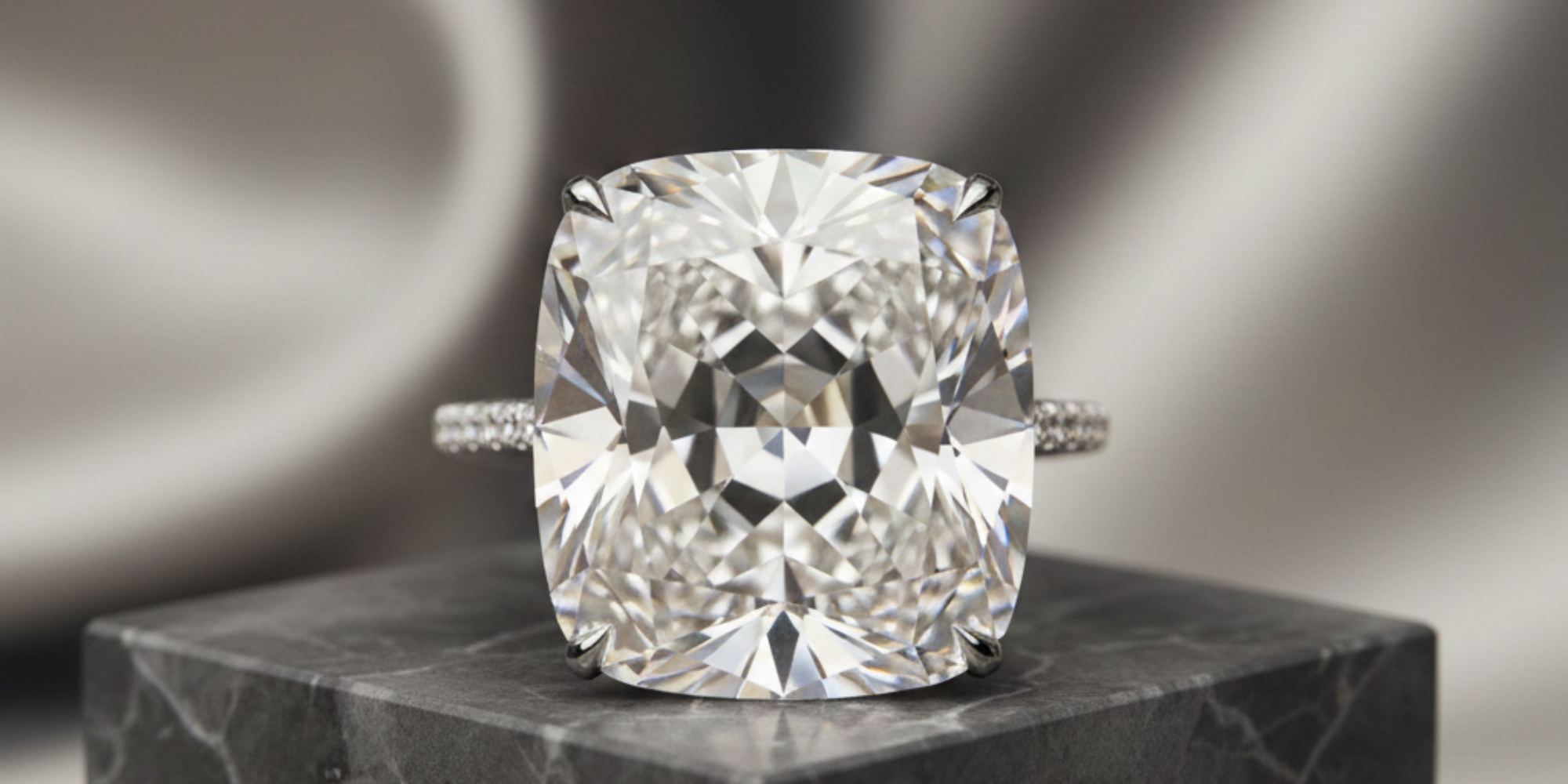
When choosing a diamond, many people focus on size first. Others are drawn to sparkle. But those who truly understand diamond quality know that color quietly shapes everything — how a diamond reflects light, how it feels when worn, and how it holds its beauty over time.
Among all diamond color grades, D color stands alone. It is not simply the highest grade on a scale — it represents a different standard entirely.
This guide explains what D color diamonds are, why colorless matters more than most people realize, and how choosing D color changes the way a diamond looks, feels, and lives with you.
What Does Diamond Color Really Mean?
Diamond color refers to the presence or absence of body color within a diamond. Most diamonds contain subtle yellow or brown undertones caused by trace elements during formation.
The internationally recognized color grading scale runs from:
D (completely colorless) → Z (noticeable yellow or brown tint)
The difference between grades is subtle on paper, but meaningful in real life — especially once a diamond is set and worn daily.
A D color diamond contains no detectable color when examined by a trained gemologist under controlled conditions. It is the purest expression of diamond material.
Why D Color Is Visibly Different
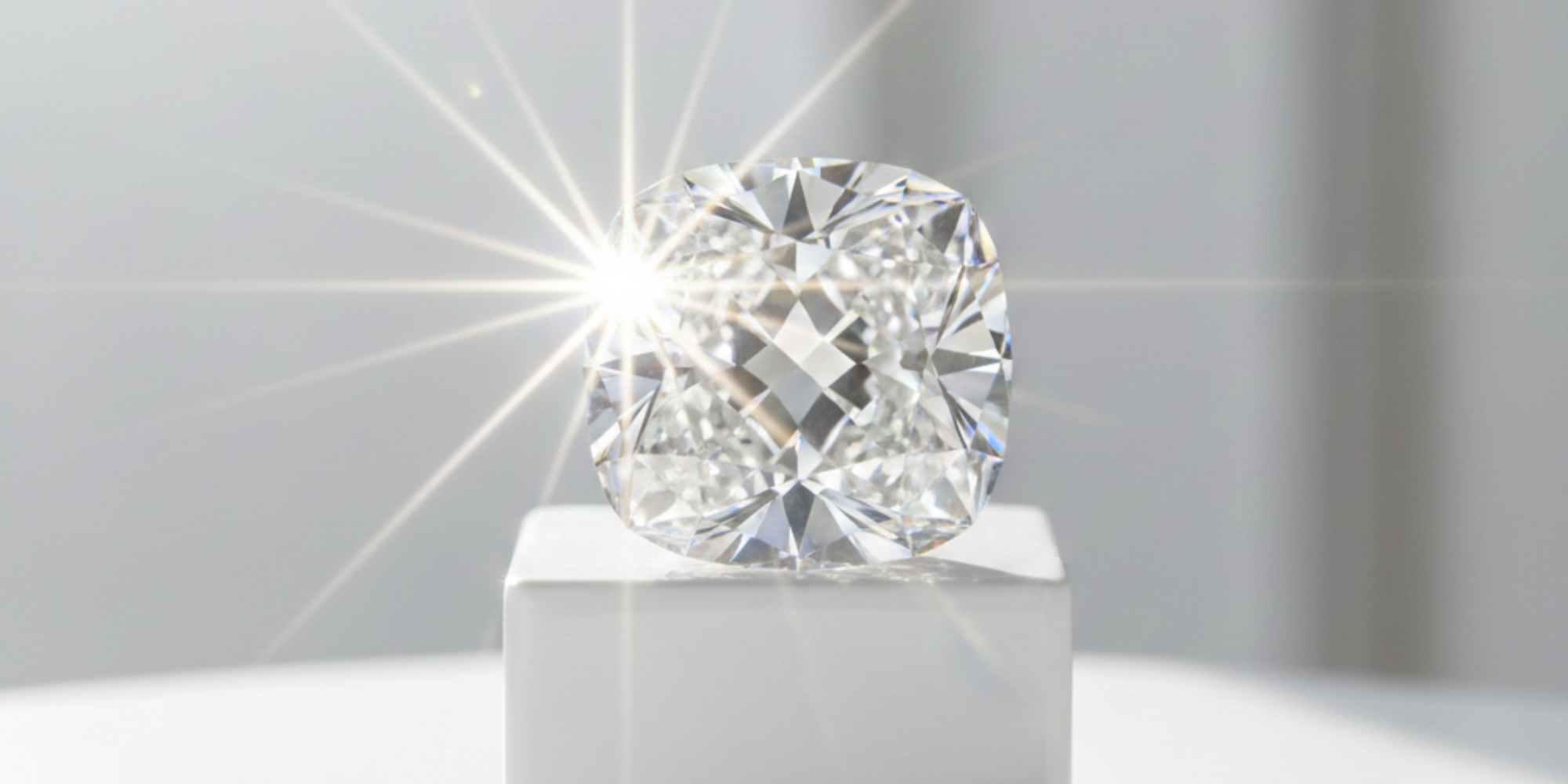
Colorless diamonds behave differently with light.
Because there is no underlying tint, light enters and exits the stone without distortion. This creates a look that is:
• Clear rather than warm
• Bright rather than hazy
• Crisp rather than soft
In everyday wear, D color diamonds maintain their appearance across different lighting environments — sunlight, indoor lighting, evening light — without shifting tone.
Lower color grades may appear beautiful in isolation, but they can reveal warmth when paired with white metals or viewed from certain angles. D color does not adjust to its surroundings. It remains consistent.
That consistency is what gives D color diamonds their calm, composed presence.
D Color and the Illusion of Size
One often-overlooked advantage of D color diamonds is how they influence perceived size.
Because colorless diamonds allow light to pass through cleanly, they often appear:
• Brighter
• More open
• More dimensional
This can make a well-cut D color diamond look larger than a higher-carat stone with visible color.
In other words, D color enhances visual impact without relying on size alone.
Why D Color Matters More in Modern Settings
Today’s ring designs favor:
• Minimal metal
• Open settings
• White gold or platinum
These designs leave little room for color to hide.
In white gold or platinum, even slight warmth becomes more noticeable. A D color diamond, by contrast, integrates seamlessly — appearing like light suspended above the setting.
For women choosing rings they will wear every day, this matters. D color ensures the diamond remains visually aligned with modern aesthetics now and years later.
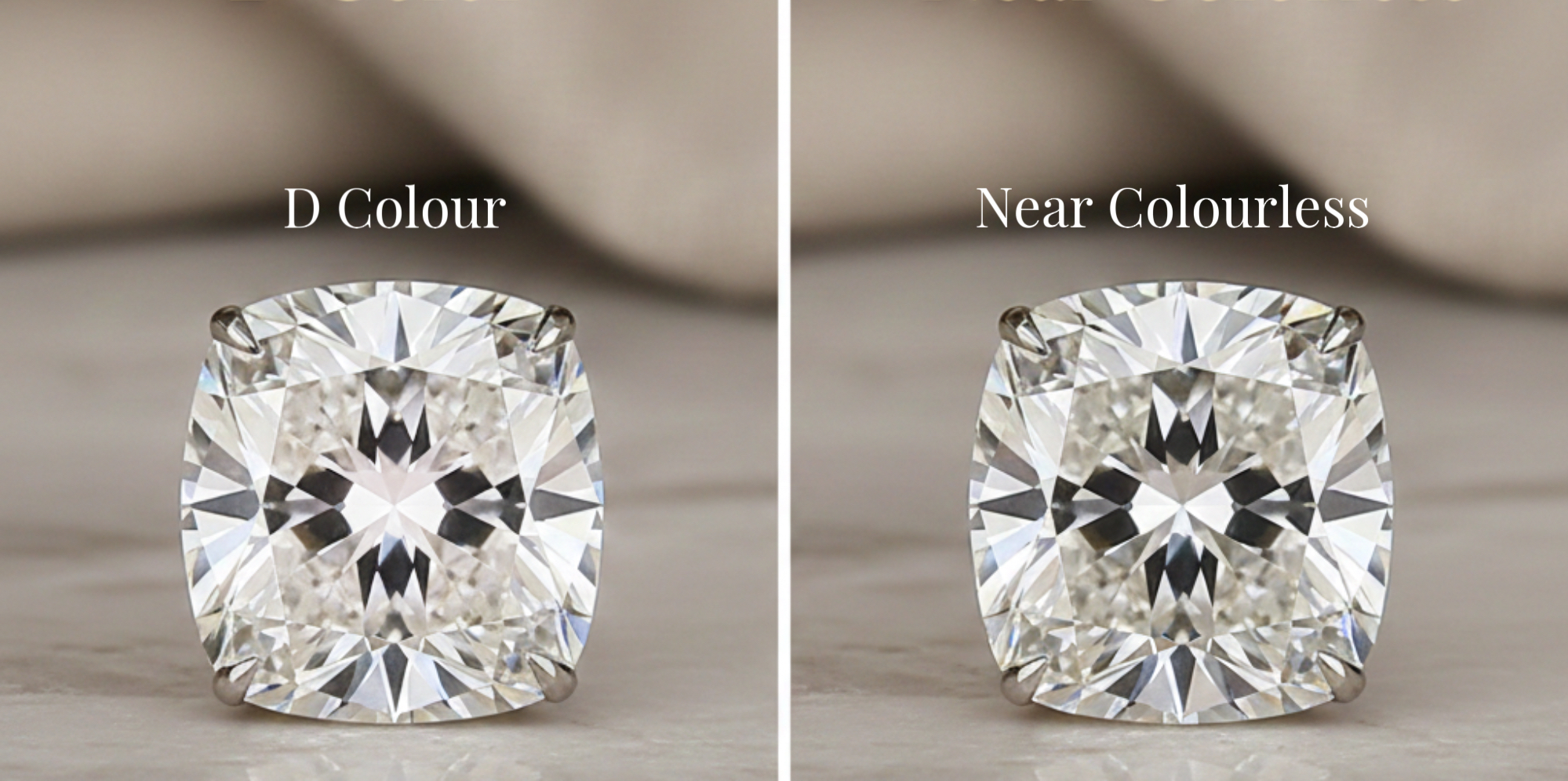
D Color vs Near-Colorless: What’s the Real Difference?
Near-colorless diamonds (E–G) are often described as “white enough,” and in many cases, they are beautiful stones.
However, the difference lies in standard, not compromise.
D color diamonds are chosen not because lower grades are unacceptable, but because D color represents:
• No tolerance for visual inconsistency
• No reliance on setting tricks
• No need to justify or explain quality
At Her Crown, we believe that if a diamond is meant to represent intention, standard should not be negotiable.
Why Lab-Grown Diamonds Make D Color Possible
Historically, D color diamonds were rare and inconsistent in mined sourcing. Lab-grown diamonds have changed that.
Because lab-grown diamonds are created in controlled environments, they allow for:
• Precise control of color formation
• Consistent achievement of top grades
• Fewer structural irregularities
This makes it possible to offer D color as a standard rather than an exception — without environmental or ethical compromise.
Every Her Crown diamond is selected for D color, because excellence should not be an upgrade.
How D Color Pairs with VVS1 Clarity
Color and clarity work together.
A colorless diamond with lower clarity can still lose light through inclusions. Likewise, a high-clarity diamond with warmth can dull brilliance.
D color paired with VVS1 clarity creates a diamond that allows light to travel freely and evenly, resulting in:
• Cleaner sparkle
• Higher transparency
• A more refined visual rhythm
This combination is not about impressing others. It is about creating a diamond that feels settled — one that doesn’t distract, overperform, or demand attention.
Choosing D Color as a Personal Standard
Many women today choose diamonds for themselves — to mark growth, resilience, or a promise made quietly.
In that context, D color becomes symbolic.
It reflects:
• Clarity of choice
• Self-trust
• A preference for quiet excellence
A D color diamond does not announce status. It reflects intention.
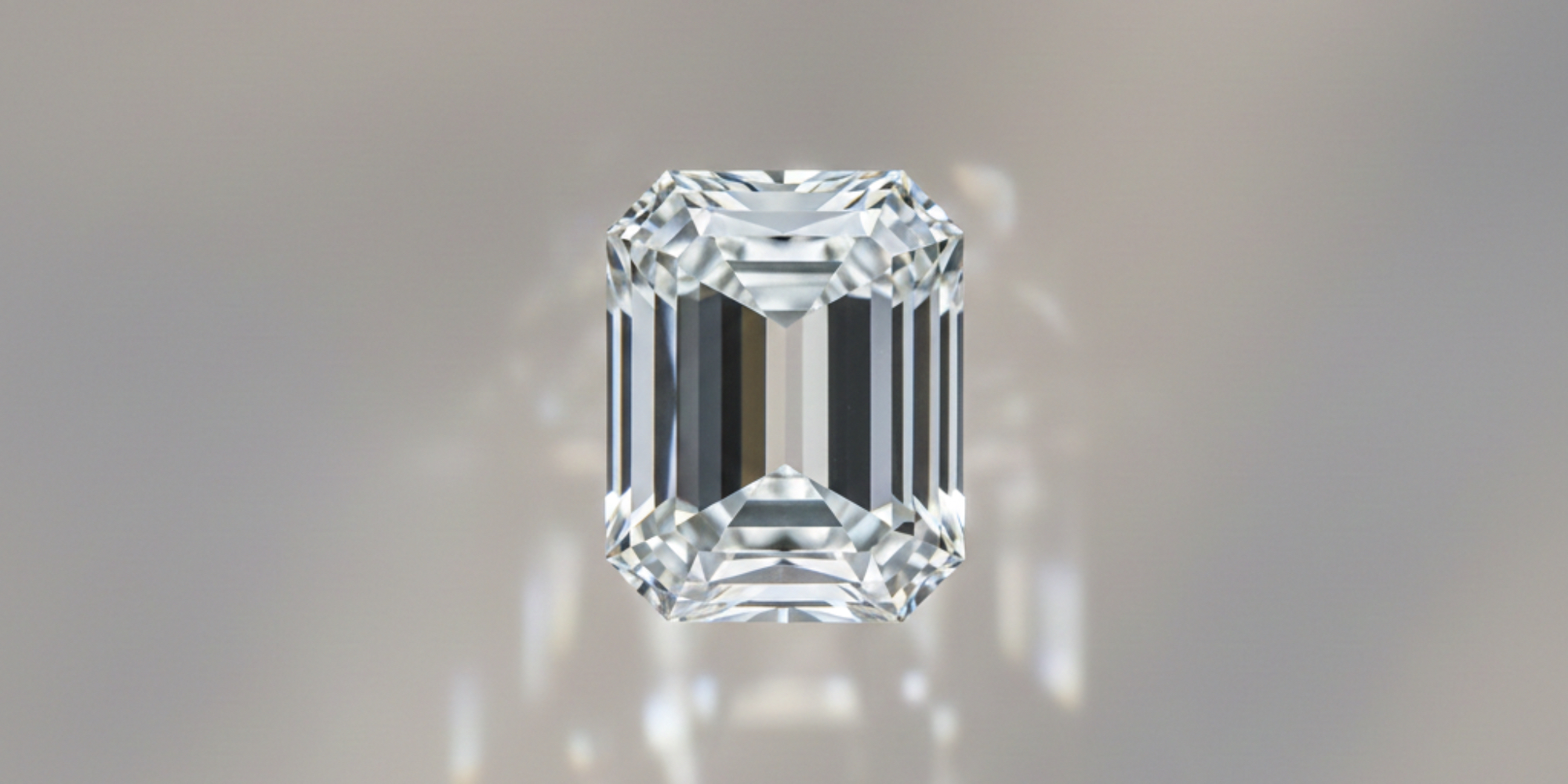
A Thoughtful Way to Choose
When browsing rings, you may notice that D color diamonds appear almost effortless. They don’t flash aggressively. They don’t need explanation.
That is the point.
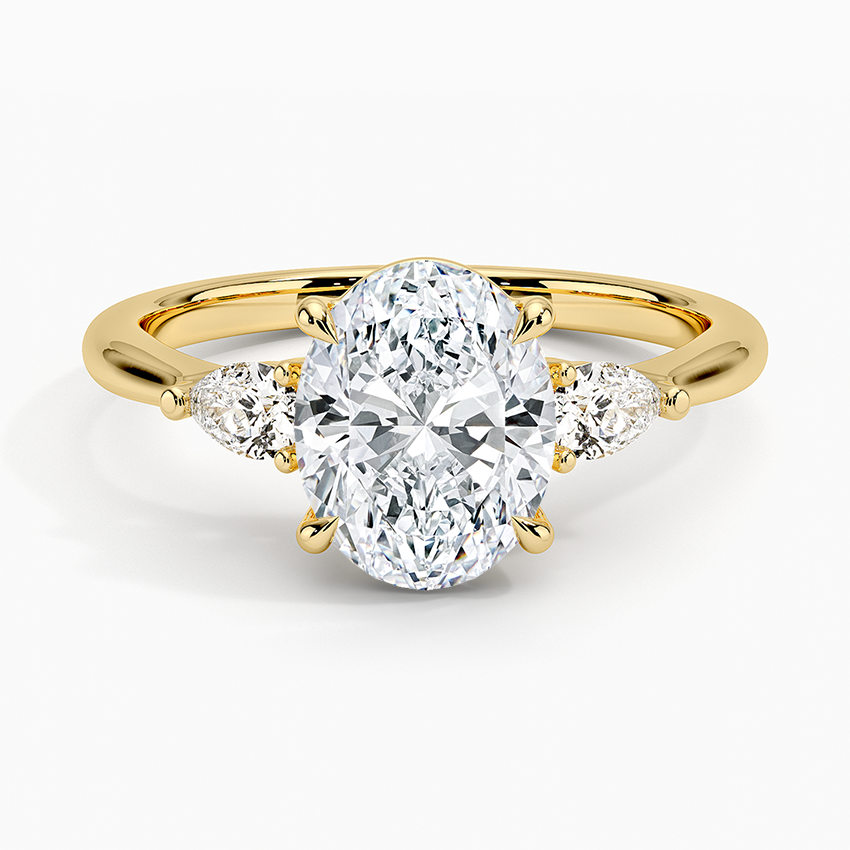
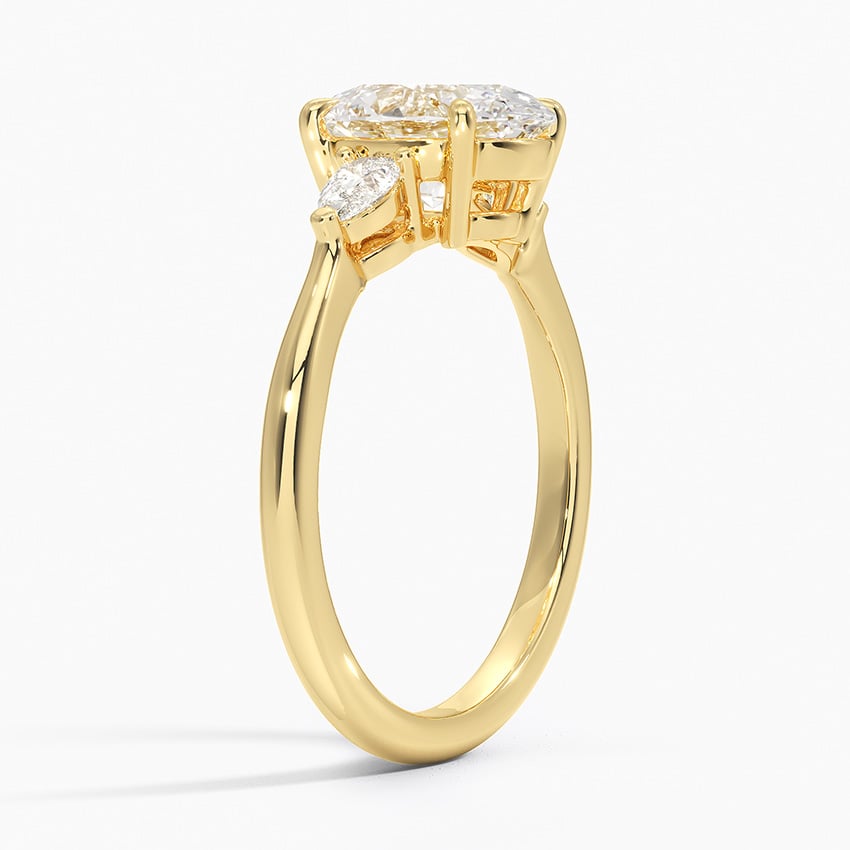
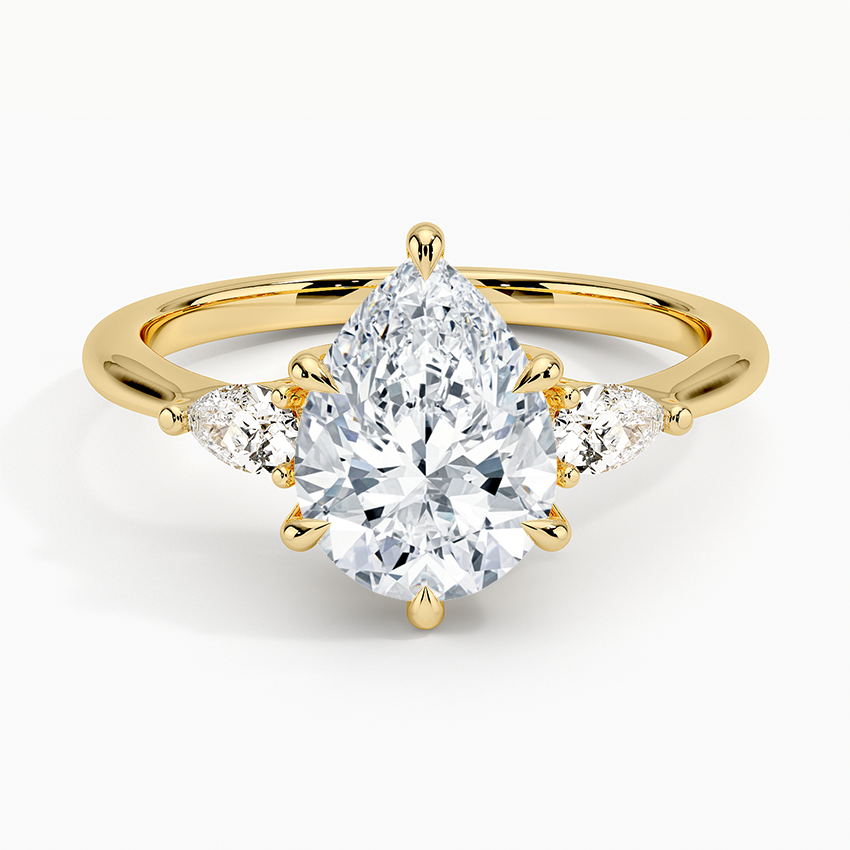
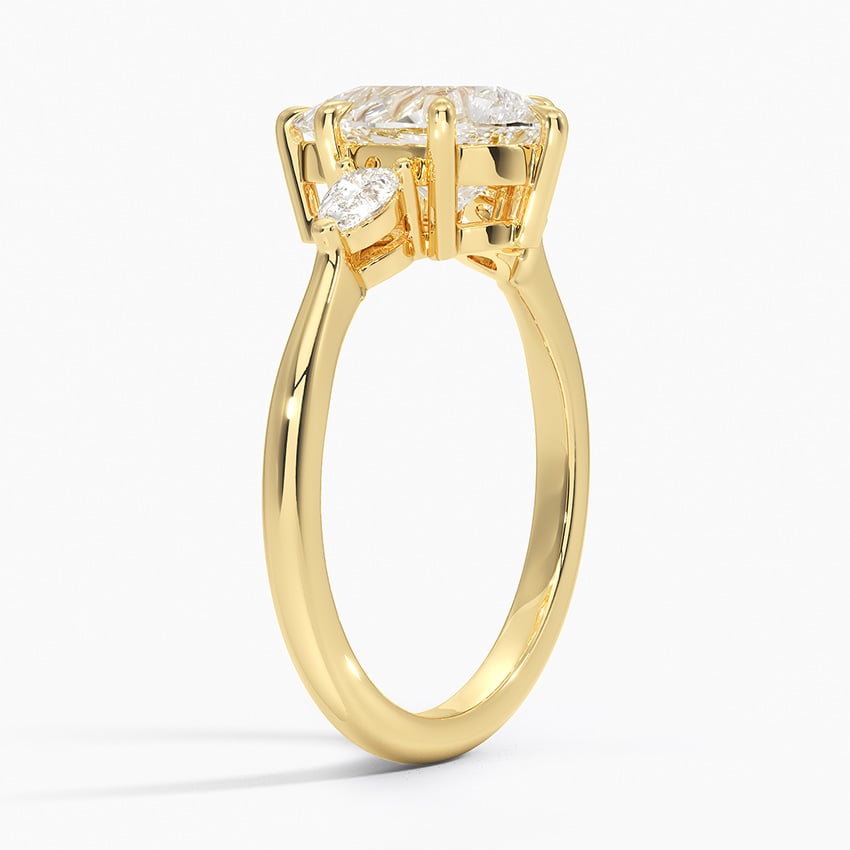
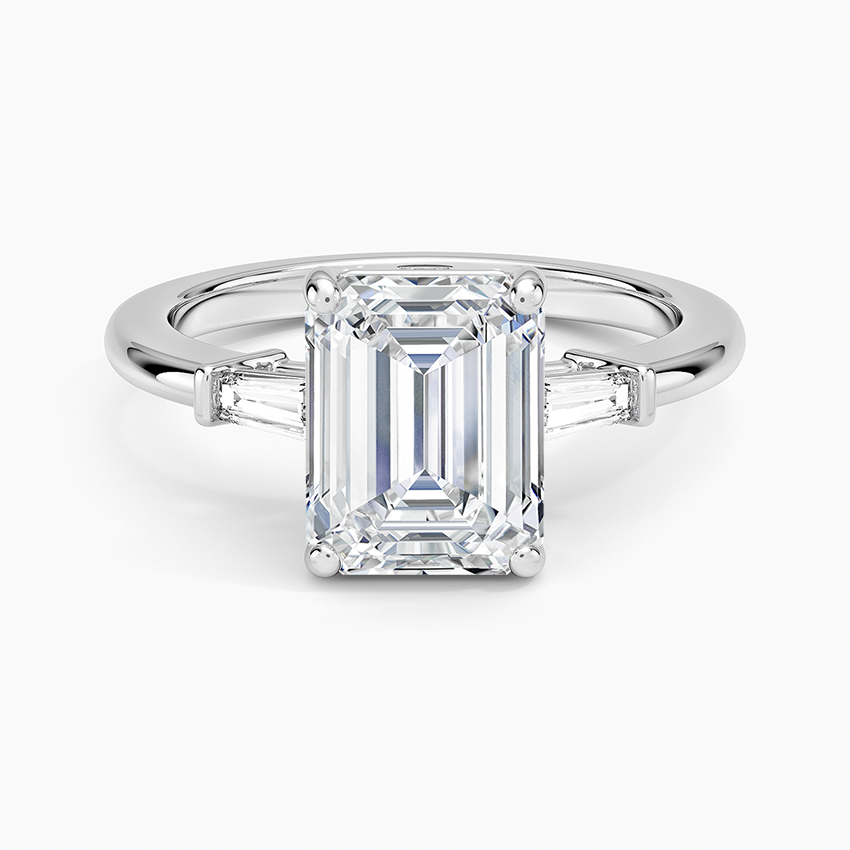
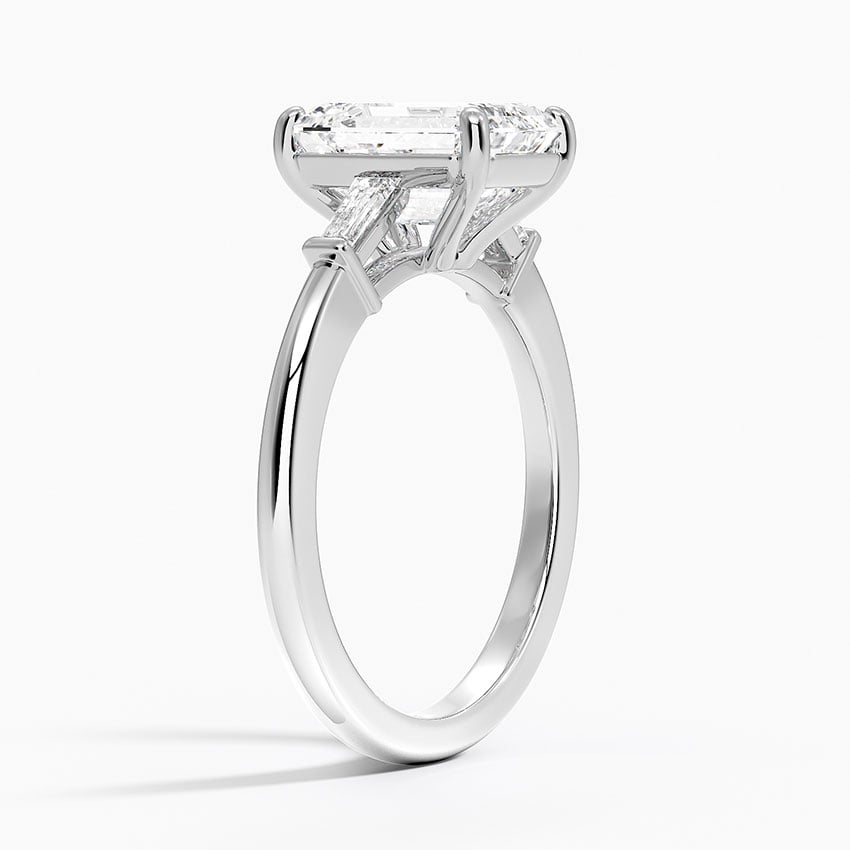
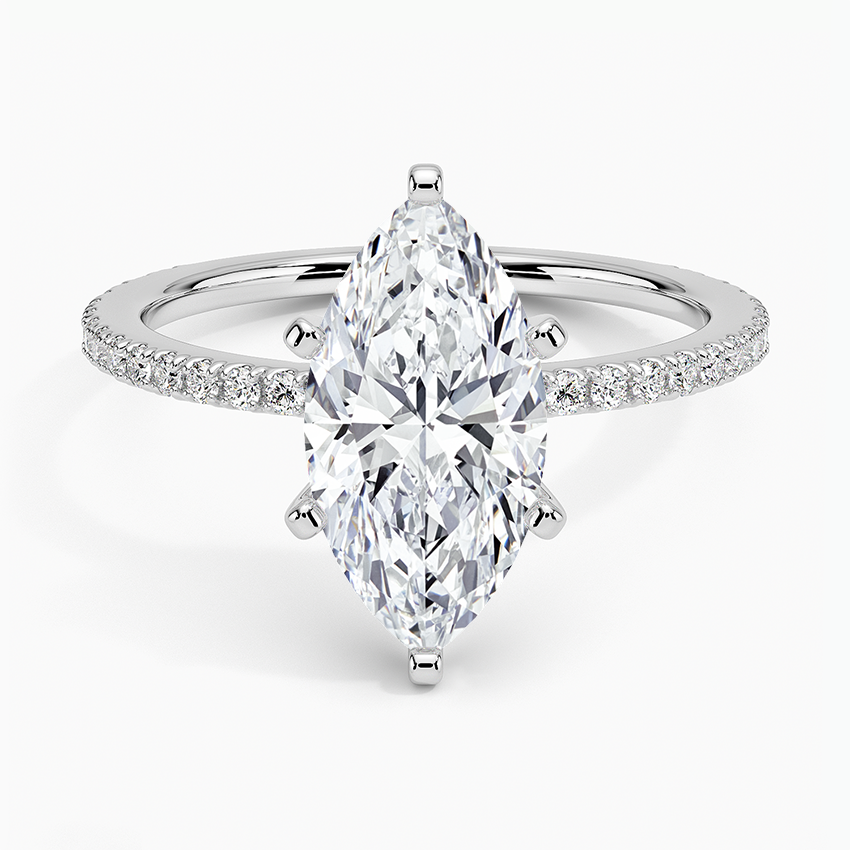
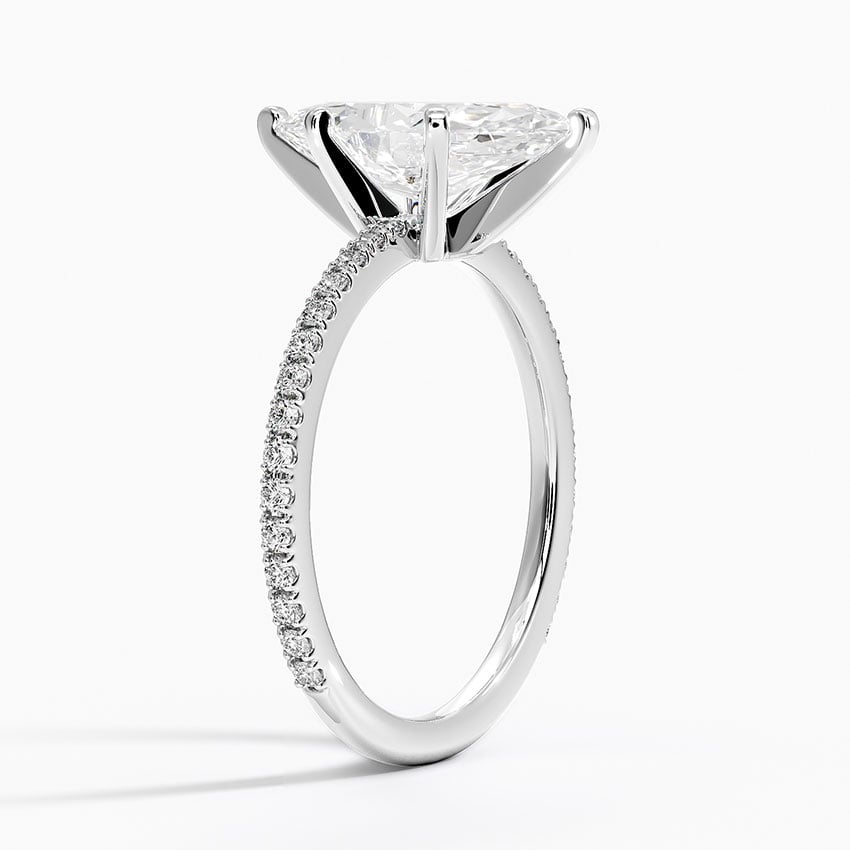
If you’re exploring rings crafted with D color, VVS1 lab-grown diamonds, you may notice how naturally they integrate into daily wear — calm, precise, and enduring. The right diamond should never feel like a compromise. If you would like to shop for your diamond rings in D colour, VVS1 clarity, here is what you would like to explore:
Colorless means nothing interferes.
In diamonds, as in life, clarity changes everything.