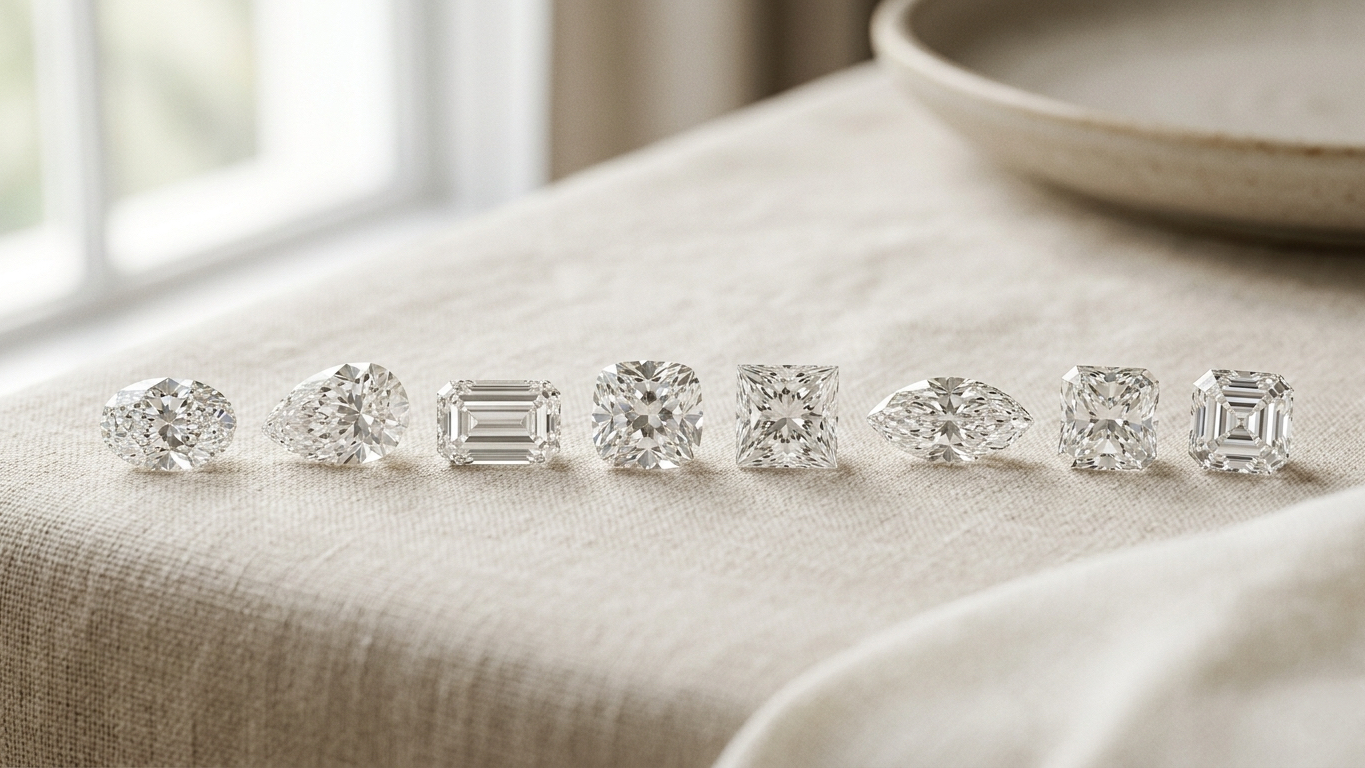
When you see a diamond described as “Ideal Cut”, it sounds precise — almost scientific.
But for most diamond shapes, this is not the case.
Unlike round diamonds, fancy shapes do not have a universal cut grading standard. Even leading laboratories like the Gemological Institute of America do not assign cut grades to these shapes.
So how do renowned jewelers define “ideal cut”?
And more importantly — how should you?
The Truth About “Ideal Cut” in Fancy Shapes
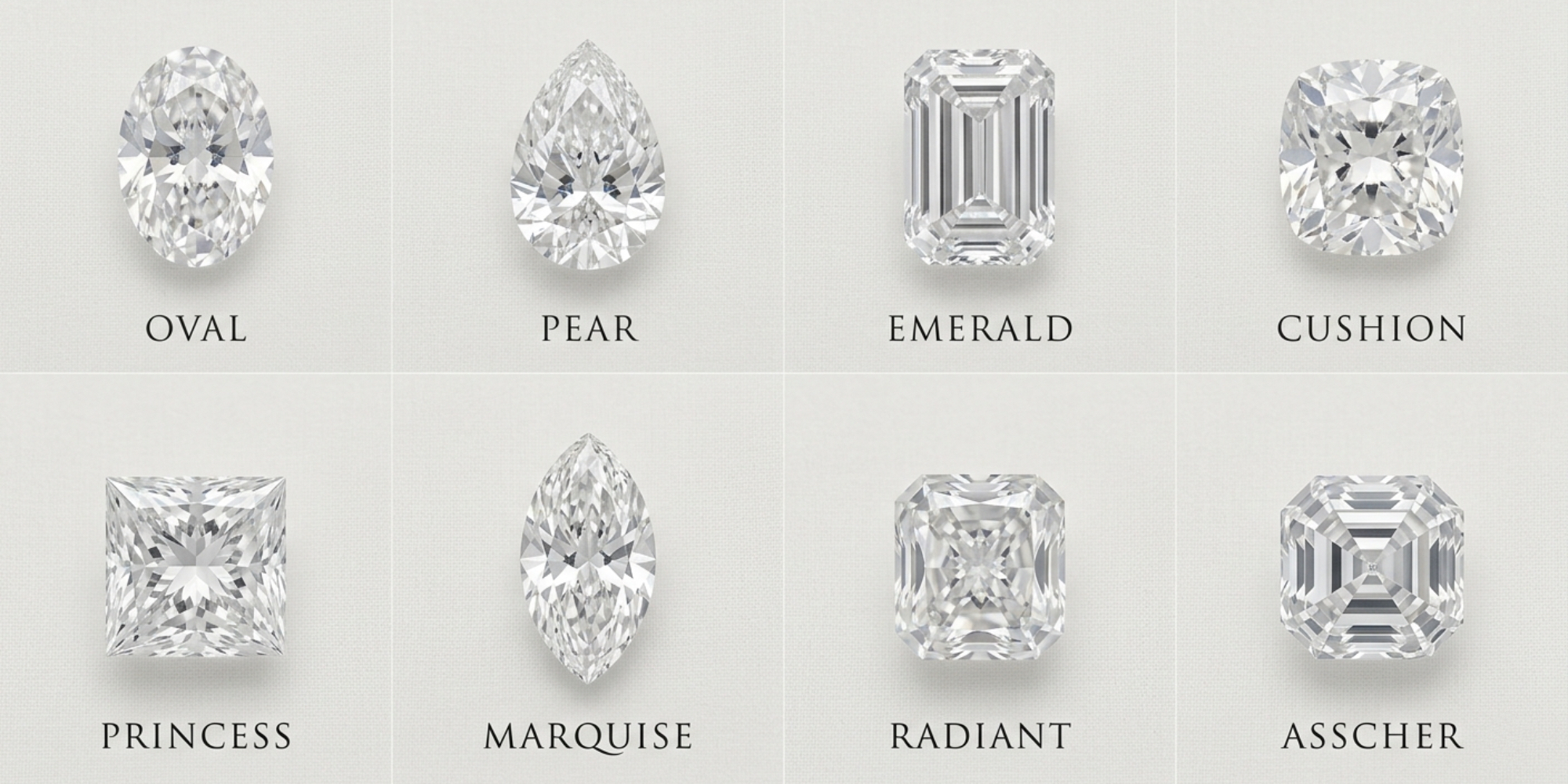
Across the industry, “ideal cut” for shapes like oval, pear, emerald, or cushion is typically based on:
- proportion ranges
- visual light performance
- shape balance
- craftsmanship (polish & symmetry)
Not a single number. Not a single grade.
Even the International Gemological Institute uses a multi-step evaluation system, combining:
1. Polish & symmetry
2. Proportion guidelines
3. Shape-specific requirements
This reflects how professional jewelers actually select diamonds.
Our Approach to “Ideal Cut”:
At Her Crown, we follow a refined selection method inspired by industry standards, but focused on what truly matters visually.
We evaluate every diamond based on:
- Proportion balance (not just numbers)
- Light performance (brightness, not just theory)
- Shape aesthetics (how it feels visually)
- High color and clarity (especially for fancy shapes)
Because ultimately:
A diamond is not defined by a label — but by how it looks.
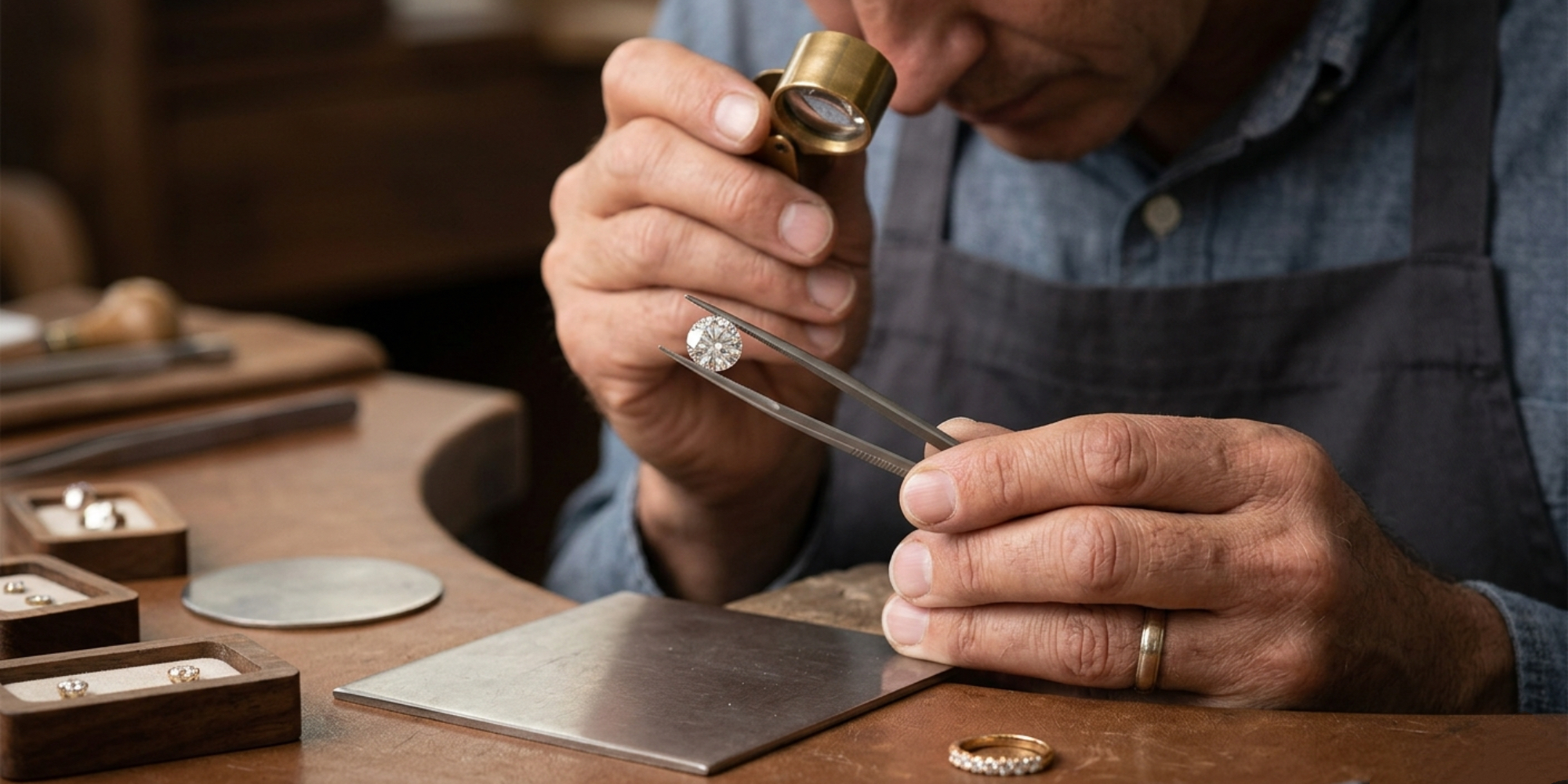
Shape-by-Shape Guide: How “Ideal Cut” Is Evaluated
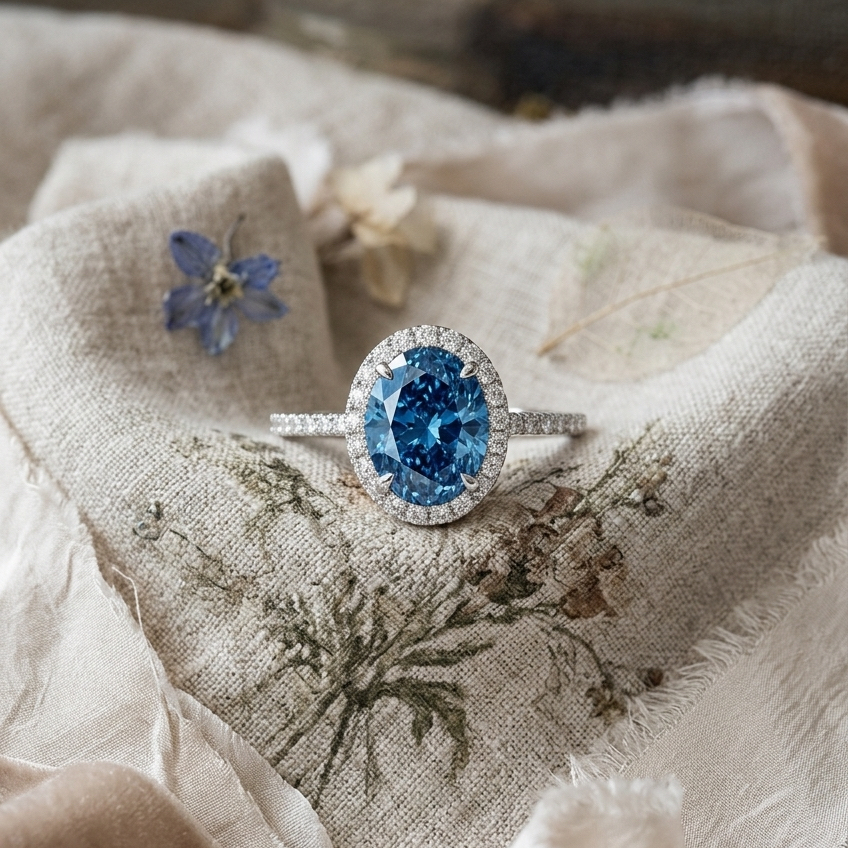
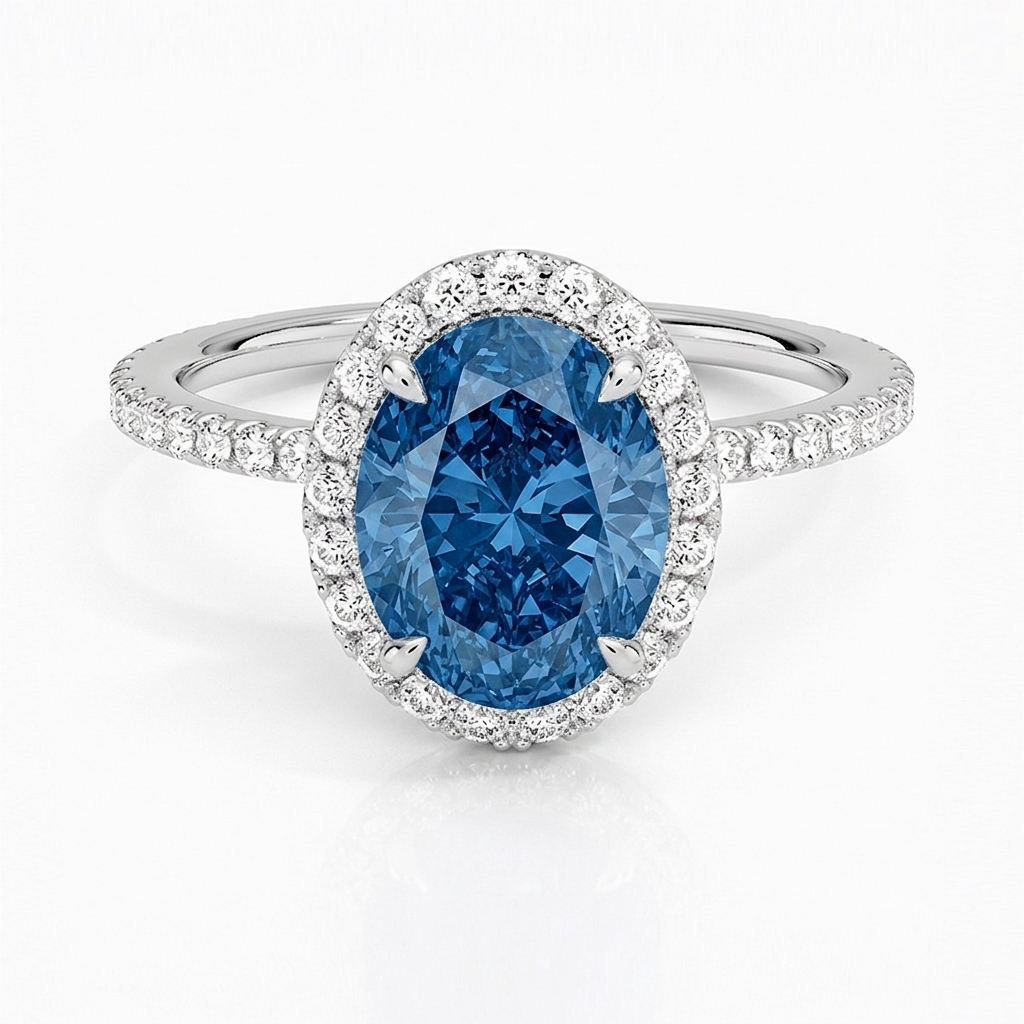
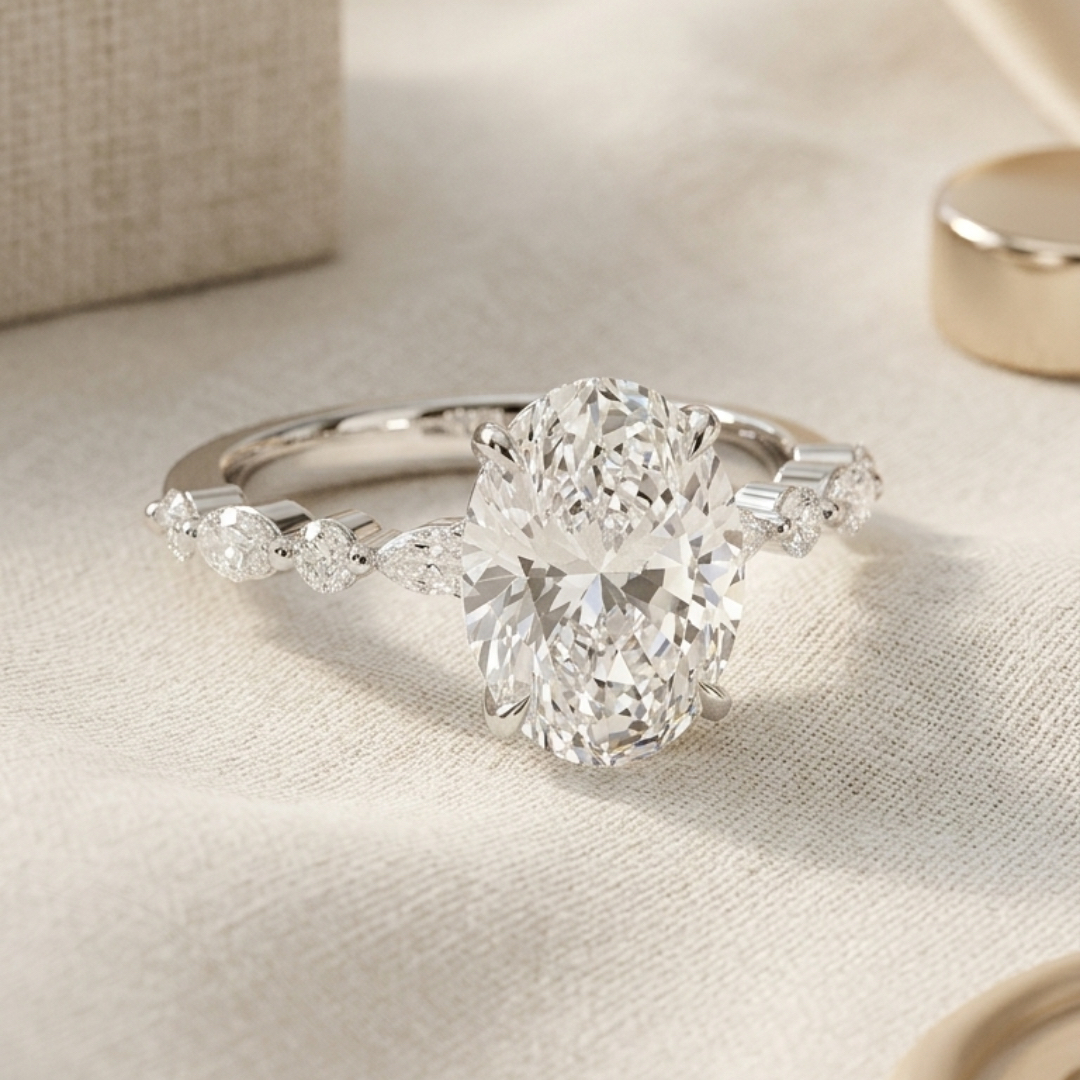
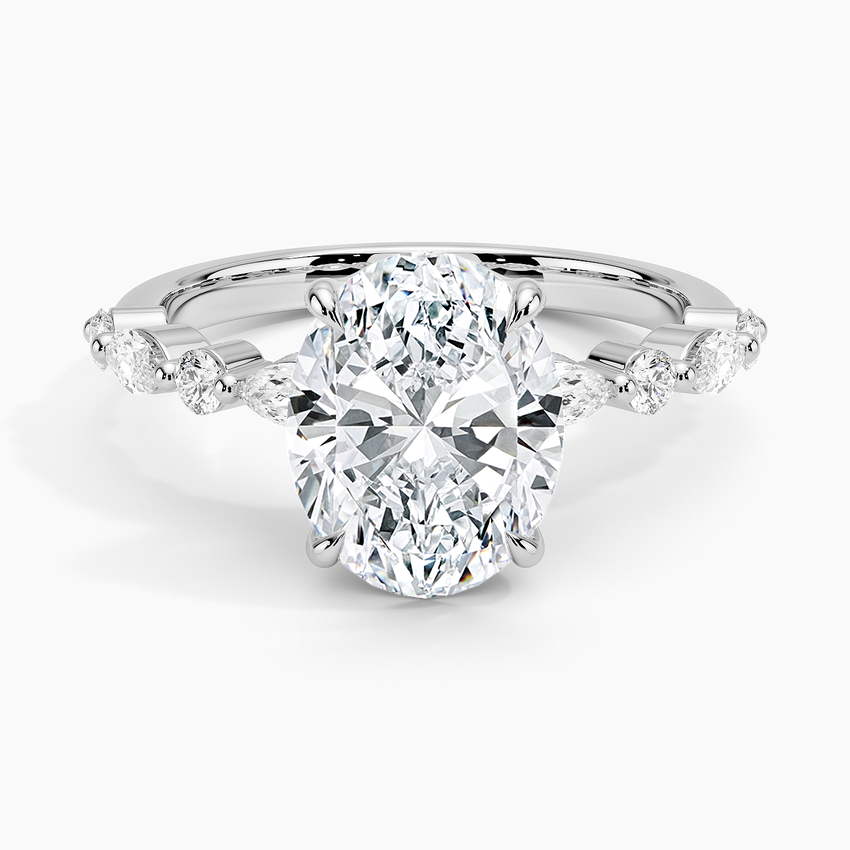
Oval Cut — Balance and Light Flow
Oval diamonds are elegant but technically complex.
Typical ideal-like ranges:
- Depth: ~58–64%
- Table: ~55–62%
- Length-to-width: ~1.3–1.5
What we prioritize:
- minimal bow-tie effect
- even light distribution
- soft, elongated symmetry
Explore the Oval Diamond Rings
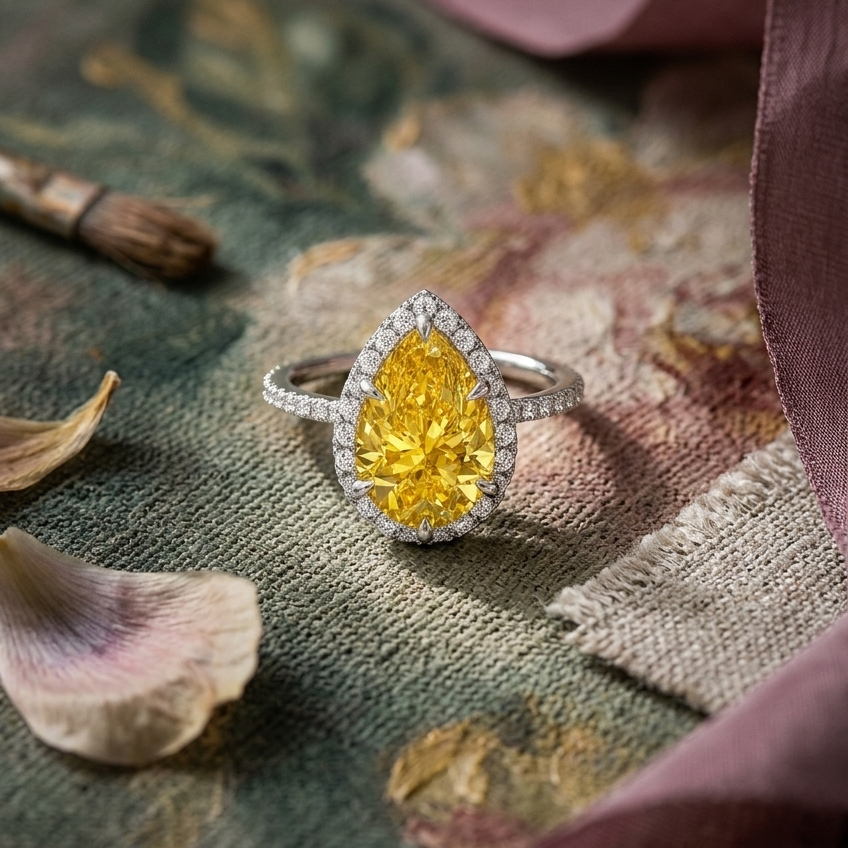
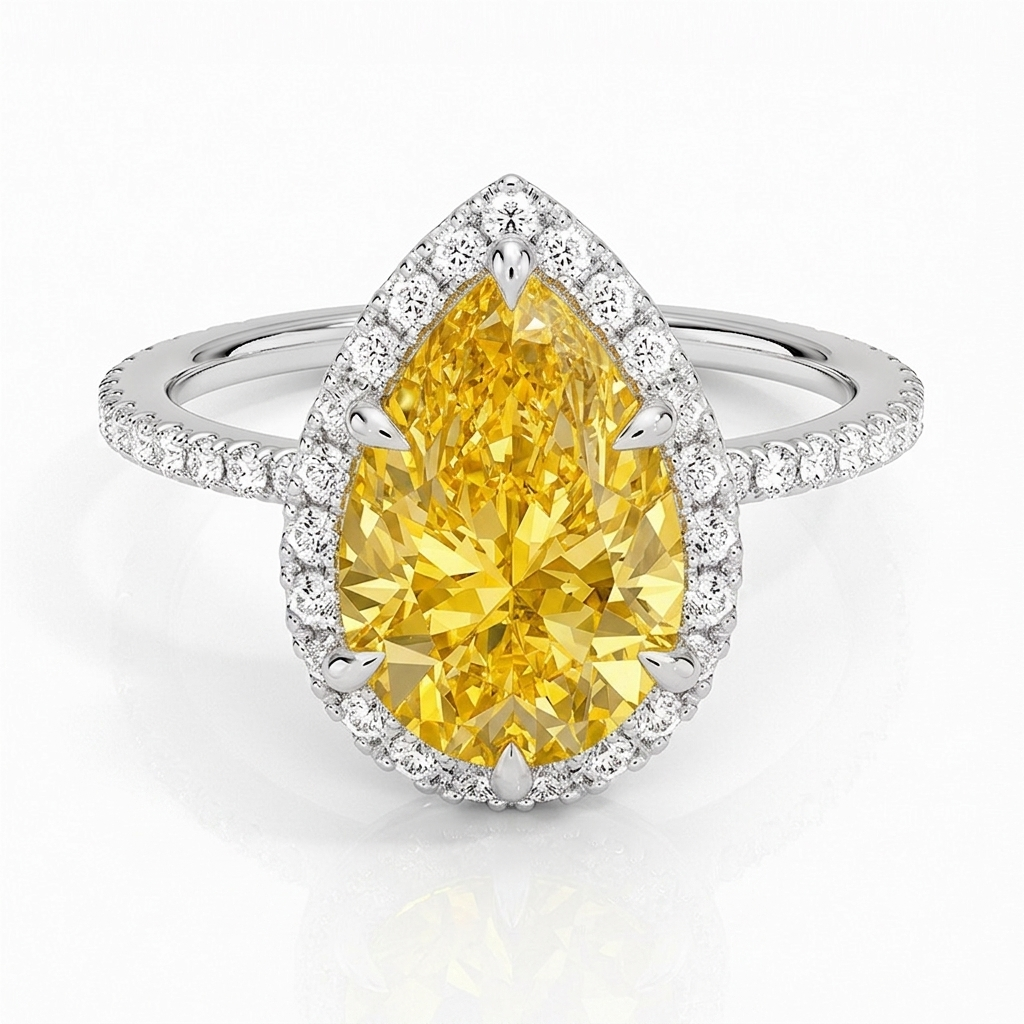
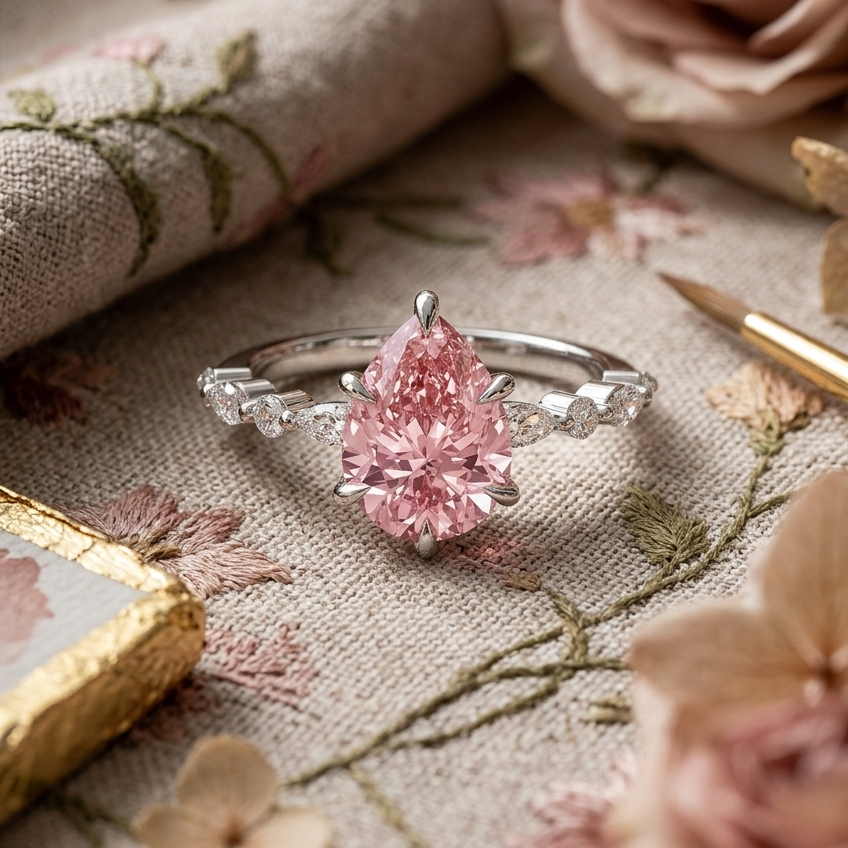
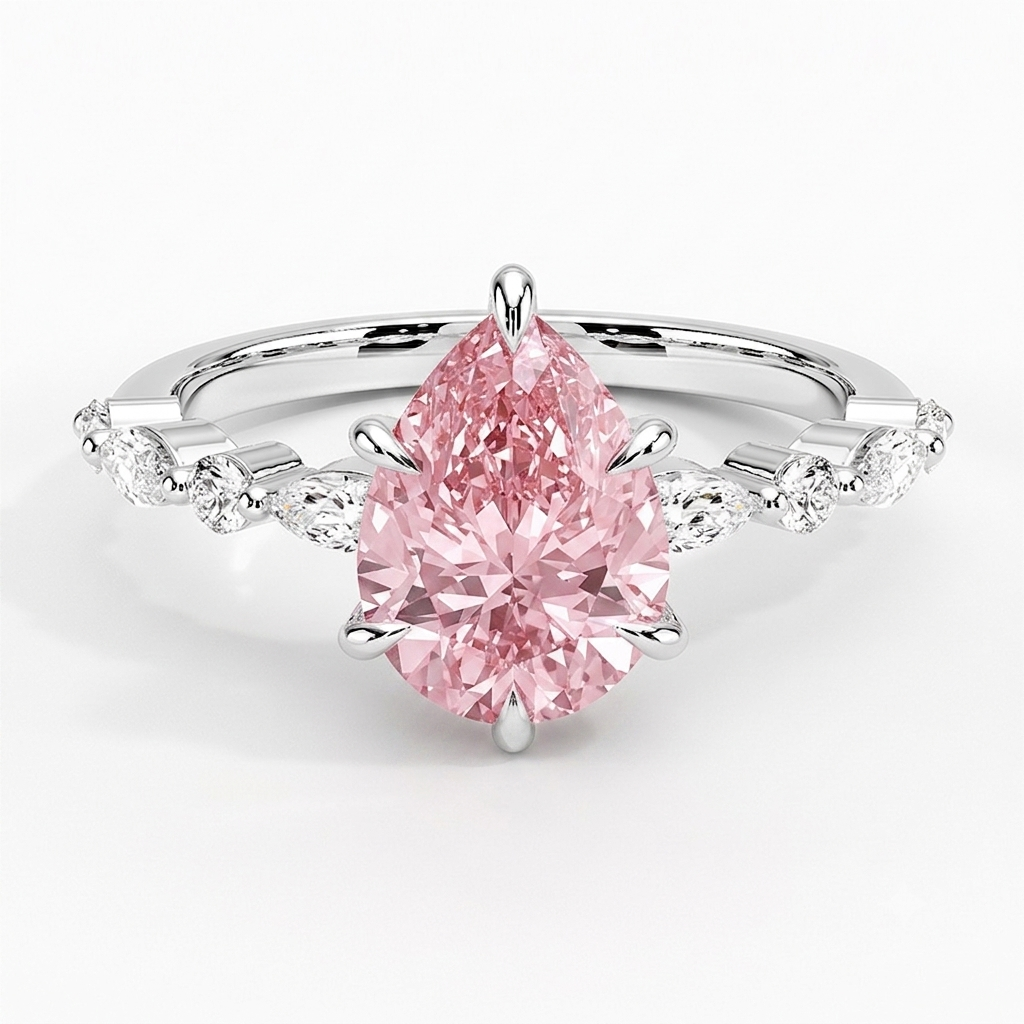
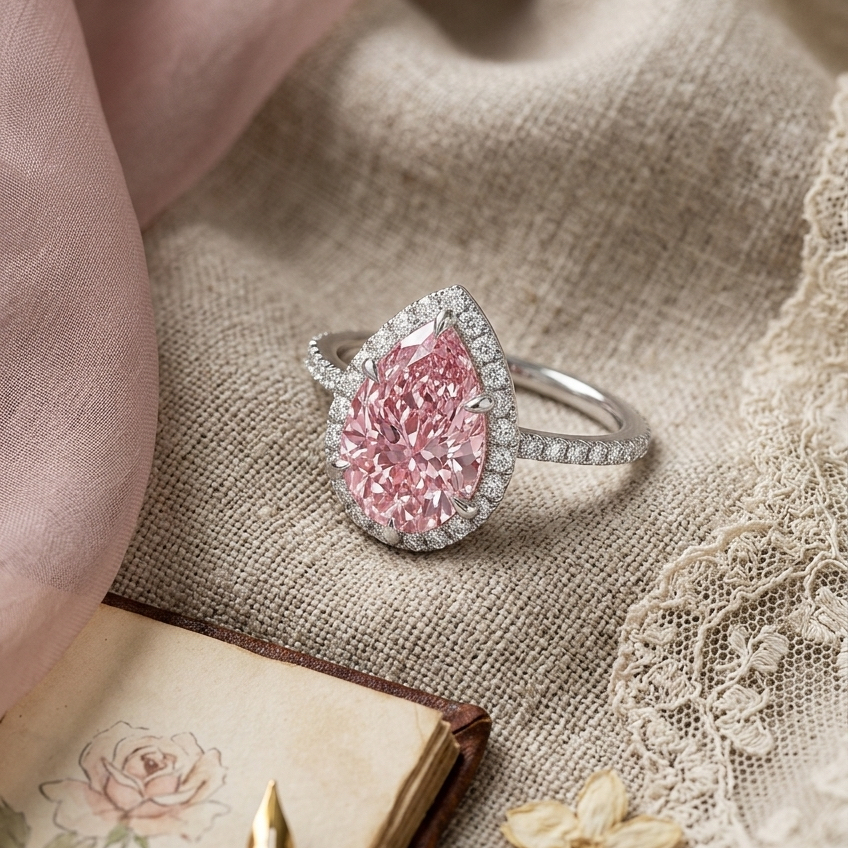
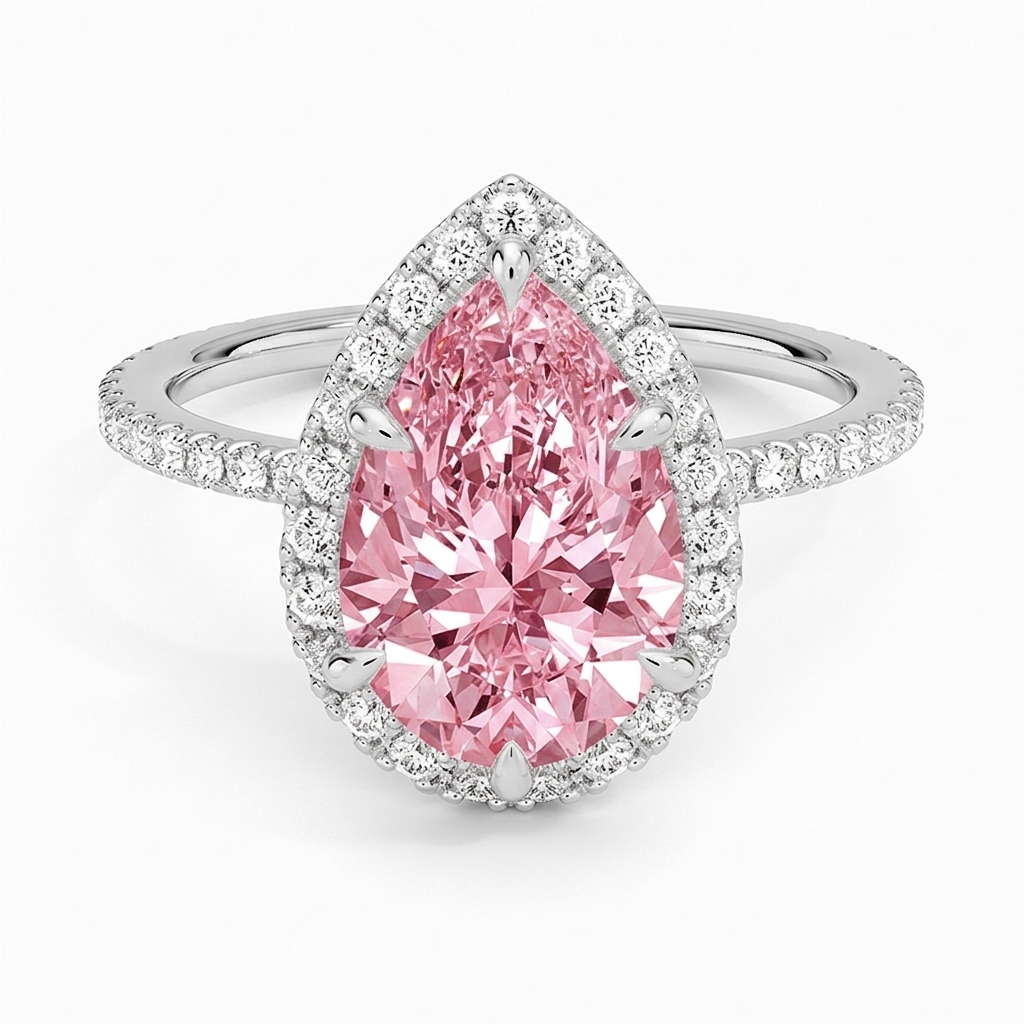
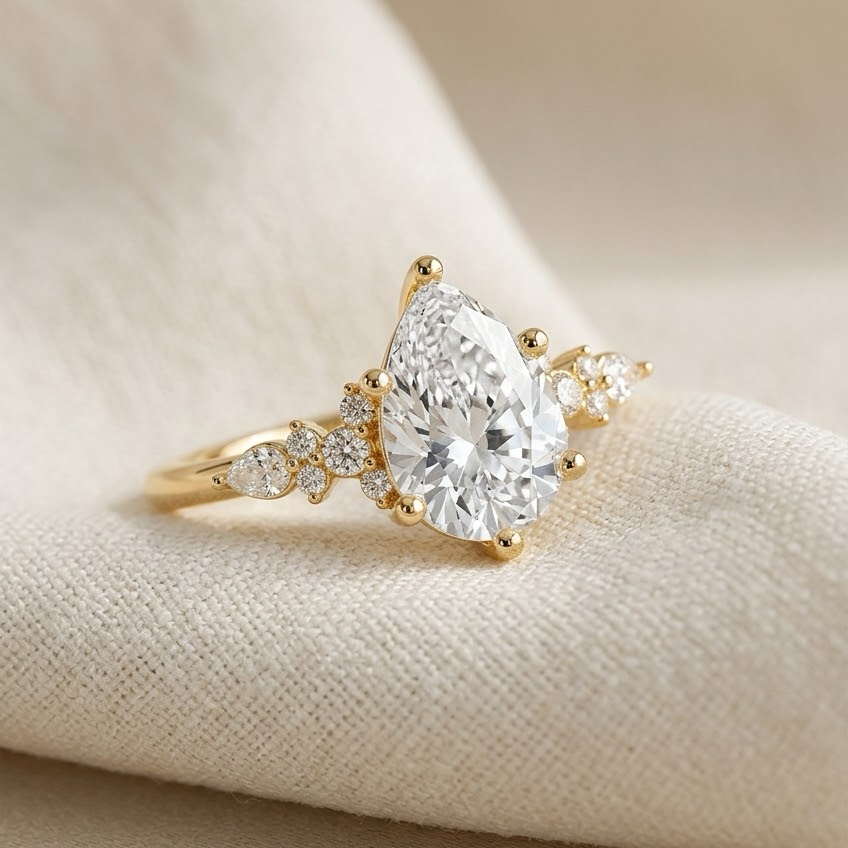
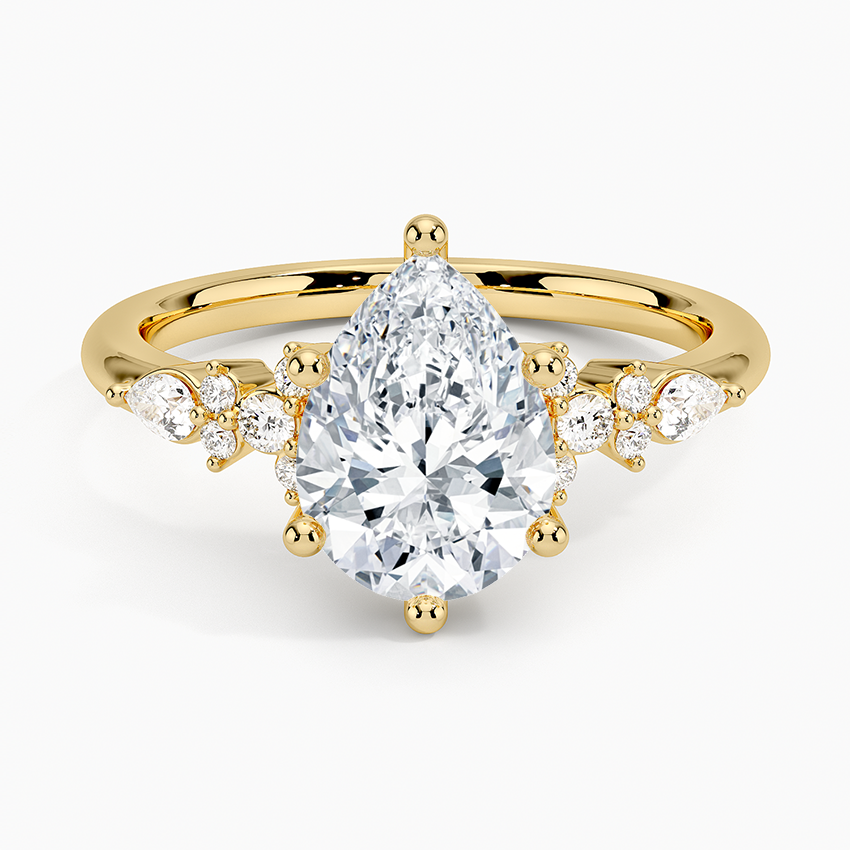
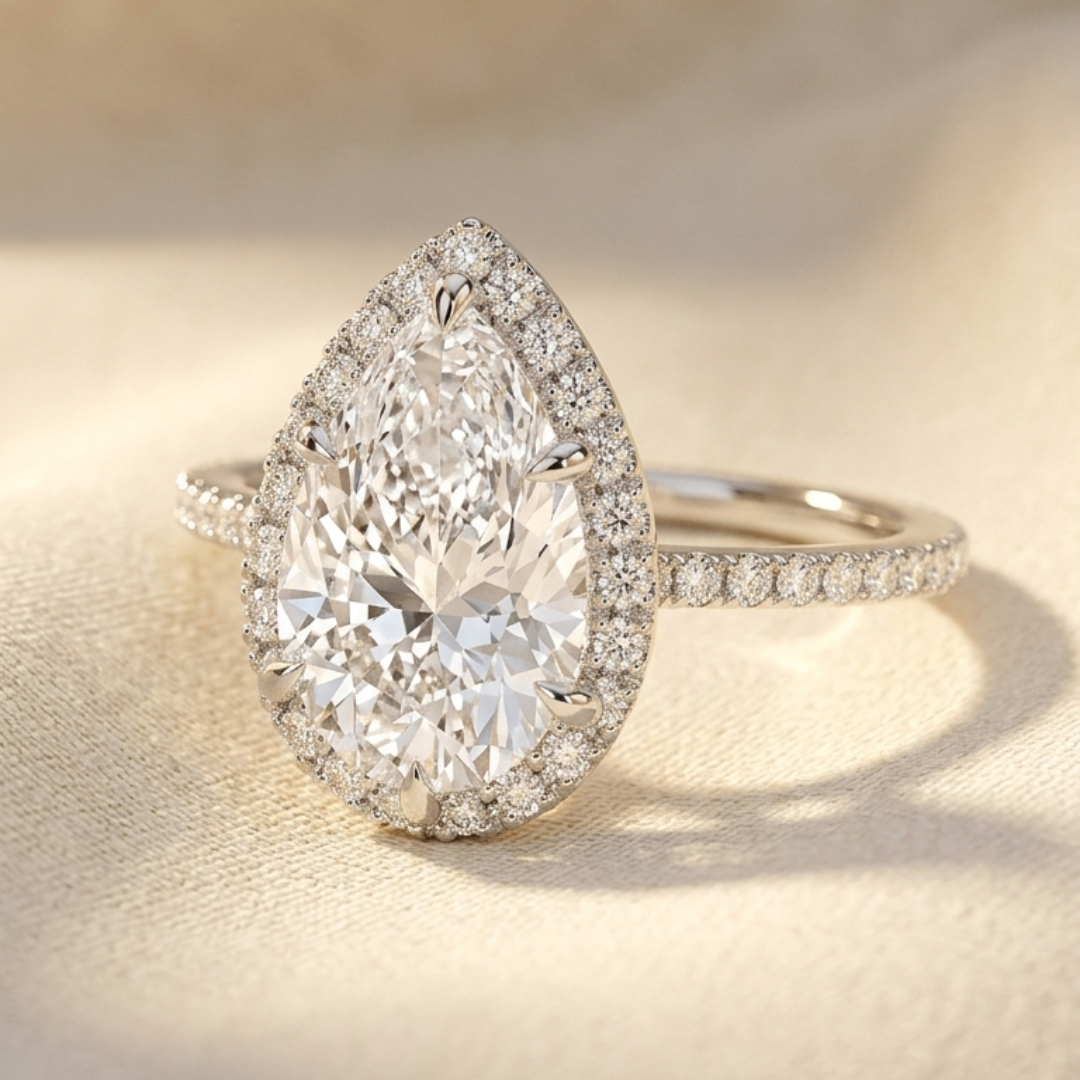
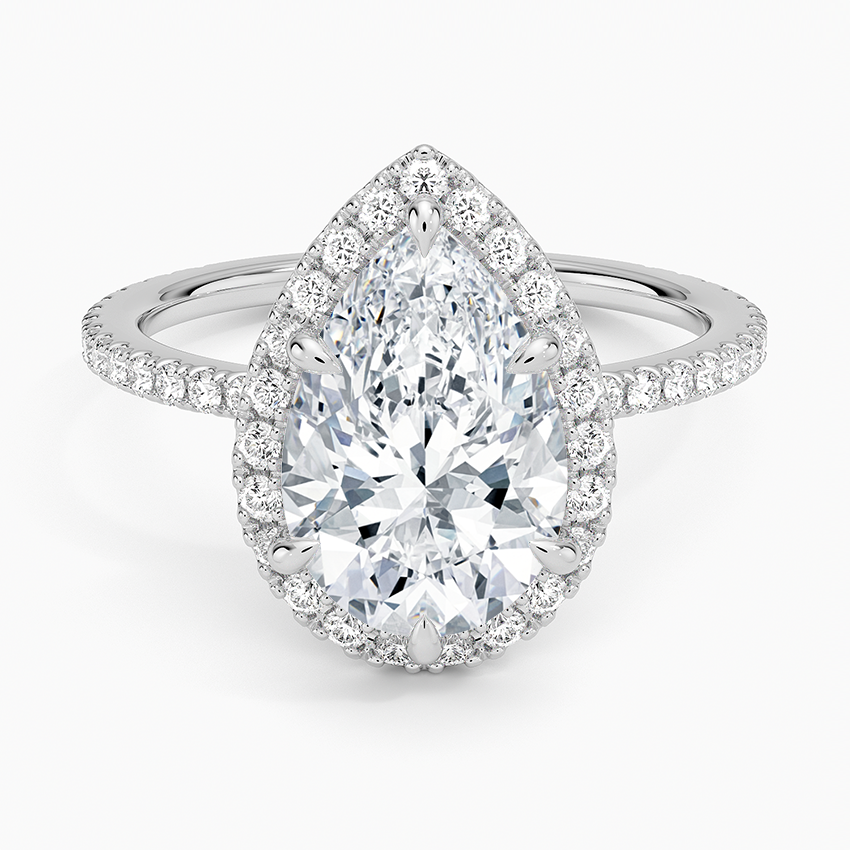
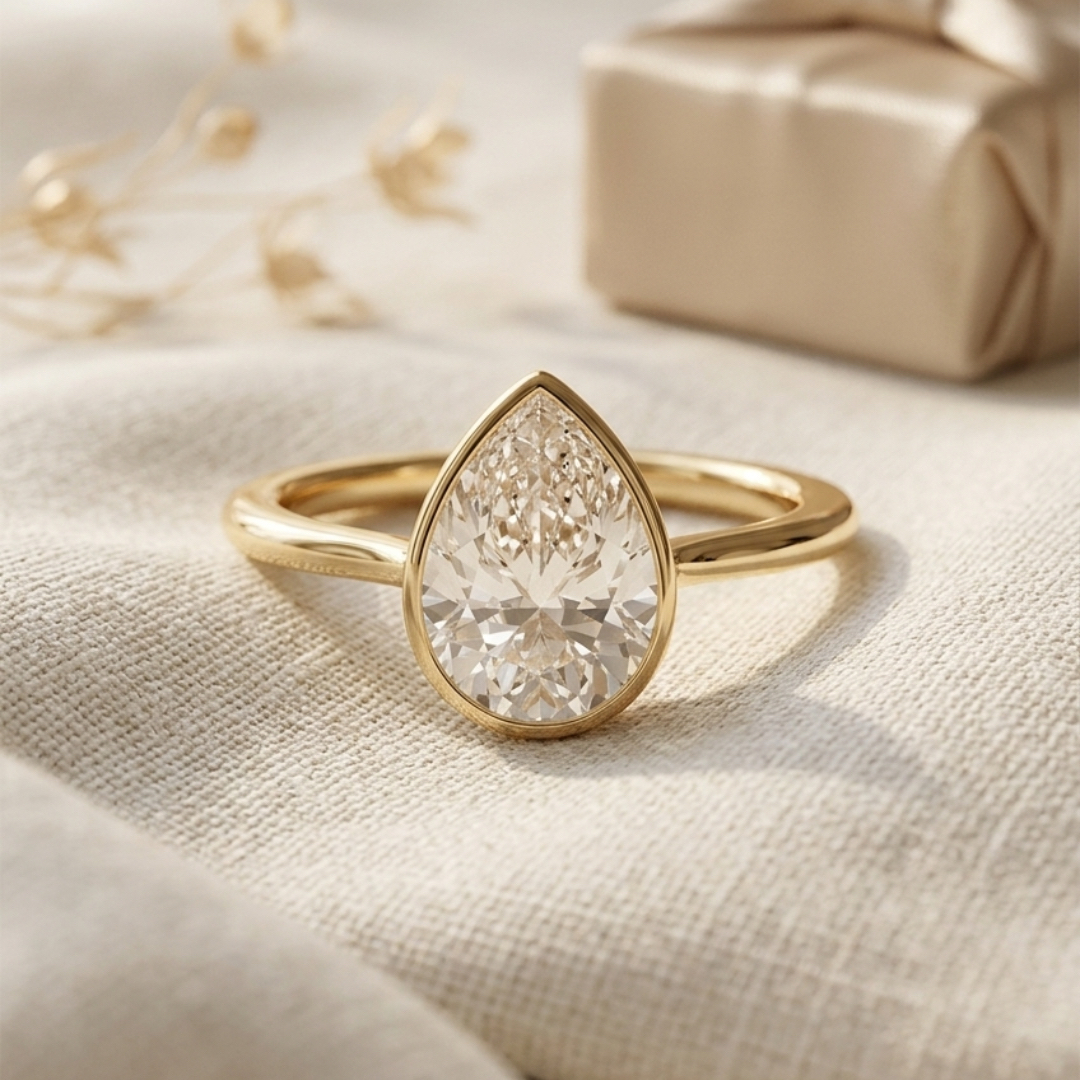
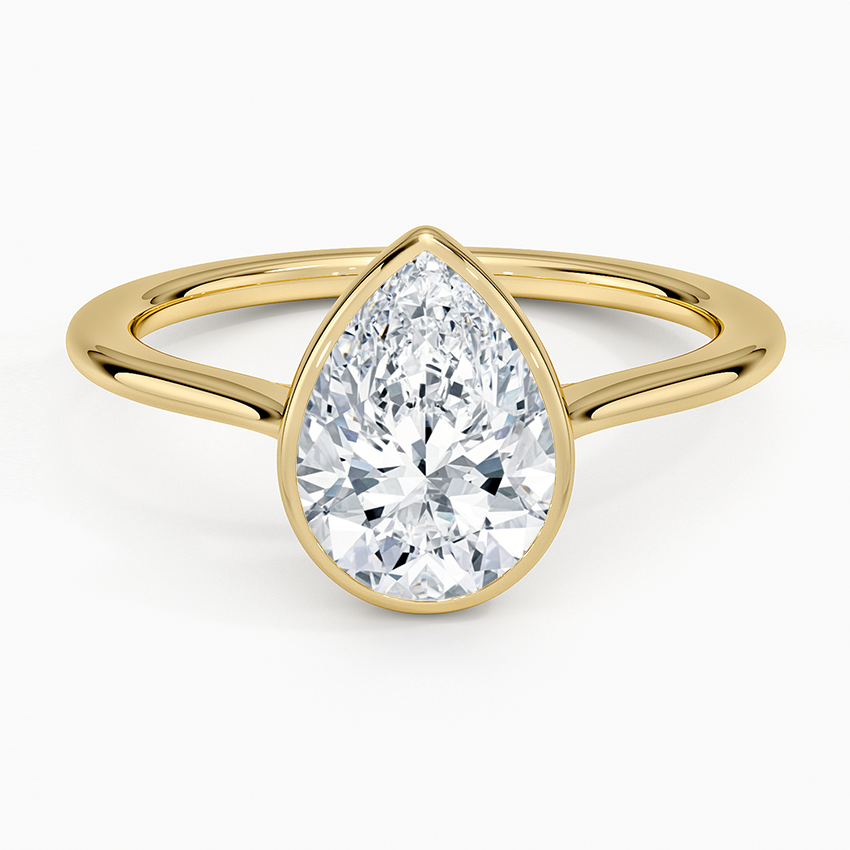
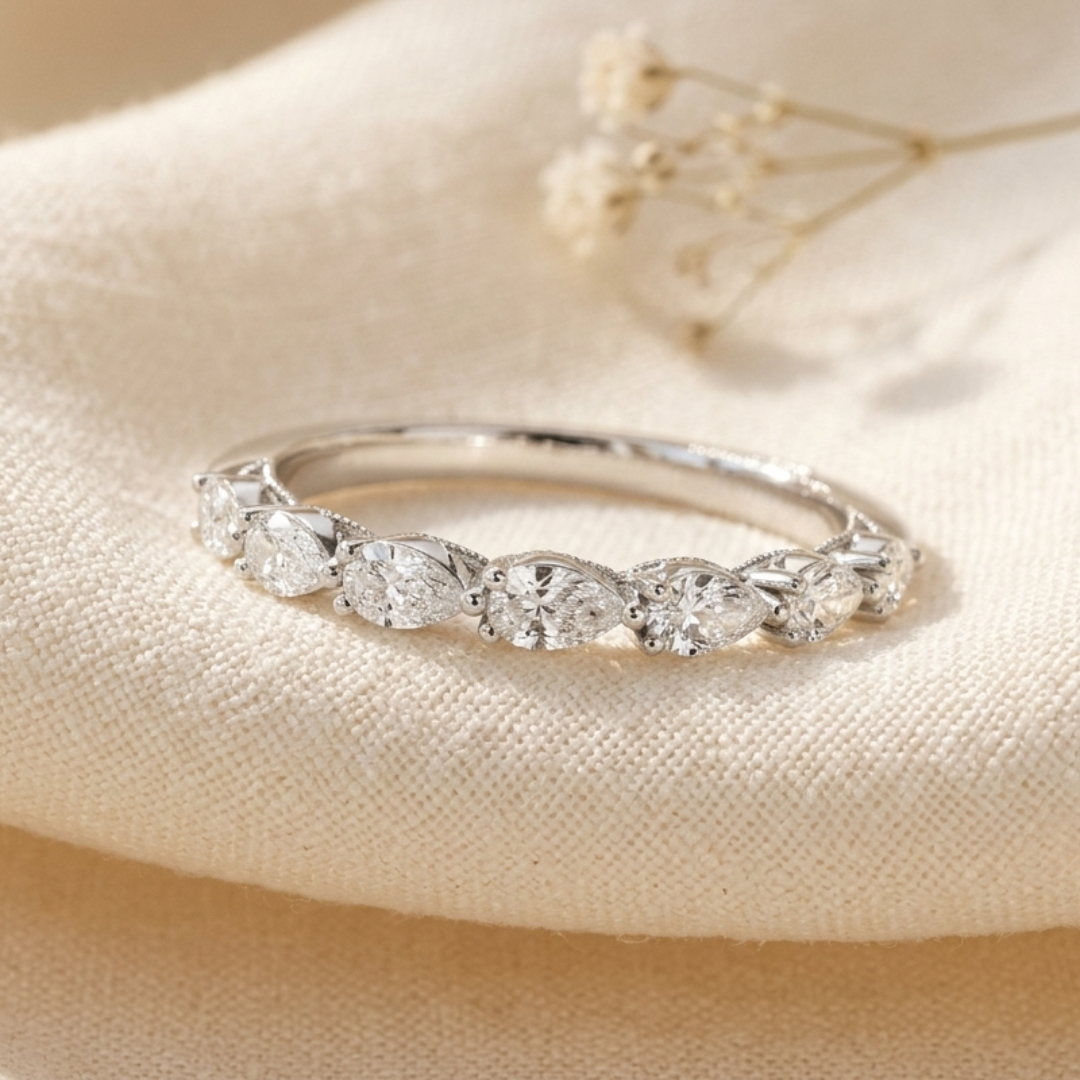
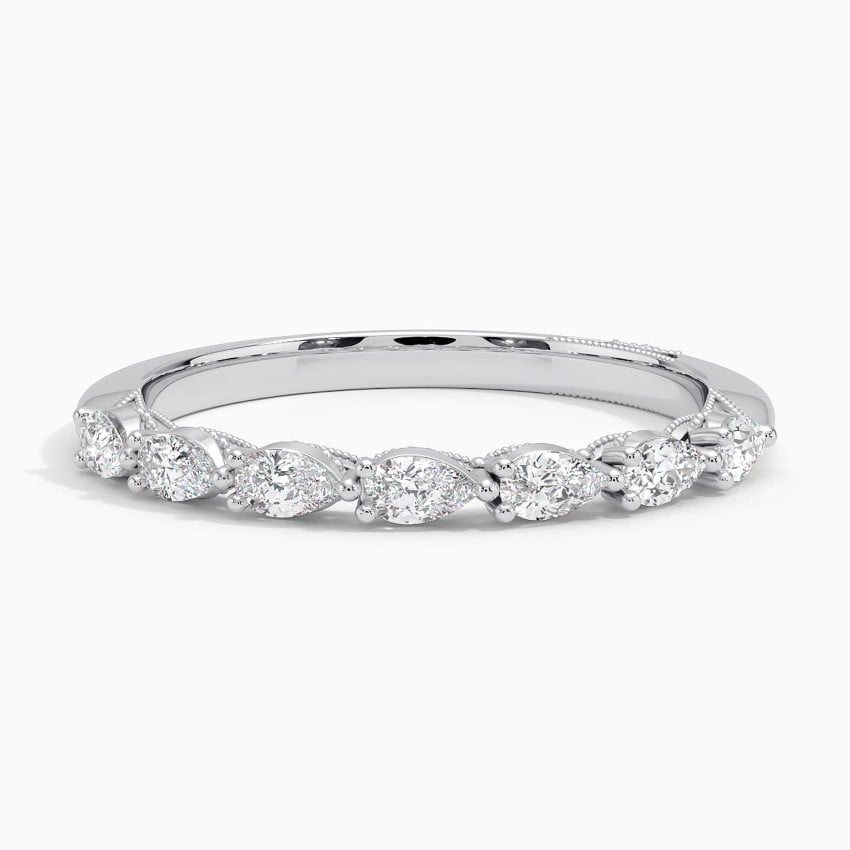
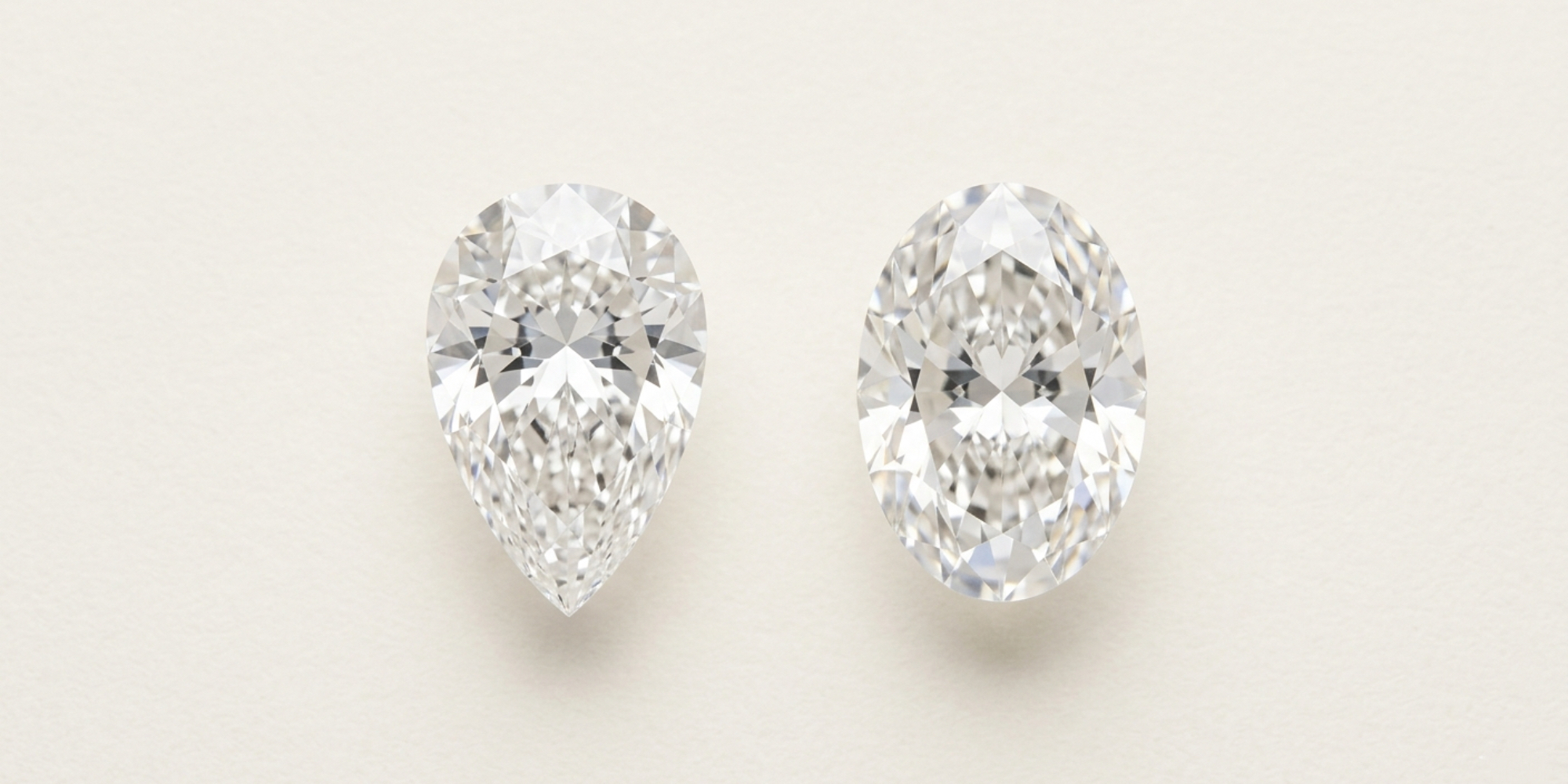
Pear Cut — Precision and Symmetry
Pear shapes combine round brilliance with a pointed structure.
Typical ranges:
- Depth: ~58–62%
- Table: ~53–63%
- Length-to-width: ~1.45–1.55
Key factors:
- perfectly aligned tip
- balanced shoulders
- no visible dark center
Even small asymmetry becomes noticeable in this shape.
Explore the Pear Diamond Rings
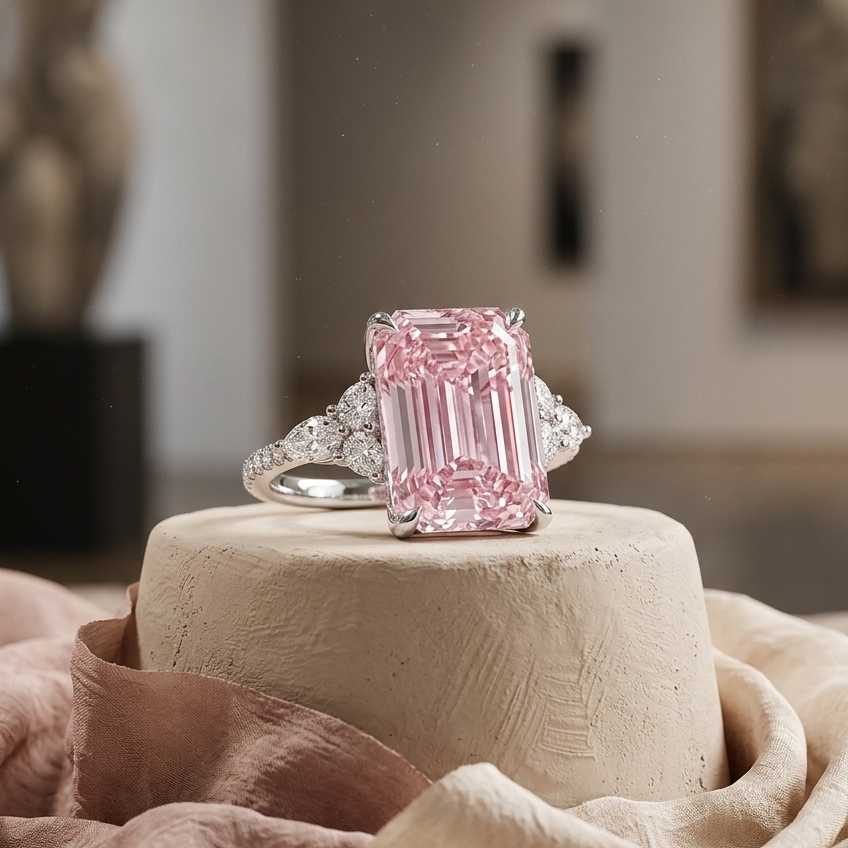
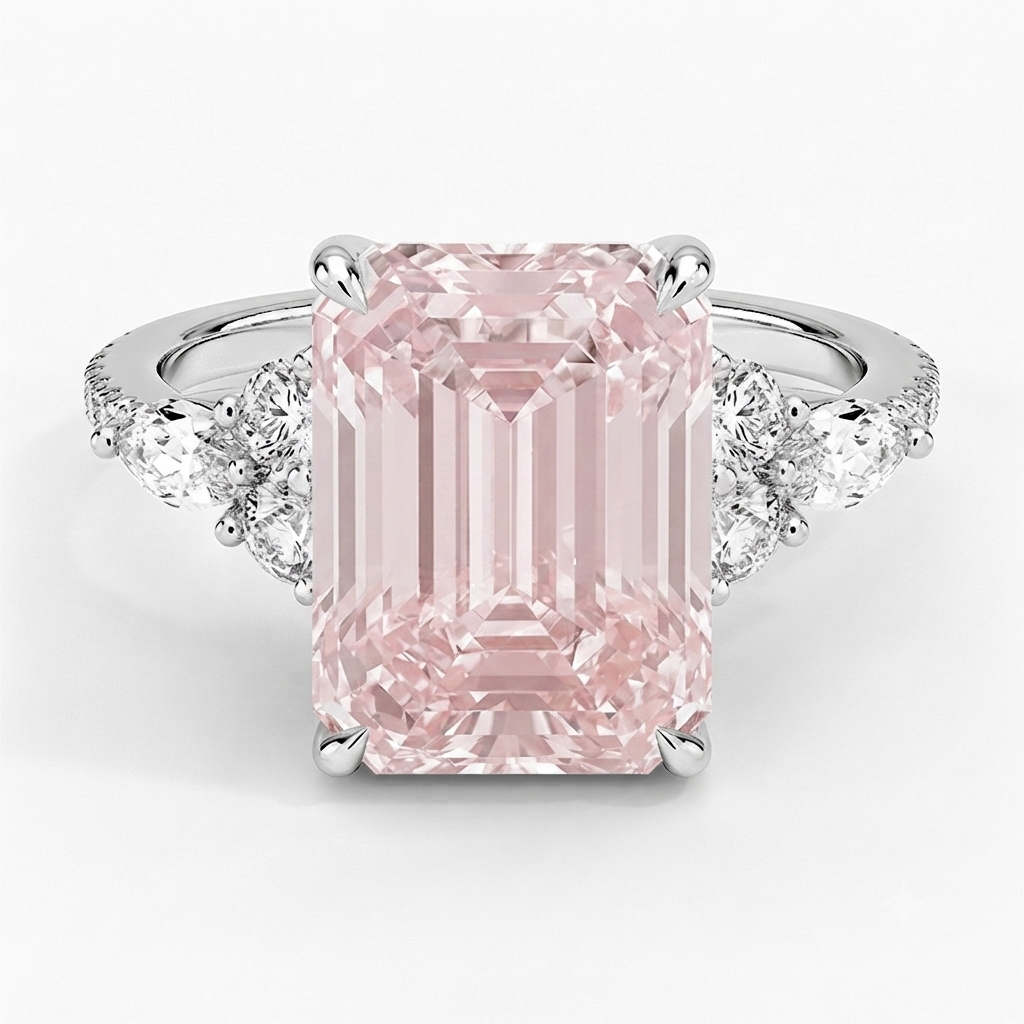
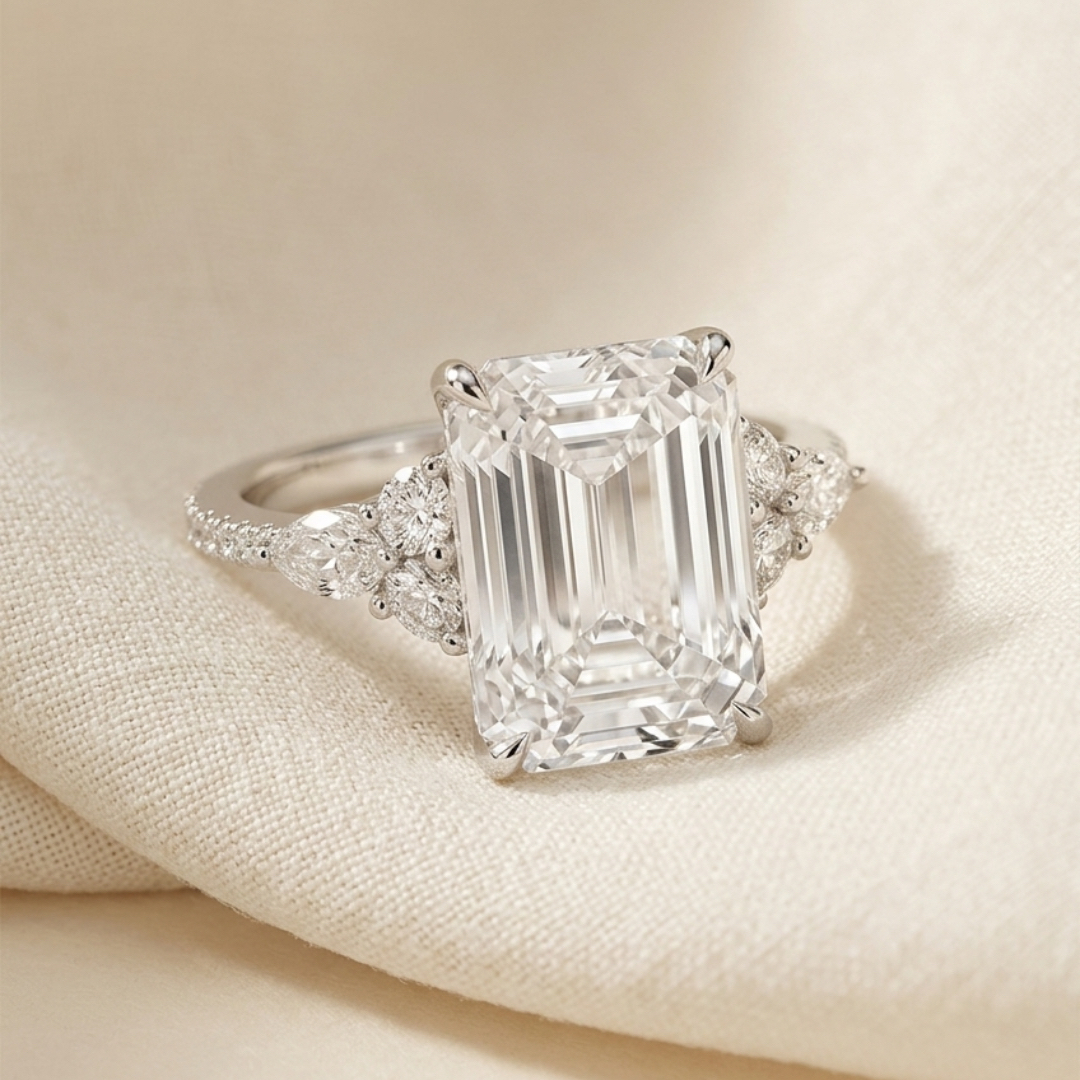
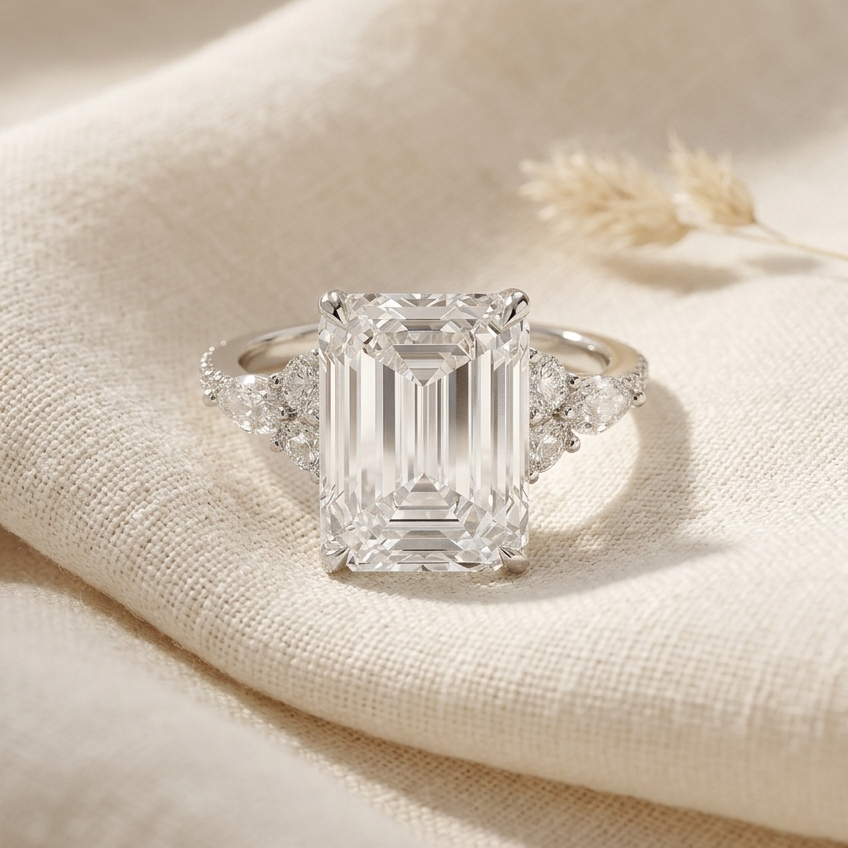
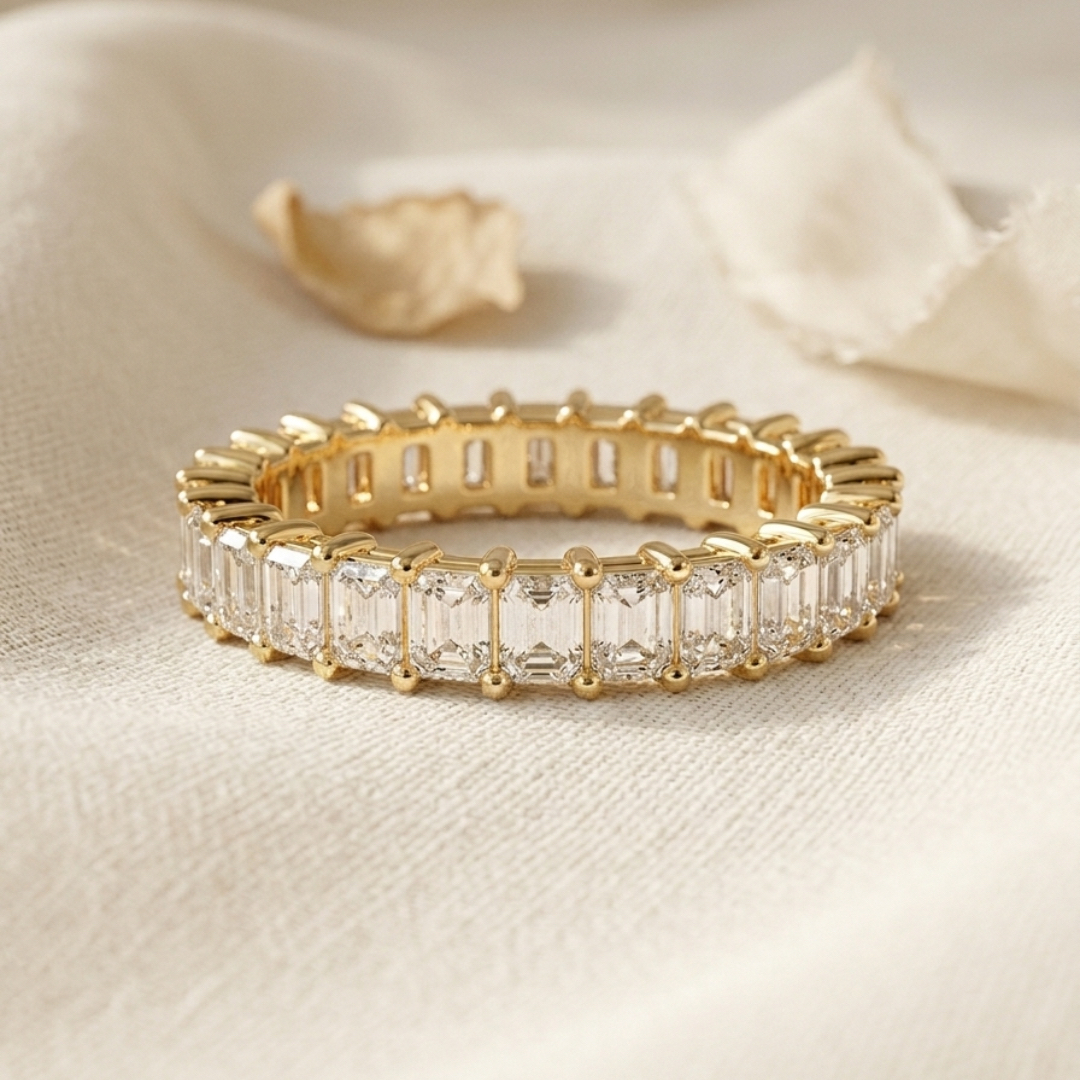
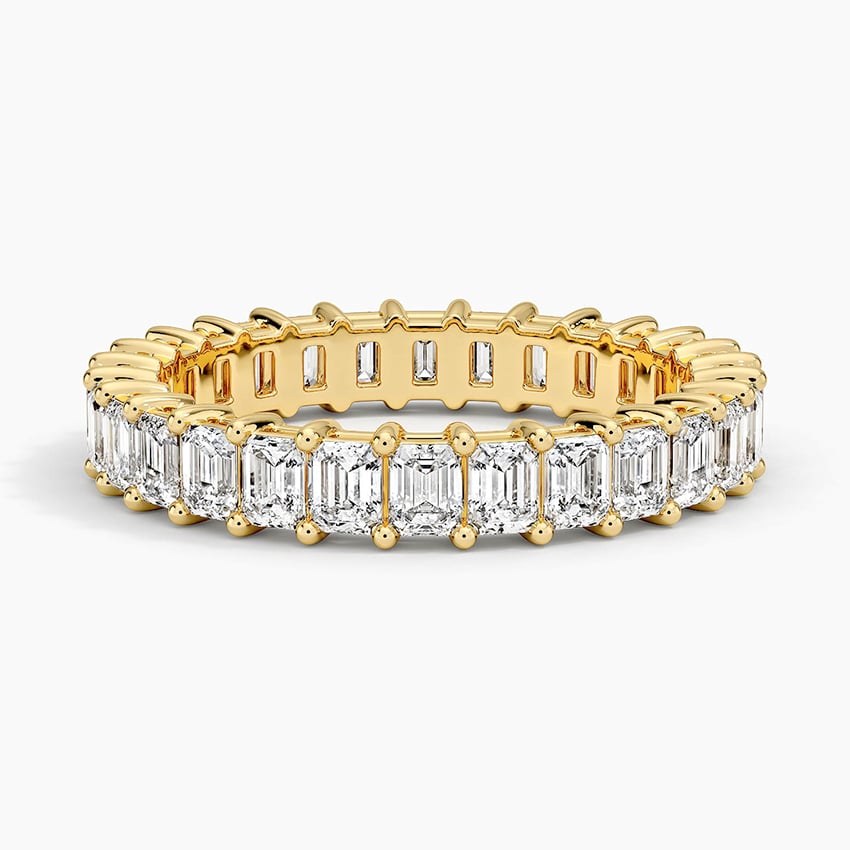
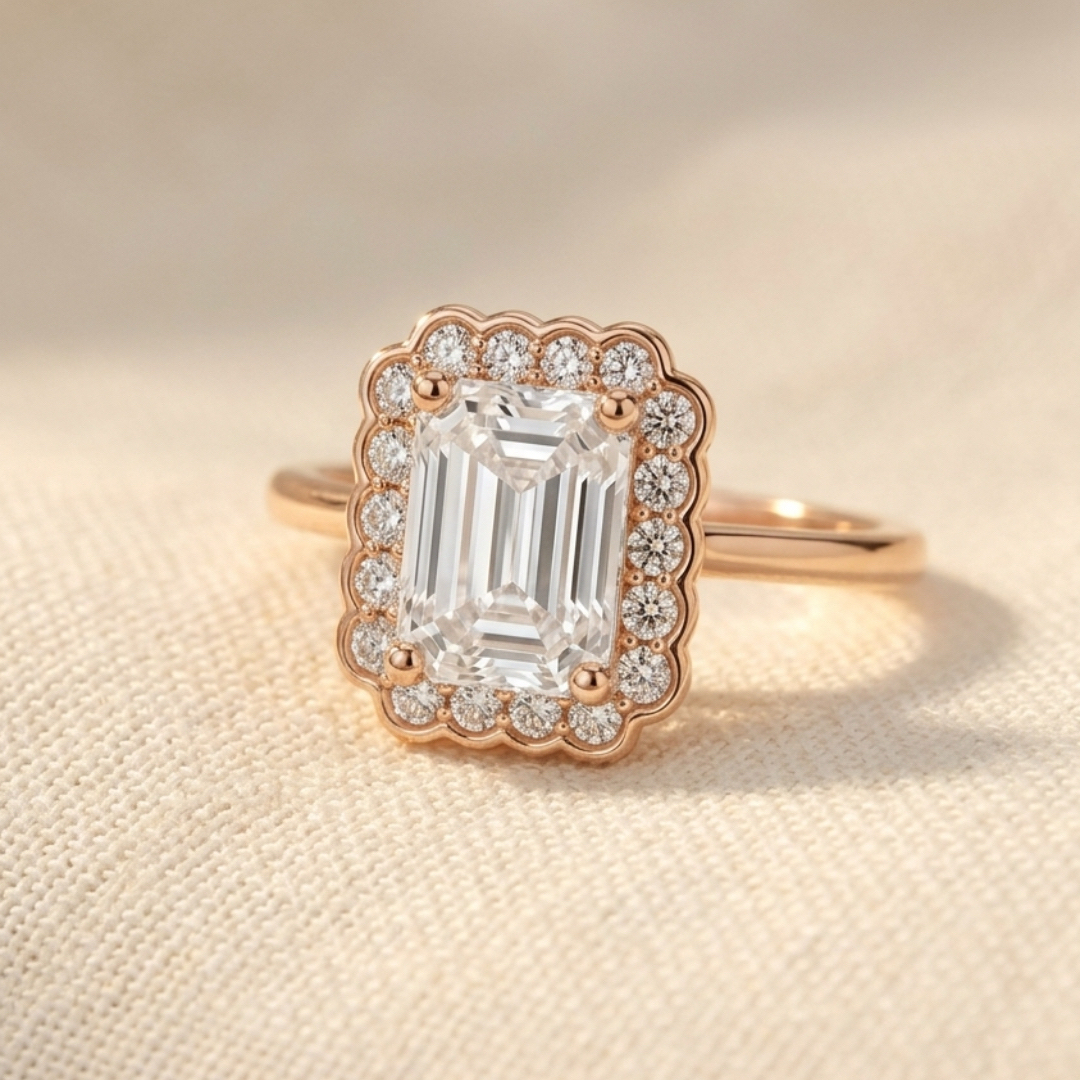
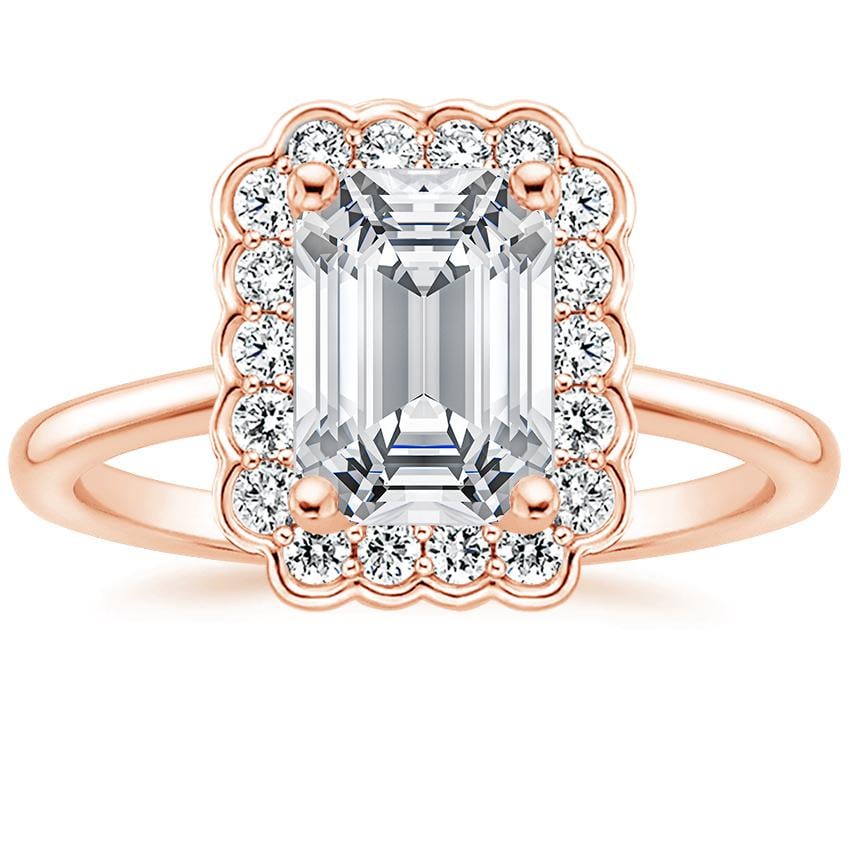
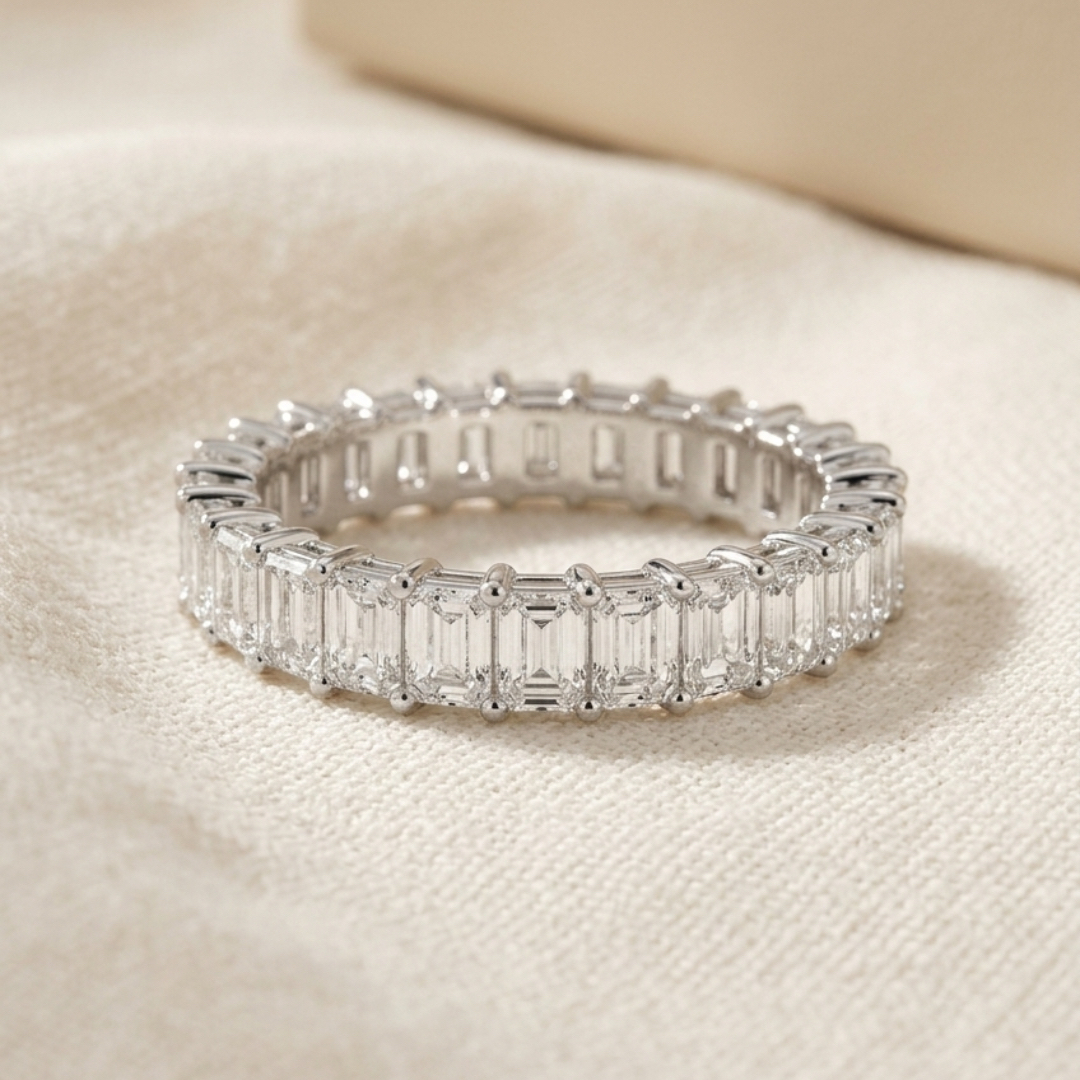
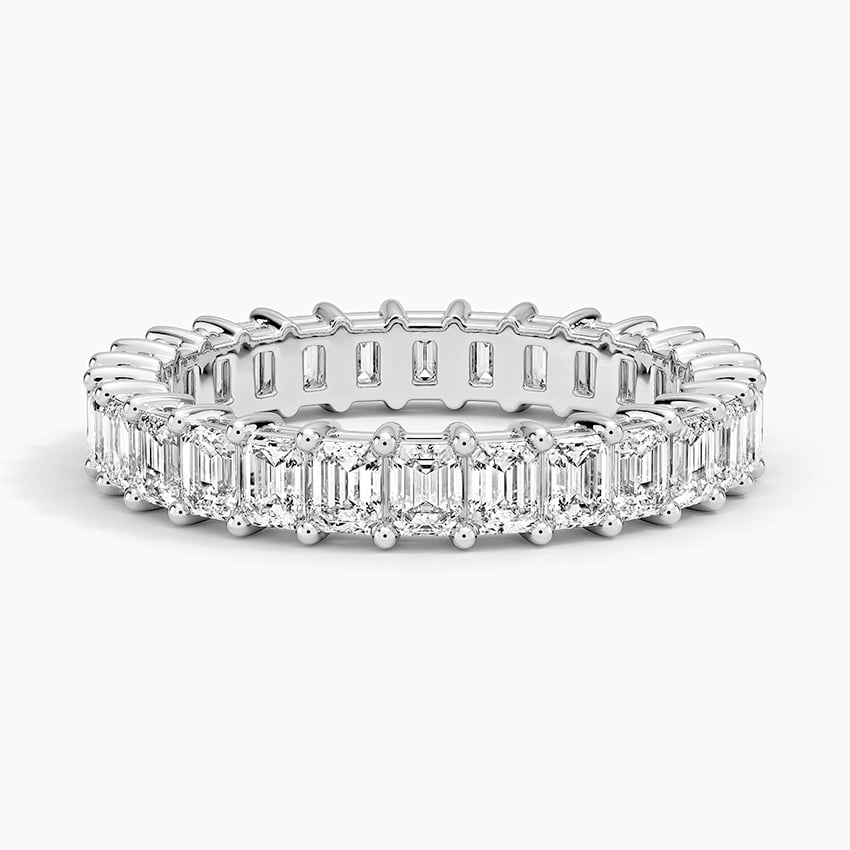
Emerald Cut — Clarity and Proportion
Emerald cuts are step-cut, meaning:
they reflect light differently (mirror-like, not sparkly)
Typical ranges:
- Table: ~53–67%
- Depth: ~58–72%
What matters most:
- high clarity (inclusions are visible)
- precise symmetry
- elegant rectangular proportions
Explore Emerald Cut Diamond Rings
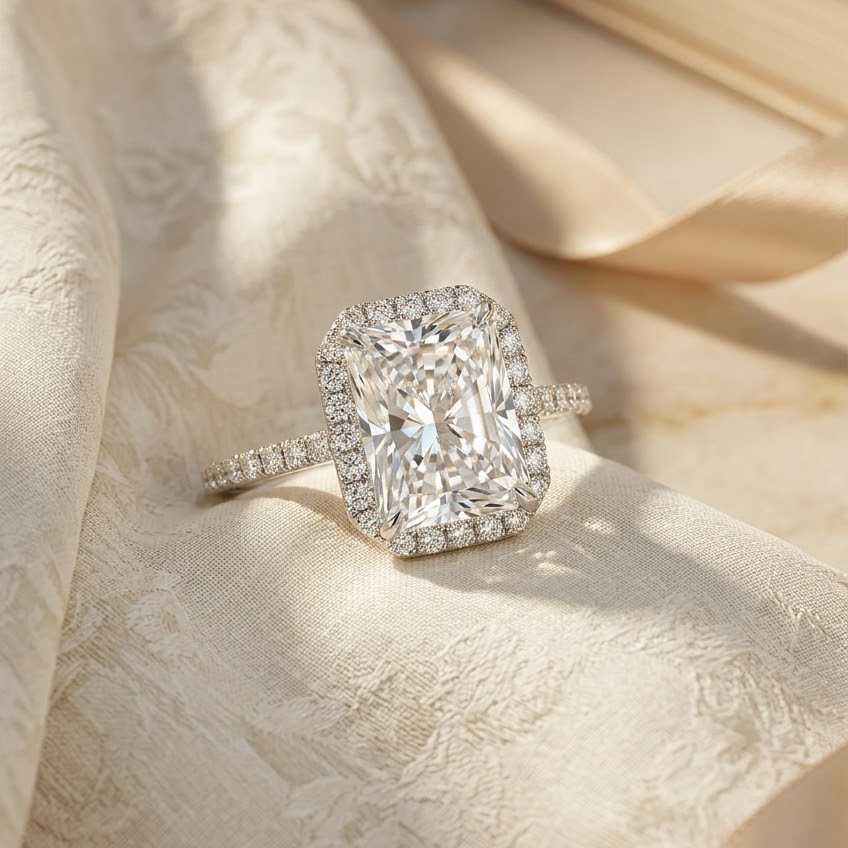
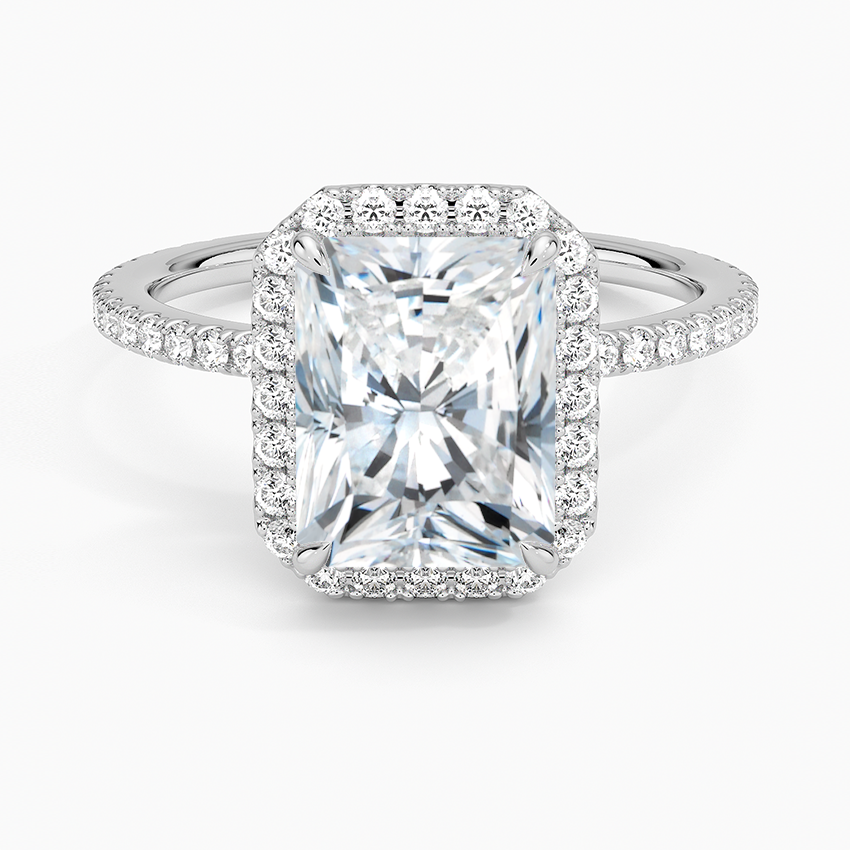
Radiant Cut — Brilliance with Structure
Radiant cuts combine:
- brilliant sparkle
- structured edges
Typical ranges:
- Depth: ~62–68%
- Table: ~58–65%
Evaluation focus:
- strong brightness
- minimal light leakage
- balanced rectangular or square shape
Explore Radiant Cut Diamond Rings
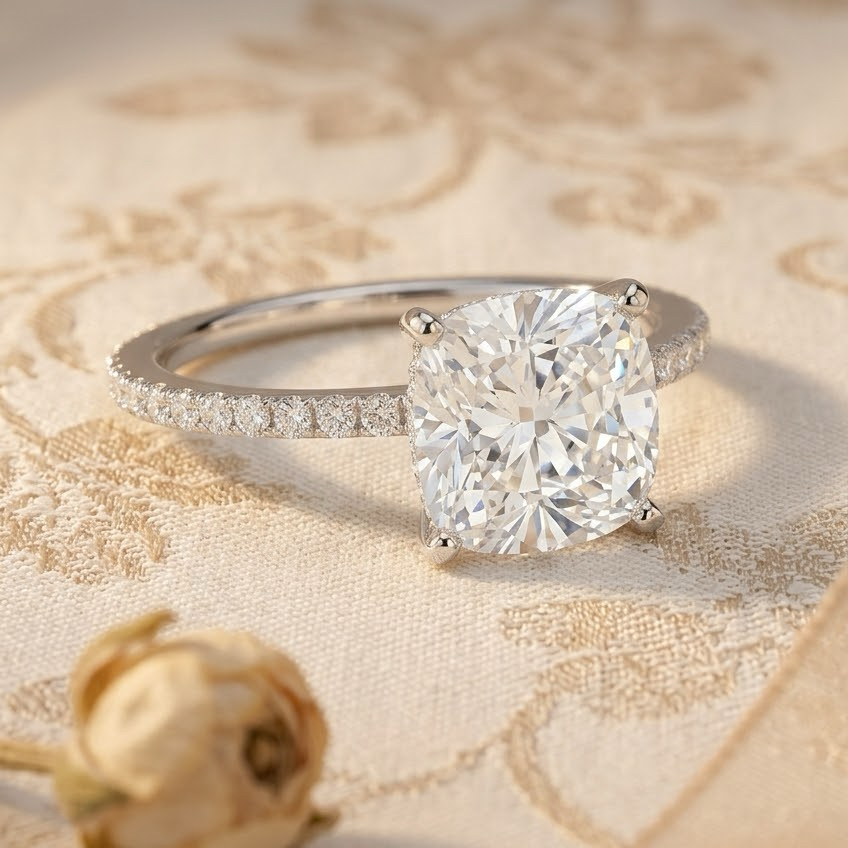
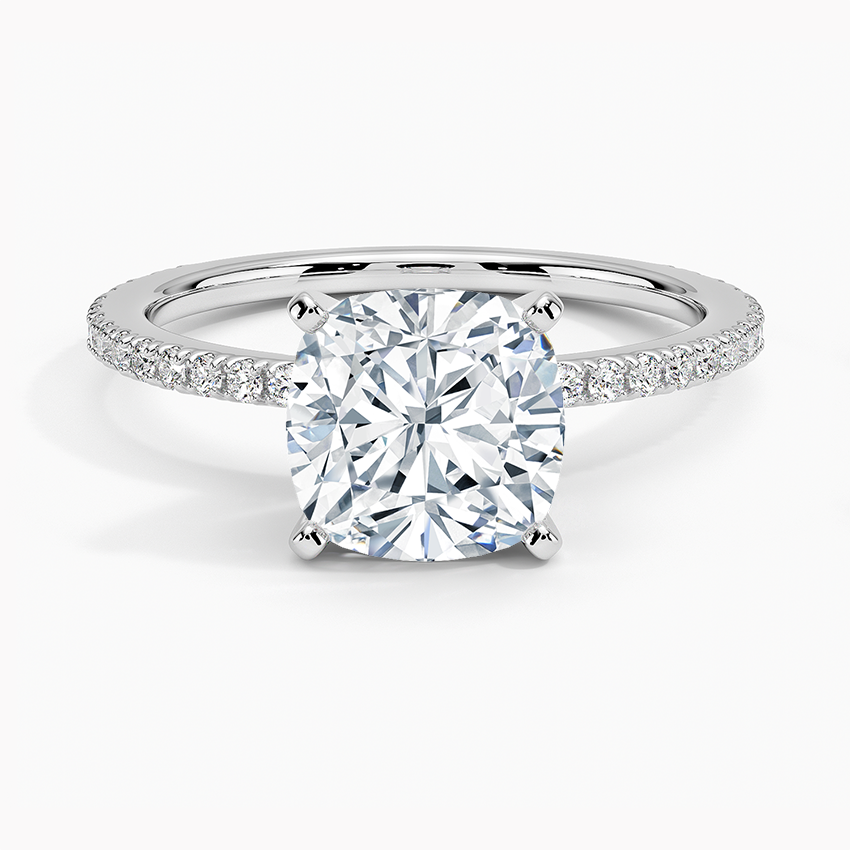
Cushion Cut — Softness and Light
Cushion diamonds vary widely in style.
Typical ranges:
- Depth: ~62–68%
- Table: ~58–65%
What defines “ideal”:
- soft, even light return
- no overly dark areas
- pleasing rounded corners
This is one of the most subjective shapes.
Explore Cushion Cut Diamond Rings
Princess Cut — Structure and Precision
Princess cuts are square brilliant cuts with strong sparkle.
Key criteria:
- even facet alignment
- balanced square proportions
- symmetrical corners
Explore Princess Cut Diamond Rings
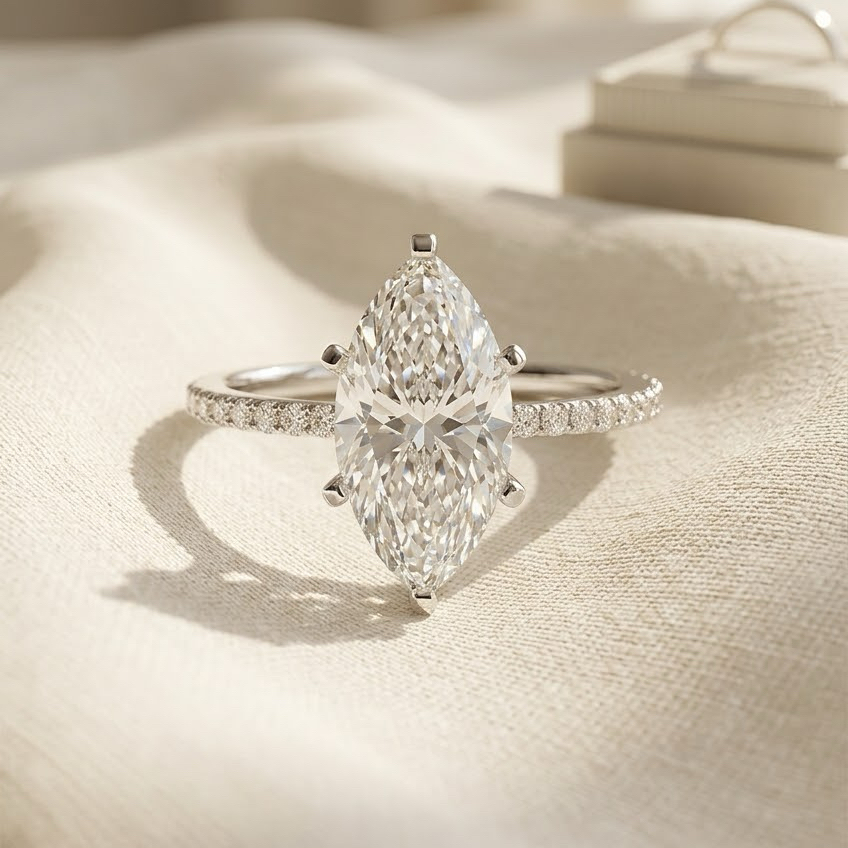
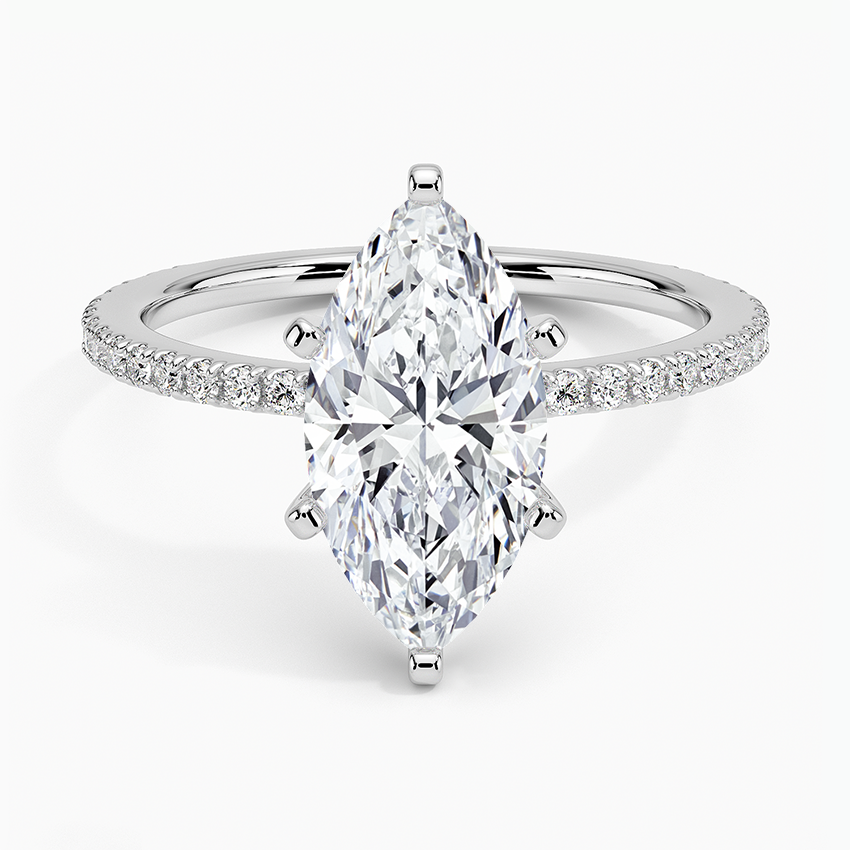
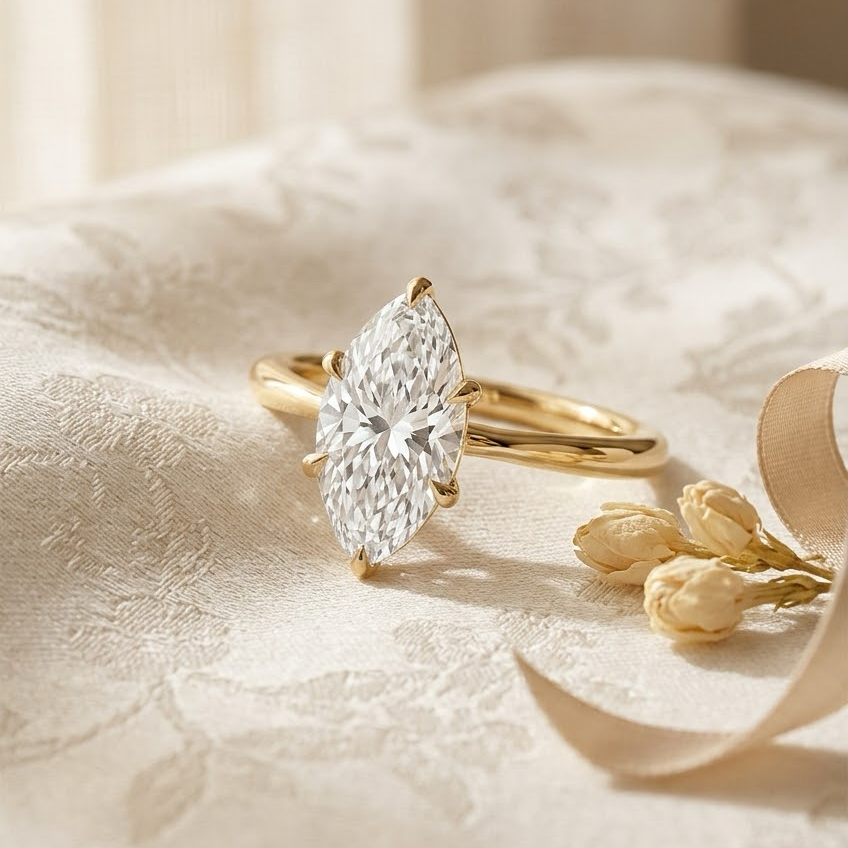
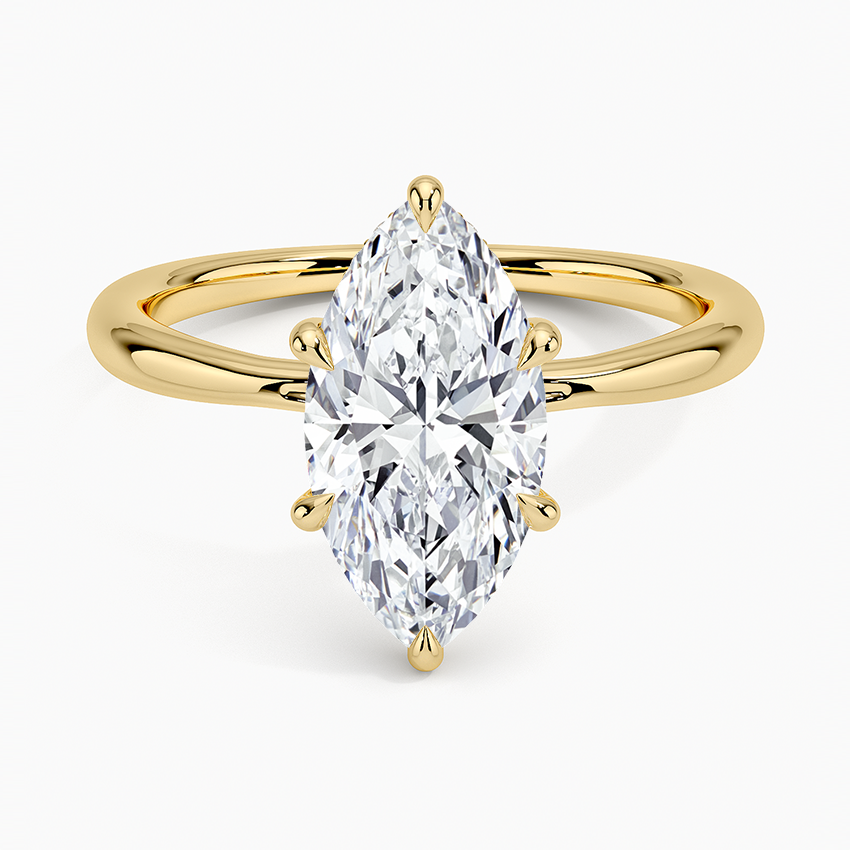
Marquise Cut — Length and Symmetry
Marquise diamonds are elongated and dramatic.
Typical ranges:
- Depth: ~58–64%
- Table: ~55–62%
- Length-to-width: ~1.5–2.5
Key focus:
- perfectly aligned points
- no bow-tie
- even curvature
Asscher Cut — Geometry and Clarity
Asscher cuts are square step cuts with strong symmetry.
Typical ranges:
- Table: ~53–67%
- Depth: ~58–73%
- Length-to-width: ~1.00–1.06
What matters:
- perfect square outline
- high clarity
- strong symmetry
Explore Asscher Cut Diamond Rings
Why Color and Clarity Matter More for Fancy Shapes
Because fancy shapes lack a universal cut grade:
color and clarity become more critical
- They reveal color more easily
- They expose inclusions more clearly
This is why high standards like:
- D color
- VVS1 clarity
matter.
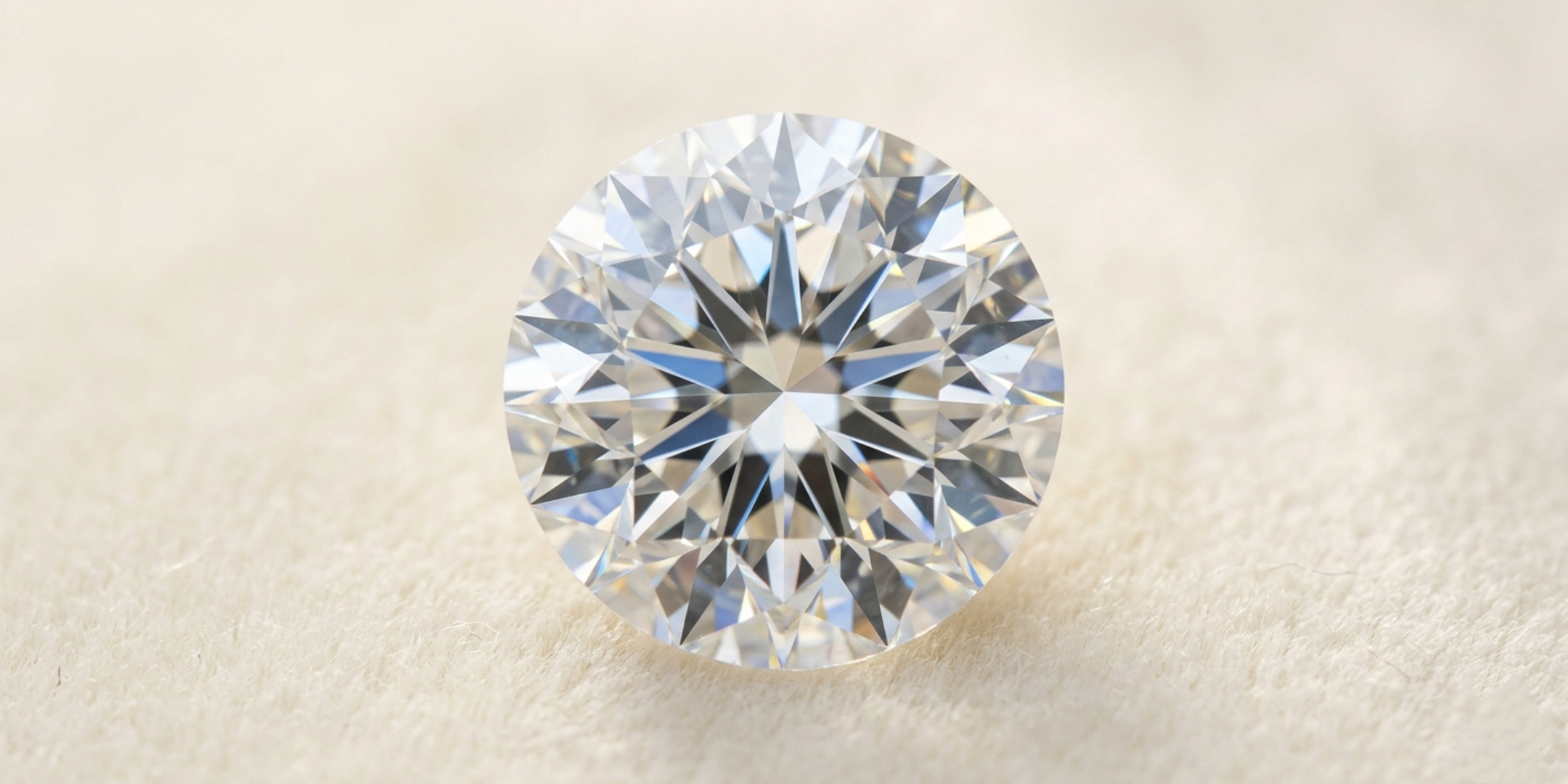
The Reality: “Ideal Cut” Is a Selection Standard — Not a Certificate
Even leading jewelers do not rely on a single “ideal cut” definition. Instead, they filter diamonds using
- proportion ranges
- visually inspect light performance
- select stones that meet internal standards
Final Thought: True Beauty Is Not a Label
“Ideal Cut” is often presented as a definitive grade. In reality, for fancy shapes: it is a curated standard — not a universal truth.
The most beautiful diamond is one that is:
- balanced in proportion
- clean in clarity
- refined in color
- and visually harmonious
Because in the end:
what matters is not what a diamond is called —but how it performs in light, and how it feels when worn.
Explore diamonds selected for exceptional balance, clarity, and light performance — crafted for confidence, precision, and quiet brilliance@Her Crown