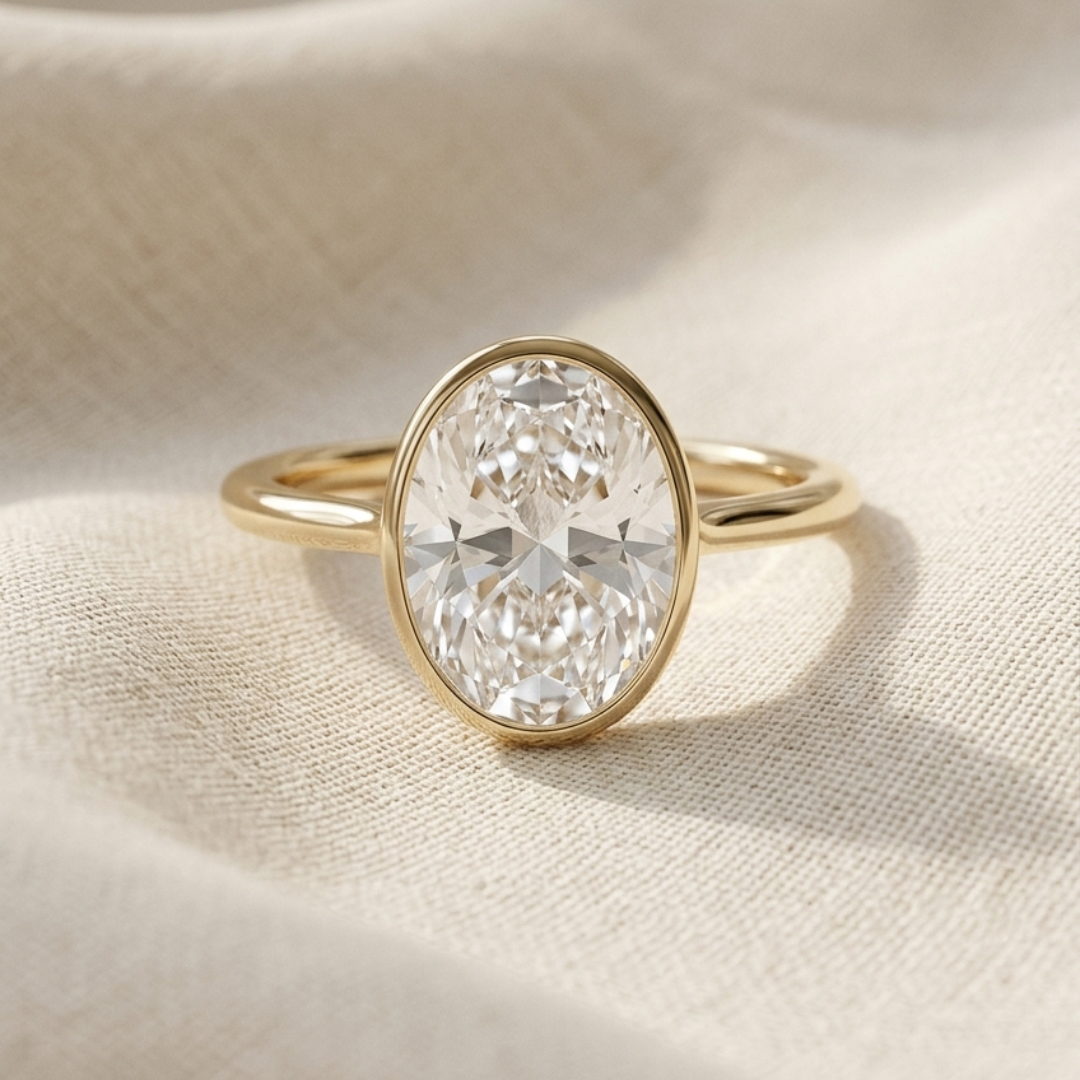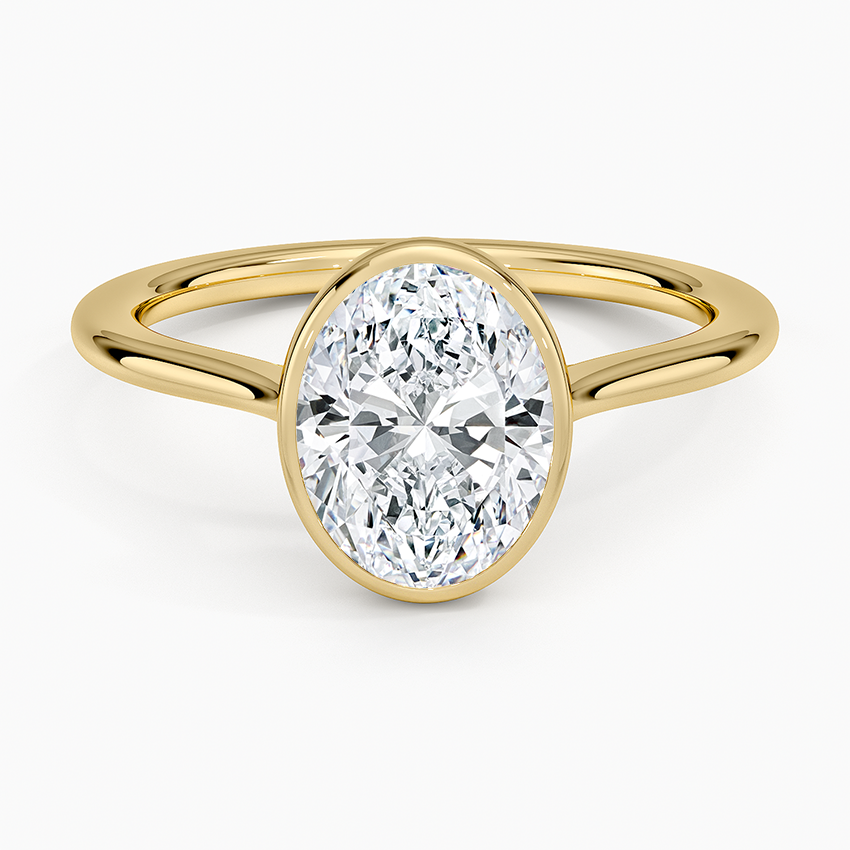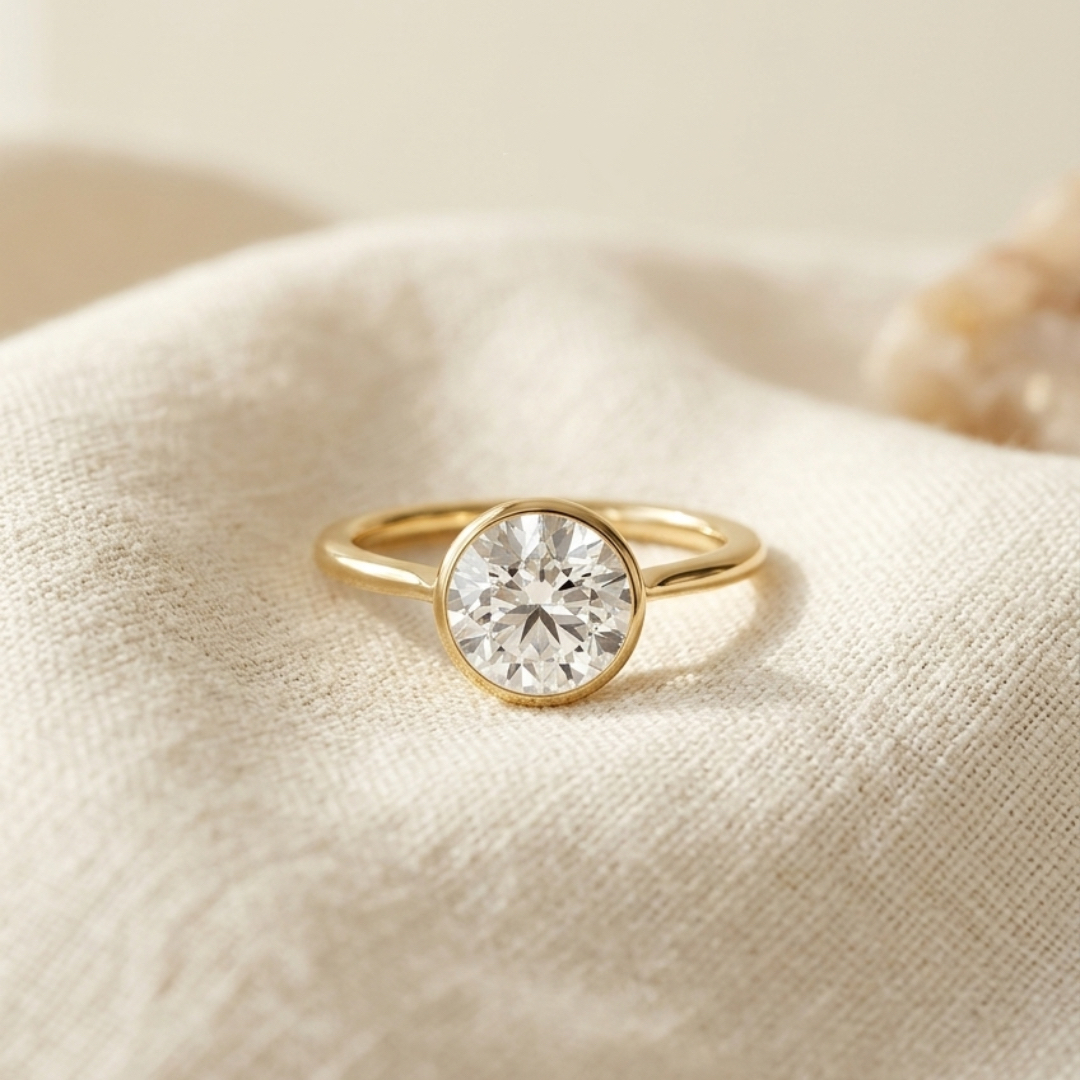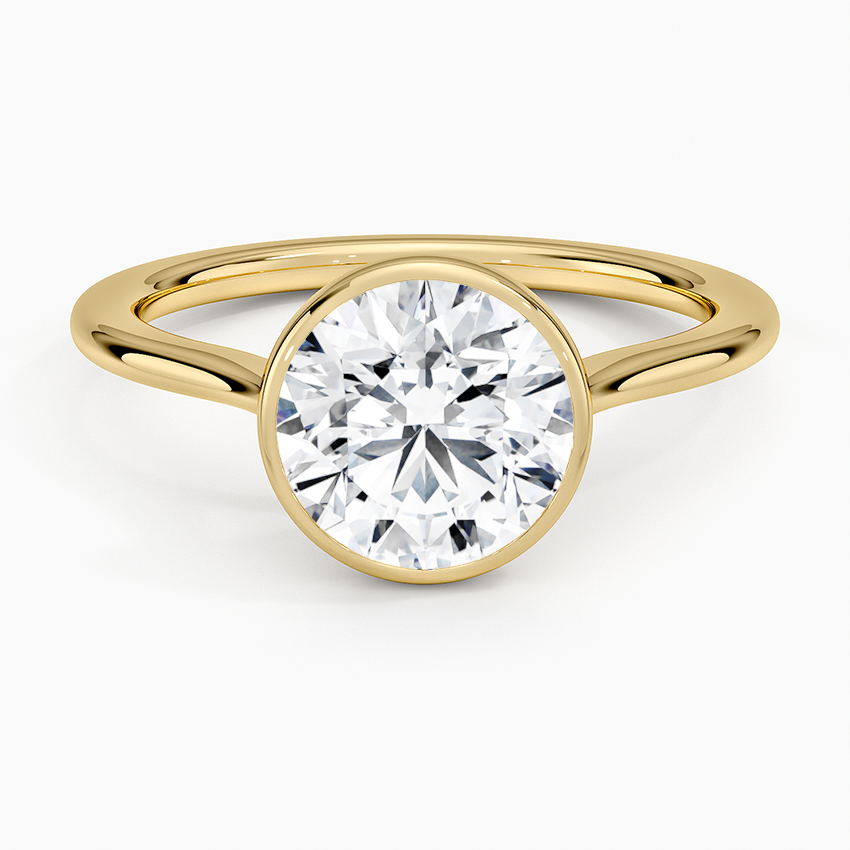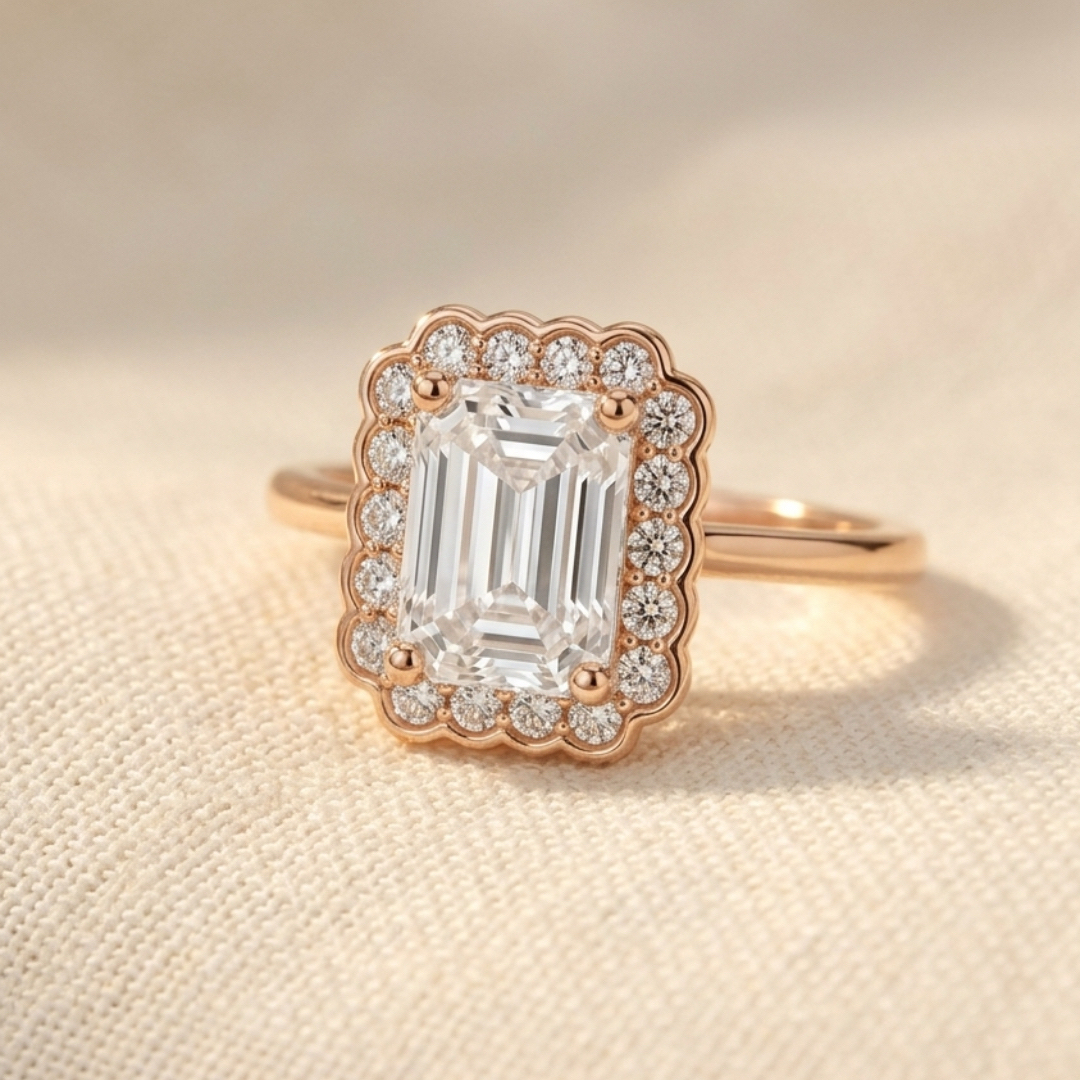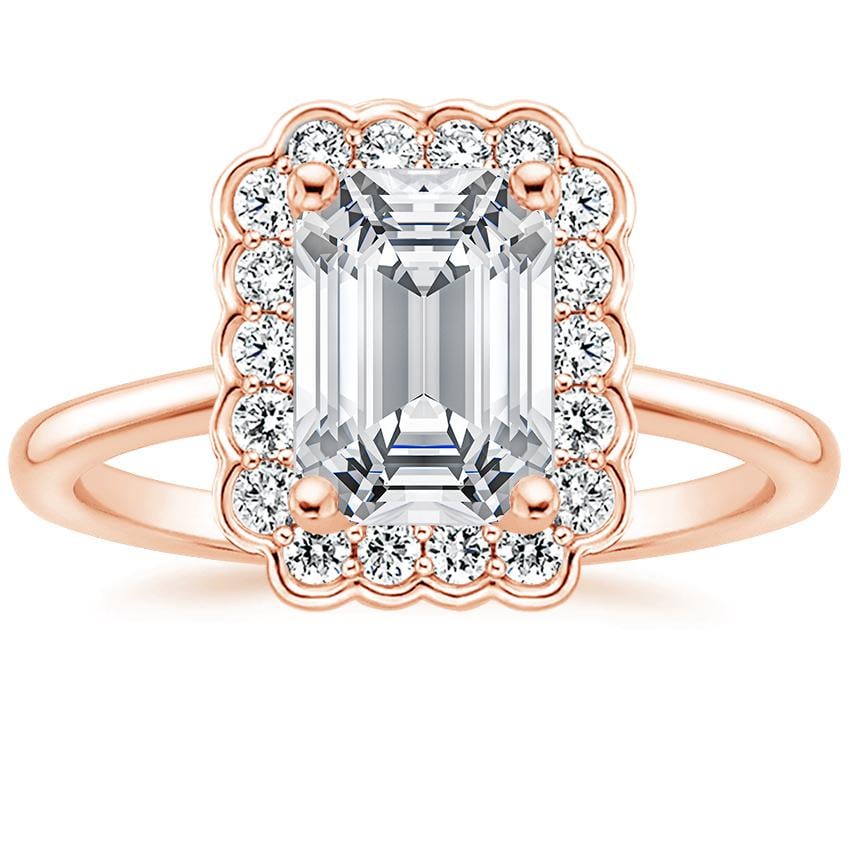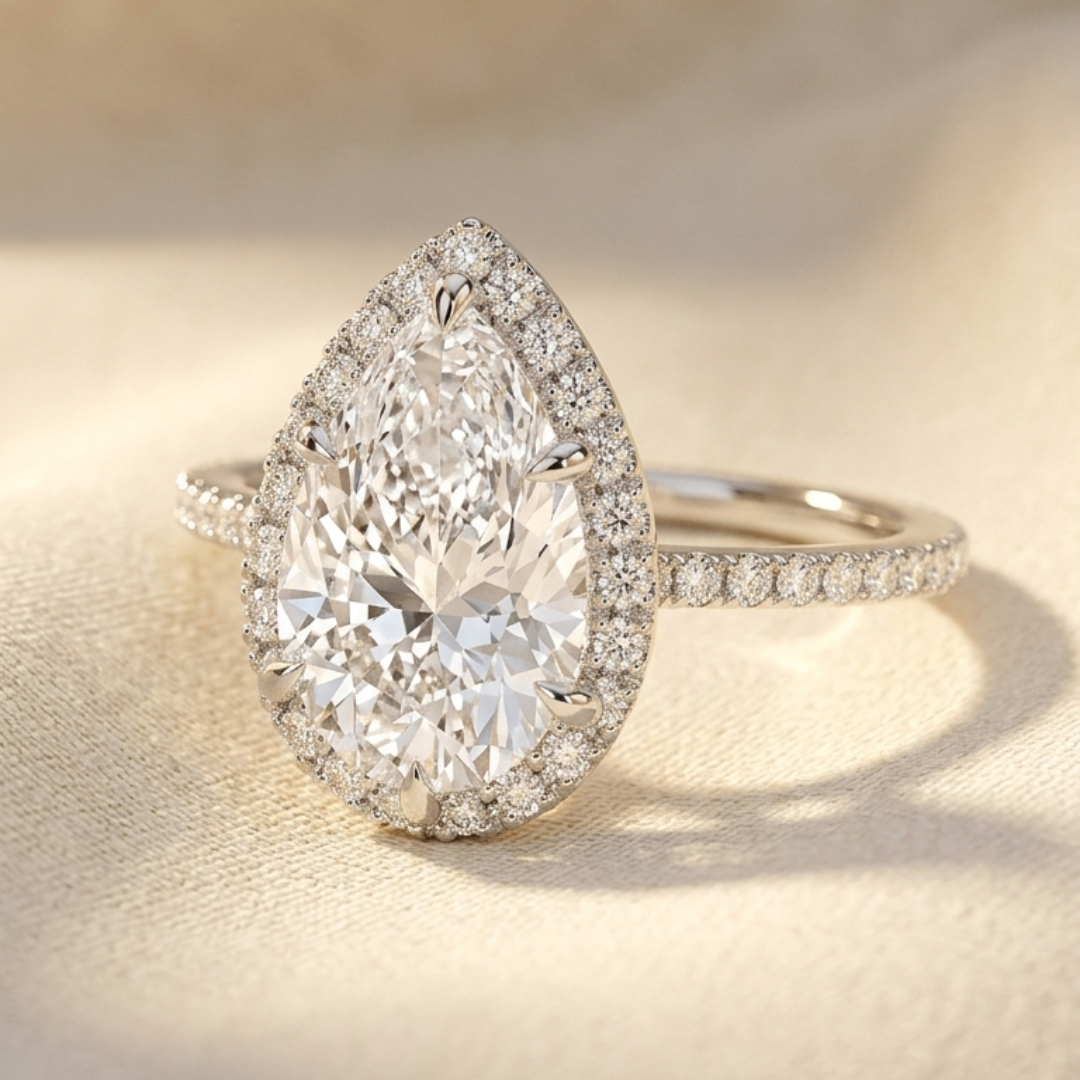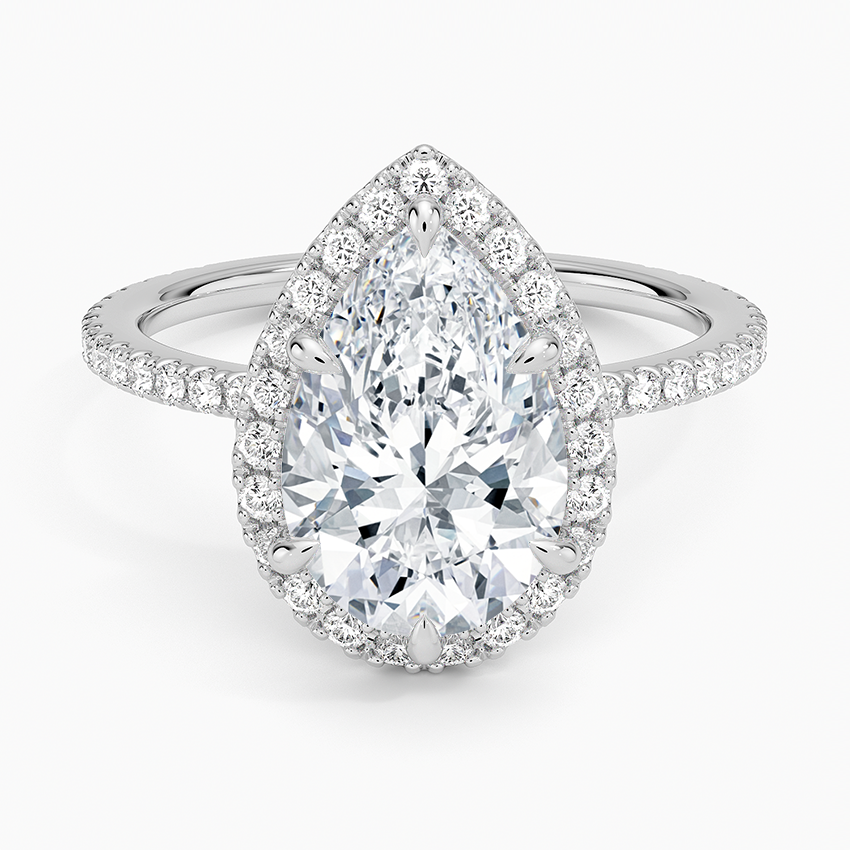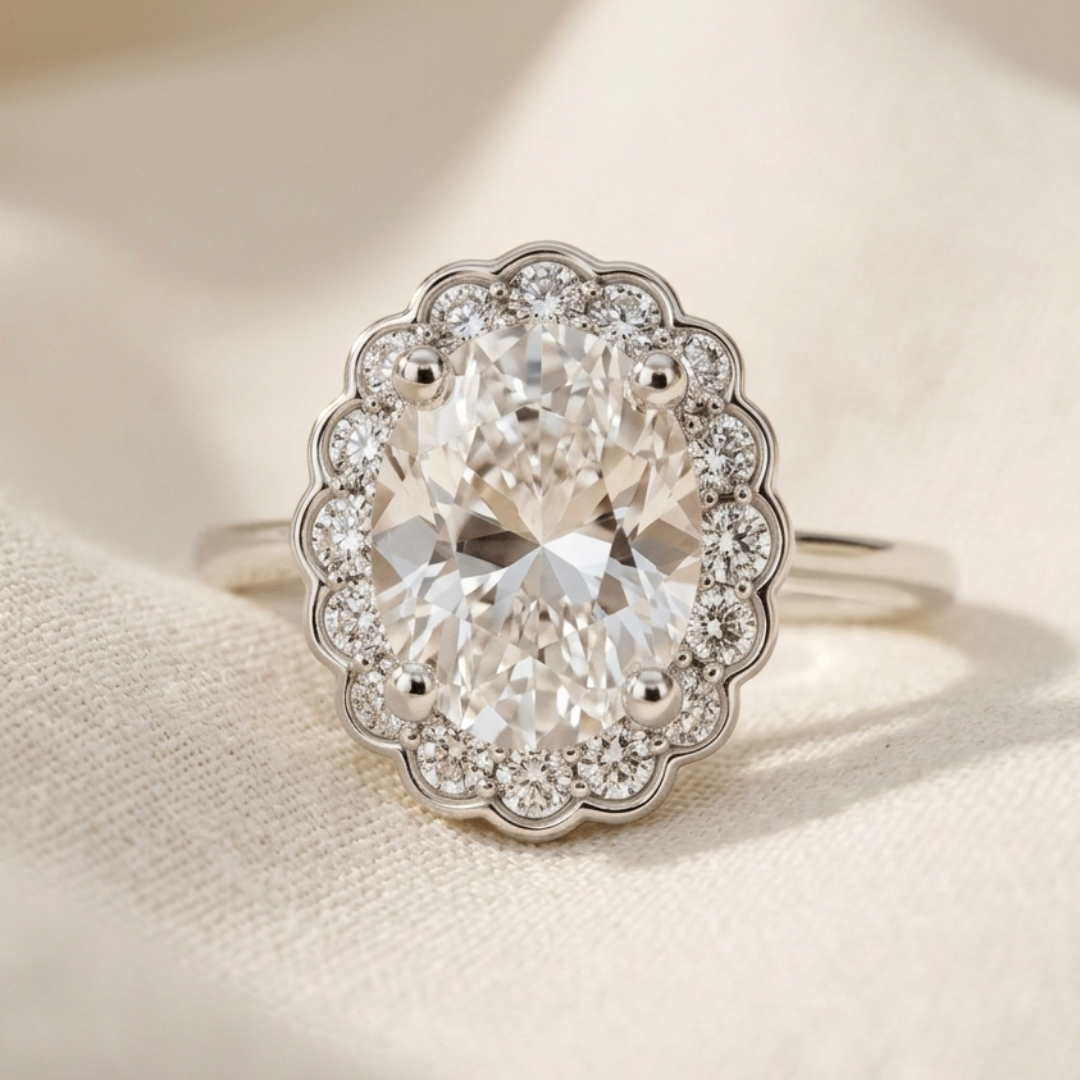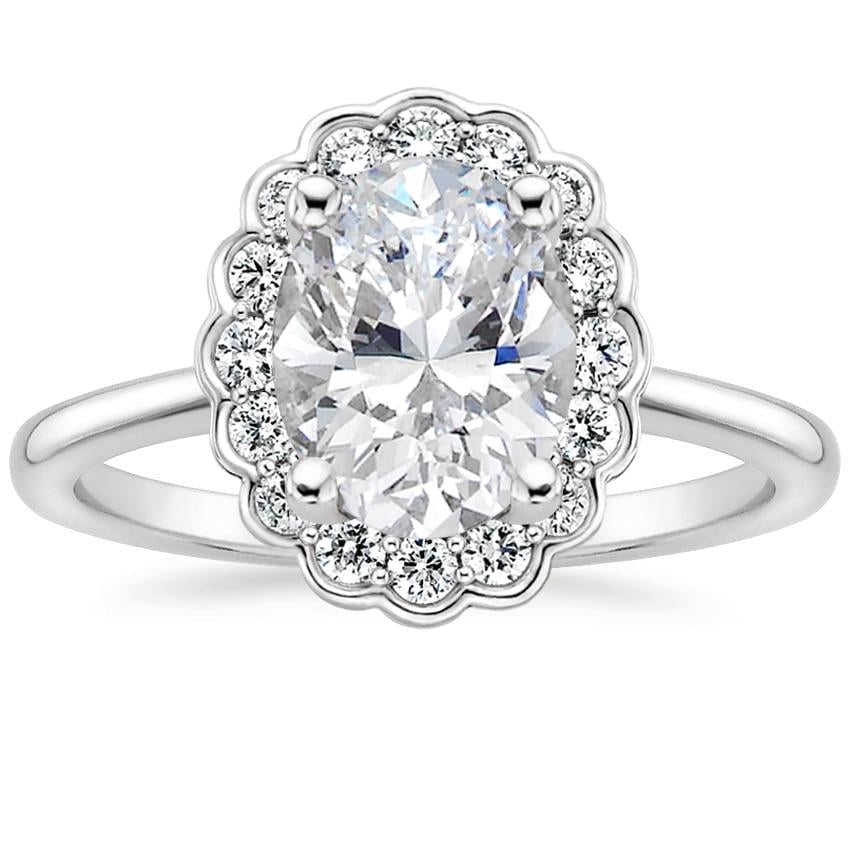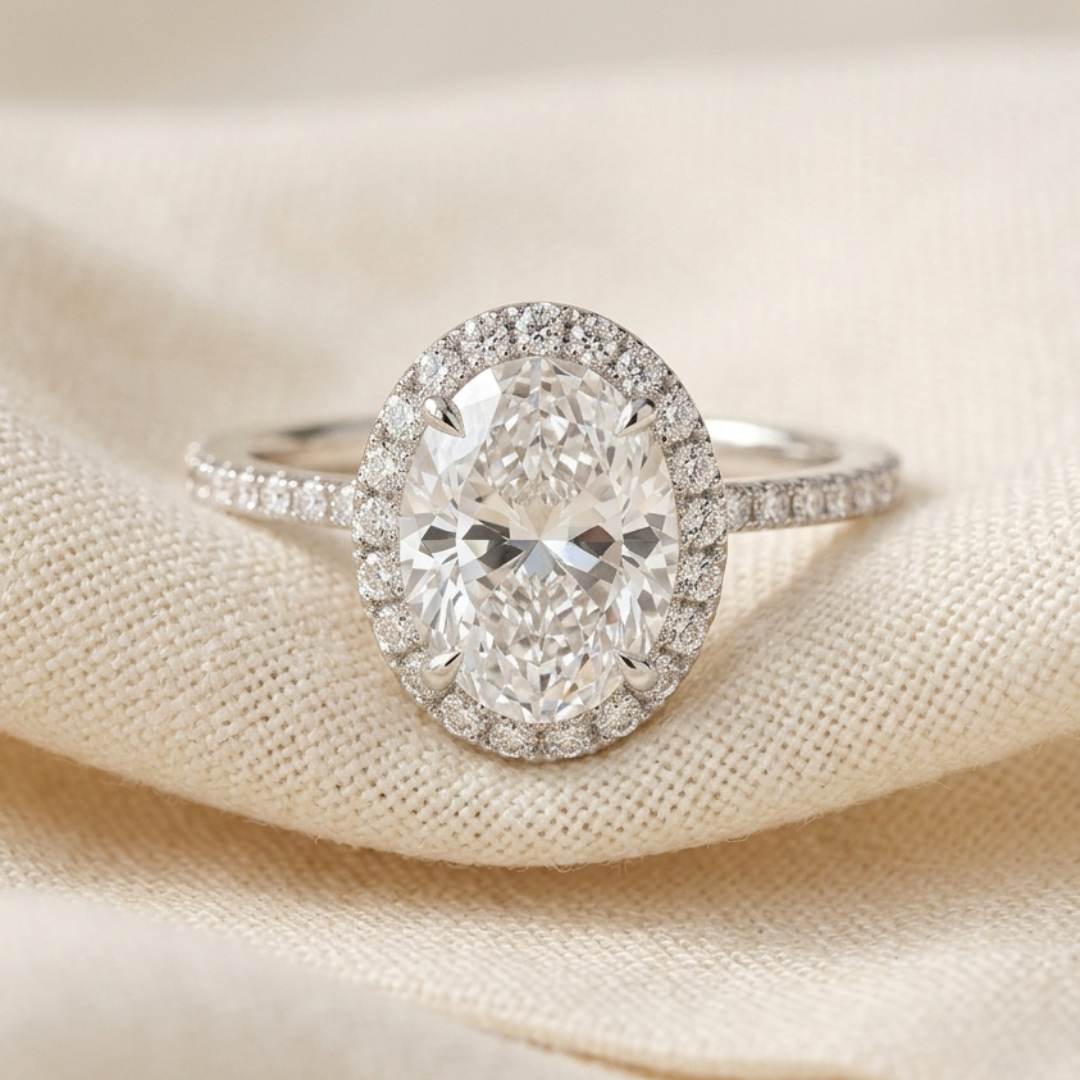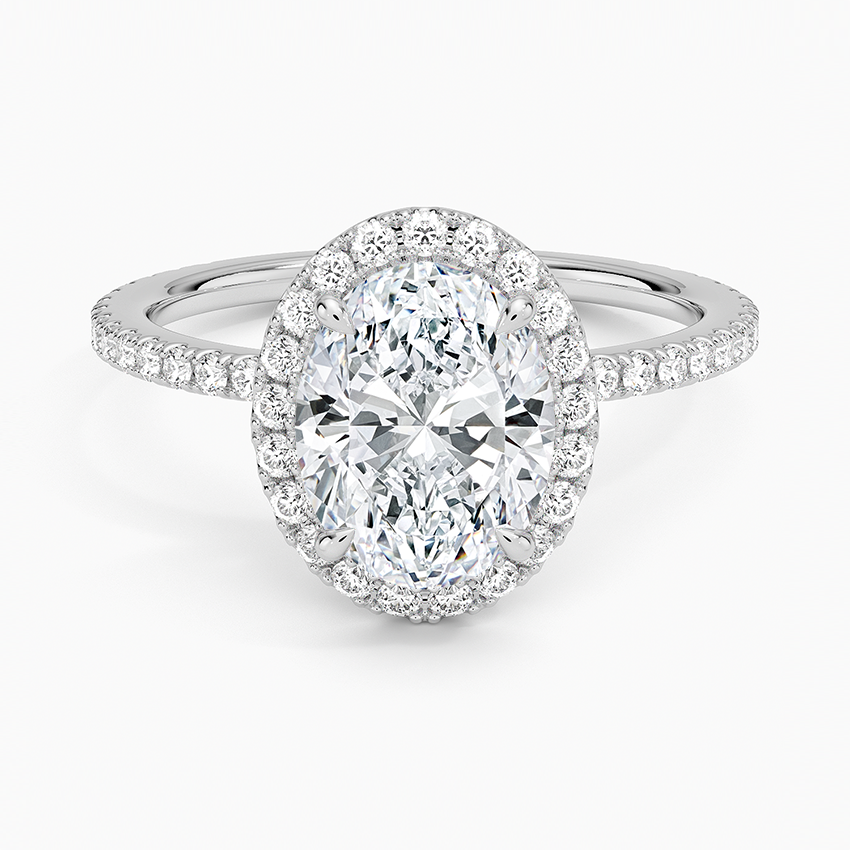
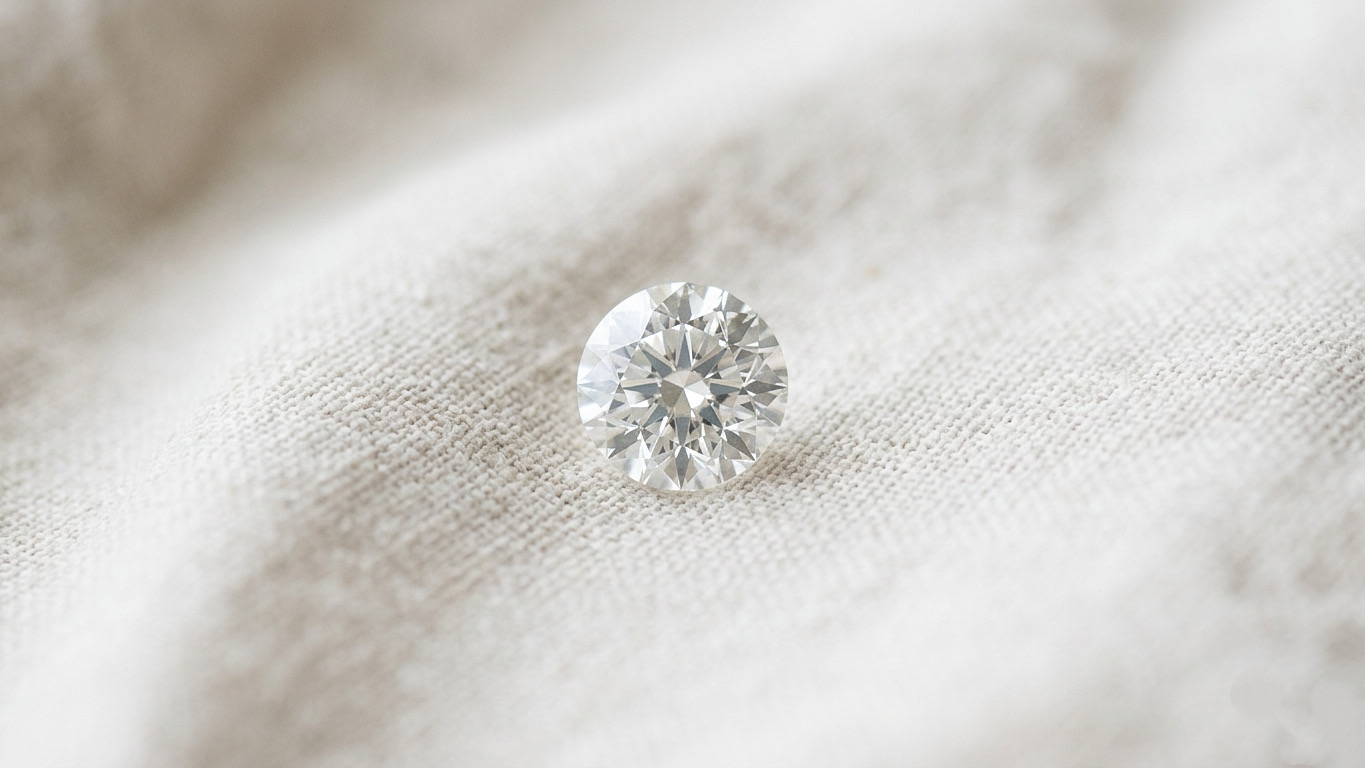
Choosing a diamond today comes with more options than ever before. Among them, lab-grown diamonds have quickly become one of the most discussed — and often misunderstood — choices.
Many buyers ask the same question:
“Is a lab-grown diamond really worth it?”
The answer is yes — but only if you understand what truly defines value in a diamond.
This guide breaks down the most common misconceptions and helps you make a confident, informed decision.
What Is a Lab-Grown Diamond, Really?
A lab-grown diamond is not an imitation.
It is a real diamond — with the same:
- chemical composition
- crystal structure
- hardness (10 on the Mohs scale)
- brilliance and fire
The only difference is origin.
Instead of forming underground, lab-grown diamonds are created using advanced technology instead of natural conditions.
Even professional grading labs such as the International Gemological Institute require specialized equipment to distinguish them from mined diamonds.
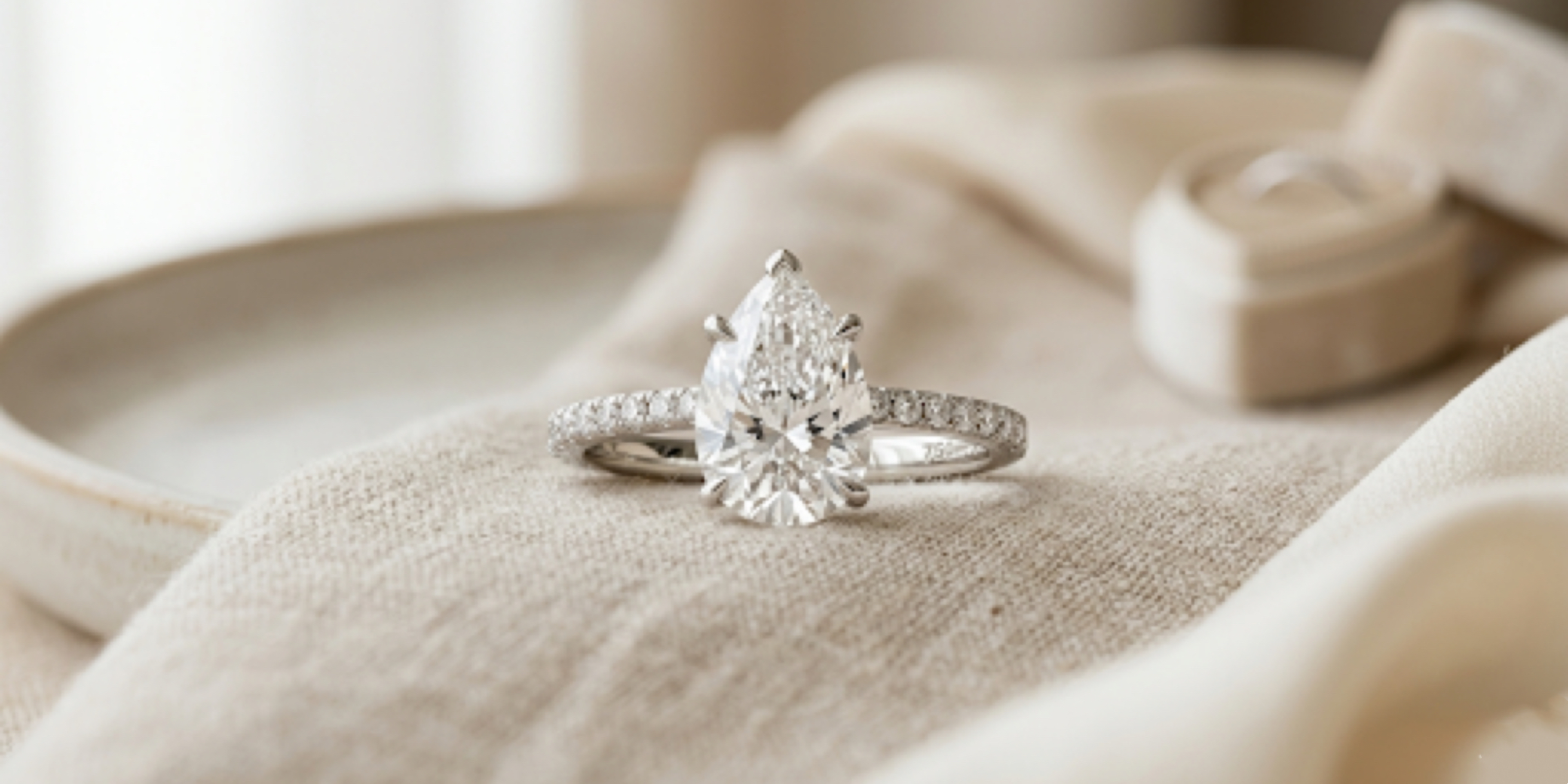
What Most Buyers Get Wrong
Despite their growing popularity, several misconceptions still influence buying decisions.
Let’s address them clearly.
Misconception 1: Lab-Grown Diamonds Are Not Real
This is the most common misunderstanding.
Lab-grown diamonds are not simulants like cubic zirconia or moissanite.
They are real diamonds — physically, chemically, and optically identical to mined ones.
The difference lies only in how they are created, not what they are.
Misconception 2: They Are Lower Quality
In reality, lab-grown diamonds often achieve higher quality standards.
Because they are created in controlled environments, it is easier to produce diamonds with:
- better color grades
- higher clarity
- fewer inclusions
This allows for consistent availability of top-tier specifications such as D color and VVS1 clarity — a level of purity that is rare and costly in mined diamonds.
Misconception 3: Bigger Is Always Better
Many buyers focus on carat weight, assuming size equals value.
But what truly defines a diamond’s beauty is how it interacts with light.
A smaller diamond with:
- excellent cut
- high clarity
- colorless grade
will often appear more brilliant and refined than a larger stone with lower quality.
Understanding this shift — from size to quality — is where most buyers begin to make better decisions.

Misconception 4: They Don’t Hold Value
This belief comes from comparing diamonds purely as financial assets.
But most diamond purchases are emotional, not investment-driven.
The true value of a diamond lies in:
- how it looks
- how it feels to wear
- what it represents
Lab-grown diamonds allow buyers to prioritize quality and intention, rather than scarcity alone.
Misconception 5: They Are the Same — So Any One Will Do
Not all lab-grown diamonds are equal.
Quality still varies significantly based on the 4Cs:
- Cut
- Color
- Clarity
- Carat
For example:
- D color ensures complete colorlessness
- VVS1 clarity ensures near-perfect internal purity
- Excellent cut ensures maximum brilliance
Choosing high standards makes a visible difference.
What Makes a Lab-Grown Diamond Worth It
A lab-grown diamond is worth it when it delivers:
✔ Visual Excellence
Clear, colorless appearance with refined brilliance
✔ Precision Quality
High grades in color, clarity, and cut
✔ Ethical Alignment
No environmental degradation from mining
No concerns around sourcing transparency
✔ Emotional Meaning
A piece chosen intentionally — not out of tradition, but personal value
A More Thoughtful Way to Choose
Modern luxury is shifting.
It is no longer defined by rarity alone, but by clarity of choice.
A lab-grown diamond allows you to choose:
- better quality
- responsible sourcing
- refined aesthetics
without compromise.
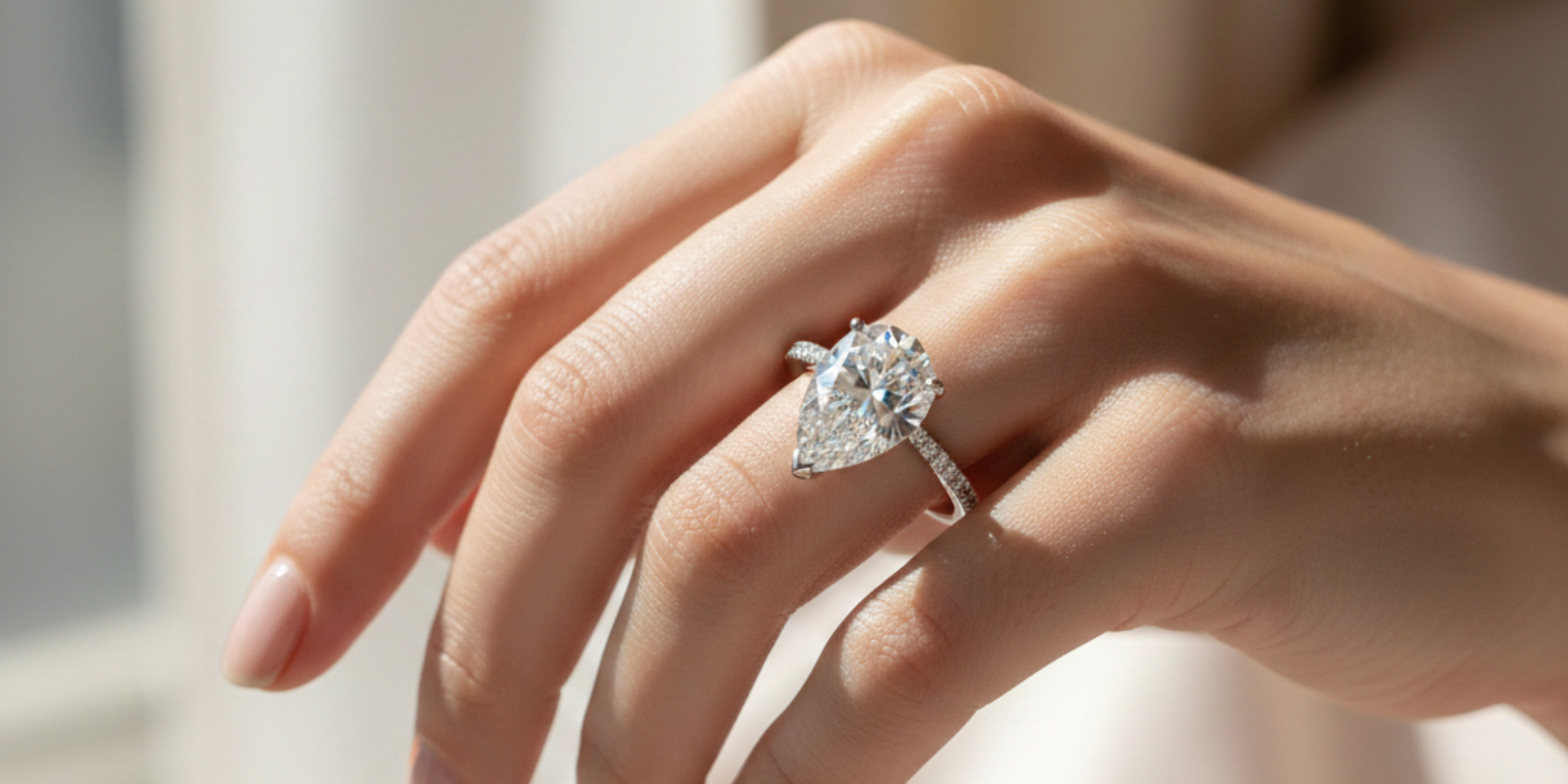
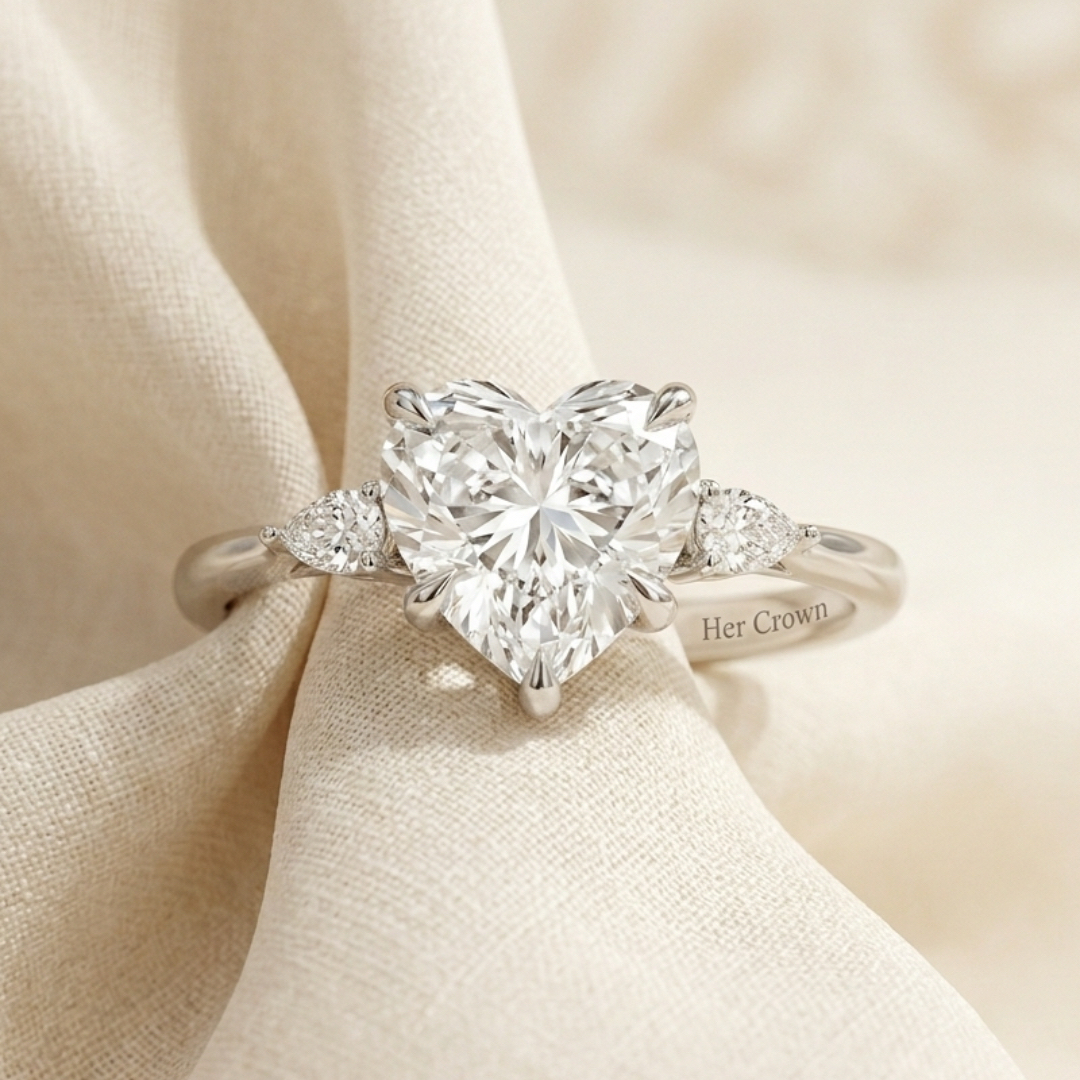
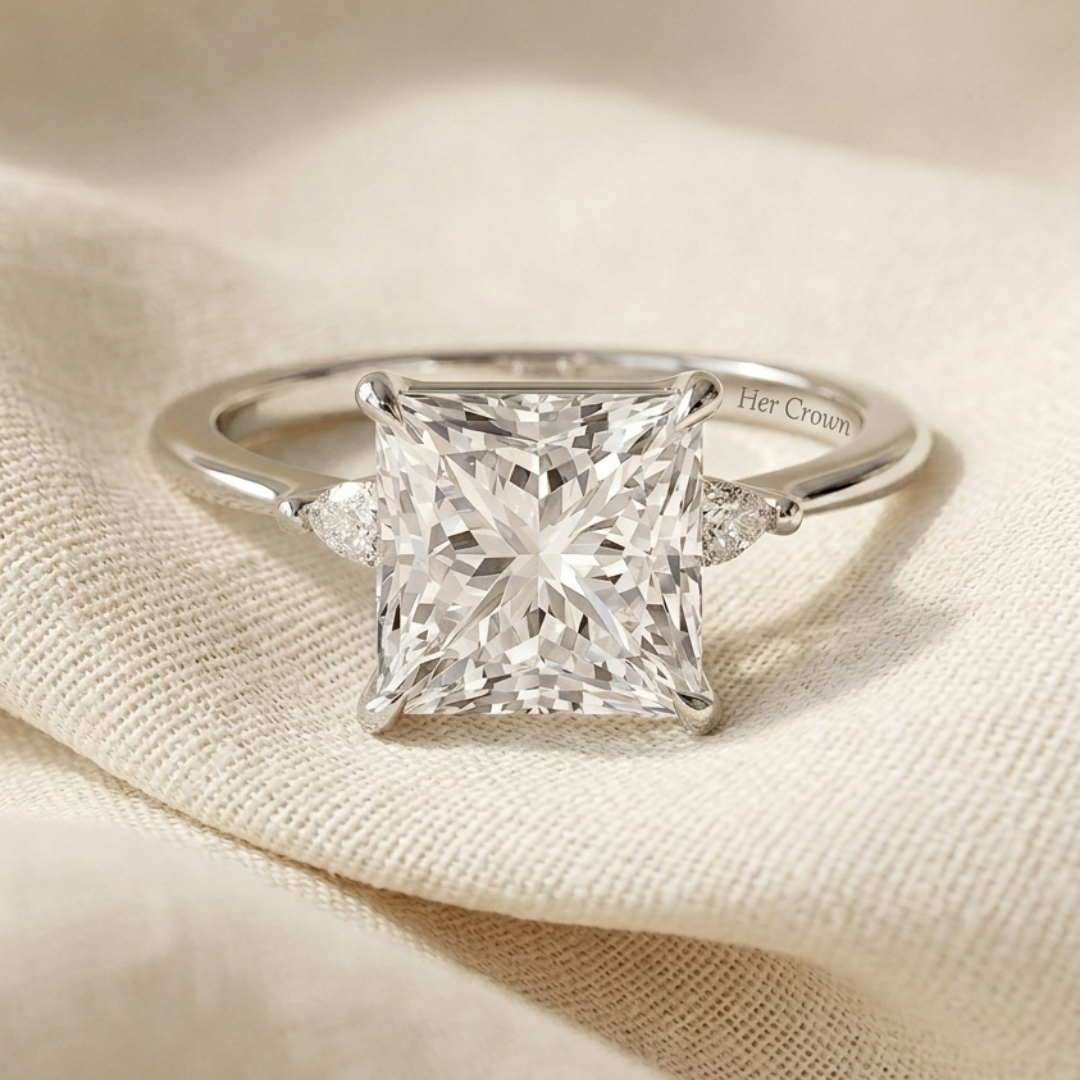
Explore diamonds crafted with D color and VVS1 clarity — designed for clarity, confidence, and everyday brilliance.
Final Thought: Value Is What You See and Feel
A diamond’s worth is not decided by where it comes from, but by how it performs — in light, in clarity, and in presence.
Lab-grown diamonds offer a new kind of value:
one rooted in precision, transparency, and intention.
For many modern buyers, that is not just enough — it is better.