The first time many of us watch The Other Boleyn Girl, it feels like a historical romance filled with silk gowns, whispered schemes, and courtly desire.
Watching it again, as women who have lived more life, it becomes something else entirely.
It becomes a story about choice.
And what it costs when a woman’s value is decided by someone else.
Two Sisters, One System
At the heart of the film are two sisters: Mary and Anne Boleyn.
Mary is gentle, compliant, and initially chosen by King Henry VIII as his mistress. She enters power quietly, without demanding it. Anne, by contrast, is sharp, ambitious, and unwilling to accept a role that leaves her disposable.
From the beginning, the sisters are not truly rivals — they are navigating the same system with different survival strategies.
A system where:
-
Women are valued for fertility, not autonomy
-
Affection is transactional
-
Security is always conditional
Mary’s Story: Chosen, Then Discarded
Mary’s rise is effortless.
She is desired, favored, and protected — until she is not.
Once she becomes inconvenient, once her presence no longer serves the court’s political needs, she is sent away without ceremony.
What makes Mary’s arc powerful is not her fall, but her response.
She leaves.
Not in disgrace.
Not in desperation.
But with quiet clarity.
Mary chooses a life away from power, choosing peace over visibility. In modern terms, she chooses herself — something many women recognize as one of the hardest decisions to make.
Anne’s Story: Power at a Price
Anne’s path is more dramatic — and more dangerous.
She refuses to be a mistress.
She demands marriage.
She insists on legitimacy.
And for a moment, she wins everything.
But Anne’s power rests entirely on external approval:
-
Producing a male heir
-
Remaining desirable
-
Staying politically useful
When she fails to deliver a son, her position collapses.
The same ambition that elevated her becomes the justification for her destruction.
Anne’s tragedy is not that she wanted more.
It is that “more” was defined by a system that never intended to let her keep it.

A Mirror for Modern Women
While centuries apart, the emotional logic of the film feels painfully familiar.
Many women today still experience:
-
Being celebrated until they set boundaries
-
Being supported until they outgrow expectations
-
Being chosen — but never truly protected
The film quietly asks:
What happens when a woman’s worth depends on someone else’s desire?
Reframing the Symbol of the Crown
Historically, a crown represented legitimacy granted by others.
In our time, symbols are changing.
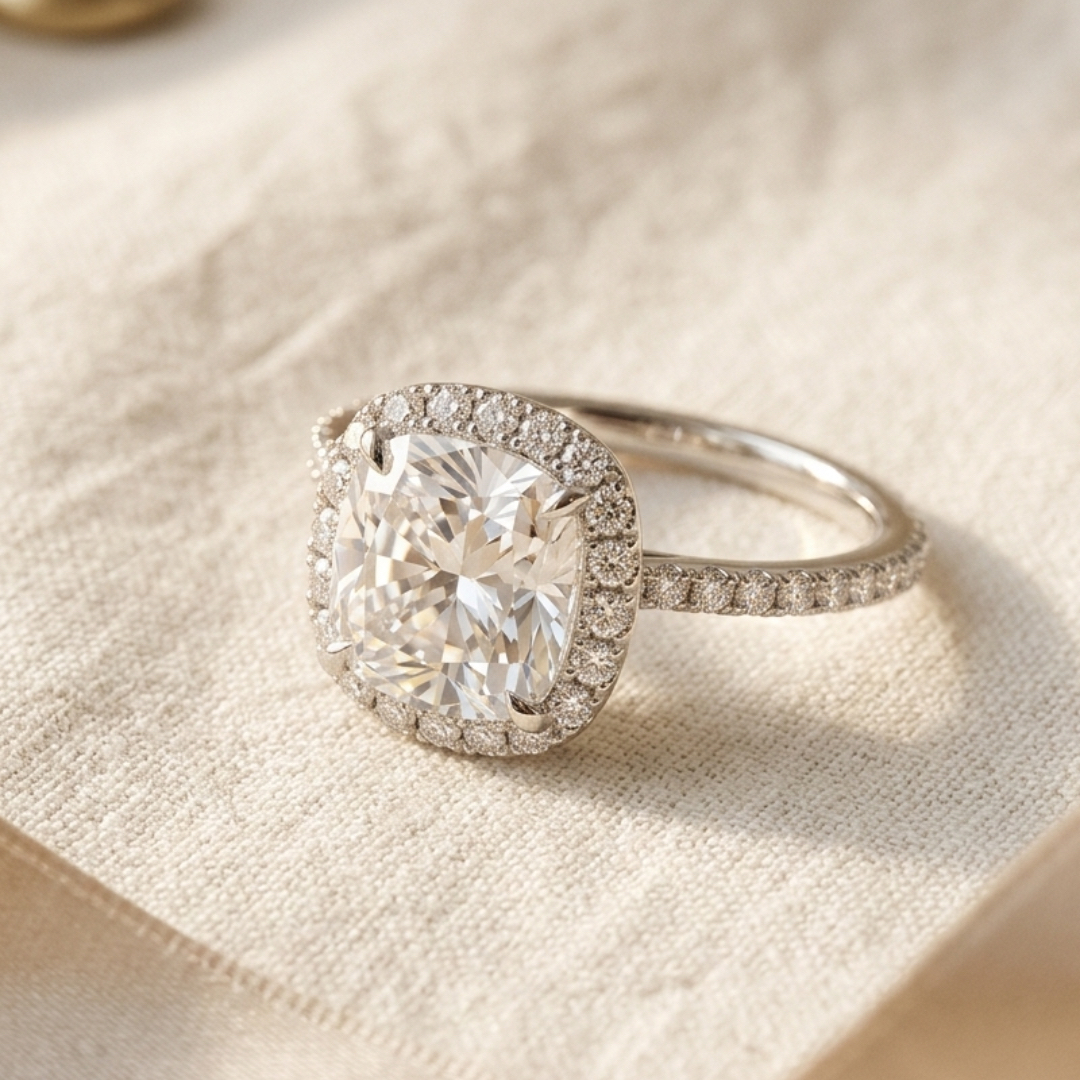
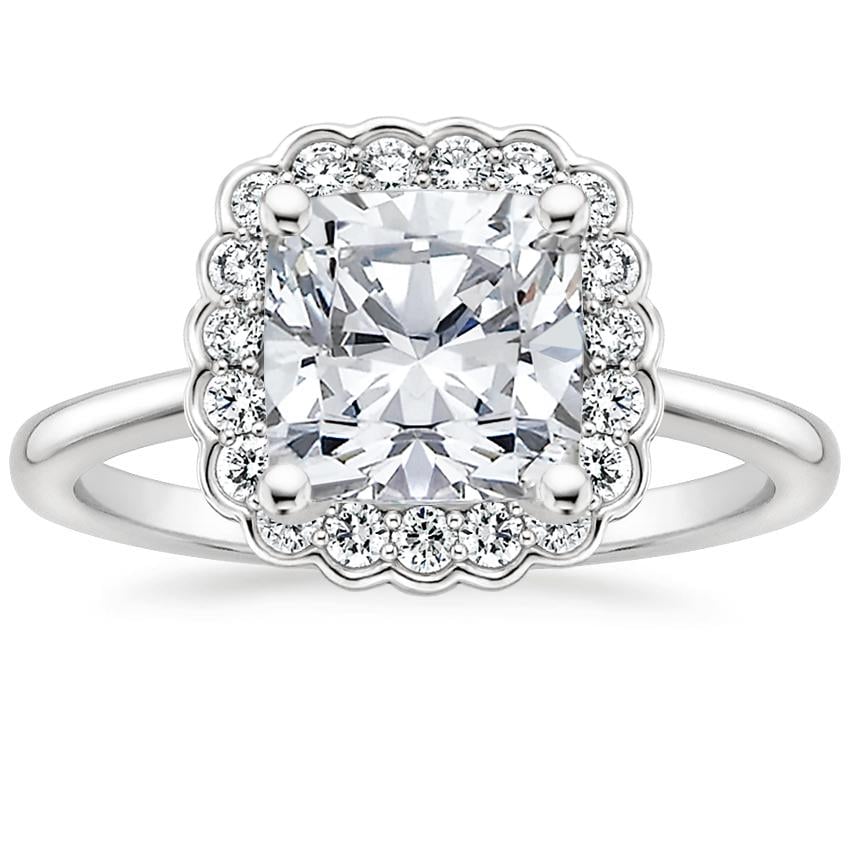
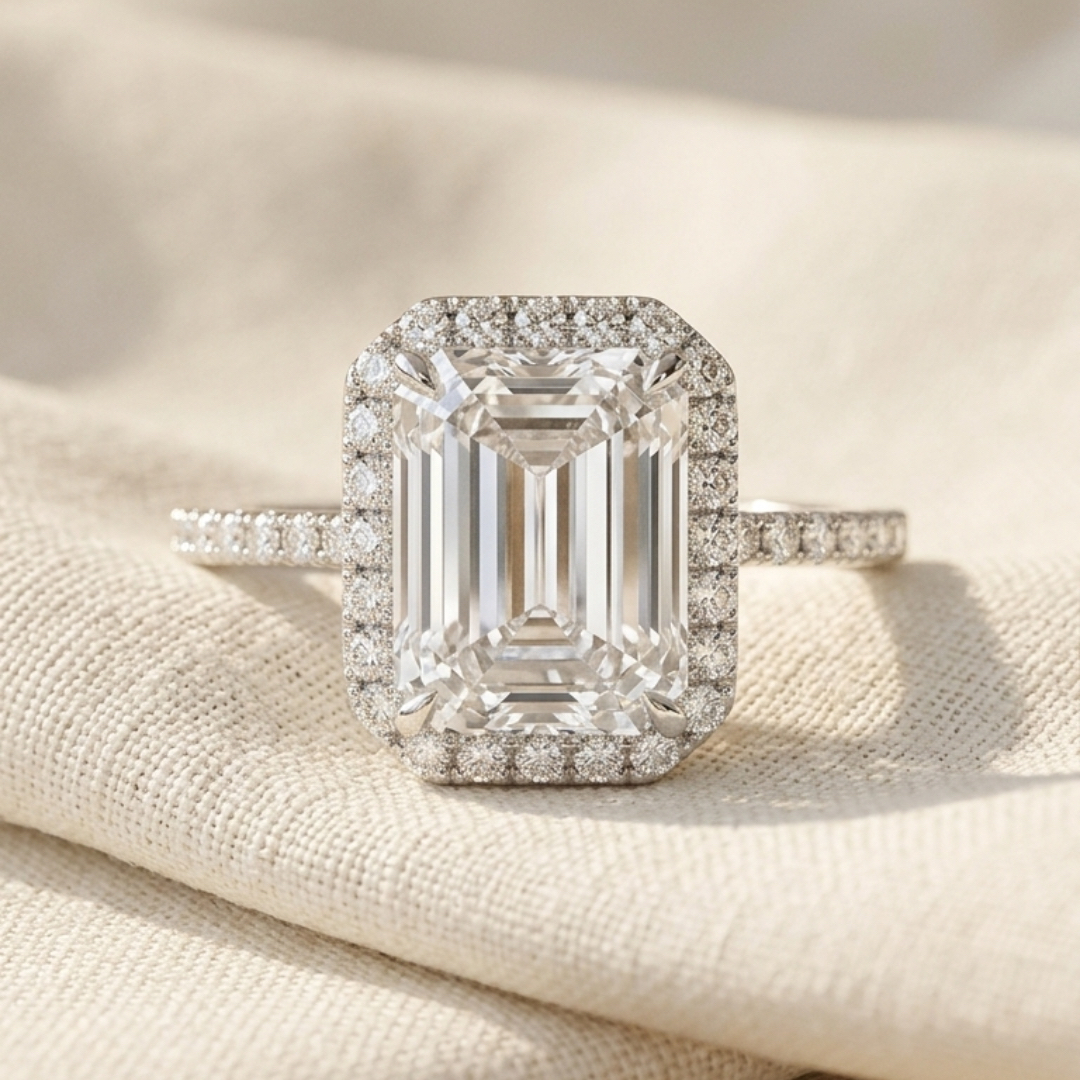
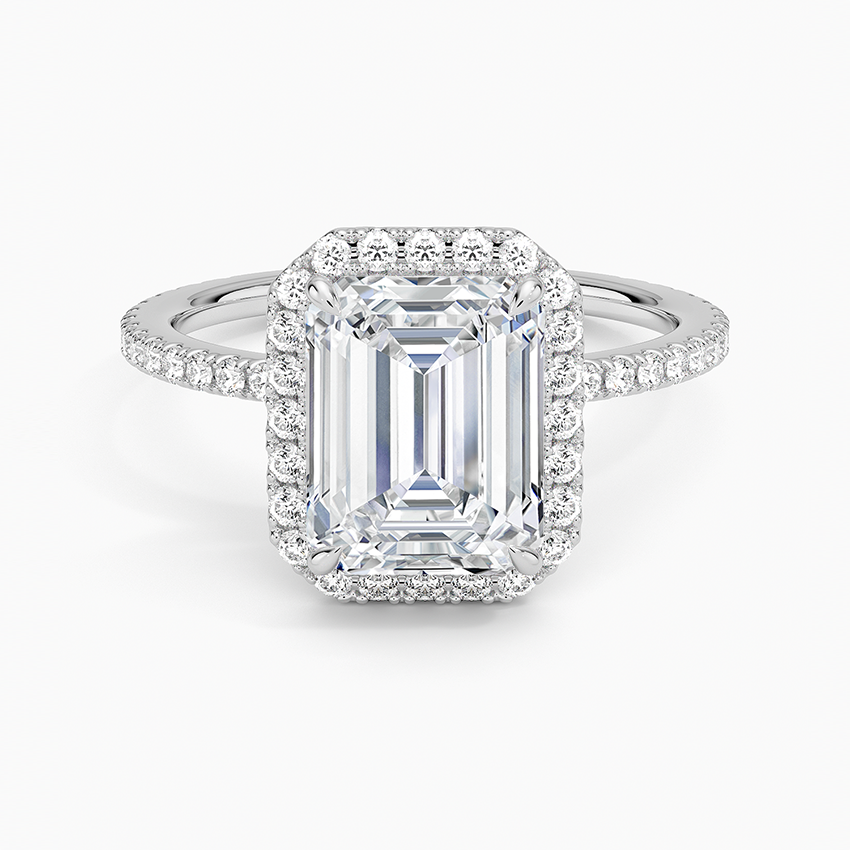
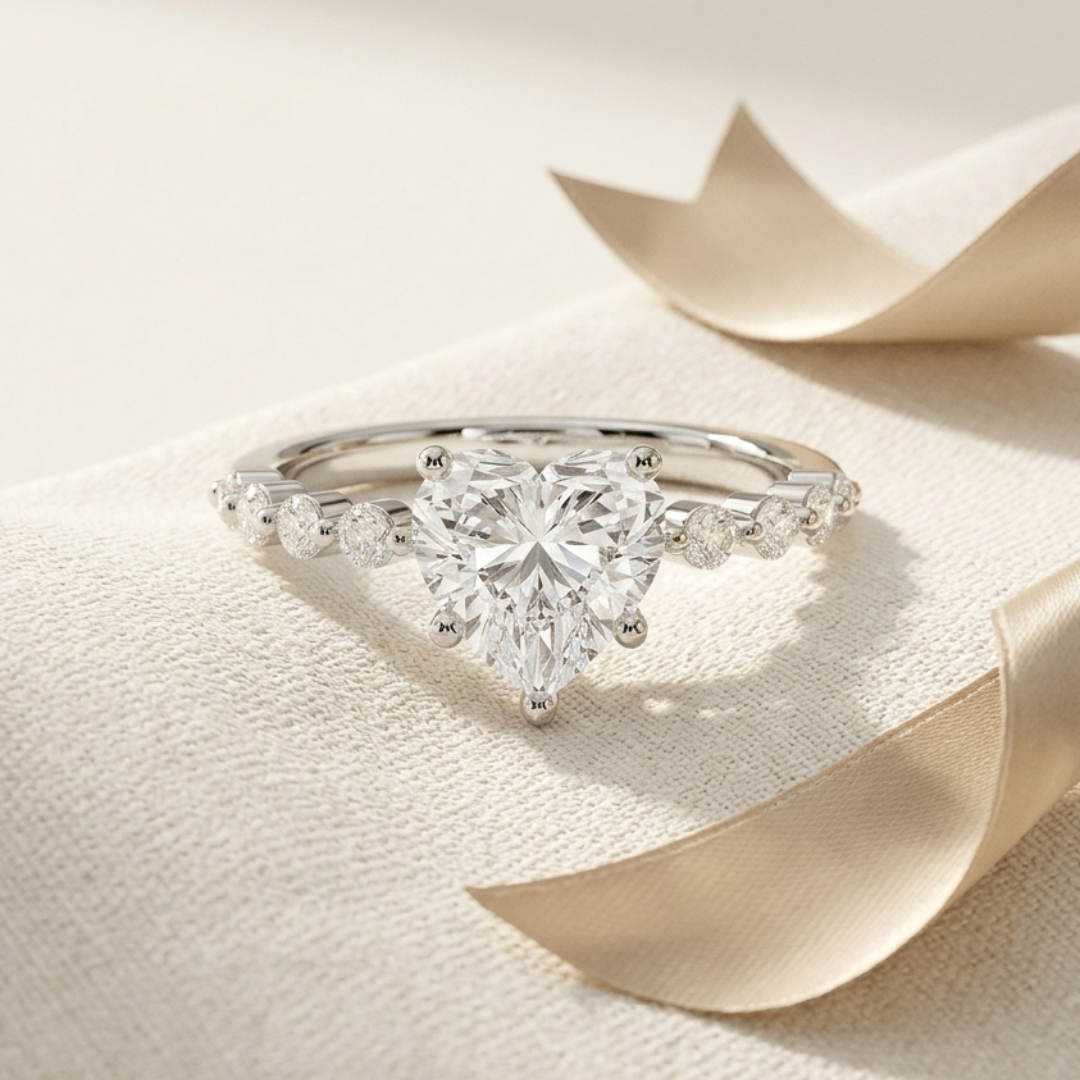
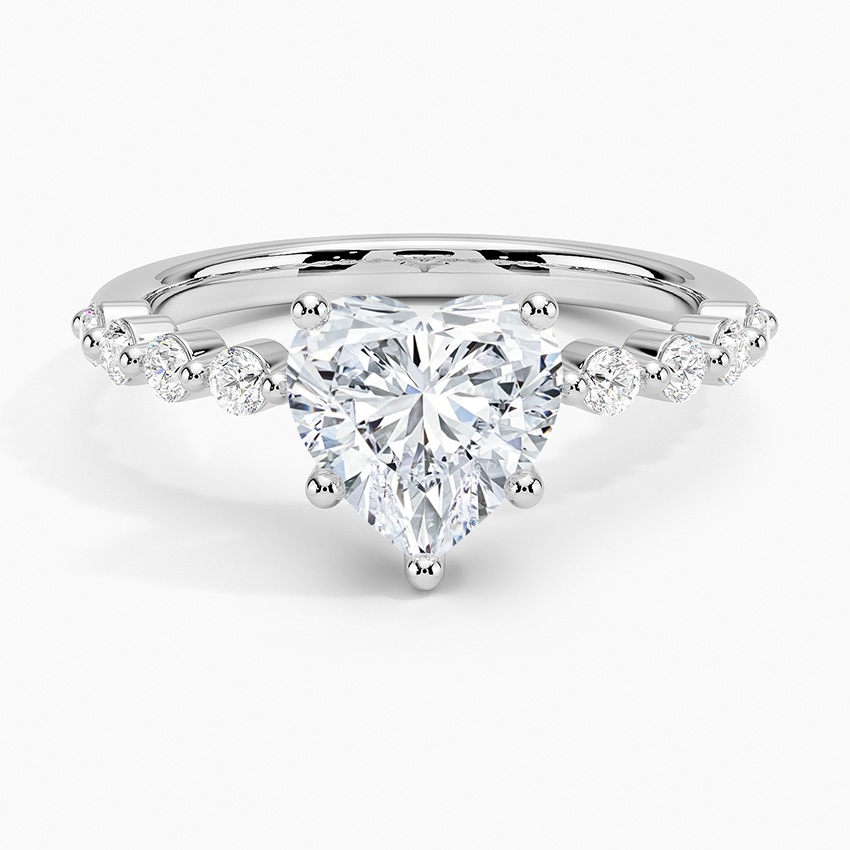
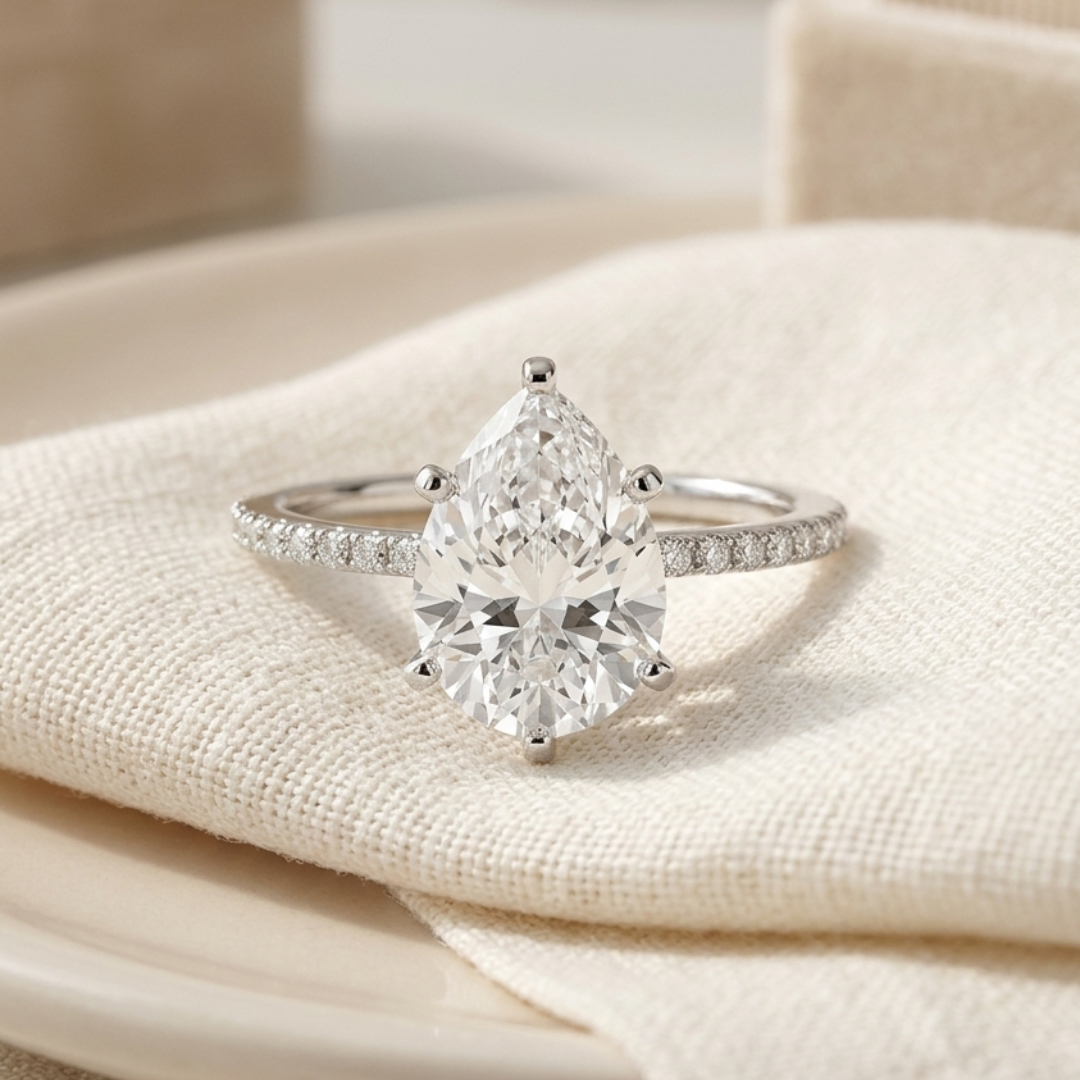
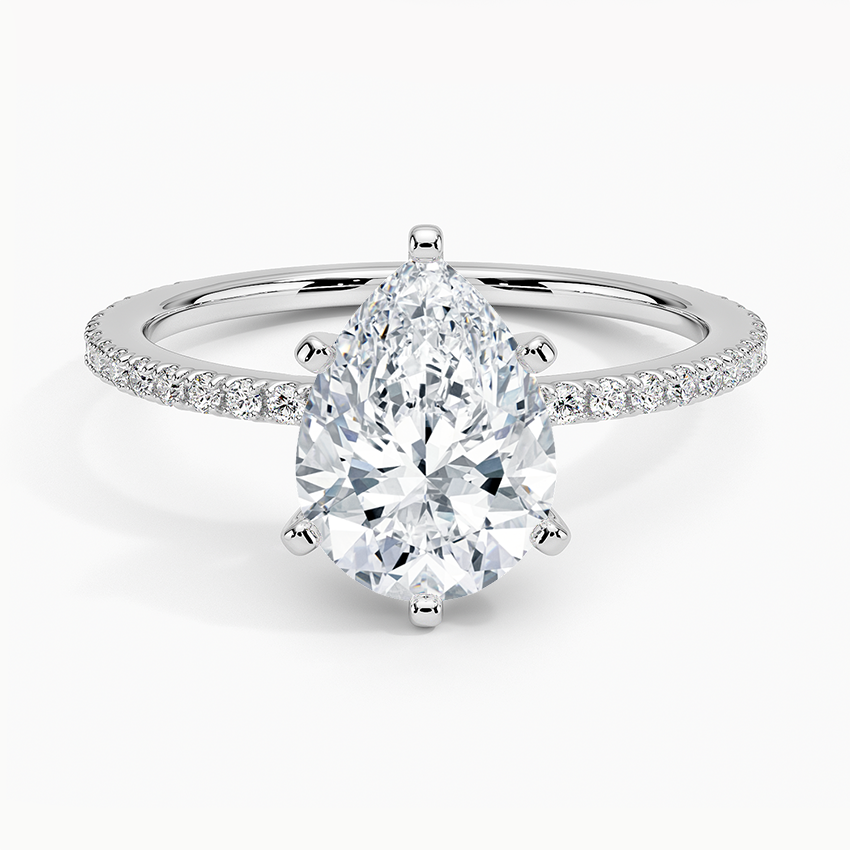
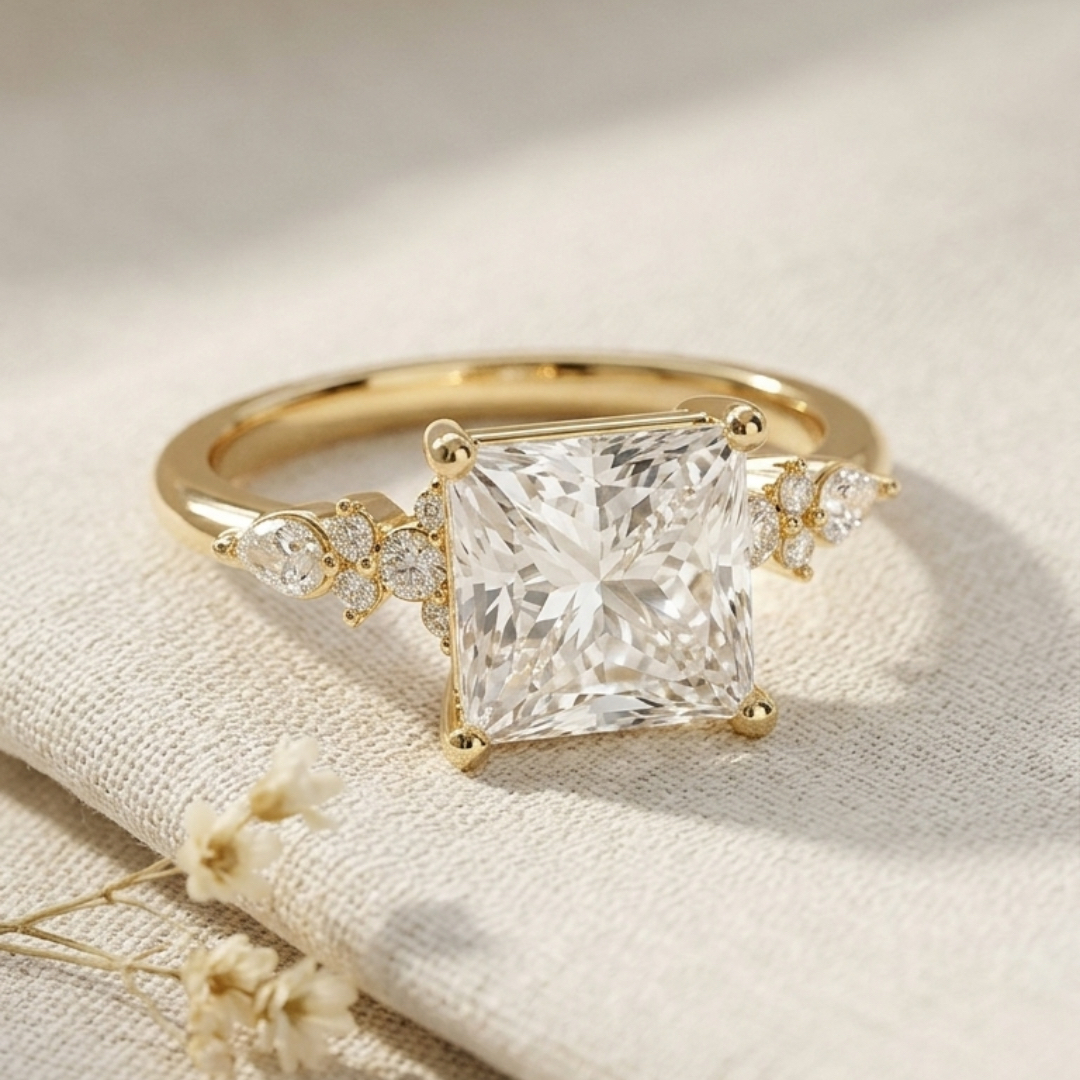
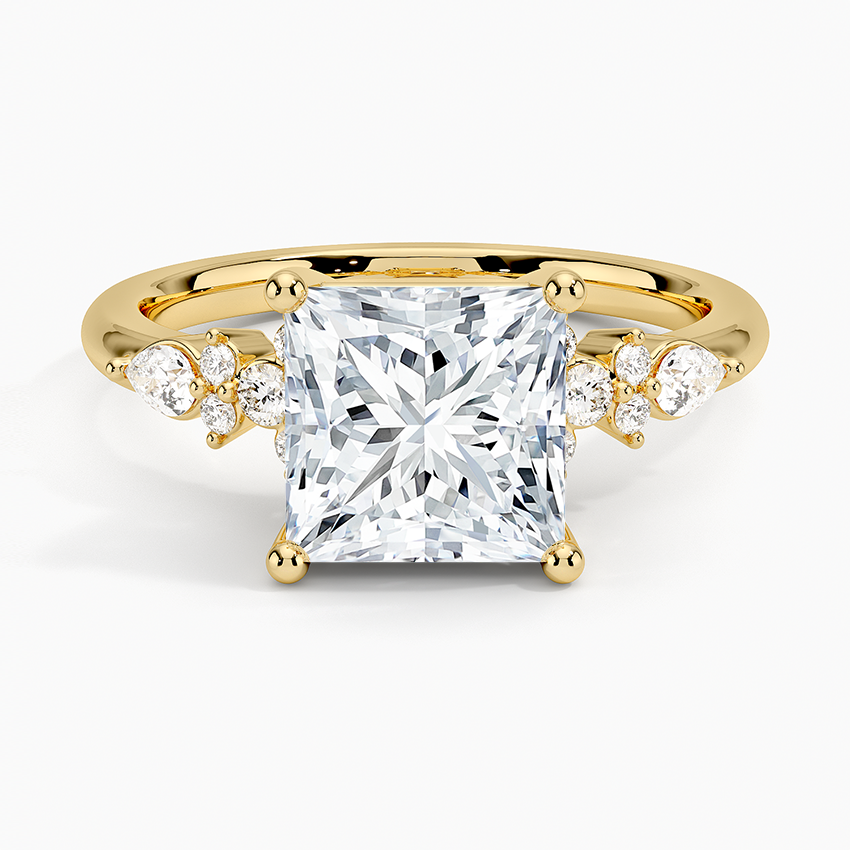
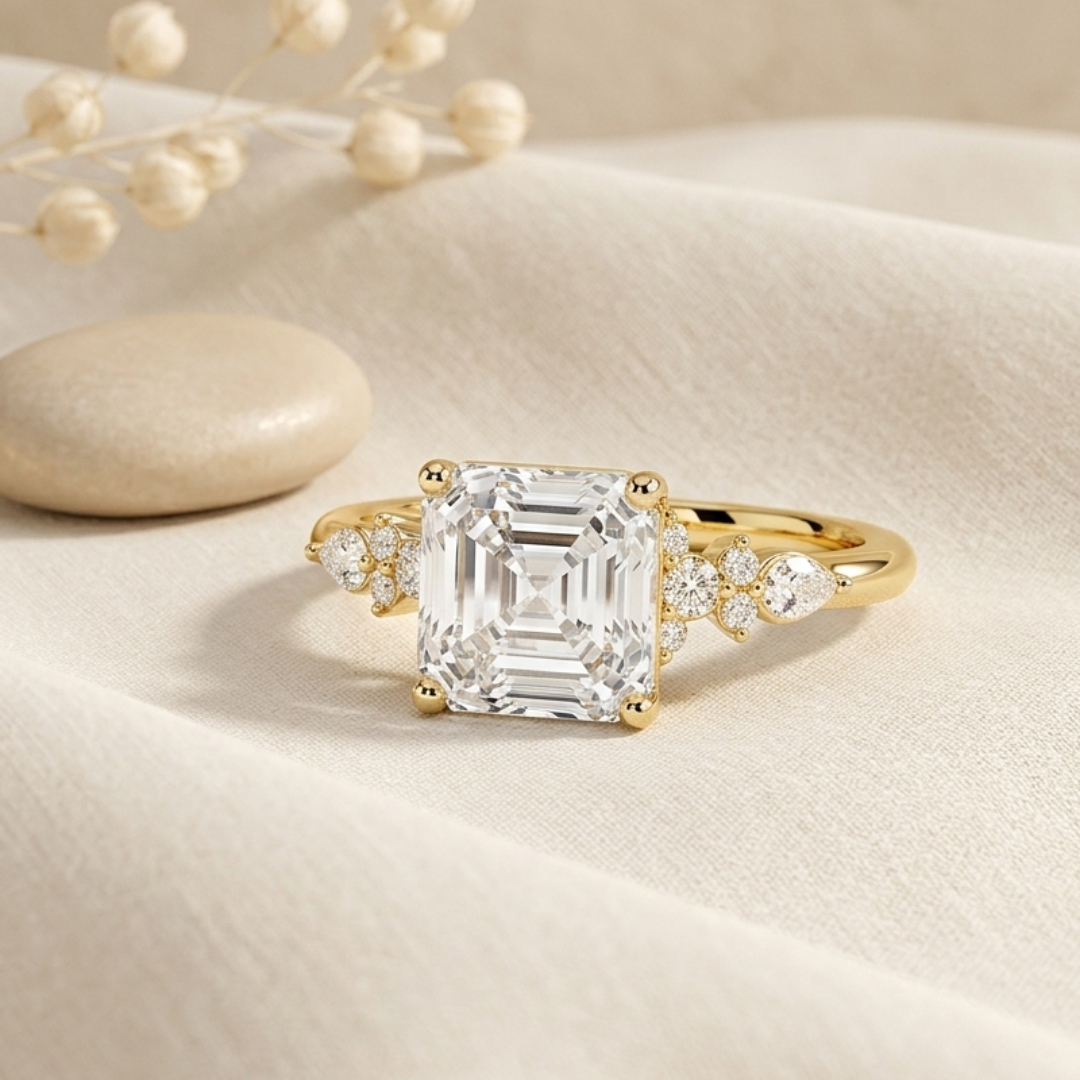
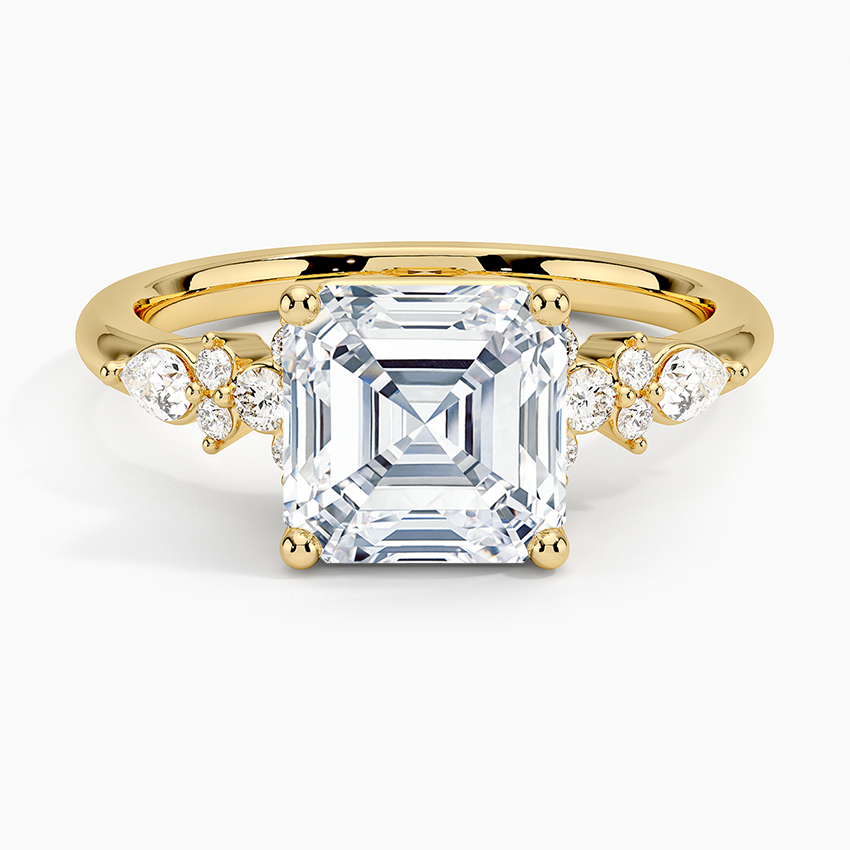
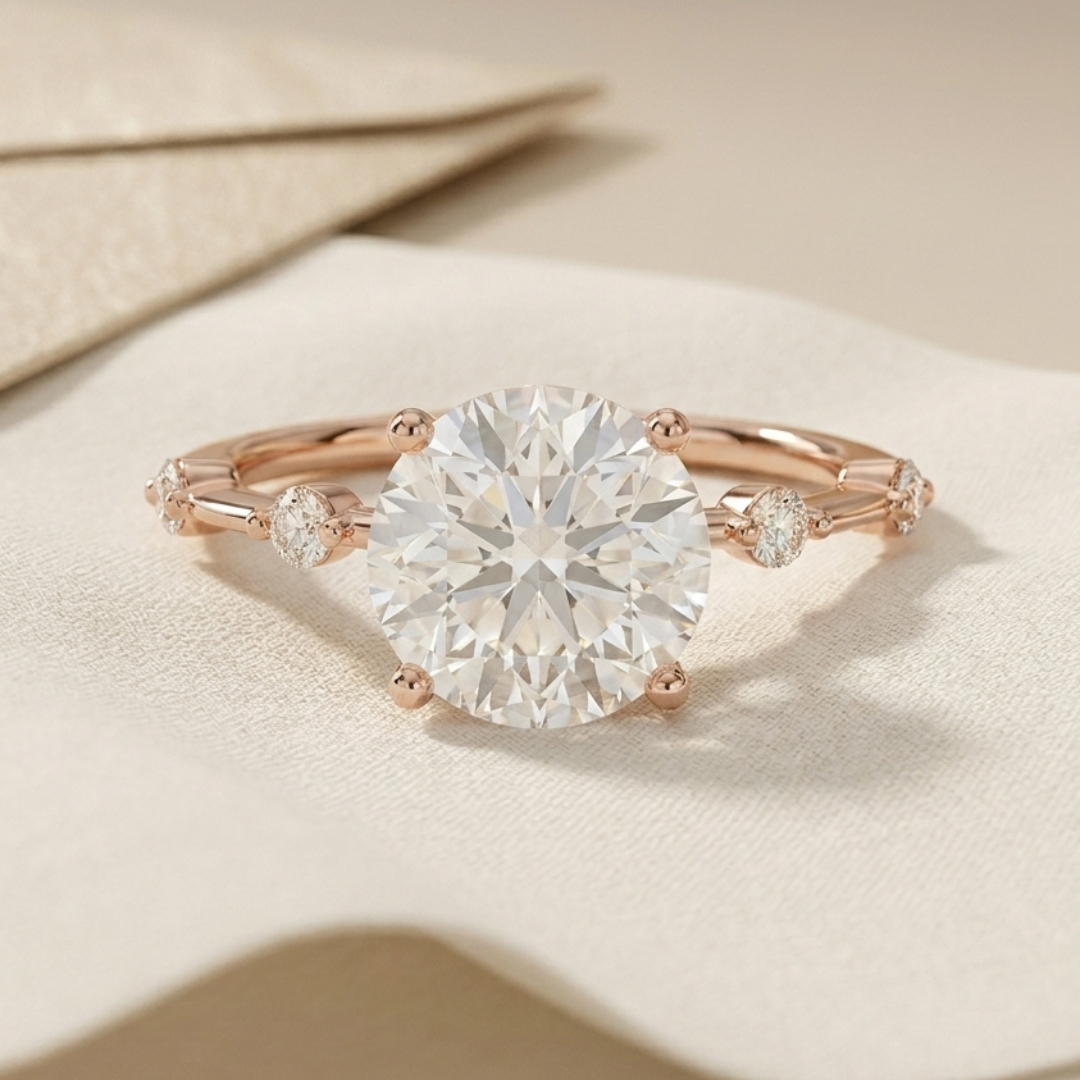
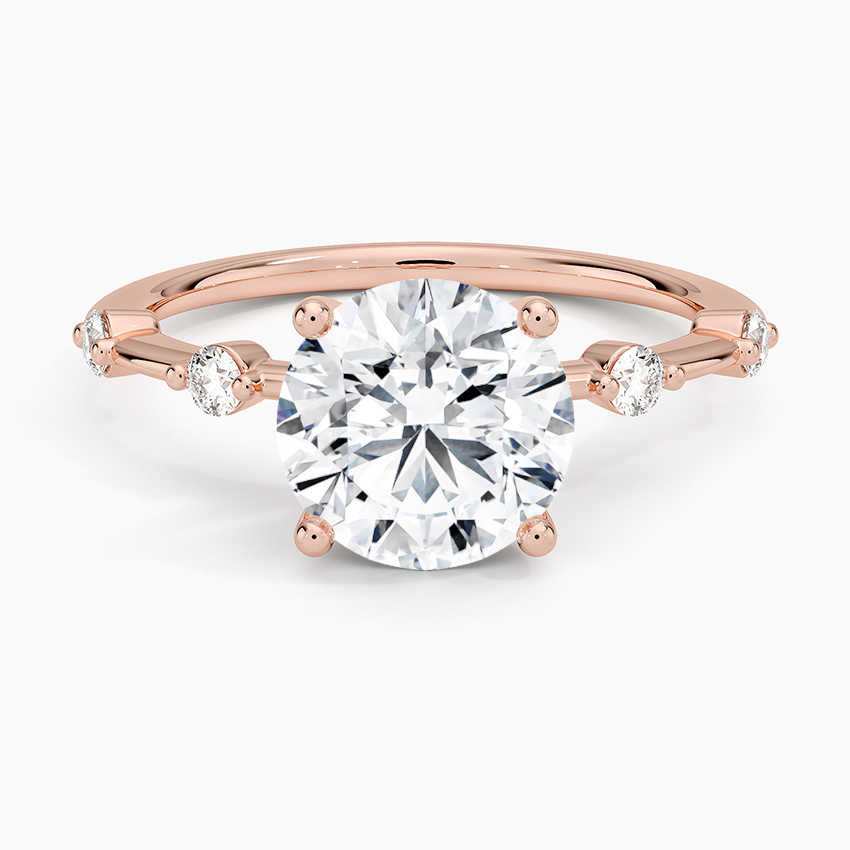
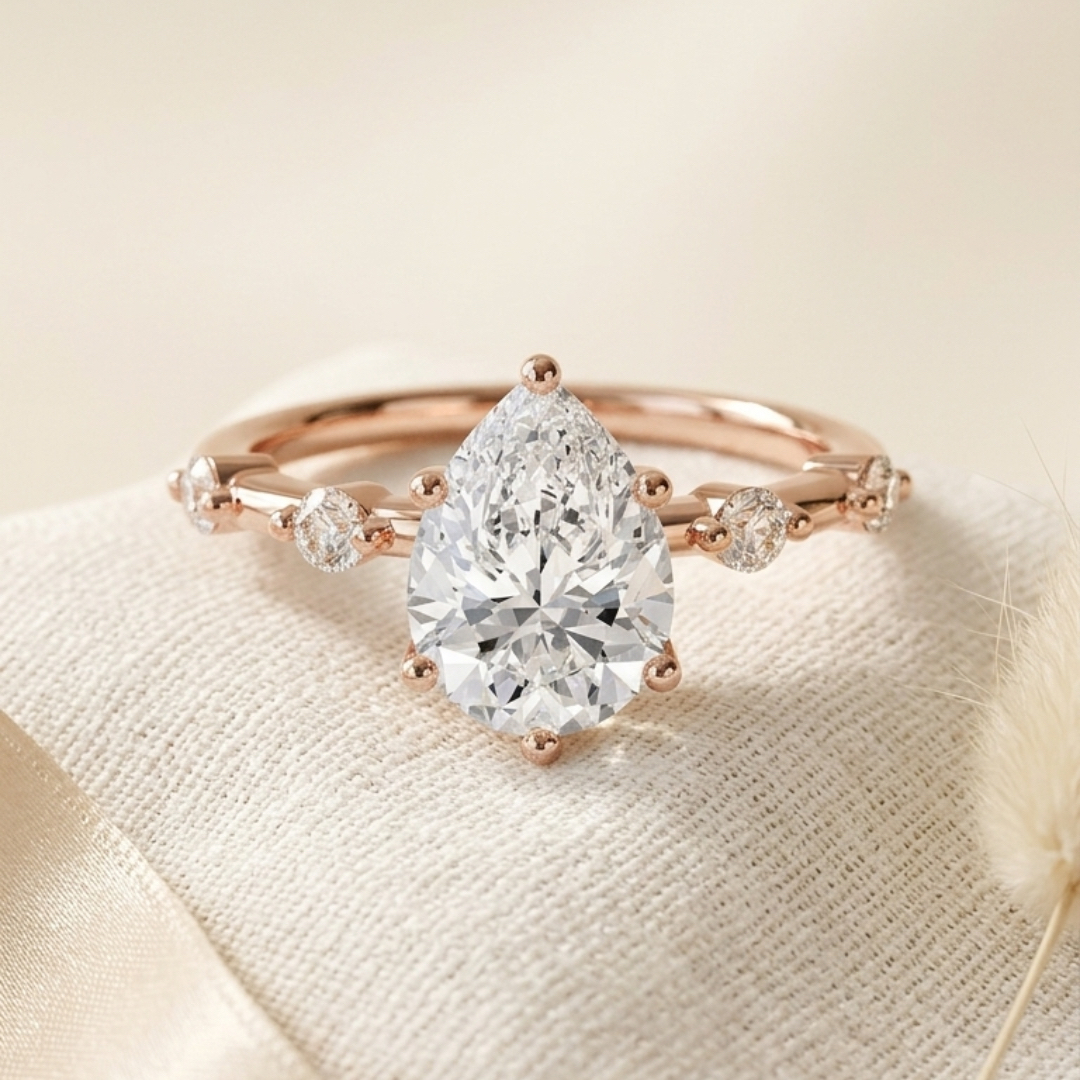
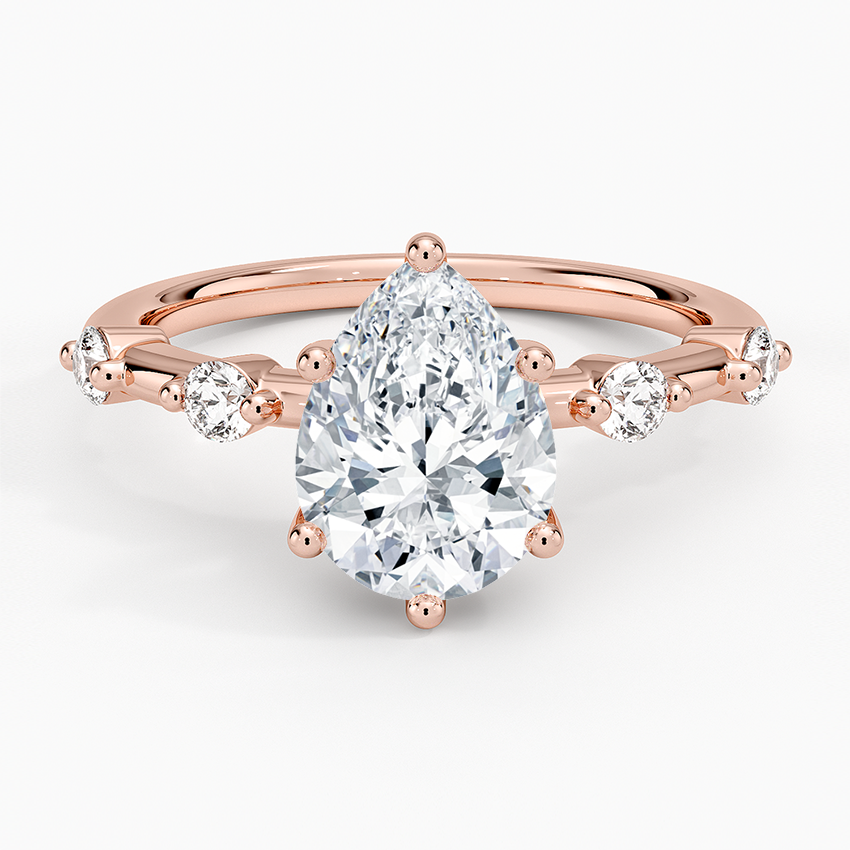
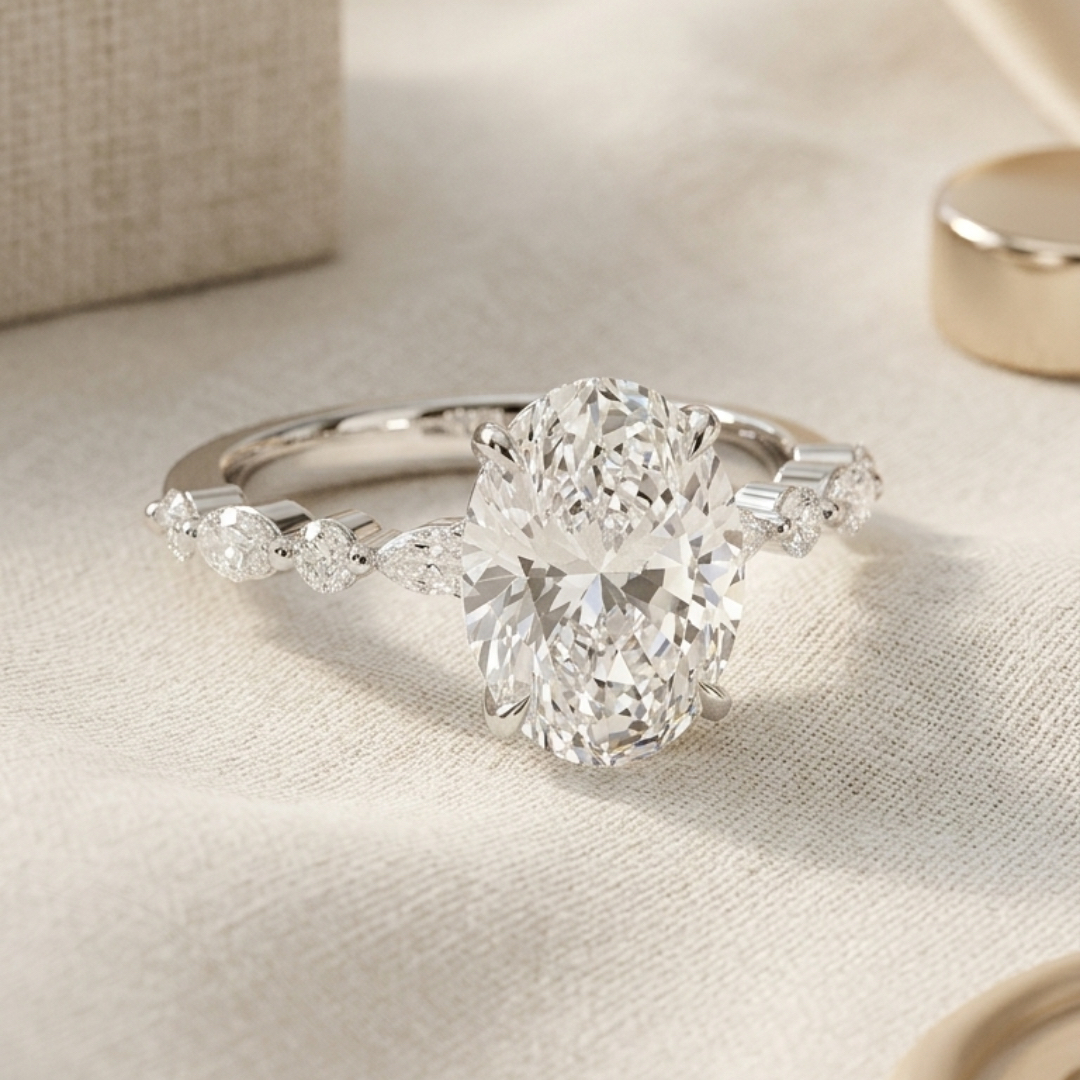
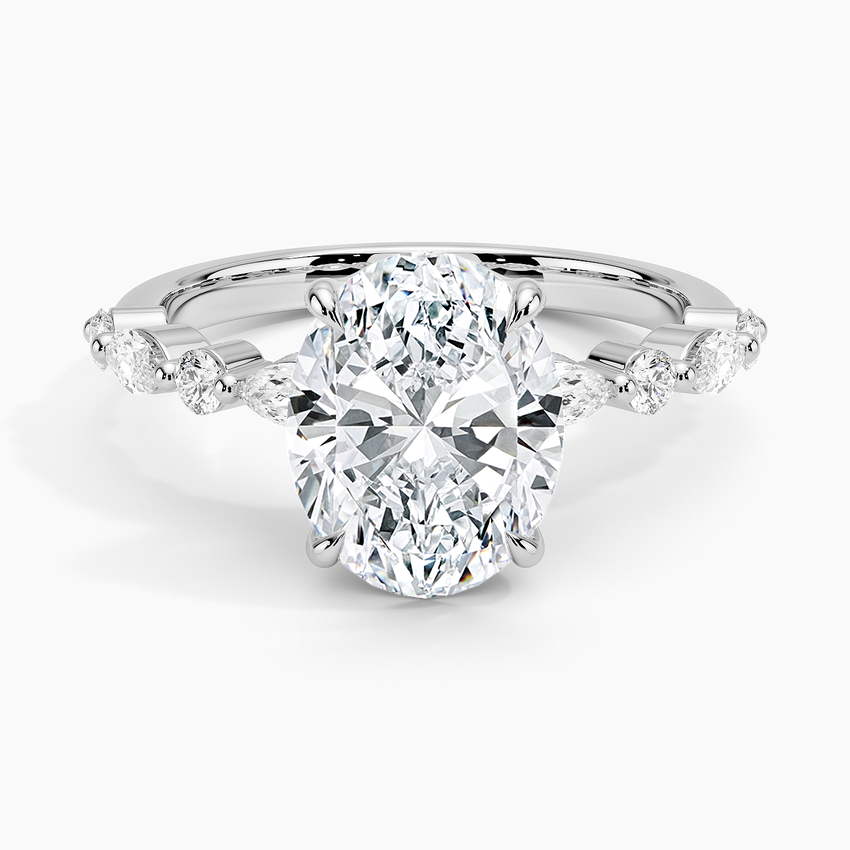
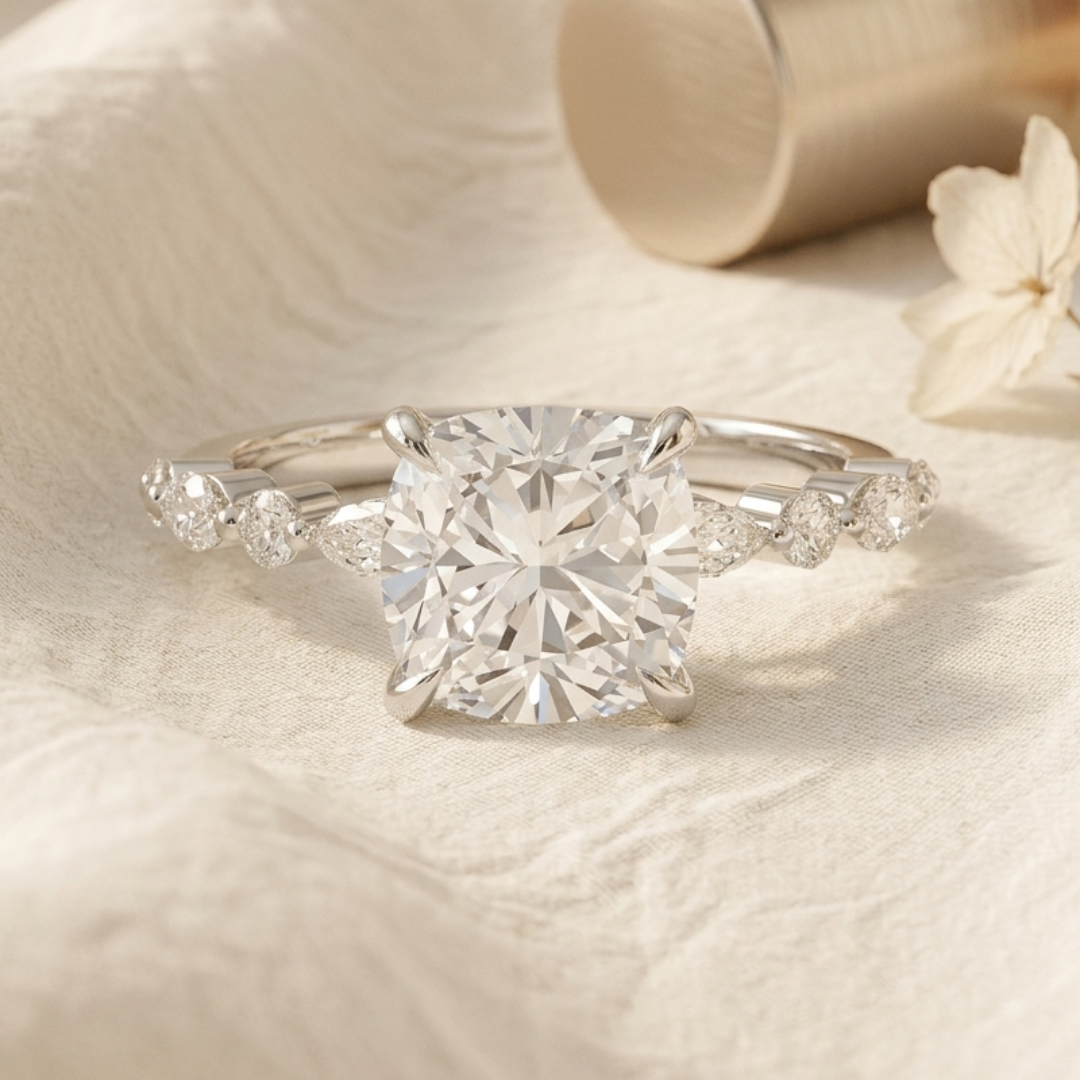
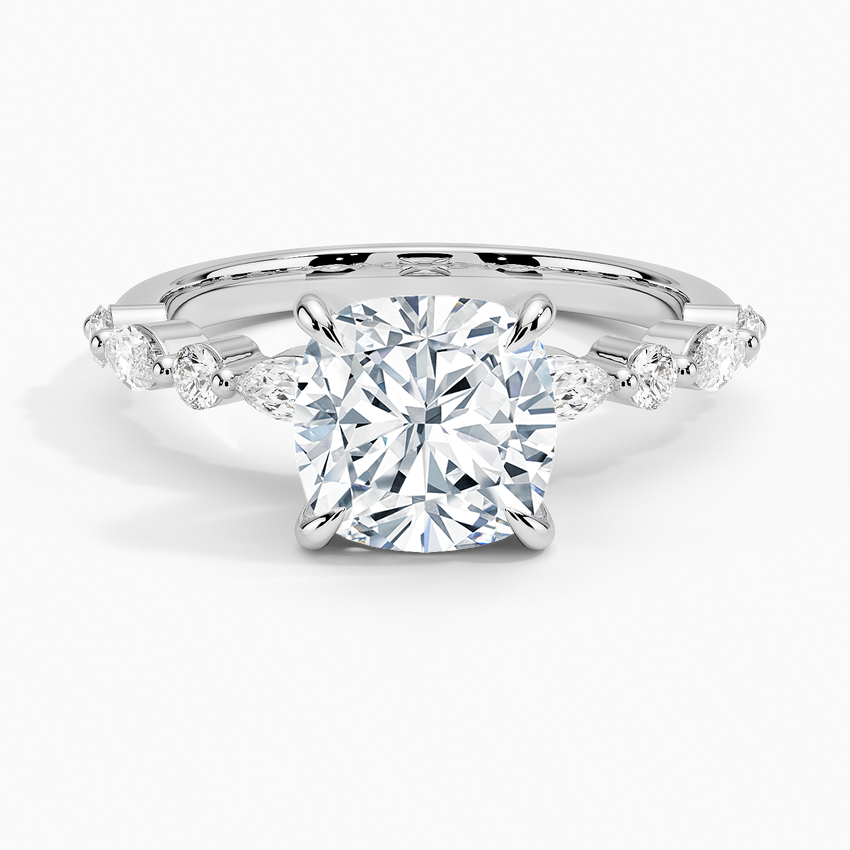
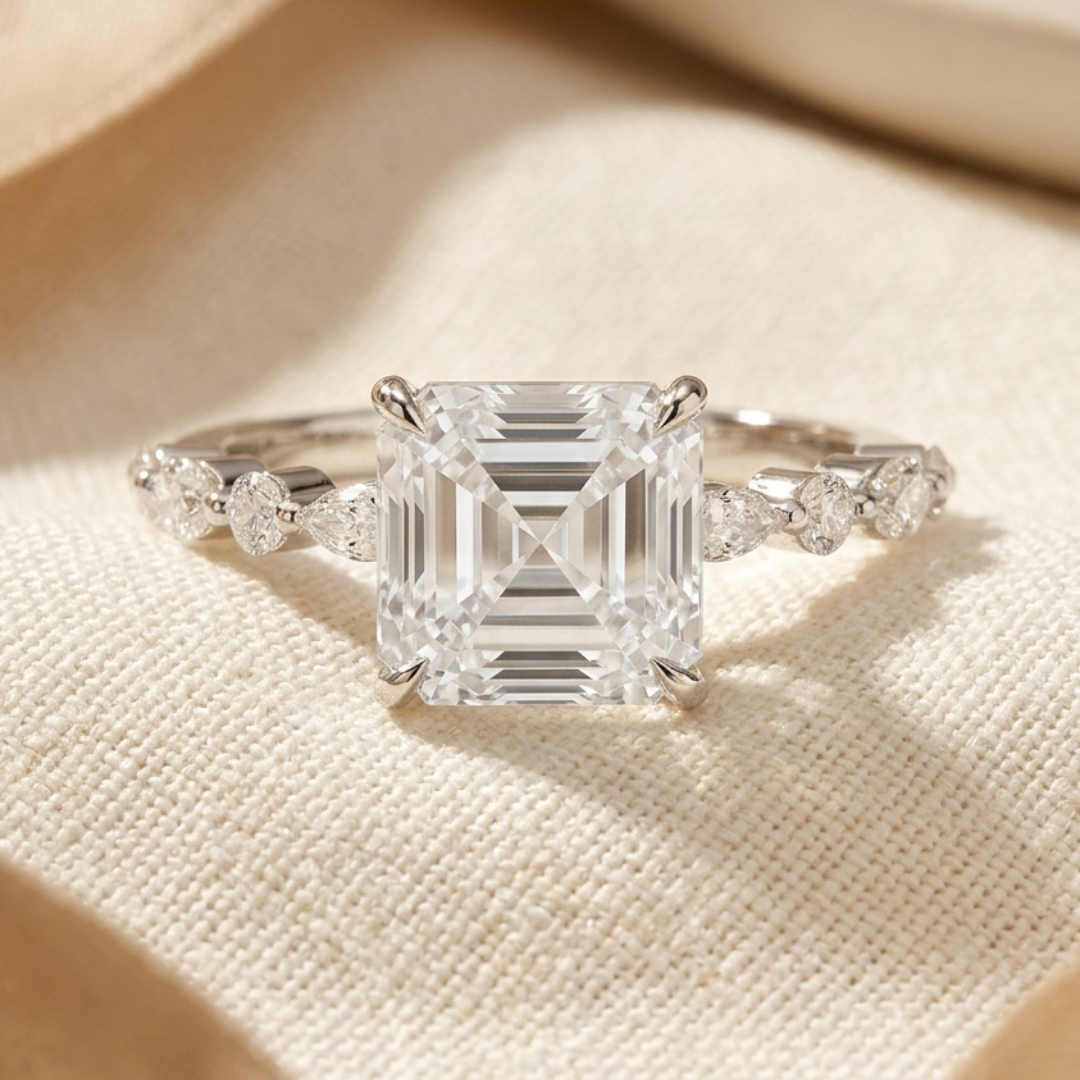
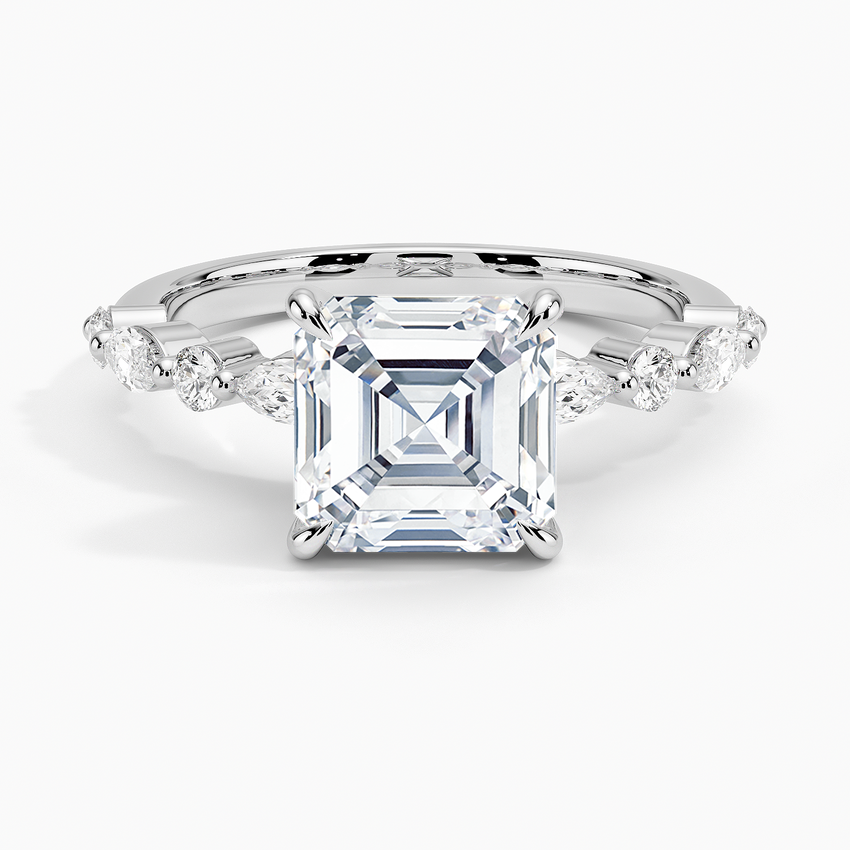
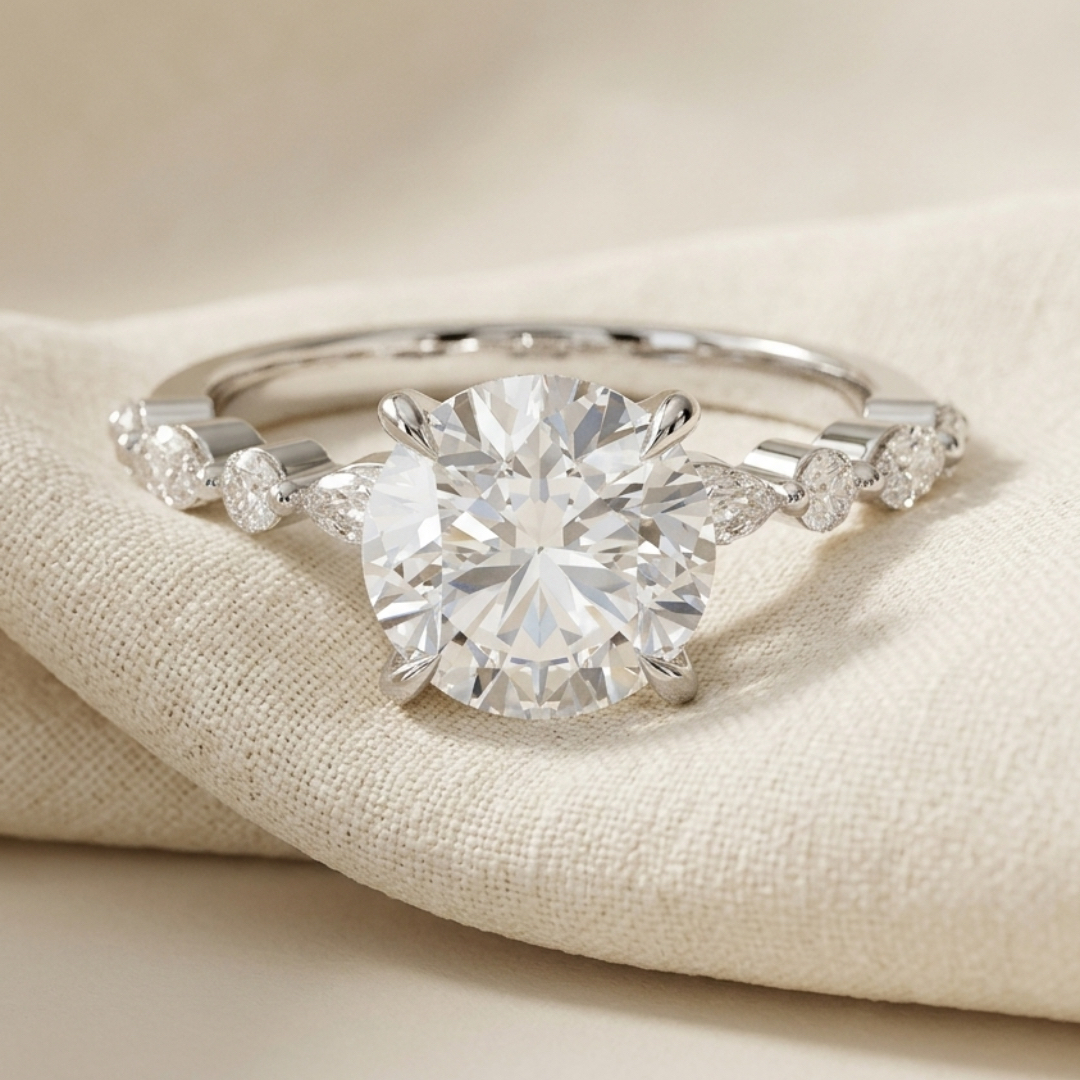
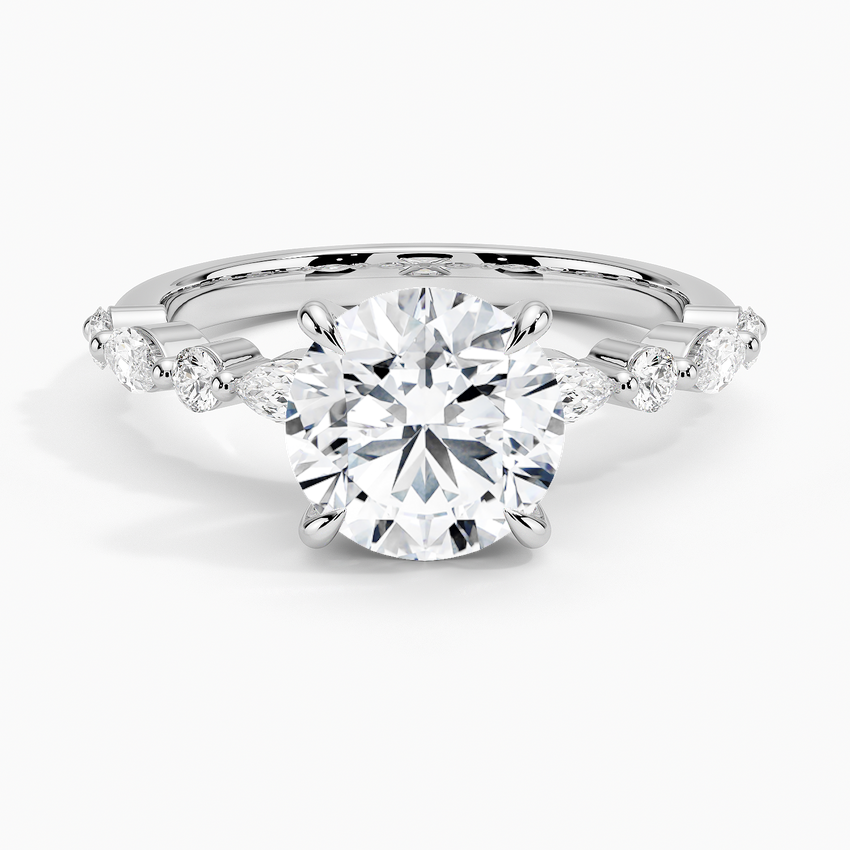
A ring, for example, has long been tied to being chosen — by a partner, by tradition, by timing.
But increasingly, women are reclaiming what these symbols mean.
Some rings no longer mark engagement or approval.
They mark milestones:
-
Leaving a relationship that diminished you
-
Surviving a year that demanded everything
-
Choosing clarity, independence, and self-respect
At Her Crown, this belief quietly shapes every design — rings created not just for beginnings, but for moments of arrival. Pieces chosen deliberately, not given conditionally. Here is more about Her Milestone to be rewarded:
Not every crown is worn for someone else.
Some are worn as a reminder of who you became.

The Film’s Quiet Truth
Anne sought the crown and lost herself.
Mary gave it up and kept her life.
Neither choice was easy.
But only one allowed freedom.
The Other Boleyn Girl is not a story about rivalry or romance.
It is a reminder that being chosen is not the same as being valued — and that the most enduring power comes from choosing yourself first.