
Time management is often framed as a productivity problem.
Do more. Plan better. Wake up earlier.
But for many women, time is not scarce because of poor planning.
It is scarce because we carry more—mentally, emotionally, invisibly.
This article is not about squeezing more tasks into your day.
It is about reclaiming authority over your time in a way that respects who you are, what season you are in, and what truly matters.
Because managing time is not about control.
It is about choice.

Why Traditional Time Management Advice Often Fails Women
Most time management systems are built on assumptions that don’t match reality:
- That responsibilities are evenly distributed
- That interruptions are optional
- That emotional labor doesn’t count as labor
- That rest is something you earn after productivity
For women—especially those balancing careers, relationships, family expectations, and self-growth—time is constantly being claimed by others.
So the question isn’t:
“How do I fit everything in?”
It’s:
“What deserves space in my life right now?”
That shift changes everything.
Step One: Redefine What “Enough” Looks Like
One of the biggest drains on time is the belief that we must do everything well, all at once.
Time management begins with permission:
- Permission to prioritize
- Permission to postpone
- Permission to say no without explanation
Instead of asking:
“What should I be doing?”
Ask:
“What actually moves my life forward?”
This may look like:
- Fewer meetings, deeper focus
- Less perfection, more progress
- Choosing one meaningful goal instead of five urgent ones
Time expands when your standards become intentional, not inherited.
Step Two: Understand the Three Categories of Time
A helpful way to regain clarity is to divide your time into three categories:
1. Maintenance Time
The non-negotiables: work, chores, admin, obligations.
These are necessary, but they should not define your entire life.
2. Growth Time
The time you invest in becoming: learning, building, planning, reflecting.
Even 20 minutes a day here compounds powerfully.
3. Restoration Time
Rest, beauty, silence, joy, presence.
This is not “empty” time.
This is the time that allows everything else to function.
Many women try to optimize maintenance time but neglect restoration time—then wonder why they feel exhausted even when they’re “organized.”
True time management protects all three.
Step Three: Stop Managing Minutes—Start Managing Energy
Not all hours are equal.
Some parts of the day are naturally better for:
- Deep thinking
- Creative work
- Decision-making
- Rest
Instead of forcing productivity all day, notice:
- When you feel most clear
- When you feel most drained
- When interruptions peak
Then align your tasks accordingly.
Time management becomes sustainable when it works with your rhythms, not against them.
Step Four: Use Rituals to Anchor Your Time
Rituals turn ordinary moments into intentional ones.
A ritual can be simple:
- Morning tea before opening messages
- Writing three priorities instead of a long to-do list
- Taking off jewelry at night as a signal that the day is complete
These moments create psychological boundaries, which are often more powerful than schedules.
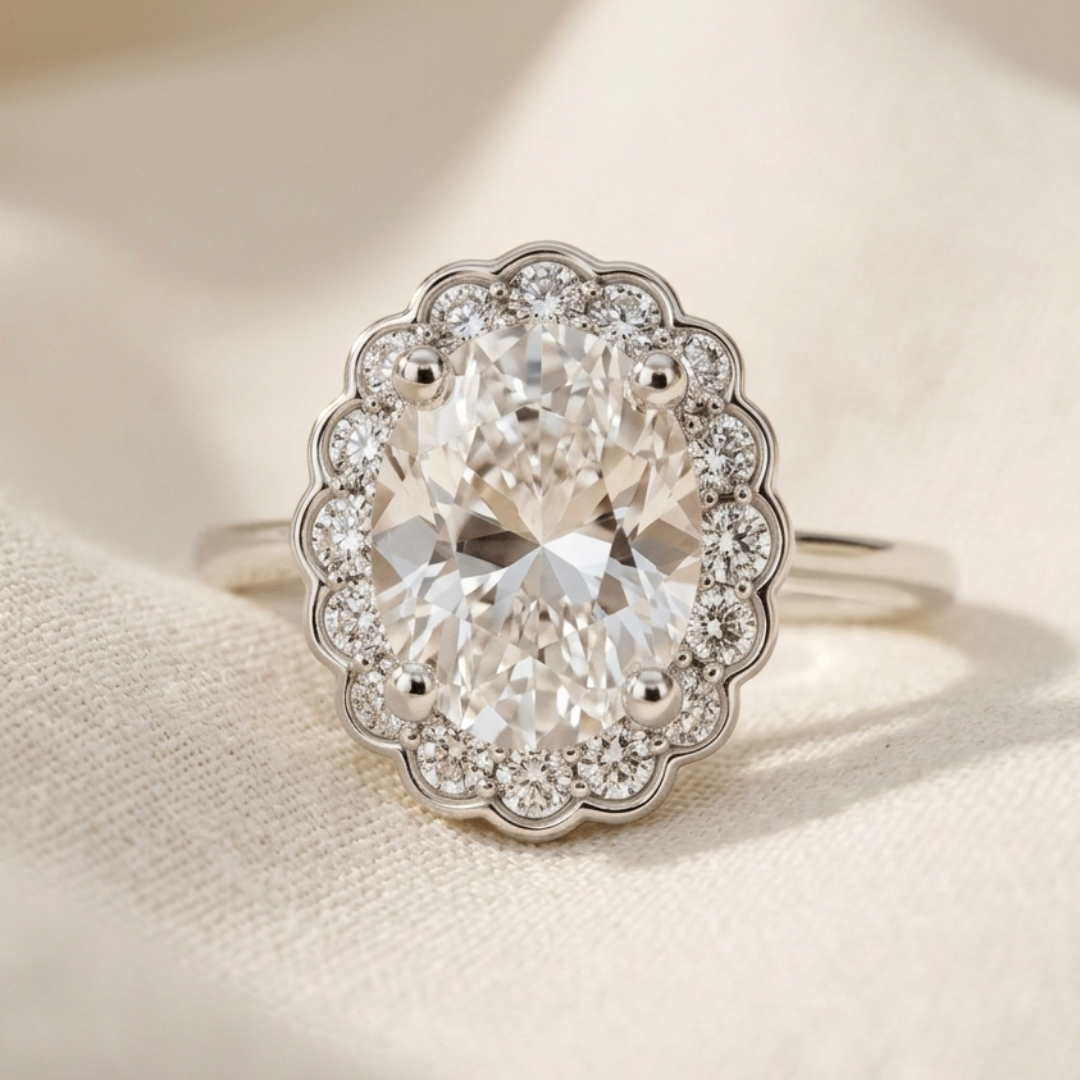
One quiet ritual many women choose is wearing a meaningful piece of jewelry—not as decoration, but as an anchor.
A ring, for example, can serve as a reminder:
- To slow down before saying yes
- To return to your values
- To remember who you are building this life for
In this way, objects don’t add pressure—they add presence.
Step Five: Learn the Skill of Strategic No
Every “yes” costs time.
But more importantly, it costs attention.
Time management improves dramatically when you:
- Pause before responding
- Replace “I should” with “I choose”
- Let go of guilt-based commitments
You don’t need to justify your boundaries for them to be valid.
Choosing fewer things with intention often leads to:
- Better work
- Deeper relationships
- More peace
Time opens when you stop living in reaction mode.
Step Six: Build a Visual Reminder of What Matters
We often remember appointments better than promises to ourselves.
That’s why visual cues matter.
Some women use:
- A notebook kept in sight
- A wallpaper with a word or intention
- A piece of jewelry chosen to mark a commitment to themselves
You can explore more about diamond rings marking commitment and milestone here:
Marks for your commitment and milestone
A promise to:
- Value quality over urgency
- Choose clarity over chaos
- Honor your time as something precious
When something meaningful is physically present, it gently pulls you back to alignment—without effort.
Time Management Is Not About Becoming Rigid
The goal is not a perfectly optimized life.
The goal is a life where:
- Your time reflects your values
- Your energy is not constantly depleted
- Your days feel intentional, not rushed
Some weeks will be full.
Some days will fall apart.
Good time management allows for flexibility without self-blame.
A Quiet Reminder
You don’t need to prove your worth through busyness.
You don’t need to earn rest through exhaustion.
You don’t need permission to choose yourself.
Time is not something to conquer.
It is something to respect.
And when you treat your time with care, everything built within it—your work, your growth, your life—becomes more refined.
That is the quiet power of moving forward on your own terms.