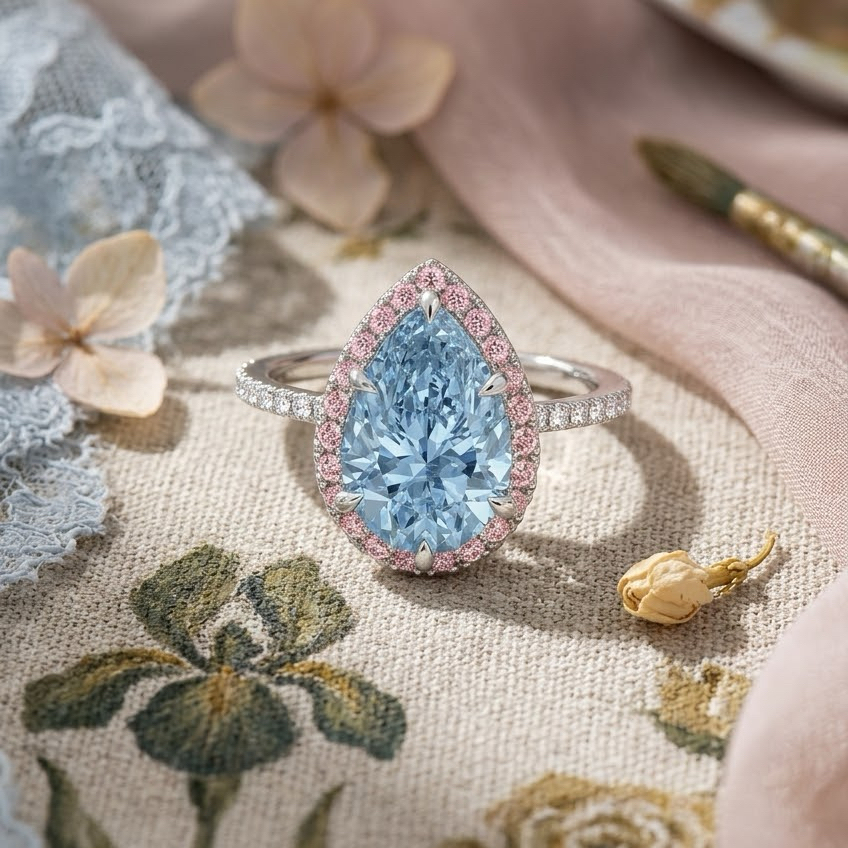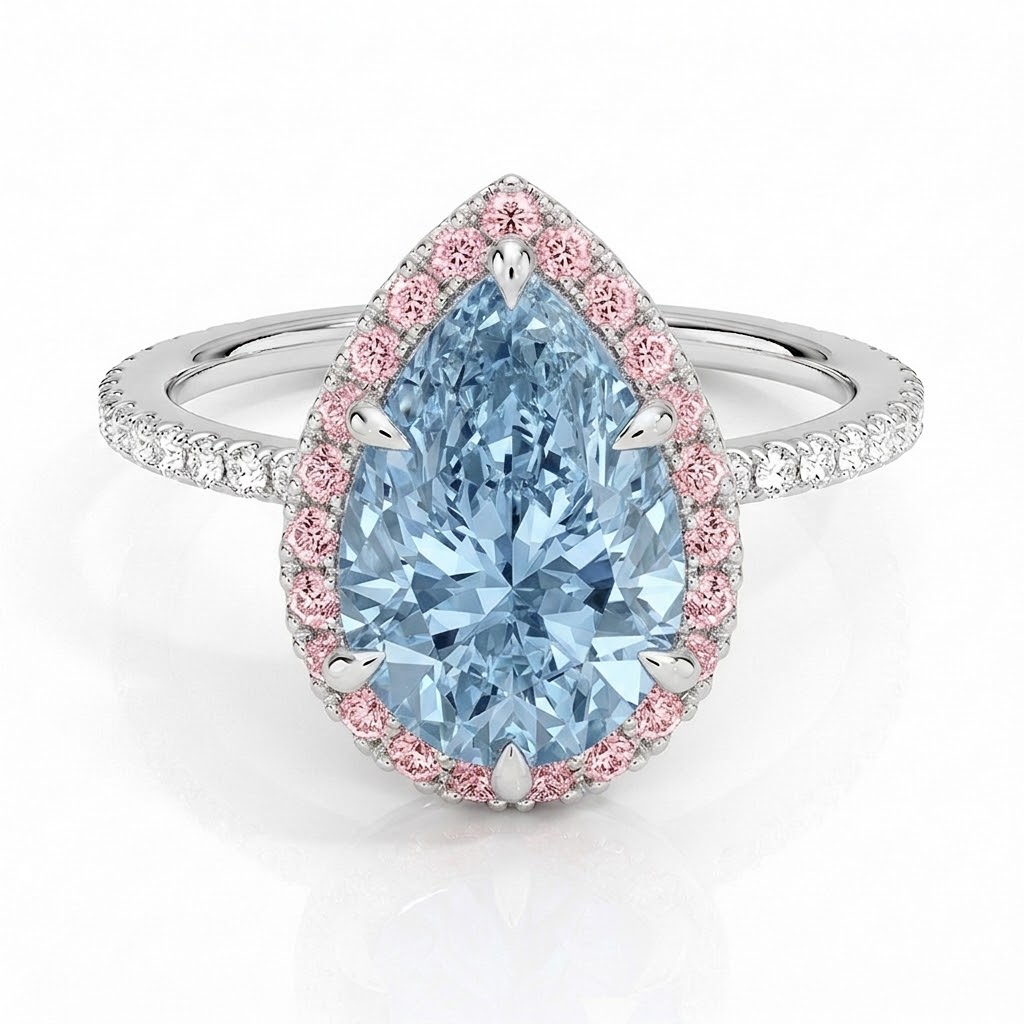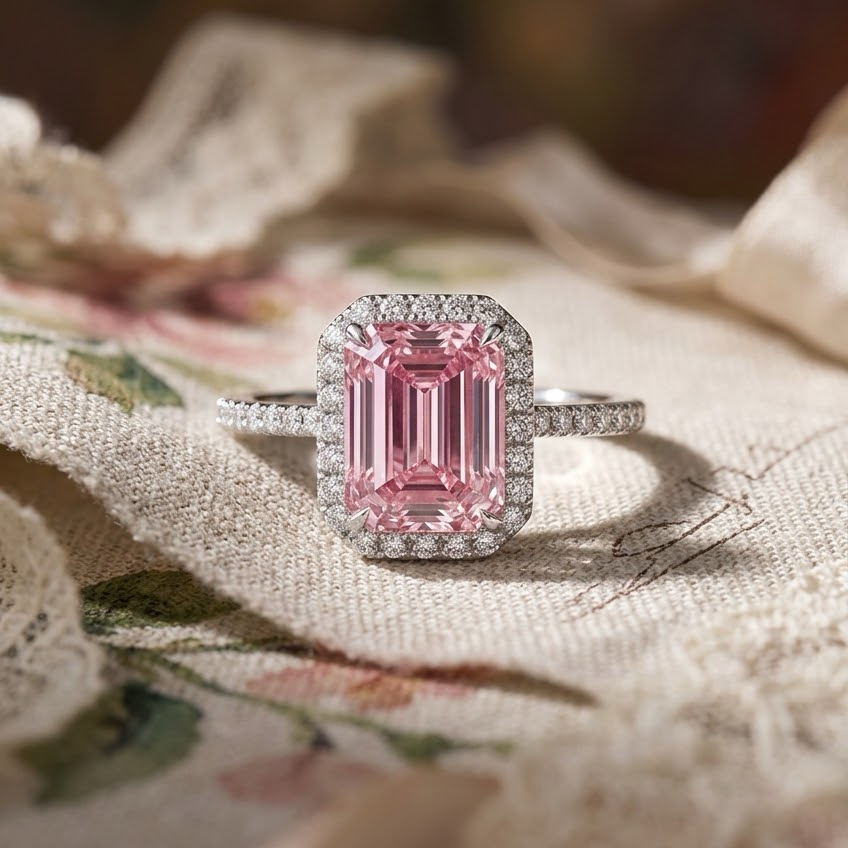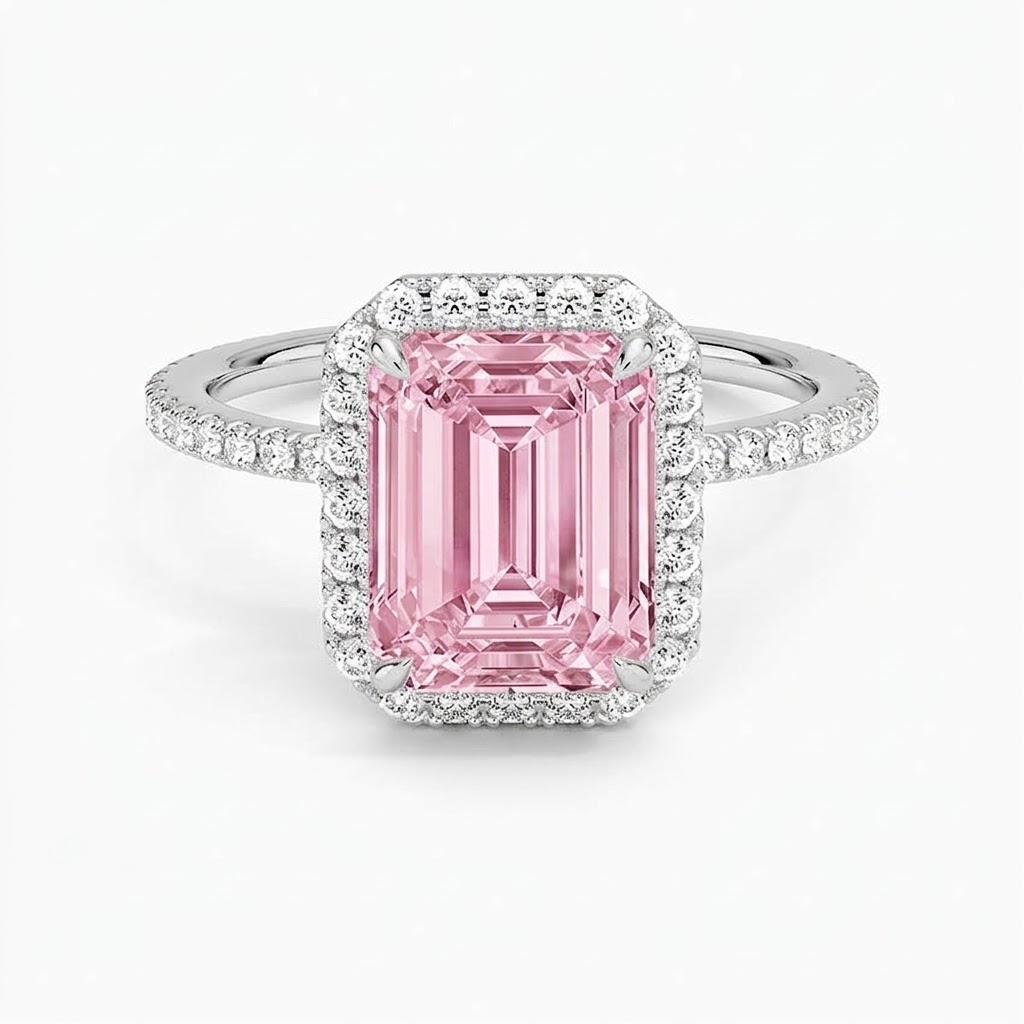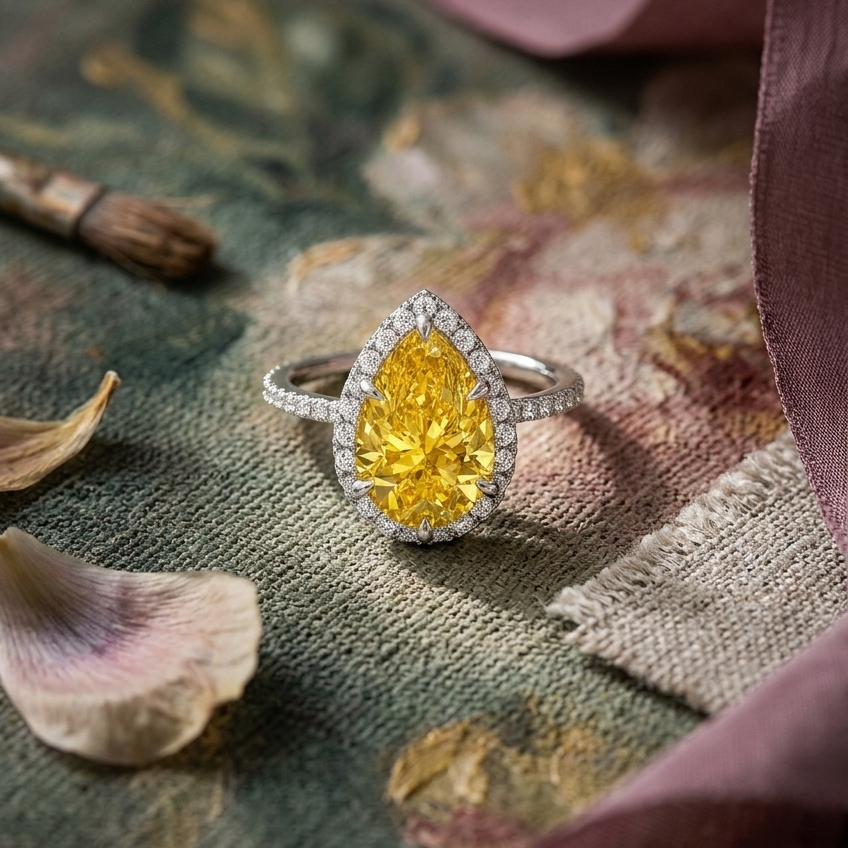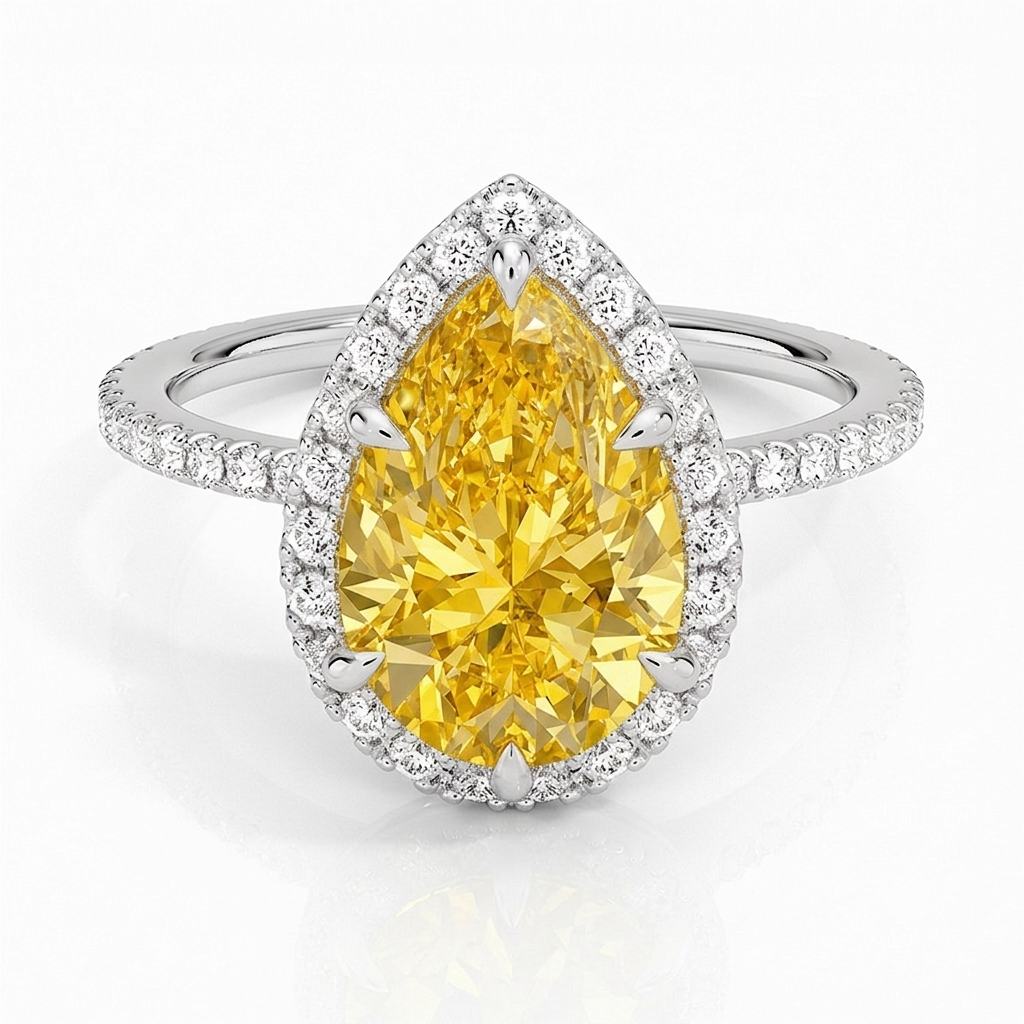
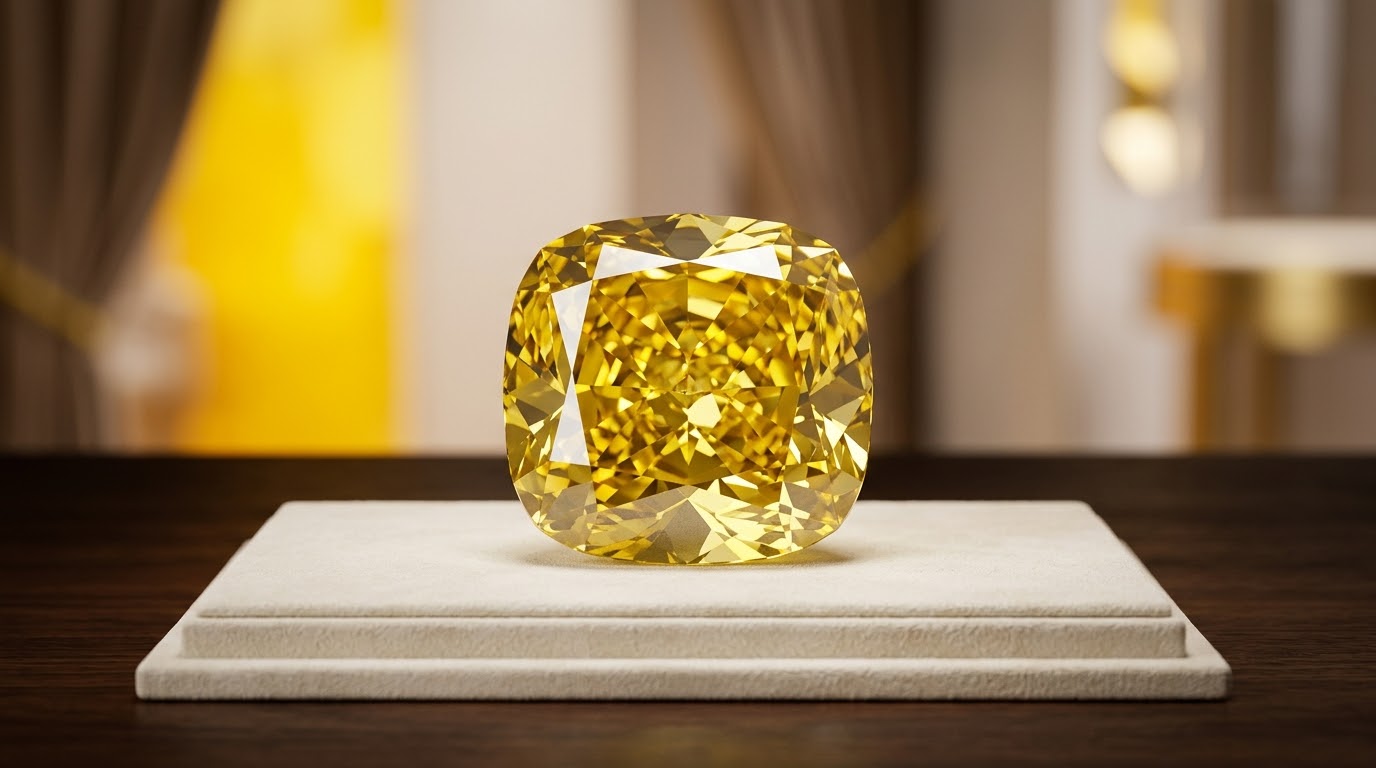
Yellow diamonds are having a particularly interesting moment in fine jewelry. In September 2026, a 22.09-carat natural Fancy Yellow diamond named the Kimberley Sunshine was announced as the centerpiece of Heritage Auctions’ Fall Fine Jewelry Signature Auction, with a $200,000–$250,000 estimate.
Just days later, Kylie Jenner drew attention to yellow diamonds with a dramatic stack of yellow diamond earrings in different shapes, together with a large yellow diamond ring. These moments reflect something broader: yellow is increasingly being treated not simply as a deviation from the traditional white diamond, but as a deliberate expression of personality.
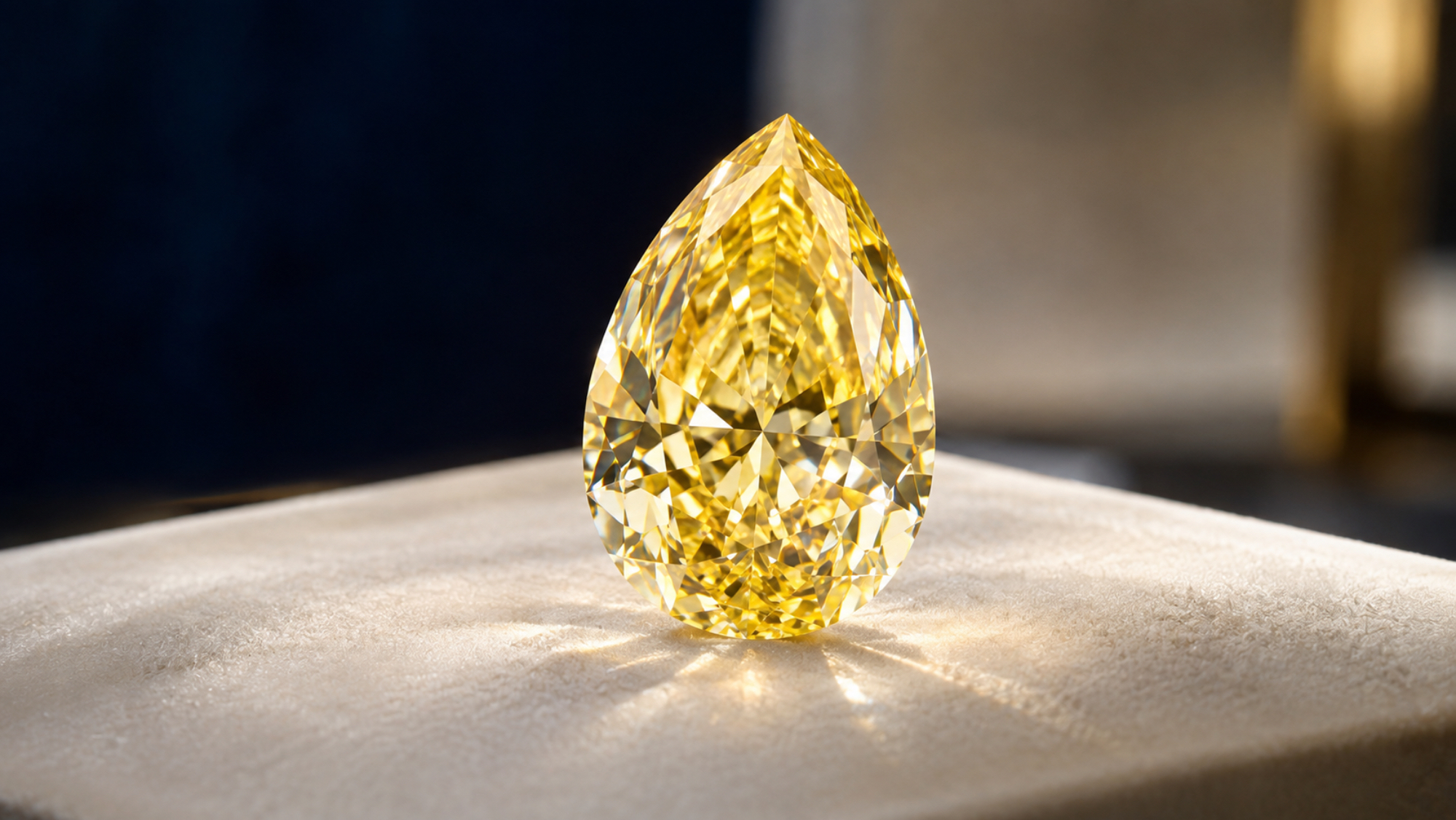
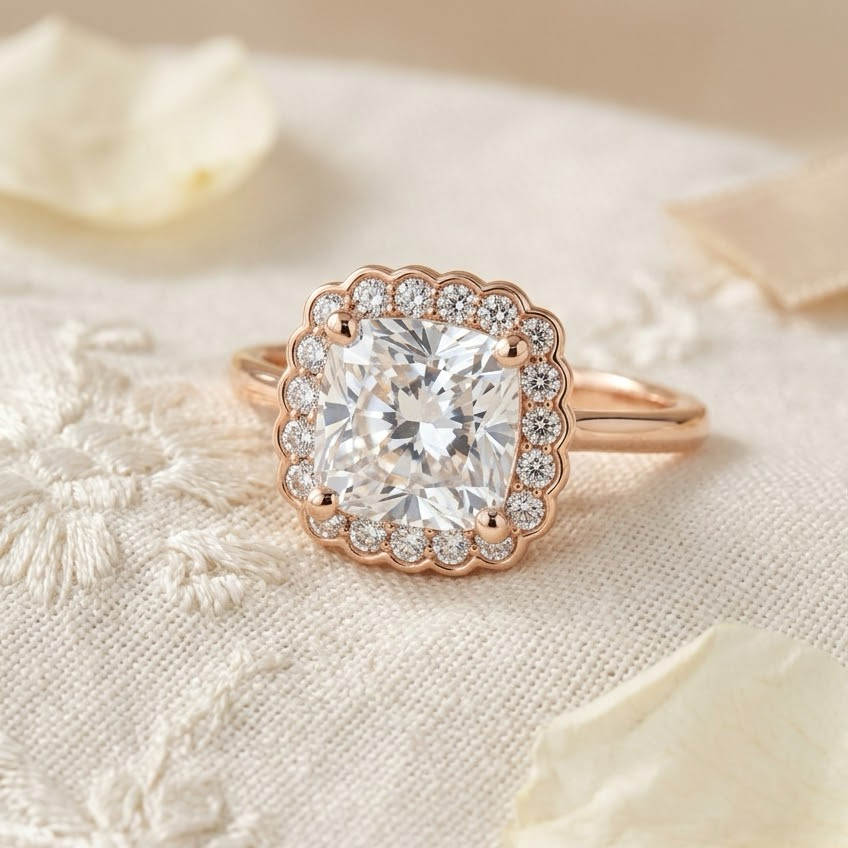
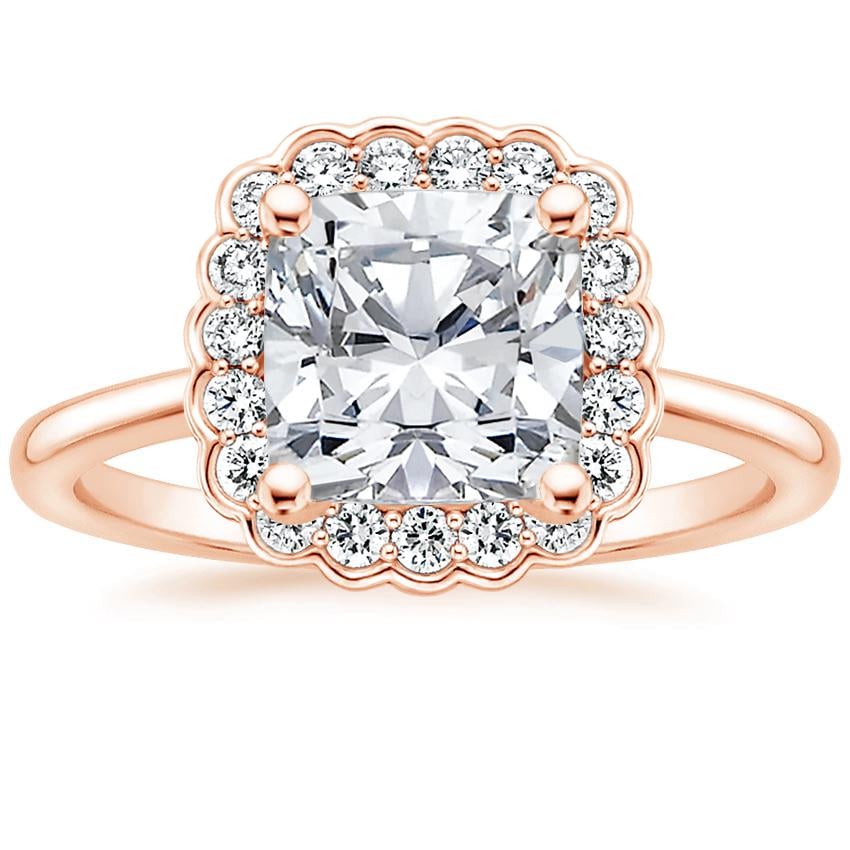
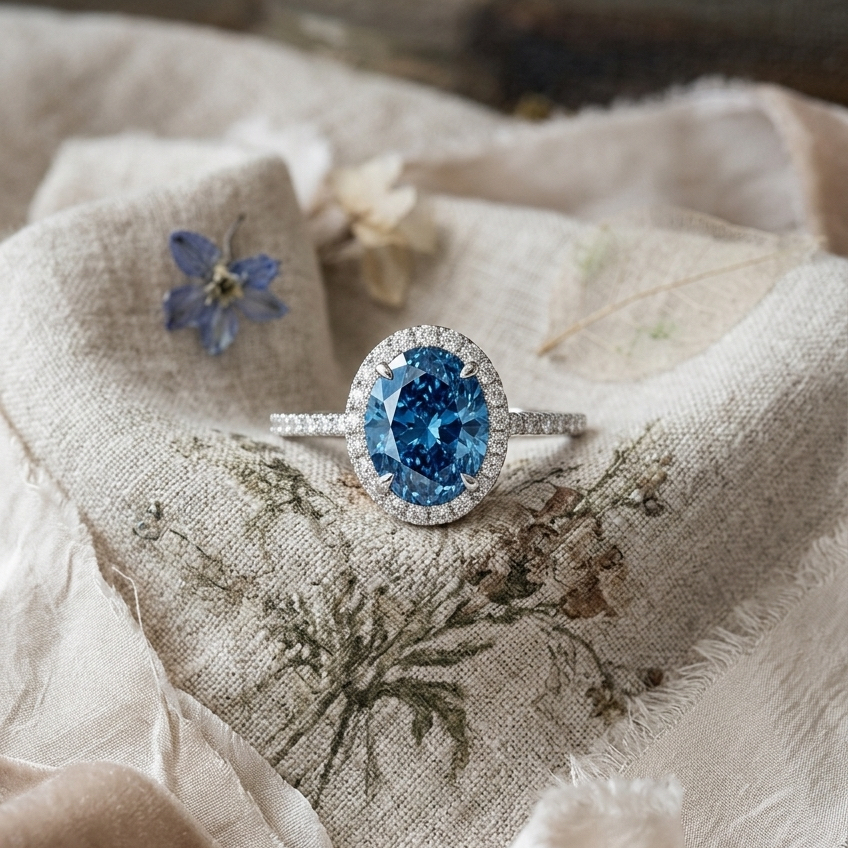
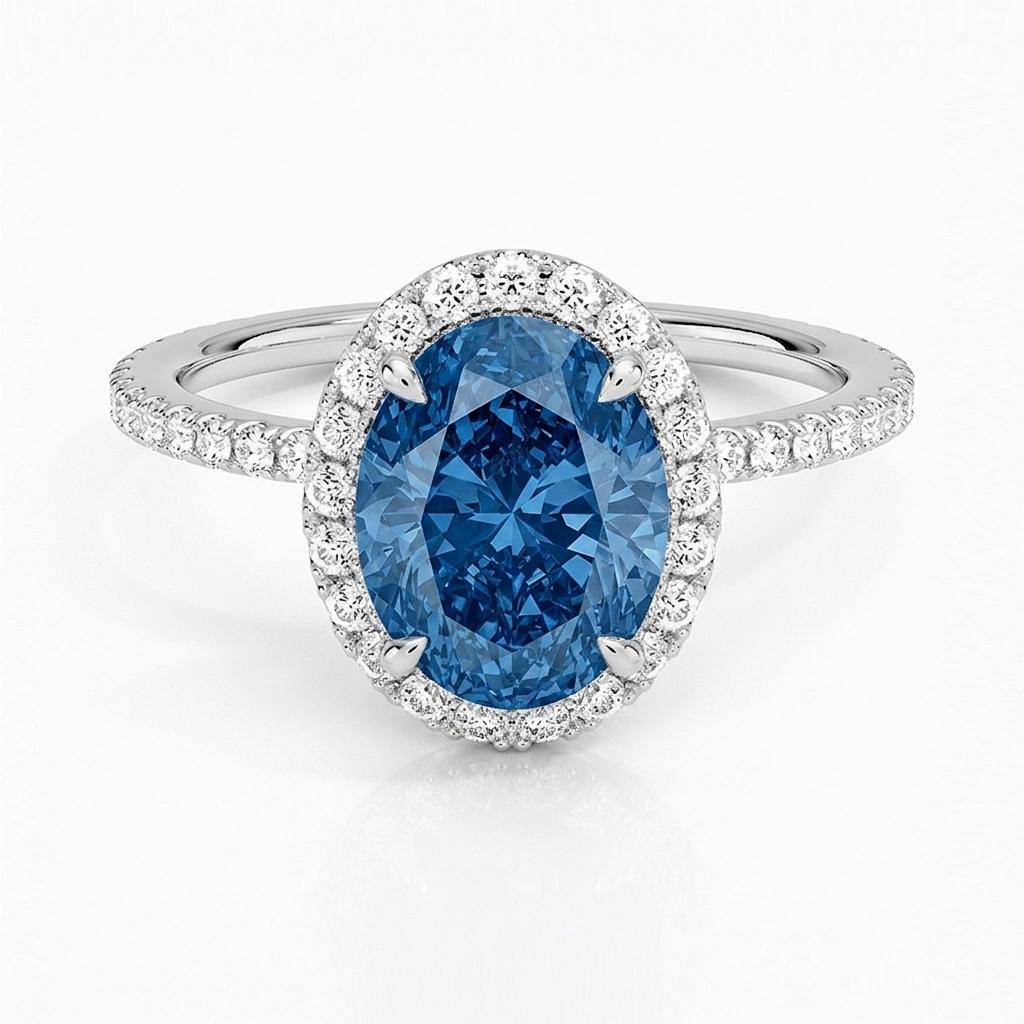
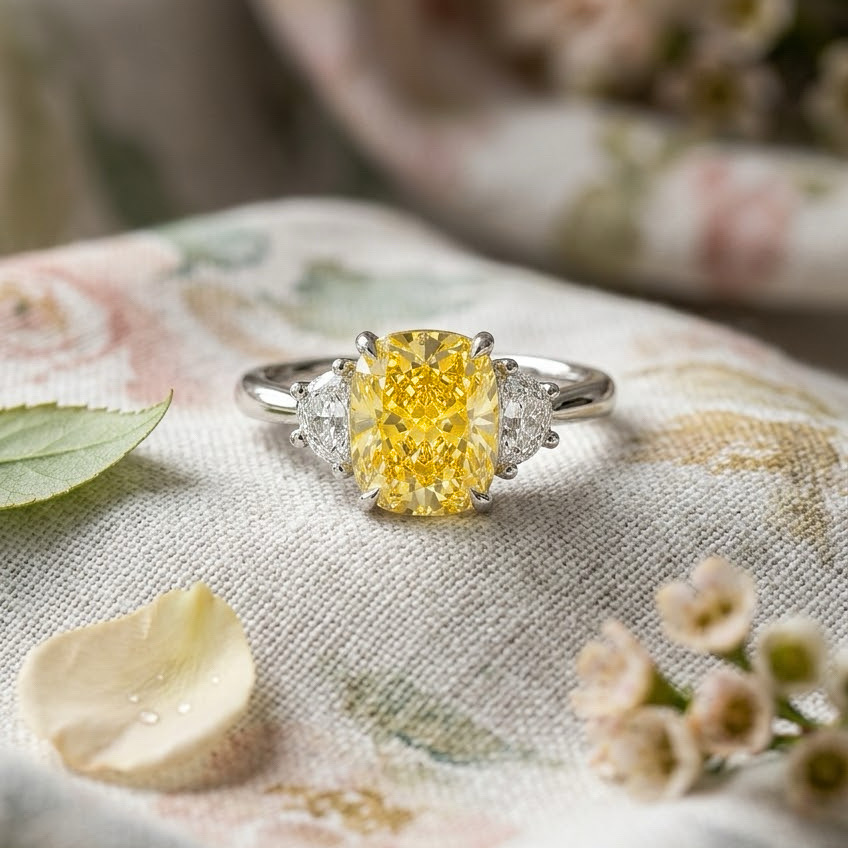
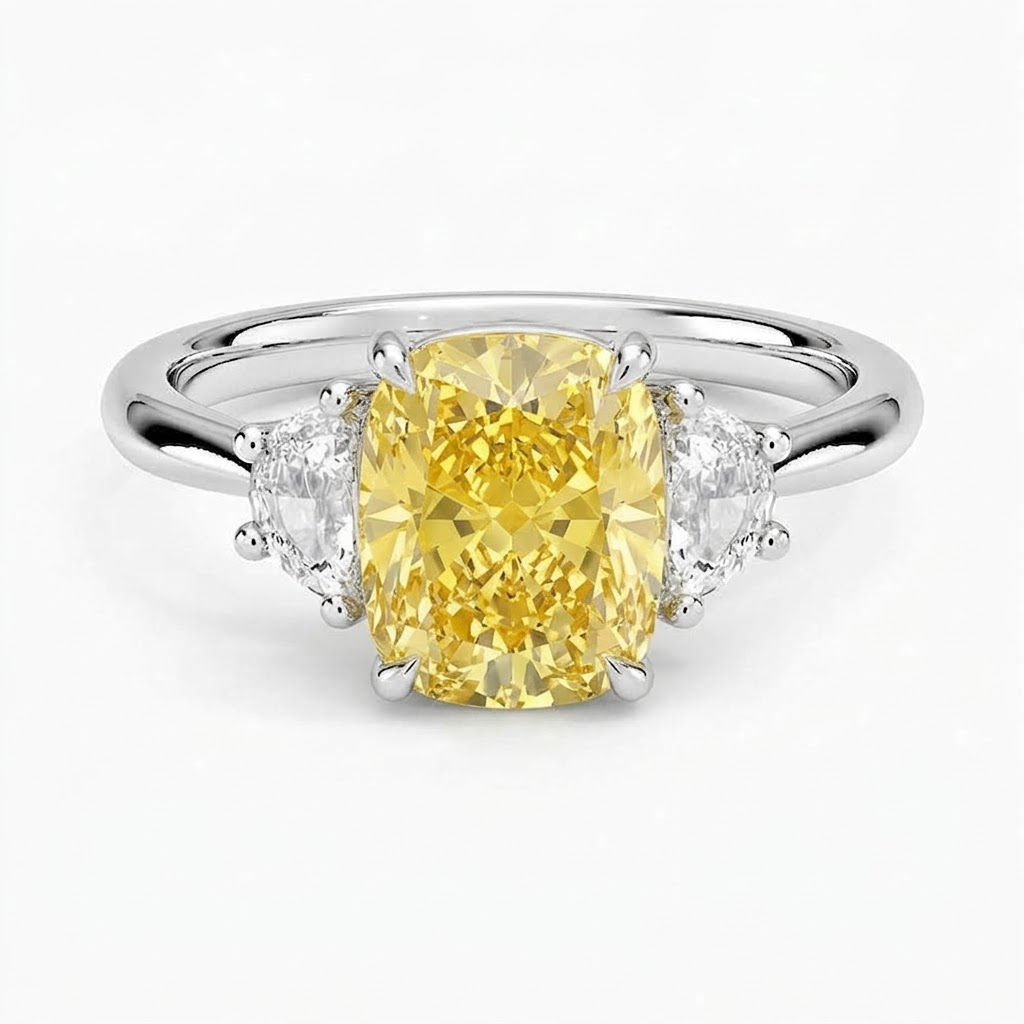
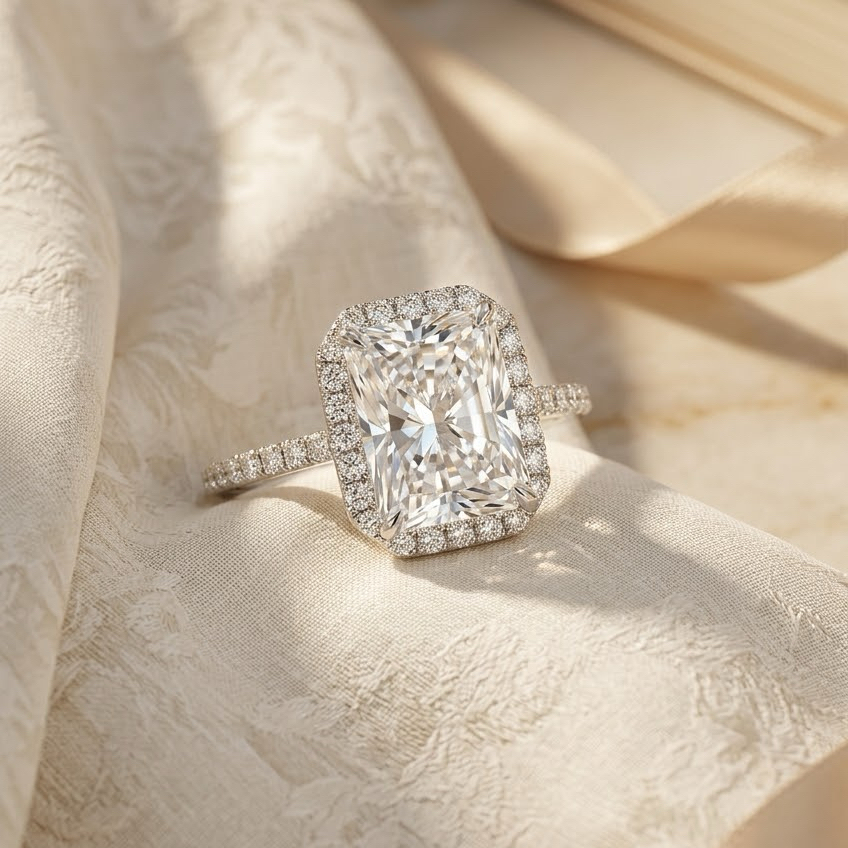
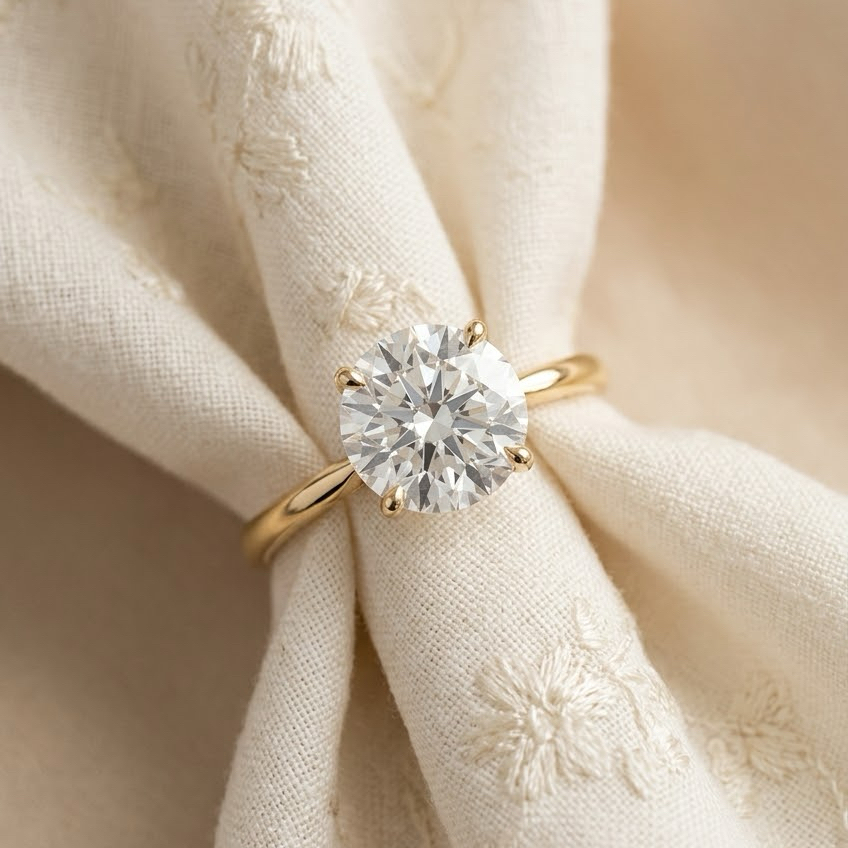
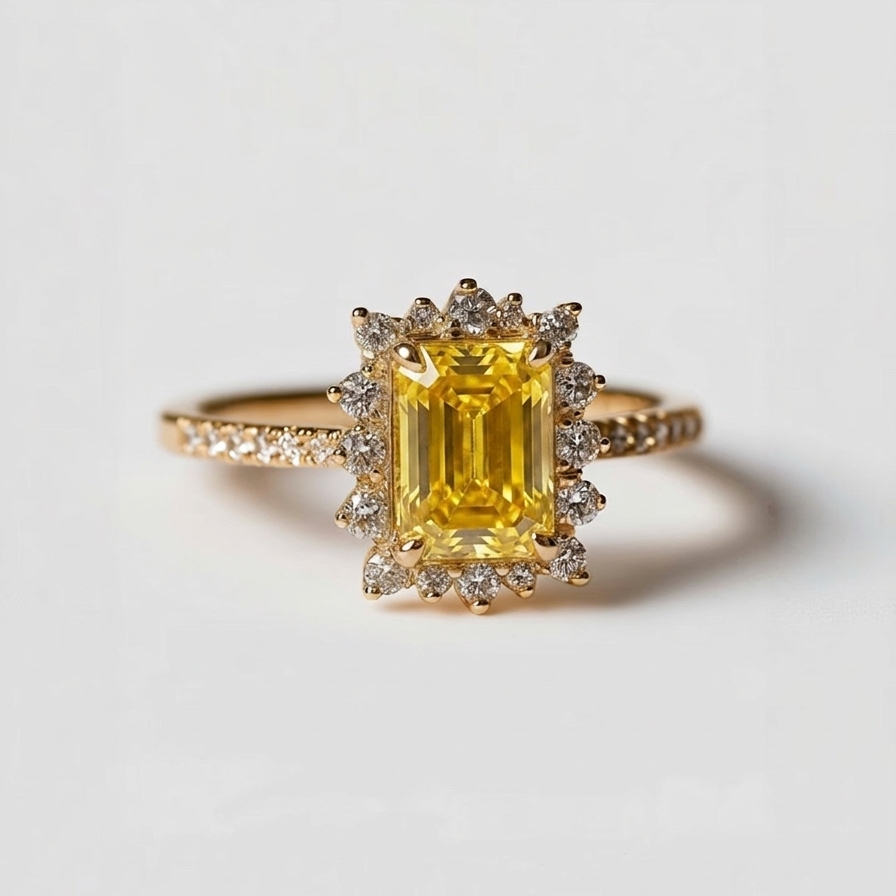
(Artistic recreation inspired by the Kimberley Sunshine, a 22.09-carat natural Fancy Yellow diamond featured in Heritage Auctions’ 2026 Fall Fine Jewelry Signature Auction; auction details courtesy of Heritage Auctions.)
Why Are Yellow Diamonds Capturing Attention?
The appeal of yellow diamonds goes beyond celebrity jewelry. In the United States, De Beers’ 2026 research based on 18,500 women aged 18–74 found that non-bridal occasions now account for three-quarters of natural diamond demand, with personal motivations such as celebrating a new job, promotion or achievement increasingly influencing purchases. This shift is especially relevant to women who see fine jewelry as something they can choose for themselves, rather than something reserved for engagement or marriage.
The UK jewelry conversation is moving in a similar direction toward individuality. British Vogue’s September 2026 coverage of London jewelry trends highlighted consumers’ growing interest in distinctive stones and specifically noted that De Beers London continues to champion unusual diamond colors including yellow. Across both markets, the message is not that every woman wants a yellow diamond, but that there is increasing appreciation for jewelry that feels personal, distinctive and less conventional.
Choose for Themselves: Self-purchased Diamond Jewelry for Celebrating Your Own Milestones
What Is a Yellow Lab Grown Diamond?
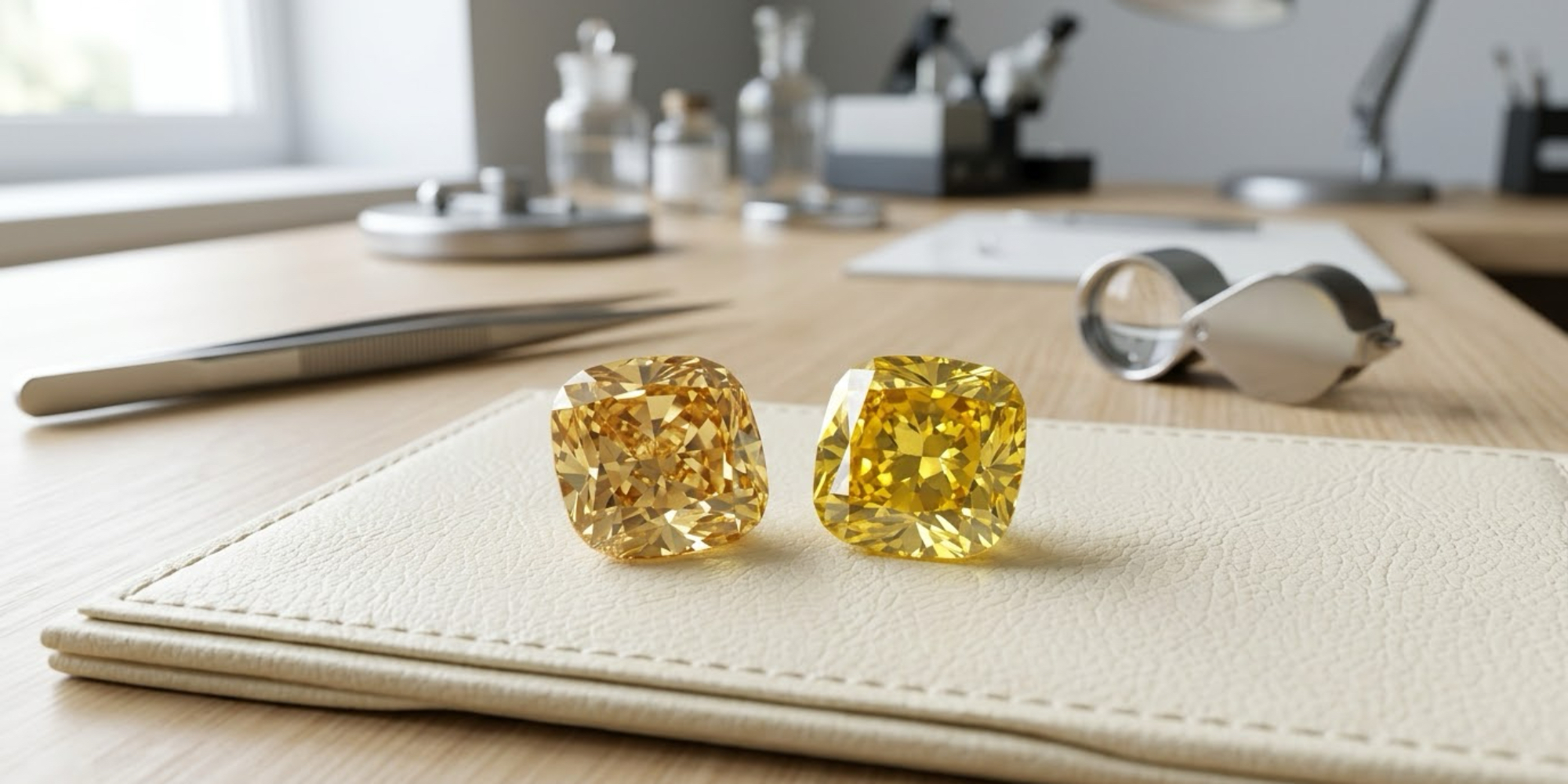
A yellow lab grown diamond is a real diamond created in a controlled laboratory environment, with its yellow color produced through characteristics introduced during the growth process. According to GIA, HPHT-grown diamonds can develop yellow color when isolated nitrogen is incorporated into the crystal structure. GIA has also documented a group of 26 HPHT-grown yellow diamonds in Fancy Vivid and Fancy Intense grades, including cushion, oval, heart and pear shapes.
This means that a yellow lab grown diamond can offer the same fundamental diamond beauty—fire, brilliance and scintillation—while giving designers and clients access to a vivid colored stone without the same geological rarity associated with a natural fancy yellow diamond.
Learn more about Yellow Diamond
The Cons of a Yellow Lab Grown Diamond
There are, however, important considerations. The first is rarity and market positioning. Natural fancy yellow diamonds have a geological history and scarcity that lab grown diamonds do not share. A natural yellow diamond with exceptional size, color, clarity and provenance can therefore occupy a very different position in the collectible and luxury market.
The second consideration is color origin and appearance. Not every yellow lab grown diamond looks the same. Growth conditions, nitrogen concentration, treatment history and cutting can influence the final appearance. GIA’s research on HPHT-grown yellow diamonds found that producing attractive, consistent Fancy Vivid yellow requires careful control of nitrogen concentration, temperature, pressure and the growth environment.
The third consideration is long-term market value. Lab grown diamond prices have experienced significant downward pressure as production has expanded. This does not make a lab grown diamond less beautiful or less suitable for personal jewelry, but buyers should understand that a lab grown diamond and a rare natural fancy color diamond represent different types of value.
For this reason, we believe a yellow lab grown diamond should be chosen for its beauty, quality, design and meaning—not with the expectation that it will behave like a natural collectible gemstone in the future.
Lab-Grown Colored Diamonds vs Natural Colored Diamonds
Why the Individual Diamond Still Matters
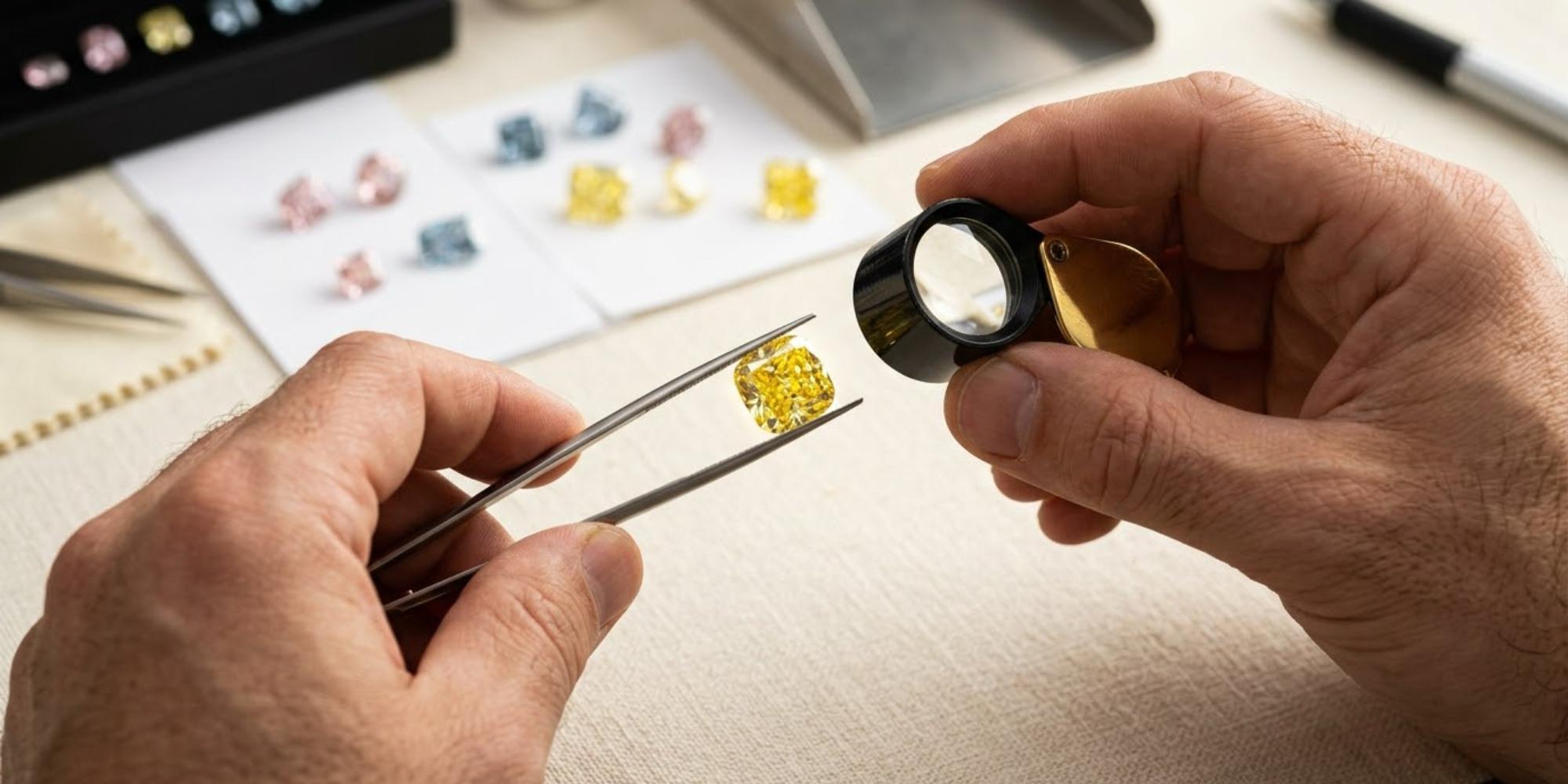
“Yellow diamond” is not a complete description of quality. Two stones can both be called yellow lab grown diamonds and look remarkably different when viewed in person.
Color intensity, undertone, cut proportions, symmetry, polish, clarity and light performance all influence what the eye actually sees. Cushion cuts are particularly interesting because their broad facets can create a beautiful combination of color and light, but the proportions and faceting pattern still matter enormously.
This is why a certificate should be treated as a foundation rather than the entire selection process. The actual diamond deserves to be examined for how its color, brilliance and proportions come together.
Discover Fancy Color Diamond Grading
Our New Yellow Cushion Lab Grown Diamond Halo
Recently, Her Crown has curated a particularly beautiful selection of fancy-color lab grown diamonds, including yellow diamonds chosen for their visual character and quality. Rather than selecting stones simply by carat weight or color grade, we look carefully at the individual diamond before it becomes part of our collection.
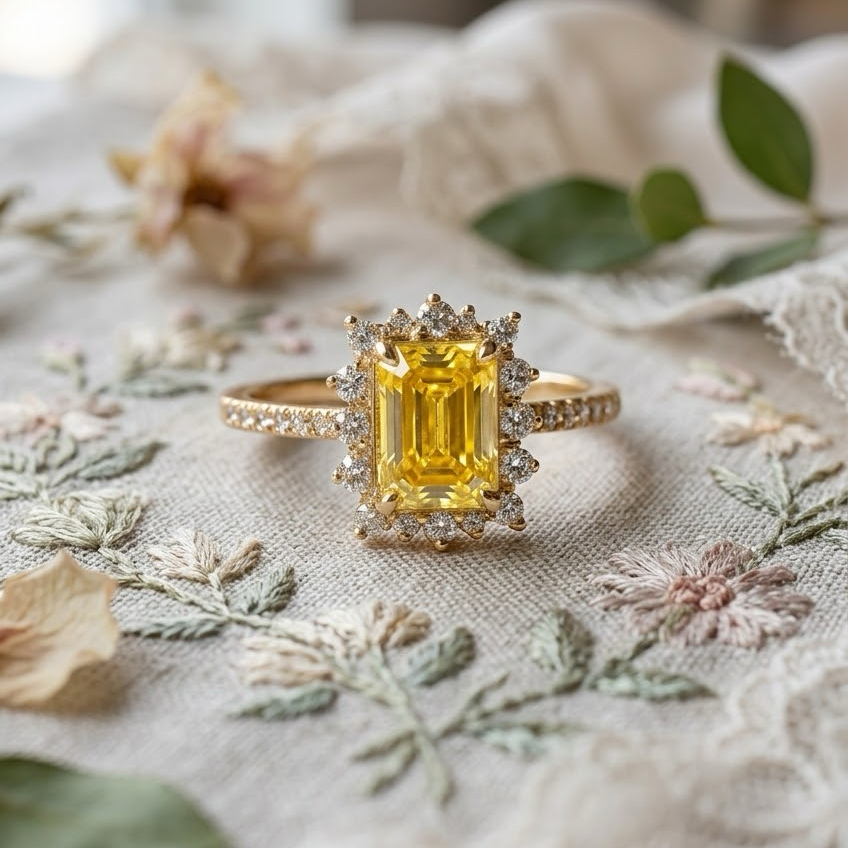
Our newest yellow design pairs a cushion-shaped yellow lab grown diamond with a delicate halo of colorless diamonds, set in warm yellow gold. The combination creates a rich, sunlit effect: the yellow gold echoes the center stone, while the surrounding diamonds add contrast and brightness.
Explore Yellow Cushion-shaped Yellow Lab-grown Diamond with Halo
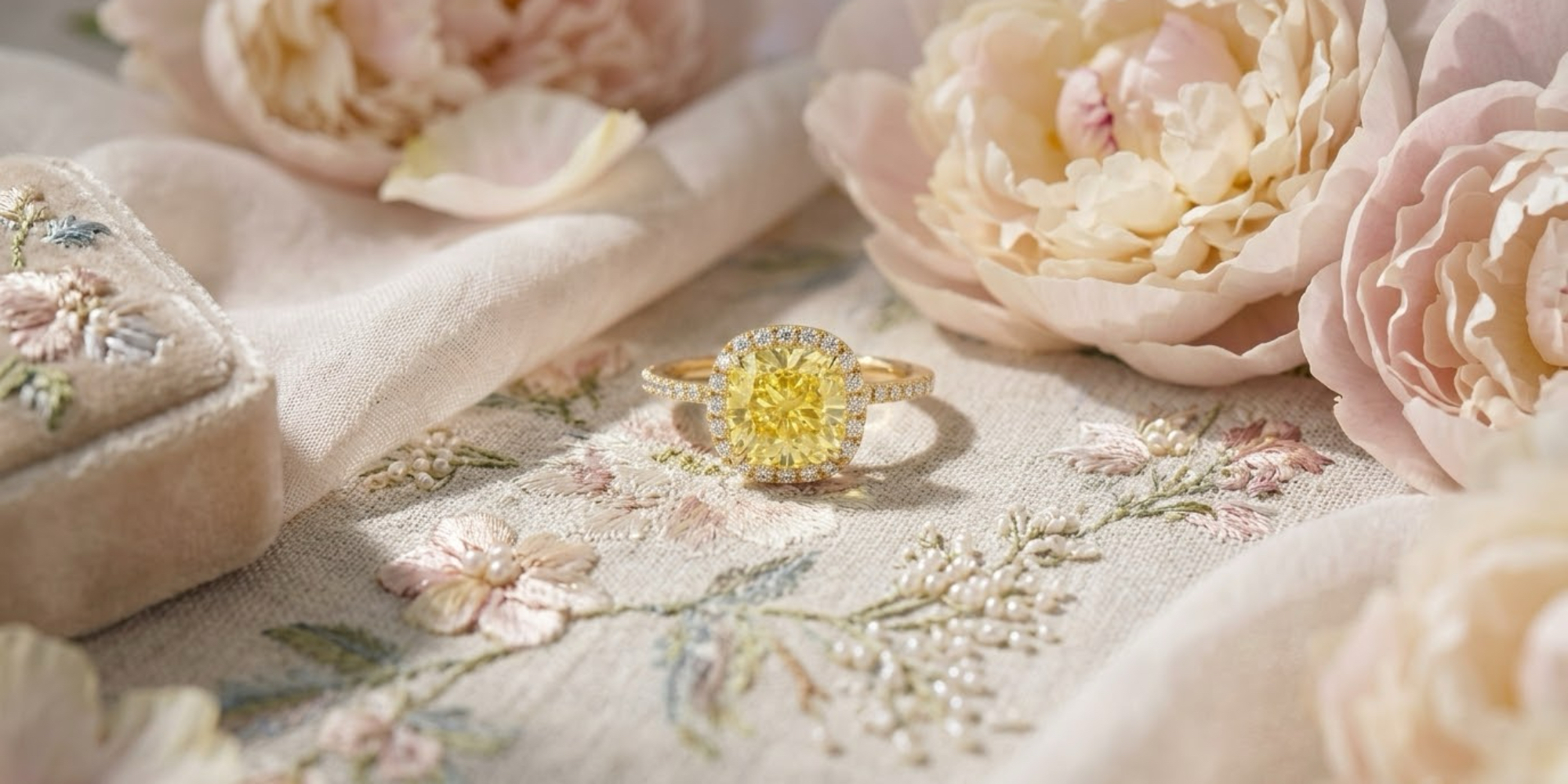
For us, the design is not about recreating a natural yellow diamond at a lower price. It is about embracing what a lab grown fancy-color diamond can offer: expressive color, thoughtful craftsmanship and the freedom to choose a distinctive piece of fine jewelry for your own reasons.
Yellow Can Be a Personal Kind of Luxury
Perhaps that is why yellow diamonds feel especially relevant now. The modern fine-jewelry customer does not necessarily want the most traditional stone or the piece everyone else is wearing. She may want something warmer, more expressive or simply more like herself.
A yellow diamond can symbolize optimism, confidence, creativity or a new beginning. Its meaning does not have to come from a proposal or another person. It can mark a promotion, a birthday, a new chapter, a personal achievement—or simply the decision to celebrate who youare becoming.
Discover Outgrowing Your Old Self: You Were Never Meant to Dim Your Light
Explore The Masterwork Design: The Yellow Bloom Inspired by Claude Monet’s Sunflowers