

















What if the promotion you want isn’t asking for too much—but asking for what your work has already earned?
Many women work hard, take on more responsibility and quietly become the person everyone relies on. Yet when promotion time arrives, they may still think, “Maybe I should wait until I’m more qualified.” Or, “Perhaps my manager will notice.”
But good work does not always speak for itself. Current career guidance recommends making your contributions visible, understanding what the next level requires and clearly communicating that you want to advance.
If you are wondering how to ask for a promotion, this guide will help you prepare your evidence, understand your value, start the conversation with confidence and respond if the answer isn’t immediately yes.
More importantly, it is about something deeper: learning to recognize your own growth before someone else gives you permission to see it.
First, Ask Yourself: Do I Actually Want the Next Step?
Before preparing your promotion conversation, pause.
Do you genuinely want the role—or do you simply want recognition for everything you have already been doing?
There is nothing wrong with either answer.
A promotion often brings greater responsibility, visibility and expectations. It may be exactly the challenge you are ready for. But perhaps you want a different role, more autonomy, a salary adjustment or a career change instead.
Knowing what you actually want will make your conversation much stronger. Don’t climb a ladder simply because everyone expects you to. Make sure it is leading somewhere you want to go.

Look at the Work You Are Already Doing
One of the strongest signs that you may be ready for a promotion is that your responsibilities have already started moving beyond your current role.
Are you solving problems that previously belonged to someone more senior? Are colleagues coming to you for guidance?
Are you leading projects, mentoring others, influencing decisions or taking responsibility for outcomes beyond your job description?
Have you become the person who can be trusted when something important needs to get done? These are not small details. They are evidence that your role may already be evolving.
HBR recommends building a case around your strengths, recent successes and measurable impact rather than simply saying that you have worked hard.
Signs You’re Ready for a Leadership Role
Build Your Evidence Before You Build Your Argument
Don’t walk into the conversation with only a feeling that you deserve a promotion. Bring evidence.
Create a simple list of your achievements over the past six to twelve months. Include projects you led, revenue you generated, costs you reduced, processes you improved, clients you retained, problems you solved and people you helped develop.
Whenever possible, quantify the impact. Instead of saying: “I improved our onboarding process.” Say: “I redesigned the onboarding process, reducing the average completion time by 30%.”
The difference is powerful. One describes effort. The other demonstrates impact. And remember to keep this record throughout the year rather than trying to reconstruct your achievements immediately before your review.
Current guidance from Lean In similarly recommends continuously documenting measurable results and responsibilities beyond your job description.

Find Out What the Next Level Actually Requires
Don’t assume that excellent performance in your current role automatically means you are ready for the next one. Find out what your company expects from someone at the level you want.
Look at the formal promotion criteria if they exist. Speak with your manager, mentor or trusted colleagues. Understand what responsibilities, skills, leadership behaviors and business impact are expected.
Then ask yourself: Which of these things am I already demonstrating? And: Which ones do I still need to develop?
This turns “I want a promotion” into a much more compelling statement: “Here is what the next level requires, here is what I have already demonstrated, and here is how I am preparing for what comes next.”
Don’t Wait Until You Feel 100% Ready
This is particularly important for women. You may be tempted to wait until you can tick every box before raising your hand. But career growth rarely happens when you feel perfectly prepared.
The current Lean In guidance explicitly notes that women can be more likely to hold back until they feel fully qualified, while effective promotion conversations focus on demonstrated results, next-level work and a clear conversation about advancement.
Being ready does not mean knowing everything. It means being capable of growing into the responsibility.
You don’t have to become the woman in the next role before you are allowed to ask for the role. Sometimes the next chapter is where you become her.

Tell Your Manager You Want to Advance
Don’t assume your manager knows. Say it. You might begin with: “I’d like to talk about my career progression and what I would need to do to move into the next level.”
Then explain what you have accomplished, what responsibilities you have taken on and why you believe you are ready.
You can also be direct: “I’m interested in moving into [role]. Based on the responsibilities I’ve taken on and the results I’ve delivered, I’d like to discuss what it would take to make that promotion happen.”
There is nothing aggressive about being clear. You are not demanding recognition. You are opening a professional conversation about your future.
How to Build Wealth as a Woman
Practice Saying It Without Apologizing
One reason promotion conversations can feel uncomfortable is that self-advocacy can feel unfamiliar.
You may hear yourself saying: “I know this might be too much to ask…” “I’m not sure if I’m ready, but…” “I don’t want to sound arrogant…”
Notice what happens when you remove those apologies. Instead: “I’d like to discuss my progression to the next level.” “Here are the results I have delivered.” “Here is the additional responsibility I have taken on.” “I’d like to understand what the next step is.”
Confidence doesn’t require becoming louder or harder.It can simply mean speaking about your own contribution without shrinking it.

Talk About Business Impact, Not Just Effort
Working late, answering messages at night and constantly helping everyone else may demonstrate commitment.
But promotion decisions are usually stronger when your case shows the value and impact of your work.
Ask yourself: What became better because I was here? Maybe your team became more efficient. Maybe customers became happier.
Maybe revenue increased. Maybe a difficult project succeeded. Maybe someone you mentored became more capable. Maybe you created a system that continues working without you.
These are the stories of leadership. A promotion isn’t simply a reward for being busy. It is recognition that you are creating value at a higher level.
If the Answer Is No, Ask a Better Question
Sometimes the answer will be no. That does not necessarily mean you are not good enough. There may be budget constraints, organizational changes, timing issues or specific skills you still need to demonstrate.
Don’t leave the conversation with a vague: “Maybe next year.” Ask: “What would I need to demonstrate for you to support my promotion?” Then ask: “Can we agree on specific goals and revisit this conversation on a particular date?”
Current guidance similarly recommends turning a “no” into a concrete development plan with measurable next steps and a follow-up date. A clear “not yet” can be much more useful than an indefinite “maybe.”

And Don’t Forget to Celebrate Yourself
There is something else we don’t talk about enough. Women are often very good at moving immediately from one achievement to the next.
Promotion. New responsibility. New target. New challenge. And then immediately: What’s next?
Pause. You worked for this. You learned. You struggled. You stayed late. You solved problems nobody else wanted to solve. You became more capable than the woman who started the journey. Let yourself recognize that.
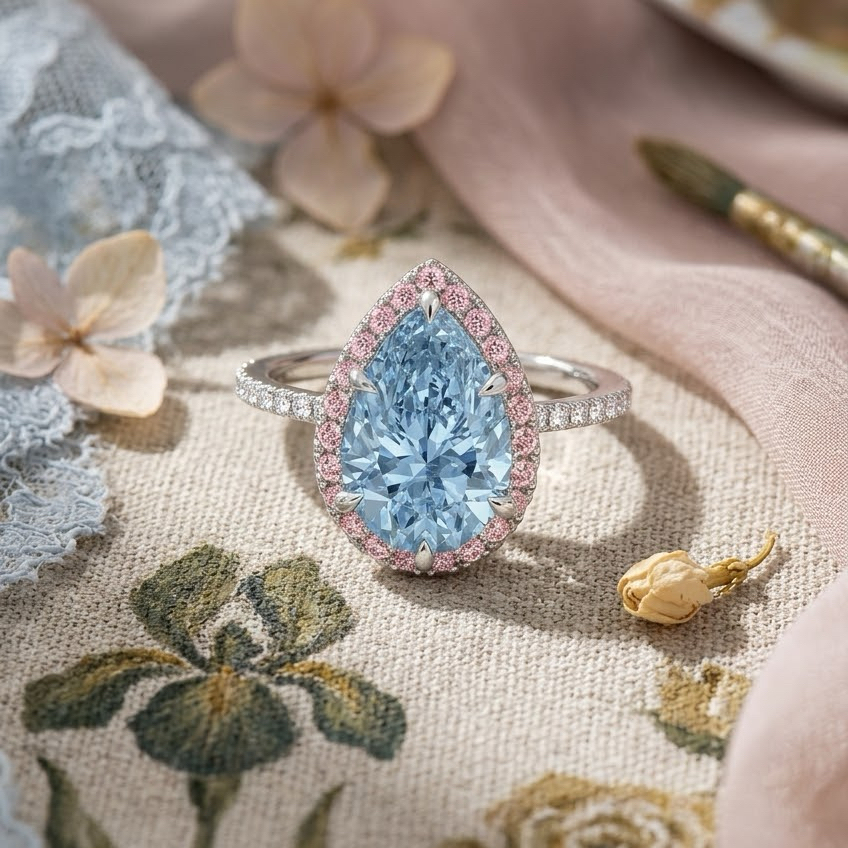
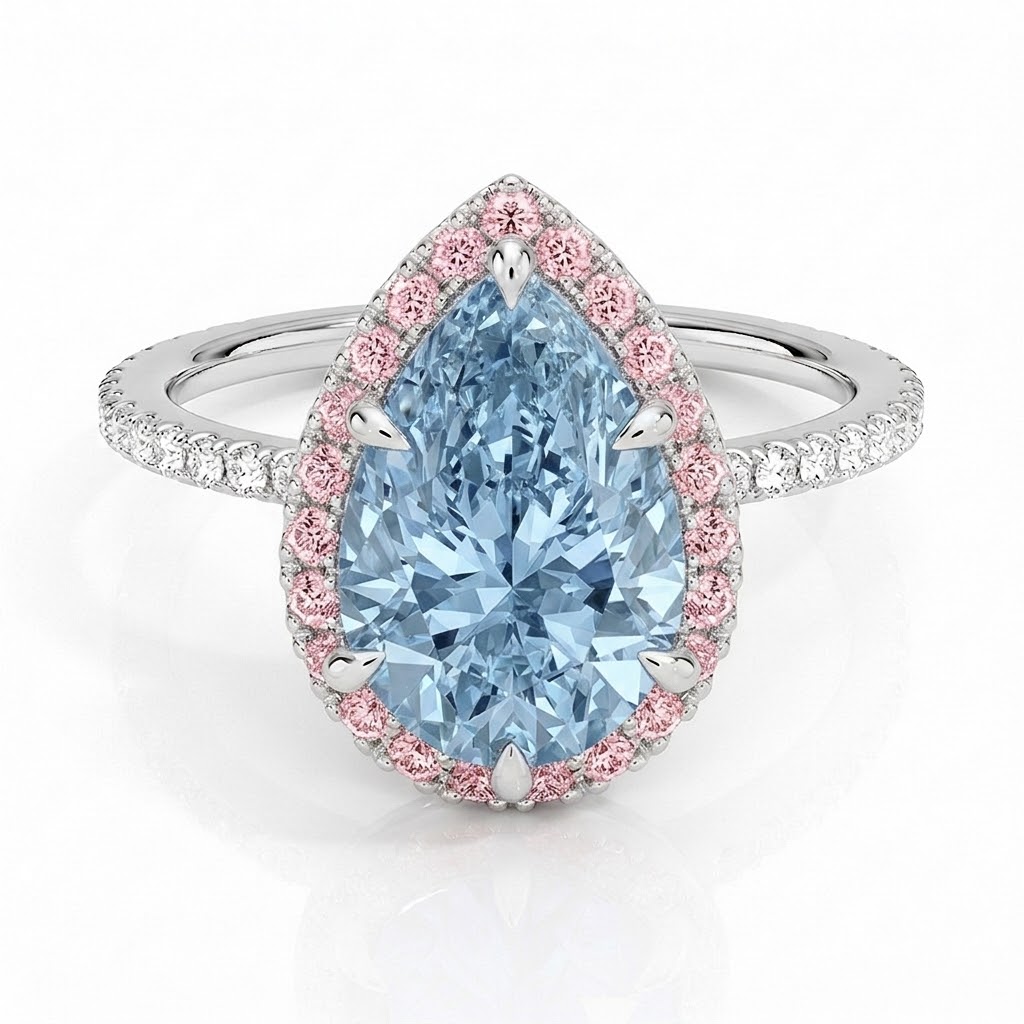
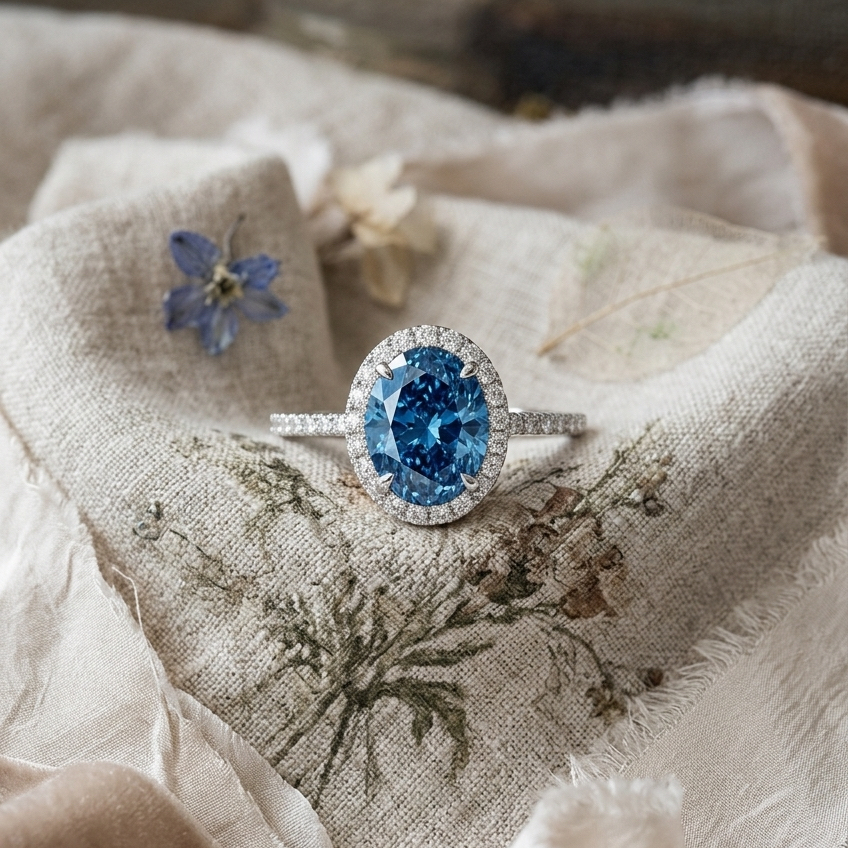
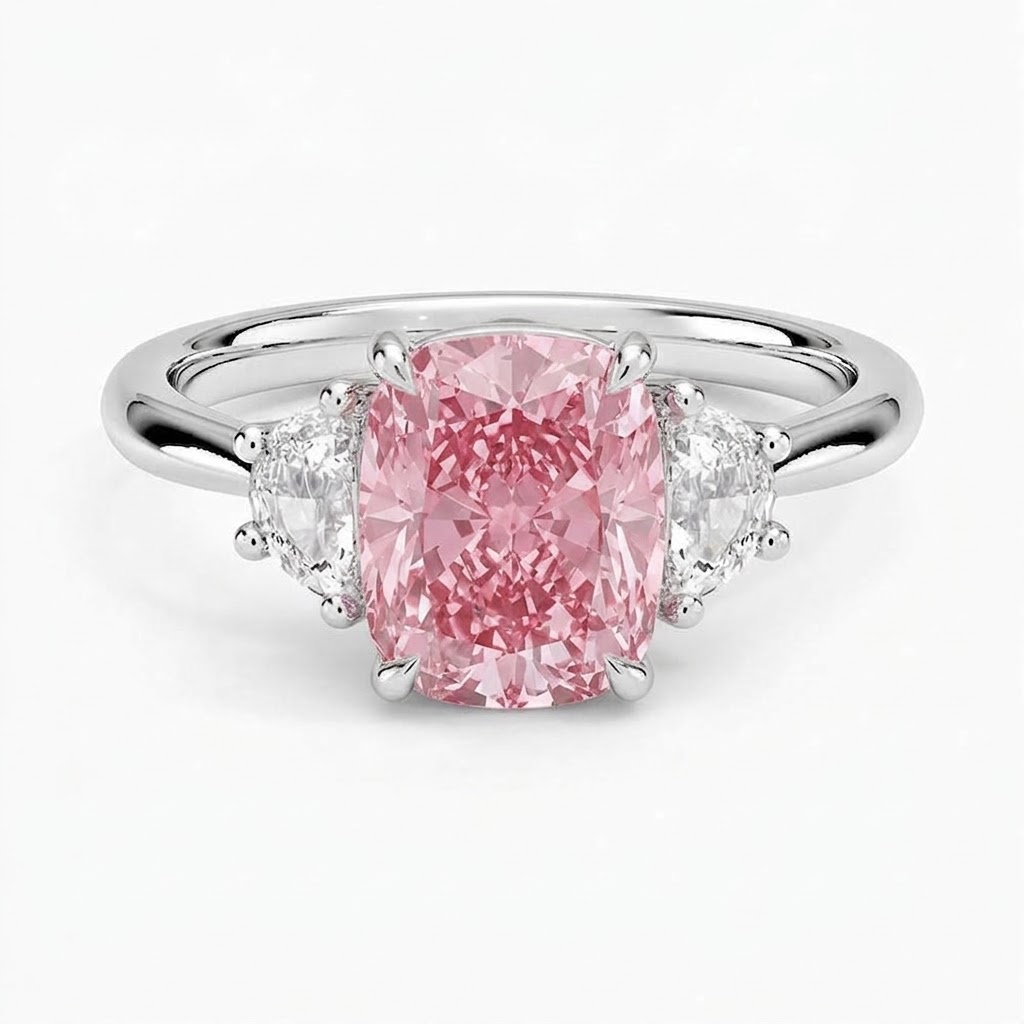
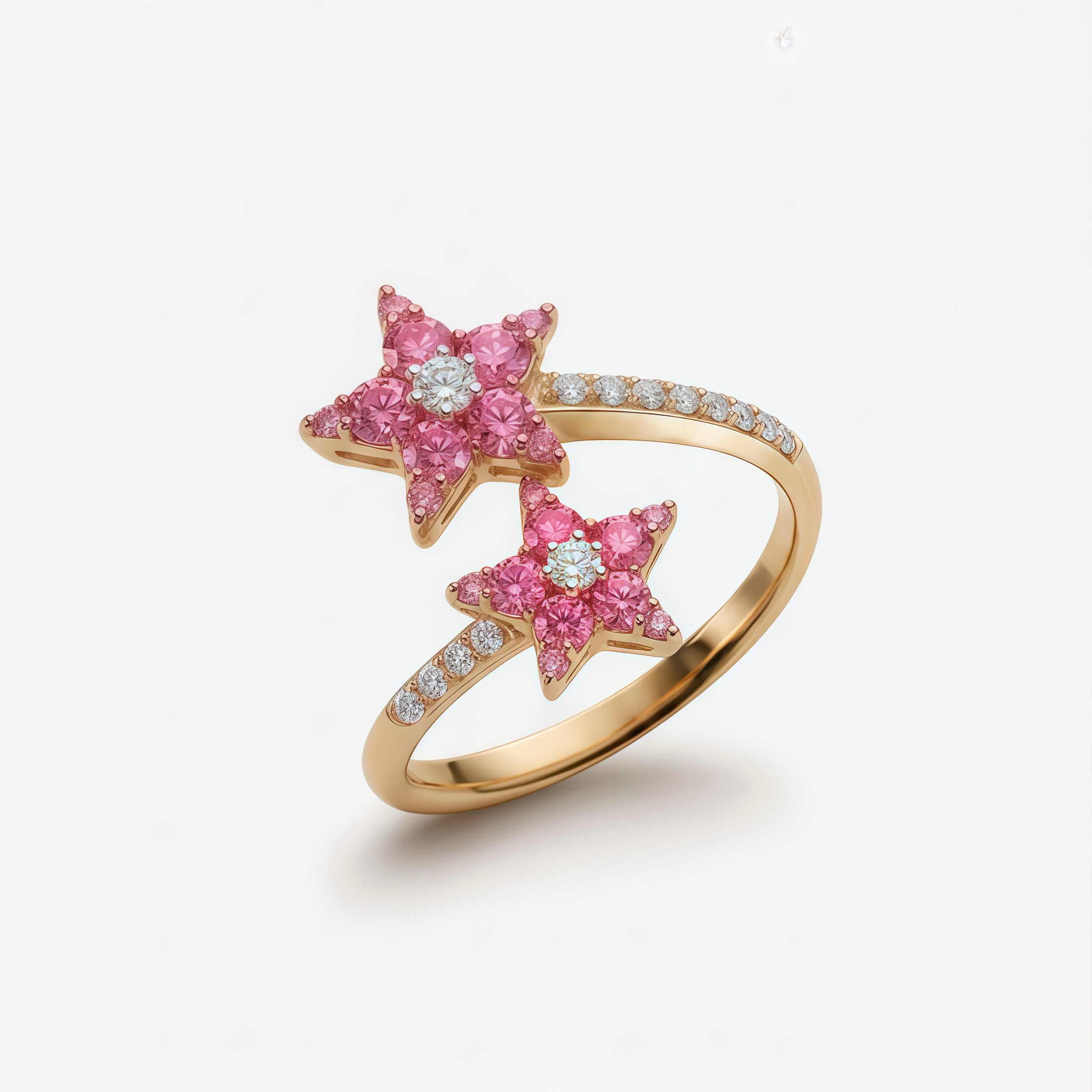
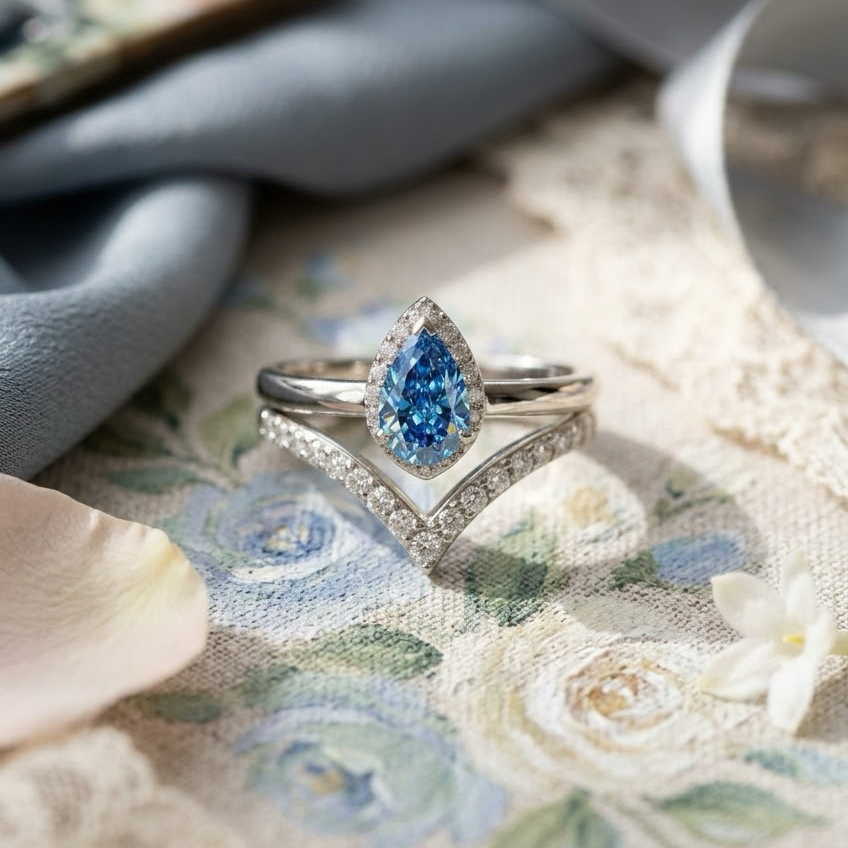
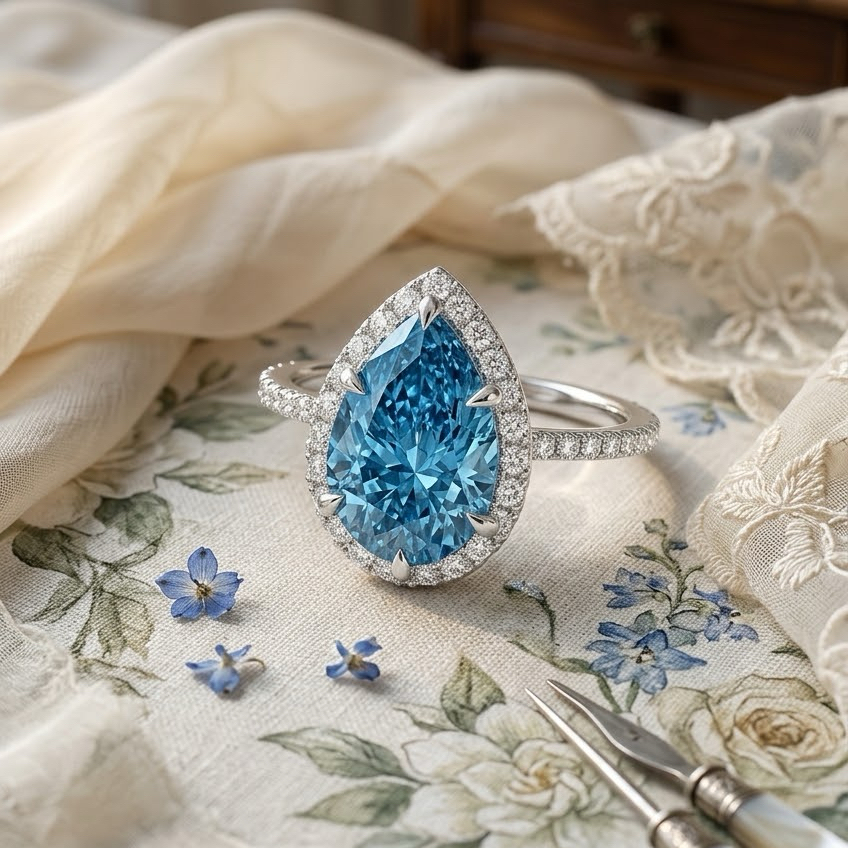
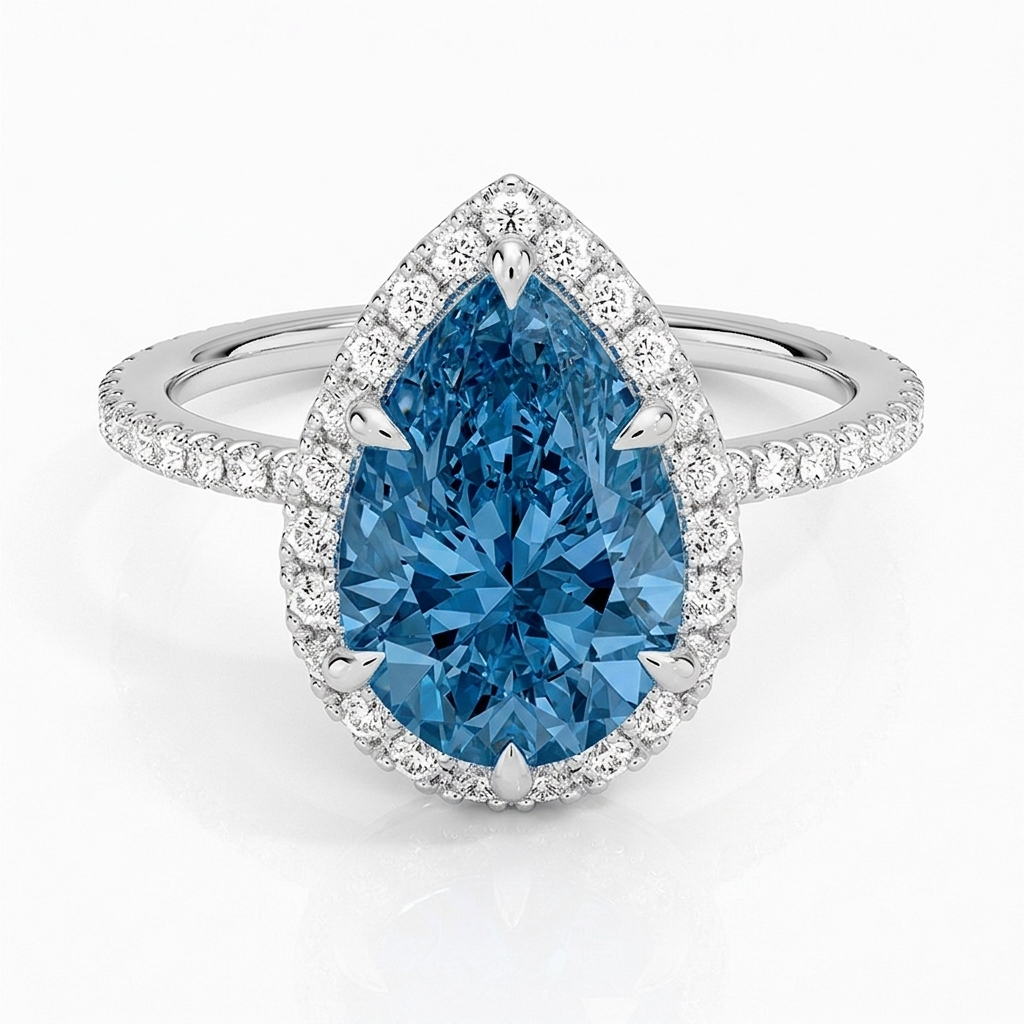
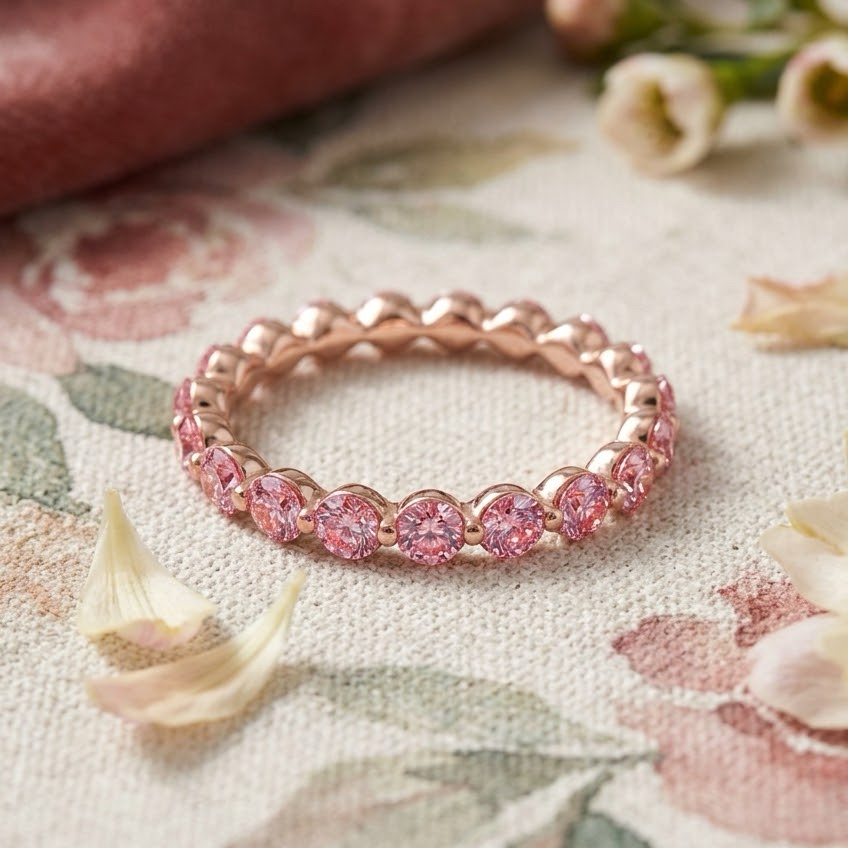
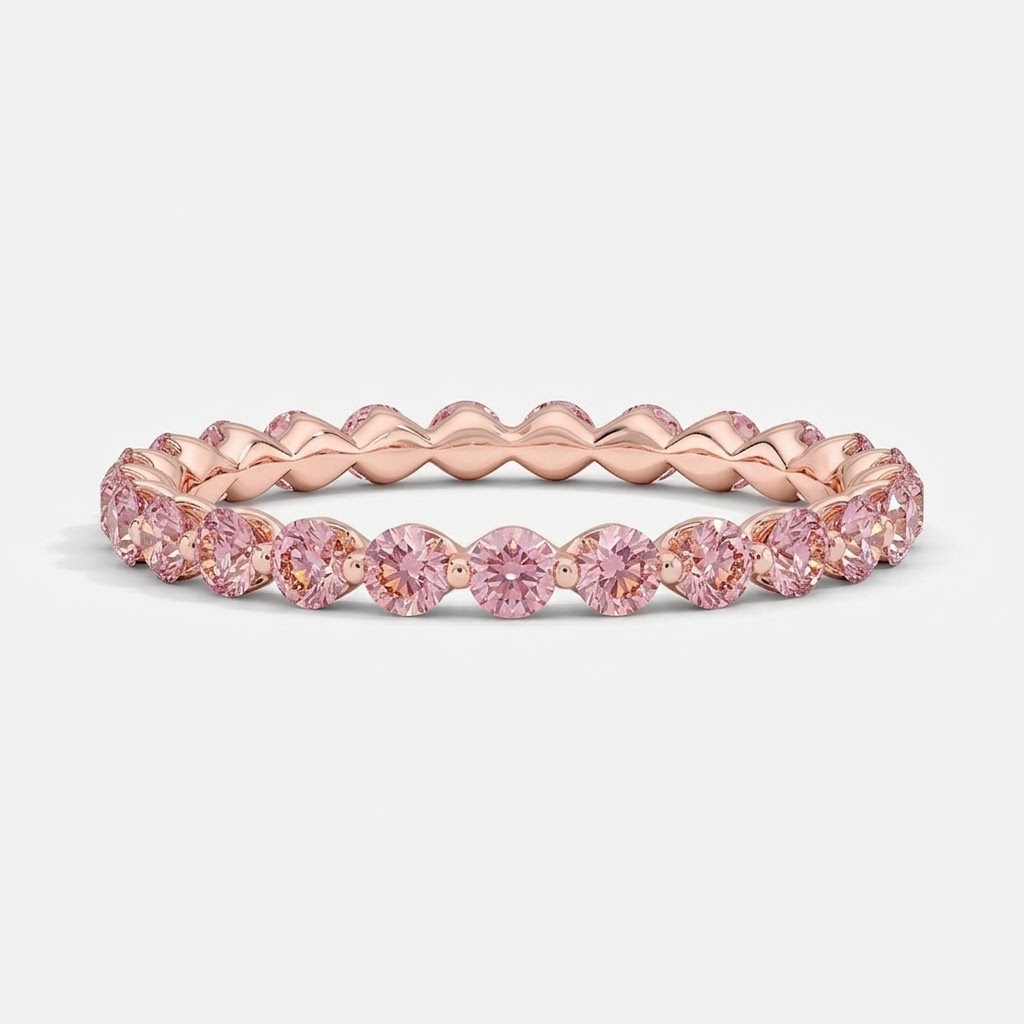
A self-reward does not have to be extravagant. It could be dinner somewhere special, a weekend away, a book you’ve wanted to read, a day devoted entirely to yourself—or a beautiful piece of fine jewelry that marks the moment.
A diamond ring can become more than something beautiful you wear. It can become a physical reminder: I did this. I grew into this. I am proud of myself.
For women who spend so much time investing in work, relationships and responsibilities, deliberately celebrating their own effort can be psychologically meaningful. The reward doesn’t create your worth; it acknowledges the effort you already gave.
And lab-grown diamonds can make this kind of fine-jewelry self-reward more accessible, allowing more women to choose a beautiful, meaningful piece without treating fine jewelry as something reserved only for traditional milestones.
At Her Crown, we believe a diamond doesn’t have to wait for someone else to give it to you. You can choose one for yourself.

Promotion Gift for Women: Celebrate Career Success with Diamonds
Your Promotion Is Not the Whole Story
A promotion may change your title. It may increase your salary. It may give you a larger team or greater influence. But the deeper transformation is often internal.
You learn to speak for yourself. You learn to recognize your contribution. You learn that ambition is not something you need to apologize for. You learn that taking up space does not mean taking space away from someone else.
And you learn that becoming successful does not require becoming someone you are not. You can lead with kindness. You can be ambitious without becoming ruthless. You can be feminine without becoming small. You can be confident without becoming arrogant. Strength and softness can exist in the same woman.