






















What if the right career move isn’t always the one with the bigger number—or the more impressive title?
Imagine being offered a promotion with a beautiful new title but only a small salary increase. Or perhaps you are offered a significant raise but no change in your role, responsibilities or future opportunities.
Which should you choose? The answer isn’t always obvious.
For women especially, career advancement can involve more than choosing between two numbers. A promotion can increase your visibility, leadership experience and future earning potential.
A salary increase can strengthen your financial independence immediately. And sometimes the most valuable choice is neither—it may be asking for both, or deciding that the opportunity itself is not aligned with the life you want.
This guide will help you understand promotion vs salary, what each can give you, what questions to ask before accepting either, and how to make a career decision based not only on what looks successful from the outside, but on what genuinely moves your life forward.
A Promotion and a Salary Increase Are Not the Same Thing
A promotion usually represents a change in your position, responsibilities, authority or organizational level. A salary increase changes your compensation. They can happen together, but they don’t have to.
Current career guidance emphasizes that getting promoted requires more than working hard: women need to demonstrate impact, make their contributions visible and show readiness for the next level.
A salary increase, meanwhile, immediately changes the financial return you receive from your work. Understanding that difference is the first step.

When a Promotion May Be More Valuable
Imagine your company offers you a promotion that comes with a modest salary increase. It may still be worth considering if the new position gives you something valuable that your current role cannot.
Perhaps you will manage a team for the first time. Perhaps you will lead a major project. Perhaps you will report directly to senior leadership.
Perhaps the position gives you experience that qualifies you for significantly larger opportunities later. These experiences can become part of your professional capital.
A title alone isn’t valuable simply because it sounds impressive. The real value is what the new role allows you to learn, influence and become.
Ask yourself: Will this promotion give me skills, visibility or experience that will increase my future options? If the answer is yes, the promotion may have value beyond today’s salary.
But Don’t Accept “Career Growth” as an Excuse for Underpayment
There is another side to the conversation. Sometimes employers describe additional responsibility as a “great opportunity” while offering little or no additional compensation.
Be careful. Growth is valuable. But your work also has economic value.
If you are being asked to manage more people, take on substantially greater responsibility, deliver higher-level results or perform work that belongs to a more senior position, it is reasonable to discuss compensation alongside the promotion.
Don’t allow the language of ambition to make you feel guilty about asking what the role is worth. You can want growth and fair compensation at the same time.
How to Build Wealth as a Woman

When Salary May Matter More
There are situations where a salary increase may be the stronger choice.
Perhaps you already have the title you need. Perhaps you are already gaining valuable experience. Perhaps your responsibilities are not changing significantly. Perhaps your current priority is building savings, paying down debt, investing for the future or creating greater financial independence.
In that situation, additional compensation may have a more meaningful impact than another title. And remember: salary can compound over your career. A higher base salary can influence future raises, bonuses and sometimes future job offers.
When negotiating compensation, current guidance recommends researching market rates, using a specific number and connecting your request to measurable business impact.
So don’t be afraid to ask: “What is the market value of the work I am doing?”
Don’t Choose Based on Ego
This is where the conversation becomes more personal.
Sometimes we want a promotion because the title makes us feel successful. Sometimes we want a higher salary because the number makes us feel valued.
Neither feeling is wrong. But try to separate recognition from your actual needs.
A prestigious title won’t necessarily make you happier. A higher salary won’t necessarily make your work more meaningful. And neither one determines your worth.
Instead, ask: What will this opportunity allow me to do? Will it give you greater freedom? Will it make you financially stronger? Will it develop your leadership? Will it open doors? Will it give you more flexibility? Will it bring you closer to the work you actually want to do?
That is a much better question than simply asking which option looks more impressive.

Consider the Woman You Want to Become
Your career should not be evaluated only by your next twelve months. Think further ahead.
Imagine yourself three years from now. What skills will you wish you had developed? What experiences will make you more valuable? What kind of leadership will you want to have demonstrated? What level of financial independence will make you feel secure? What kind of life will you want outside work?
This matters particularly for women because career decisions can intersect with many other responsibilities and priorities.
A promotion that requires significantly more travel may look wonderful on paper but feel wrong for your current life. A salary increase that comes with exhausting hours may not be worth the trade-off.
A lateral move with less money might actually provide skills and flexibility that create a much better long-term path. Career success is not only about moving upward. It is about moving toward a life that feels like yours.
Successful Women Self-Doubt: Why Confidence Still Feels Hard
Ask These Questions Before Saying Yes
Before accepting a promotion or salary increase, ask: What exactly changes in my responsibilities? How much does my compensation change?
What skills will I gain? What visibility will I gain? Who will I work with or report to? What will success look like in the new role? What opportunities could this role lead to next? How will this affect my working hours and flexibility? Is the additional responsibility appropriately reflected in my compensation?
And perhaps the most important question: Does this opportunity move me toward the life and career I actually want?

You Can Negotiate Both
Don’t assume you have to choose immediately between promotion and salary. Sometimes the best conversation is:
“I’m excited about the opportunity to step into this role. Given the additional responsibilities and the results I’ve already delivered, I’d also like to discuss the compensation associated with the new position.”
You can discuss title, salary, bonus, flexibility, professional development and other elements of the overall package.
Current research-backed guidance recommends preparing your case with concrete achievements, expanded responsibilities and evidence of work already performed at the next level.
The key is preparation. Don’t simply say: “I deserve more.” Explain: “Here is the value I have created, here is how my responsibilities have expanded, and here is what I believe is appropriate for this role.”
That is self-advocacy, not arrogance.
What If They Say There Is No Budget?
A company may genuinely have limited budget. That doesn’t necessarily end the conversation. Ask what alternatives are available.
Could there be a salary review in three or six months? Could you receive a bonus? Could the promotion be accompanied by additional flexibility? Could the company fund professional development? Could there be a written progression plan tied to specific goals?
Most importantly, get clarity about what would need to happen for your compensation to change. A vague promise of “later” is not a career strategy. Ask for a concrete path.

Don’t Forget to Celebrate the Work You Have Already Done
There is another part of career growth that deserves attention. Women can become so focused on the next achievement that they forget to acknowledge the effort behind the last one.
You finish the project. You solve the problem. You take care of the team. You hit the target. Then you immediately ask: What’s next?
Pause. You are allowed to celebrate yourself.
Self-reward isn’t about proving that you are successful to other people. It is about recognizing your own effort.
For some women, that might mean dinner, travel, a creative experience, a day of rest or something beautiful that carries personal meaning.
Fine jewelry can become particularly meaningful as a physical symbol of an achievement.
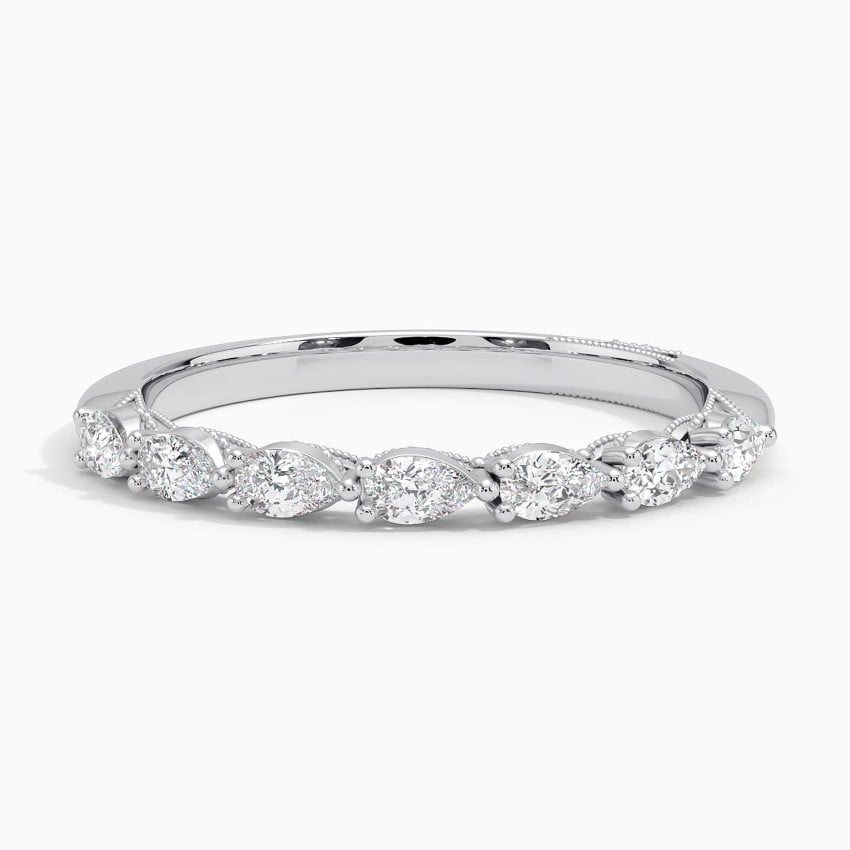
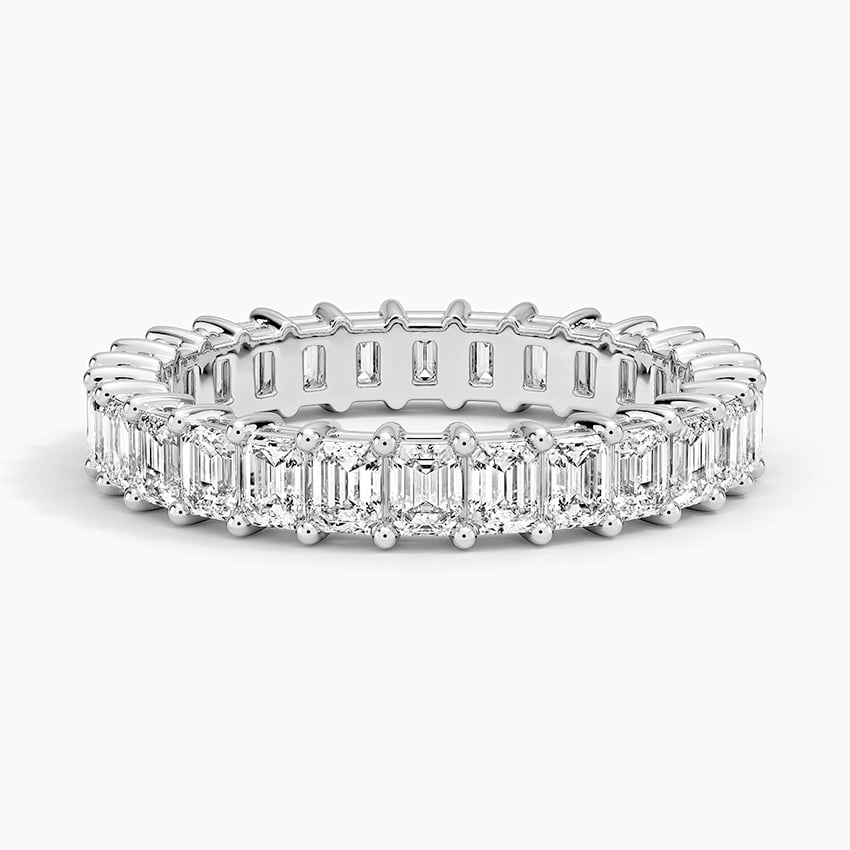
A diamond ring chosen to celebrate a promotion doesn’t have to wait for someone else to give it to you. It can mark the moment you recognized your own growth.
The value isn’t only in the jewelry itself. Every time you wear it, it can remind you: I worked for this. I grew through this. I chose to celebrate myself.
Lab-grown diamonds can also make fine-jewelry self-reward more accessible, allowing more women to enjoy the beauty and symbolism of a diamond while celebrating their own milestones.
At Her Crown, we believe a woman doesn’t have to wait for a traditional occasion to wear something beautiful.
Discover Diamond Rings for Her Becoming
The Best Career Decision Is the One That Gives You More Choices
So, promotion vs salary—which matters more? There is no universal answer.
A promotion may be more valuable when it expands your skills, leadership experience and future opportunities.
A salary increase may matter more when you need greater financial security or when your responsibilities have already grown without appropriate compensation.
Sometimes the best answer is to negotiate for both. But don’t make the decision simply because one option sounds more impressive. Make it because you understand what you are building.
You are not here simply to collect titles or chase numbers. You are building a future in which you have more choices.
And sometimes the most powerful career move isn’t the one that makes you look the most successful.
It is the one that helps you become the woman you want to be.