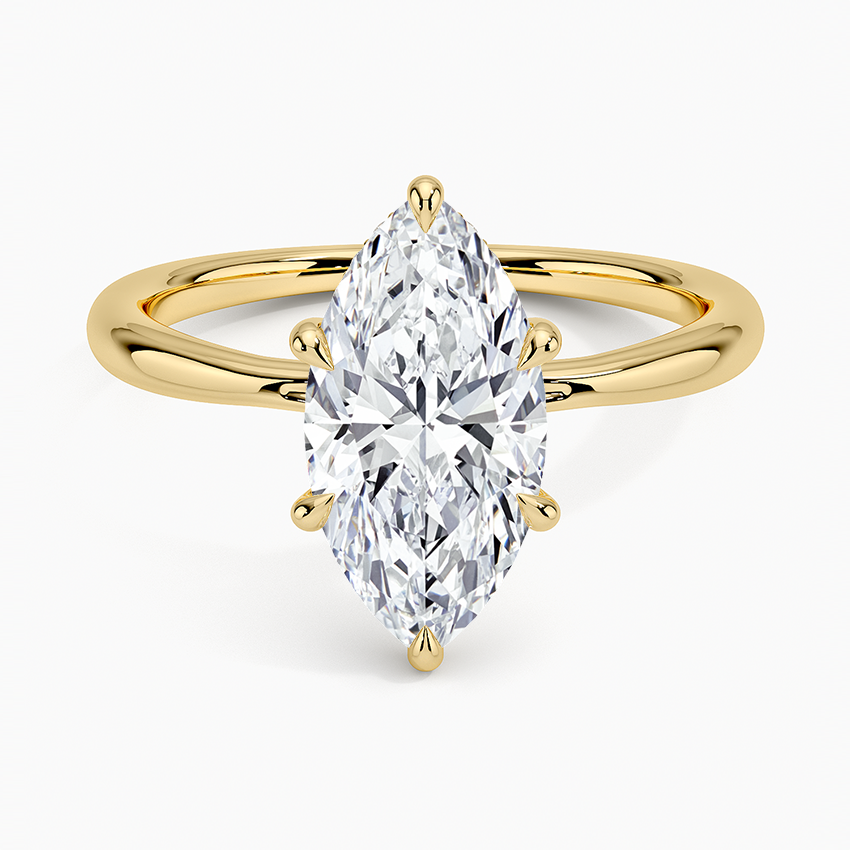
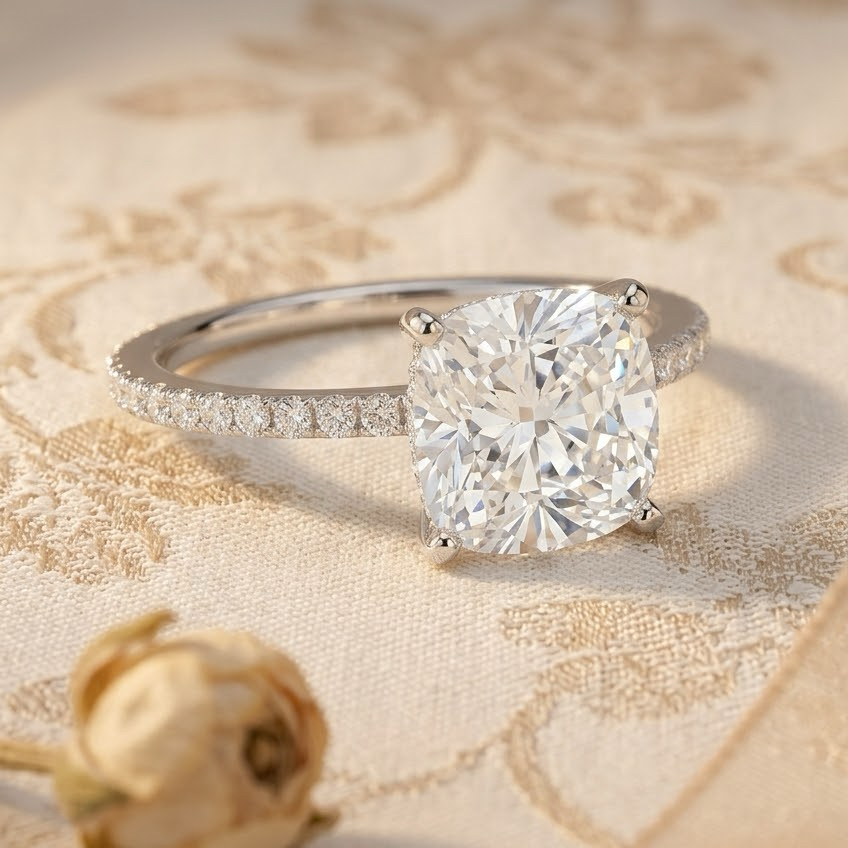
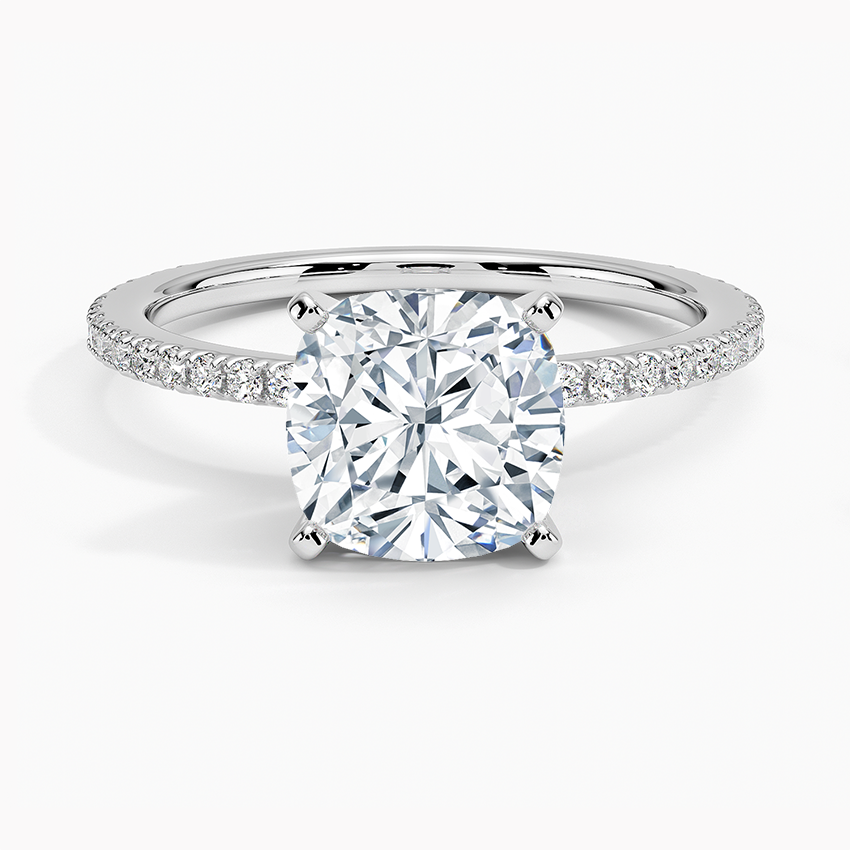
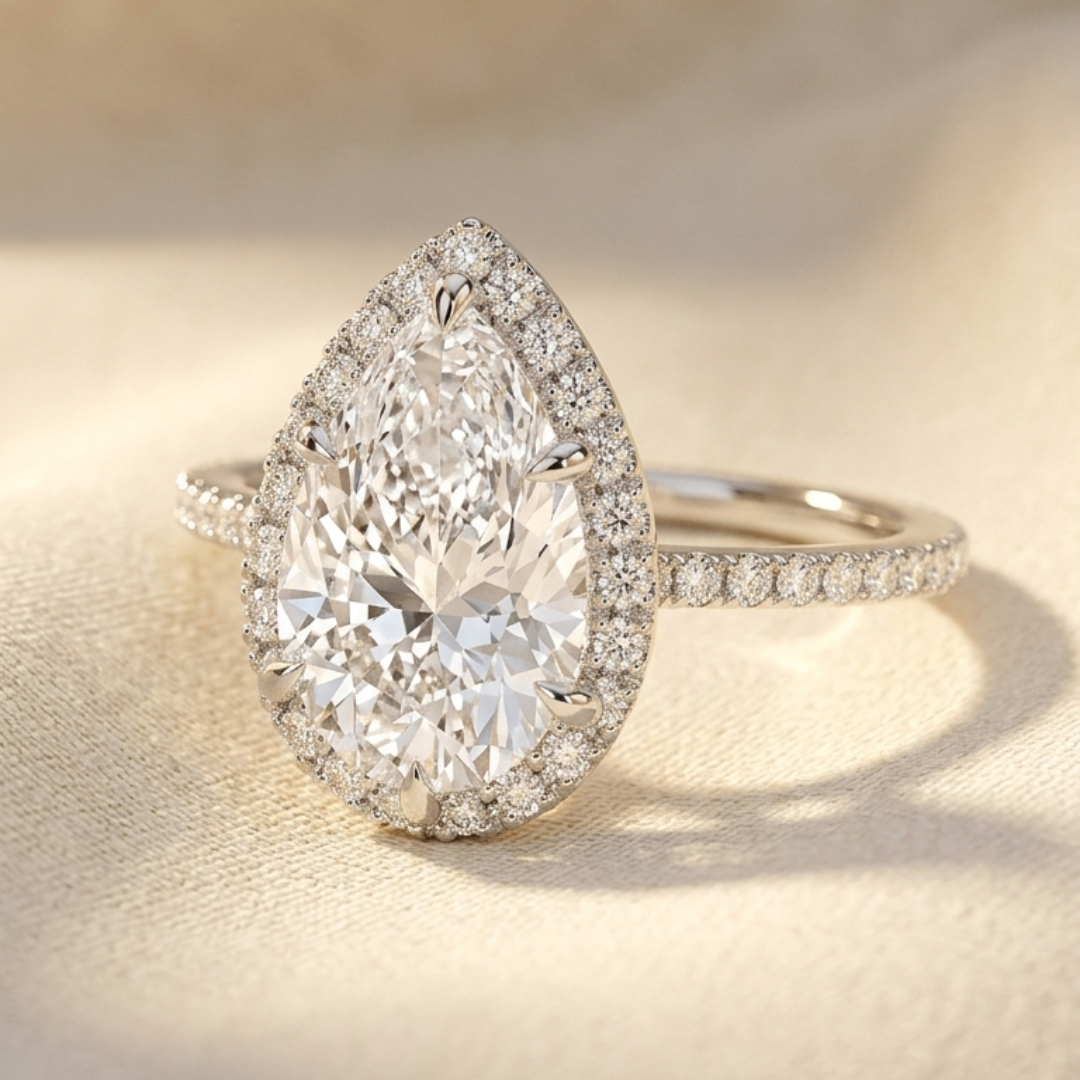
When shopping for a diamond, you may have learned to check the 4Cs: carat, color, clarity and cut. You may also look for an independent grading report, such as an GIA or IGI certificate.
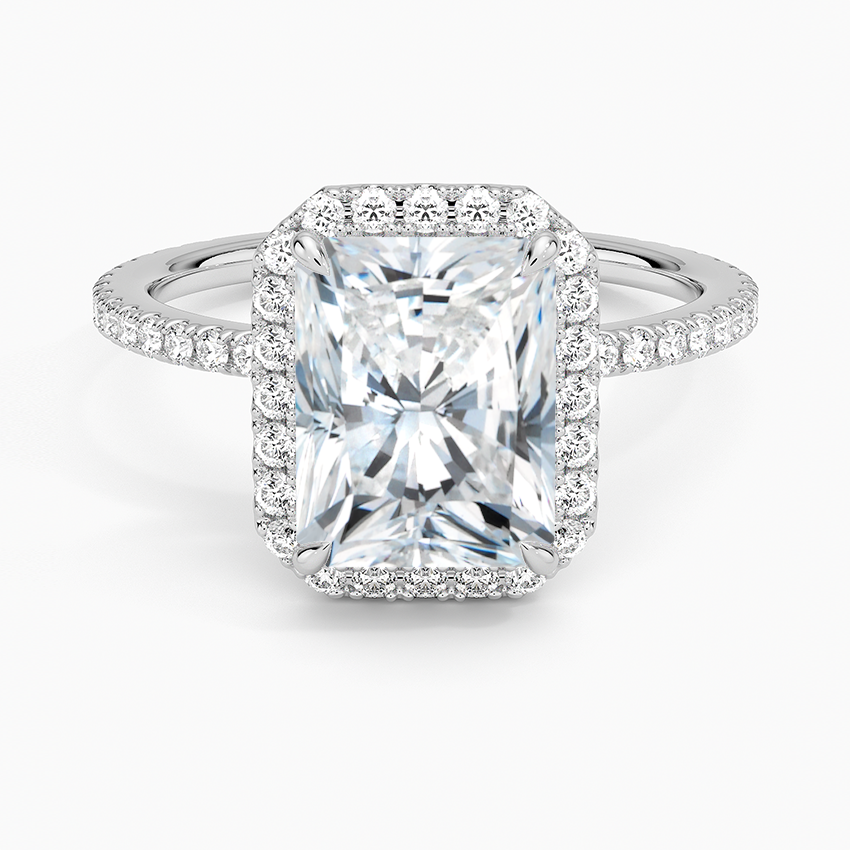
These are important foundations—but there is another visual detail that many shoppers never hear about until they are already comparing diamonds: the diamond window effect. Windowing occurs when areas of a diamond allow light to pass through instead of returning enough light to the viewer, creating a see-through, watery or less lively appearance.
For a professional, windowing is connected to the diamond’s proportions, facet arrangement and light behavior. For a customer, however, you do not need to understand complicated angles or optical calculations to know what to look for. The most important question is simple: Does the diamond look lively and attractive to your eyes, or does part of it look strangely transparent or empty?
What Is the Diamond Window Effect?
Imagine looking through a glass window. Instead of seeing light reflected back at you, you can see what is behind the glass. A diamond can sometimes behave in a similar way.
When light enters a well-performing diamond, the facets are designed to redirect much of that light back toward your eyes. This contributes to brightness, brilliance and the lively appearance we associate with a beautiful diamond.
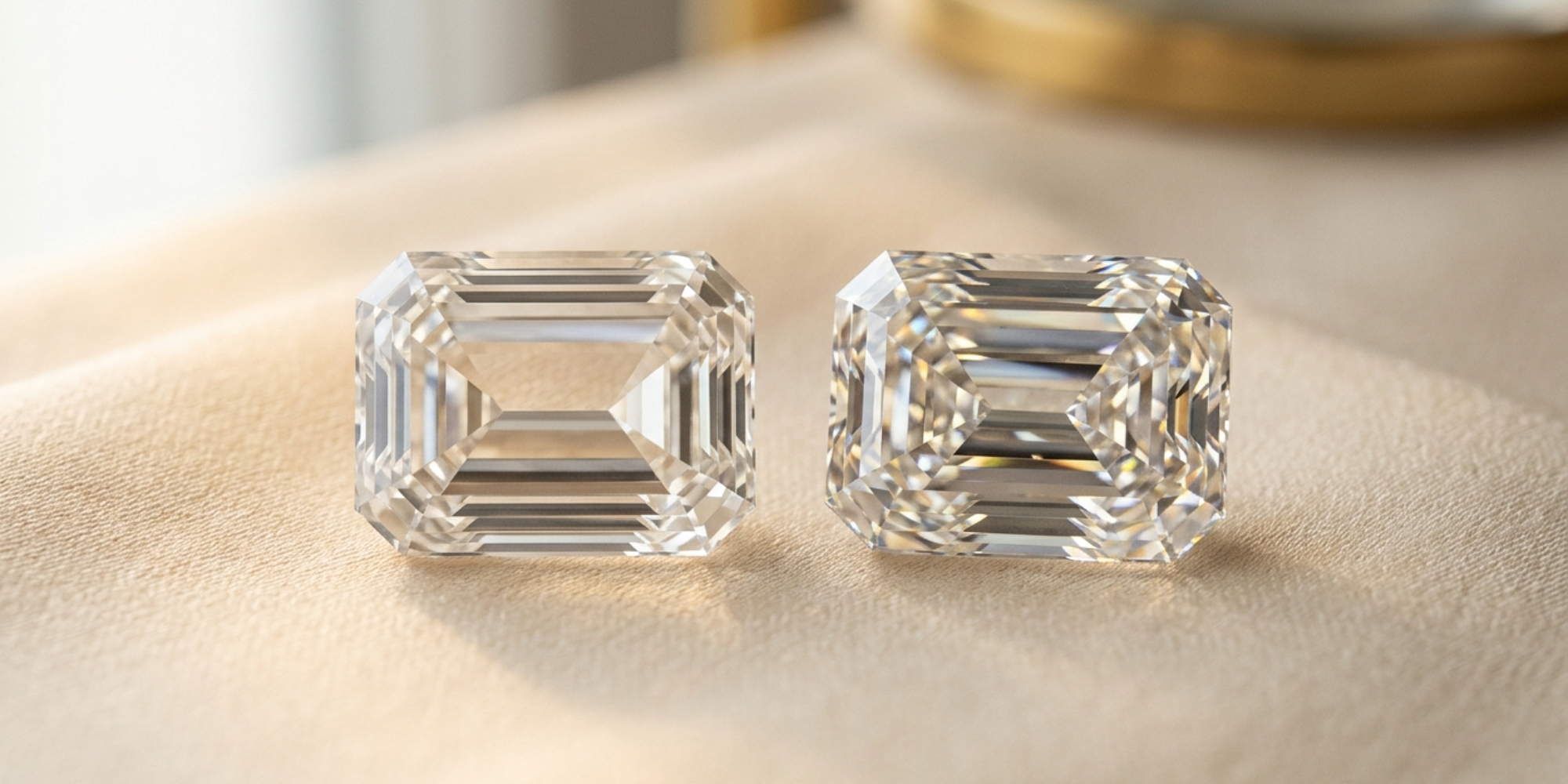
When certain areas allow too much light to escape through the bottom instead, those areas may appear transparent or washed out. This is commonly called windowing or light leakage.
In simple terms:
Good light return → more lively appearance.
Excessive windowing → more see-through or lifeless areas.
The effect can be particularly noticeable in some fancy shapes and step-cut diamonds because their facet arrangements can make light behavior more visible.
Is Windowing Always Bad?
Not necessarily. This is an important distinction.
A diamond is not a static object. Its appearance changes as it moves, and the lighting environment changes how its facets look. Some light leakage can occur at certain viewing angles, and contrast between bright and darker areas can actually contribute to a diamond’s visual character.
GIA notes that while large windows or excessive leakage diminish appearance, some areas of leakage can contribute to contrast.
The problem is excessive or persistent windowing. If a significant area of the diamond looks transparent, watery or noticeably less lively when viewed face-up, that is something a careful buyer should question.
You are not trying to find a diamond with absolutely zero change in appearance from every angle. You are looking for a diamond that looks beautiful in the way you will actually wear and see it.
Why Does Windowing Happen?
The short answer is cutting and proportions.
A diamond’s facets act somewhat like mirrors. Their angles determine how light travels through the stone. If the proportions and facet geometry are not working well together, some incoming light can escape through the pavilion instead of returning toward the viewer. IGI describes this as light leakage or windowing.
This is why two diamonds with the same carat weight, color and clarity can look noticeably different. One may appear bright and lively. Another may look flatter or more transparent in certain areas.
The certificate can tell you important information about the diamond, but it does not replace looking at the actual stone.

Which Diamonds Are More Likely to Show Windowing?
Windowing can occur in different diamond shapes, but it deserves particular attention when shopping for fancy shapes and step cuts.
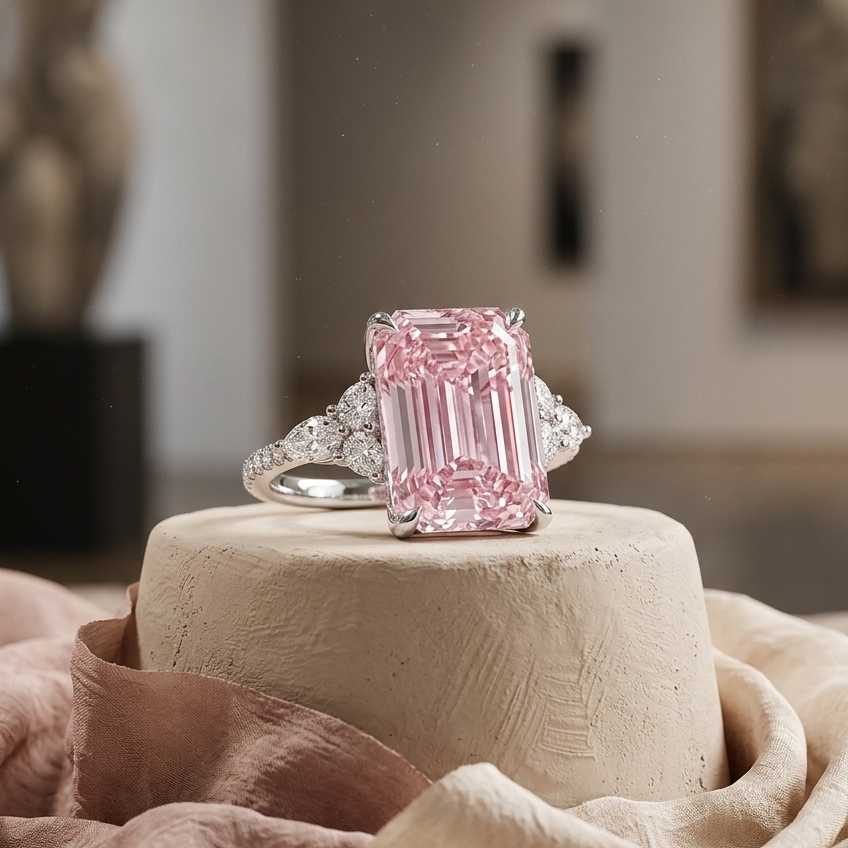
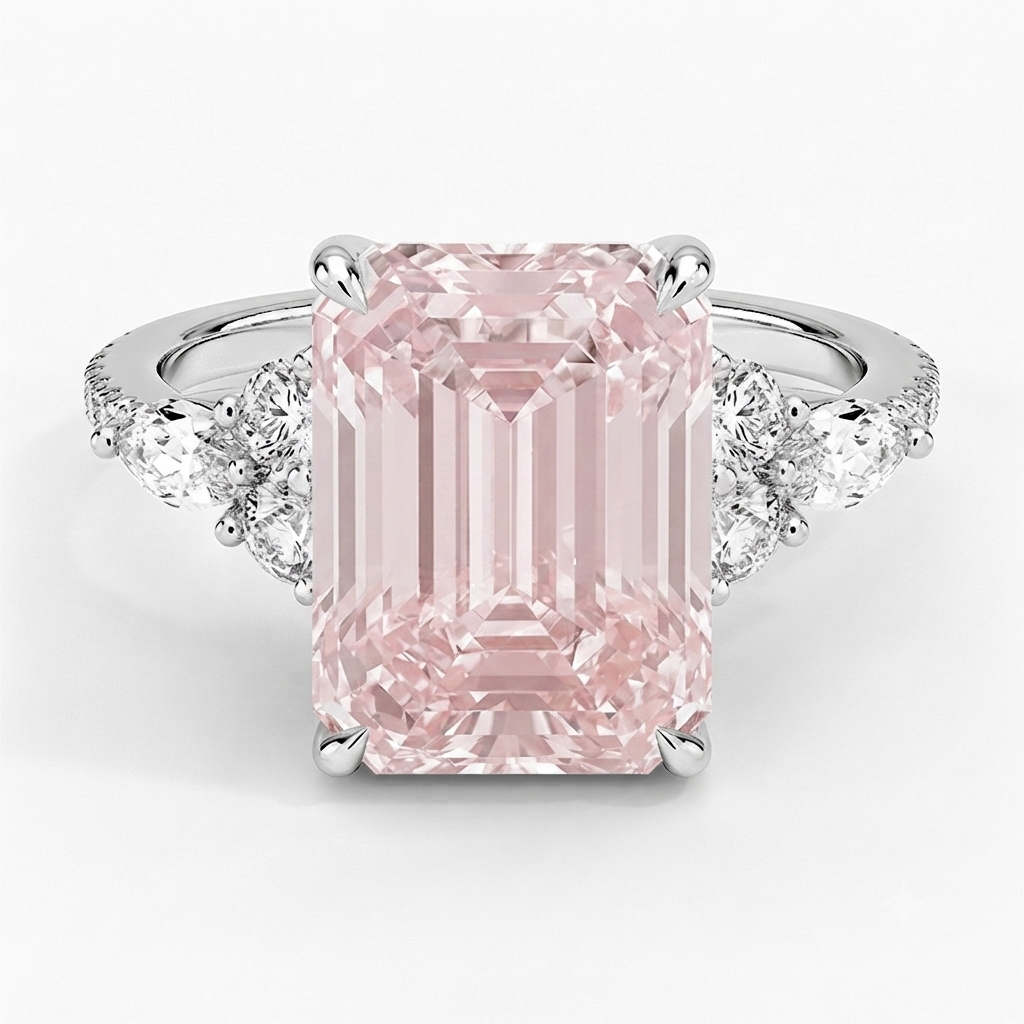
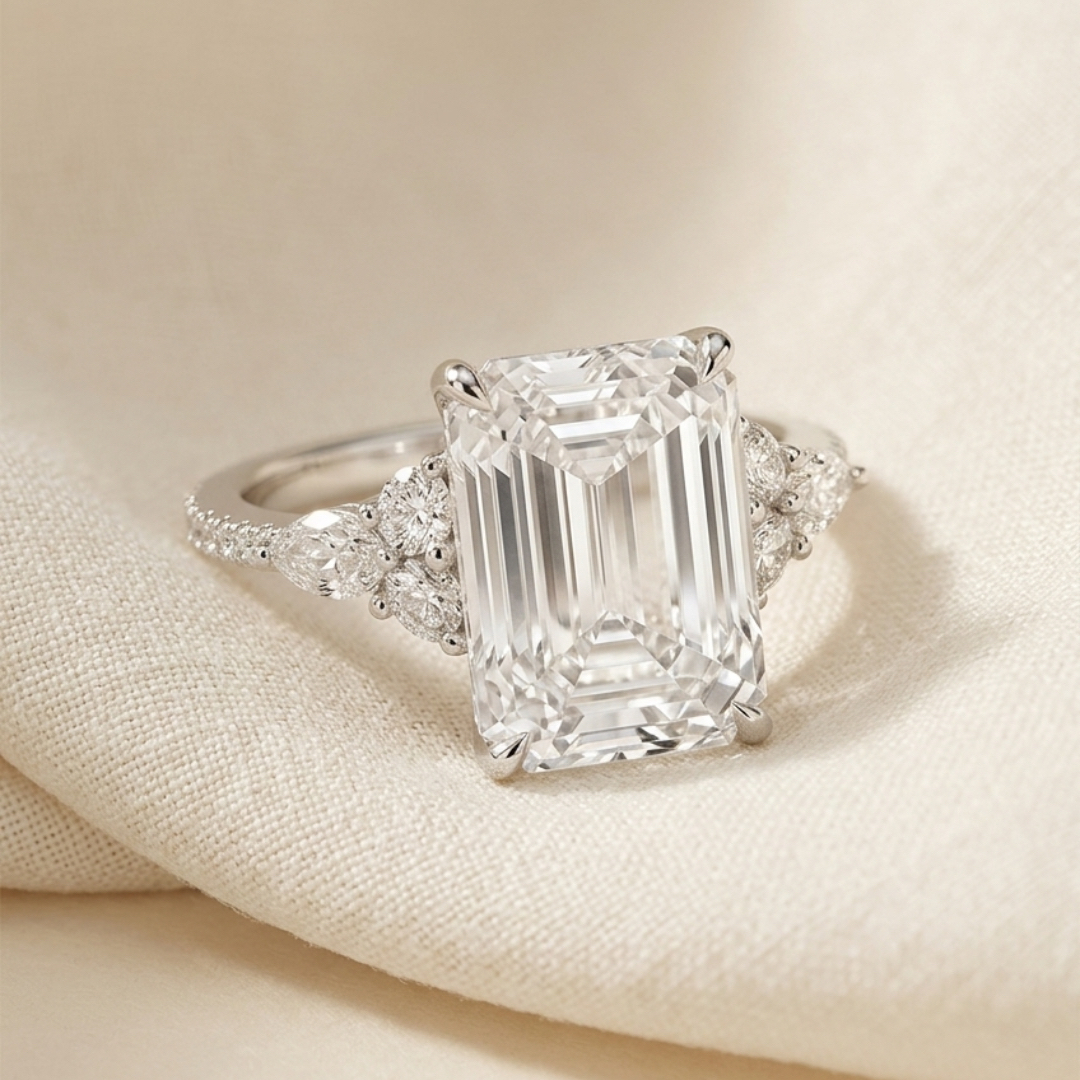
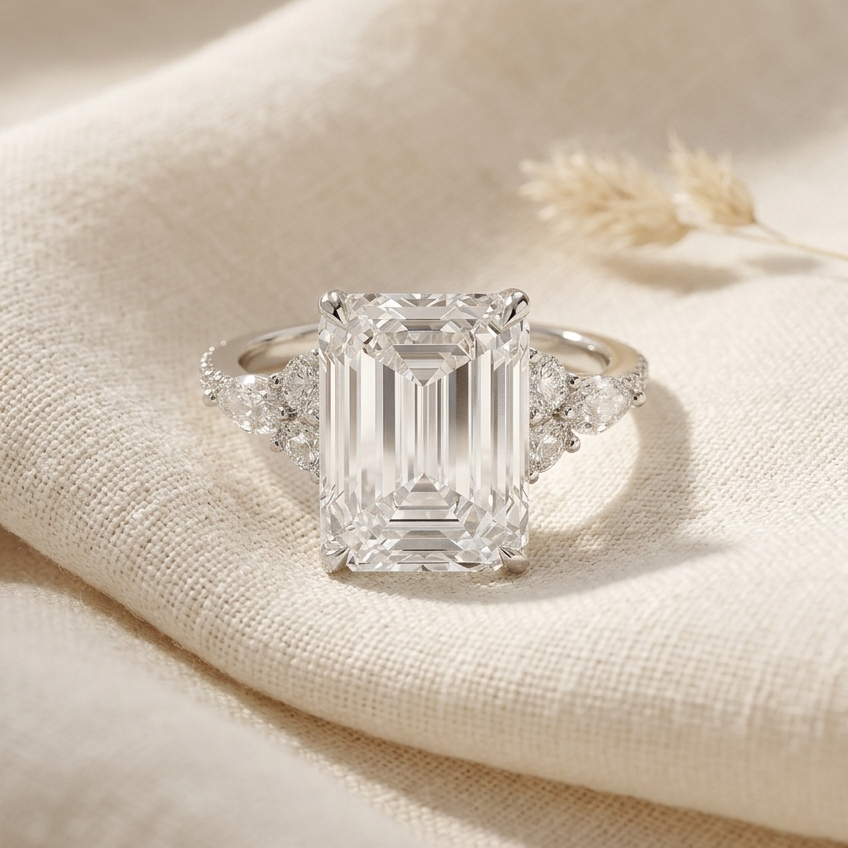
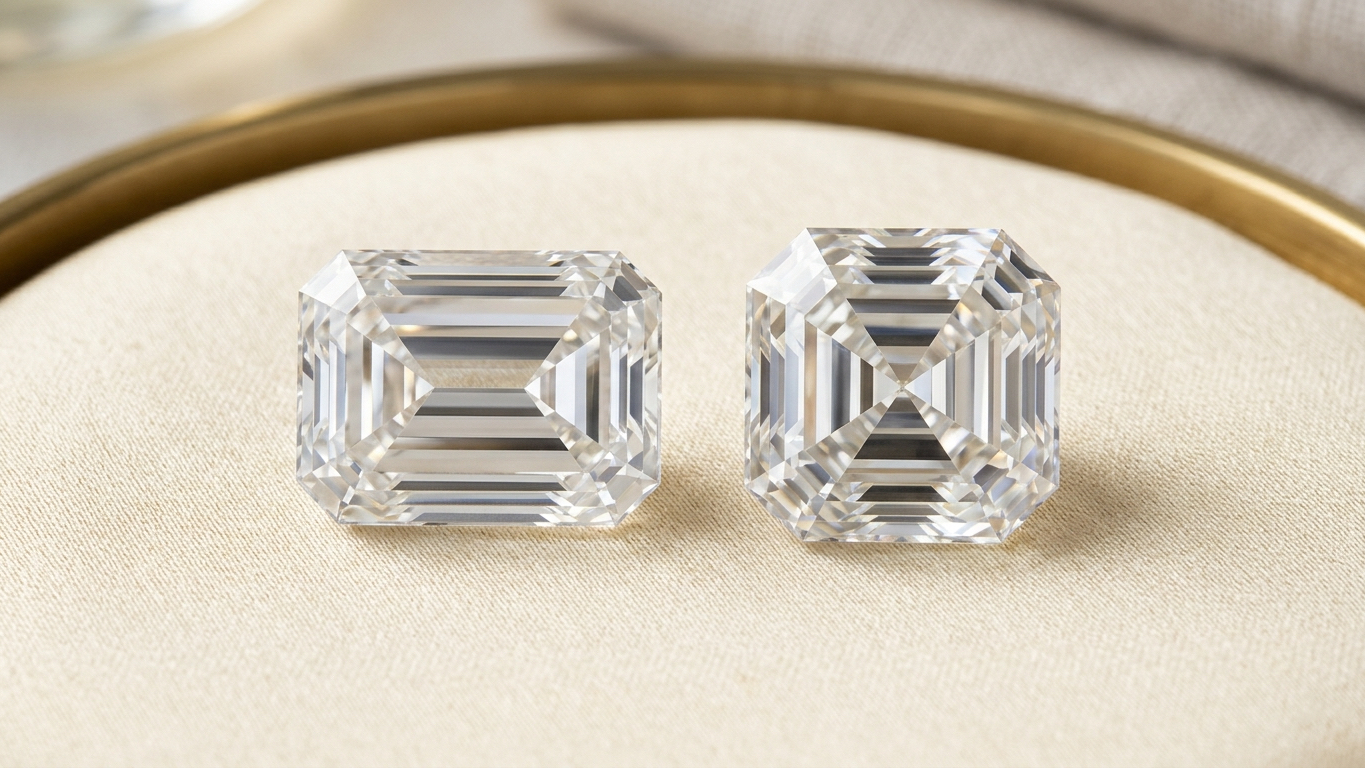
Emerald and Asscher cuts, for example, have large step facets that create broad reflections and a distinctive hall-of-mirrors appearance. Because their facets are relatively open, problems with transparency and light performance can be easier to notice.
This is also why you should be cautious about applying one simple proportion formula to every diamond shape. A proportion that works beautifully for one shape does not automatically make another shape beautiful. Shape-specific selection matters.
Explore more about how to choose an Emerald Cut Diamond
Explore more about how to choose an Asscher Cut Diamond
How Can You Spot Windowing With Your Own Eyes?
The good news is that you don’t need to be a gemologist. If you are shopping online, start with a high-quality video of the actual diamond, not only a static stock photograph.
Look at the diamond face-up. Watch the center and larger facets as the stone moves. Ask yourself:
Does the diamond remain lively as it moves?
Do any large areas suddenly look transparent or watery?
Can you see the background through the center of the stone?
Does one area consistently look much less alive than the rest?
A well-made video can be extremely useful because a diamond’s appearance changes with movement. You are looking for how the stone behaves rather than judging one frozen image.
For an online purchase, I would also recommend asking the jeweler for a video under normal, neutral lighting, rather than relying entirely on dramatic studio lighting.
Don’t Judge Windowing From One Photograph
This is especially important for online shoppers. Photography can exaggerate or hide optical characteristics.
A photograph taken under intense spotlights may make almost any diamond look spectacular. A poorly lit photograph may make a beautiful diamond appear dull.
That’s why video is more informative. Watch the actual stone moving slowly. Look at it from slightly different angles. Pay attention to whether the same area repeatedly looks transparent.
If you are unsure, ask the jeweler directly:
“Do you see any noticeable windowing or significant light leakage in this diamond?”
A professional jeweler should be able to answer that question clearly.
How to Choose Lab Grown Diamonds Online
What About Table, Depth and Pavilion Proportions?
You may come across advice online giving a specific “perfect” table percentage or depth percentage for avoiding windowing.
These numbers can be useful, but they should not become a substitute for evaluating the actual diamond.
Table and depth are part of the diamond’s overall proportions, while pavilion geometry and facet angles influence how light behaves. The relationship between these elements matters more than one isolated number. GIA explains that the way a diamond’s facets and angles interact with light determines its face-up appearance, while IGI’s light-performance methodology considers light return and leakage.
For consumers, this leads to a simpler rule:
Use the proportions as supporting information—but use the actual diamond as the final judge.
This is especially important for fancy shapes, where there isn’t one universal proportion formula that guarantees beauty.
Explore More about How to Define Ideal Cut for Fancy Shape Diamonds
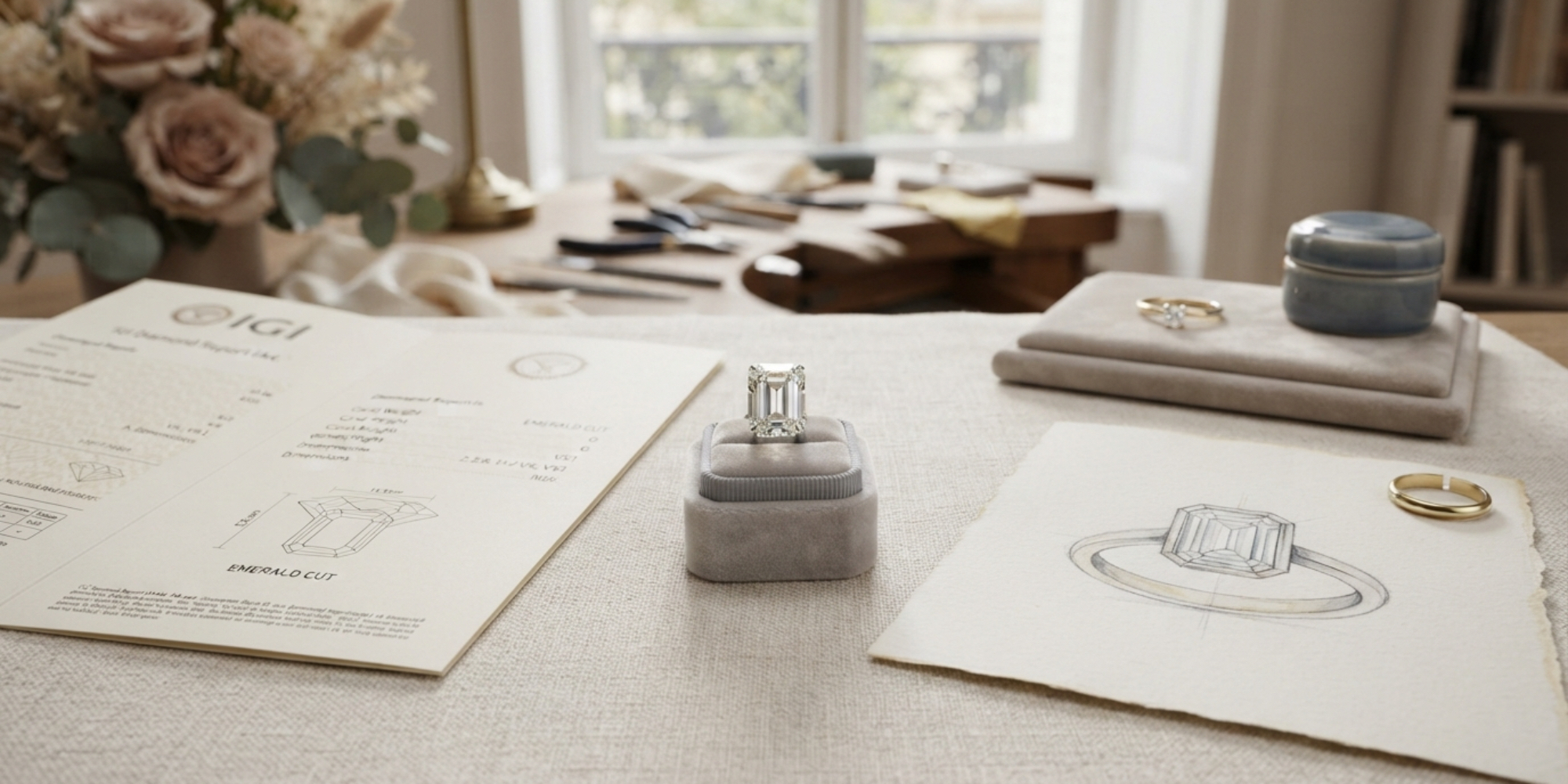
Certification Is the Foundation—Not the Entire Selection Process
At Her Crown, an independent certificate is a fundamental part of our diamond selection process.
We believe customers should have objective information about the stone they are purchasing. An IGI report provides important grading information and gives the customer a professional foundation for understanding the diamond.
But we don’t believe a certificate should be the finish line. It is the beginning.
A report can tell you the documented characteristics of a diamond. It cannot completely replace the experience of looking at the actual stone and judging whether its proportions, optical behavior and visual appearance meet our standards.
This is particularly important for a bespoke jewelry experience.
Why the Same Lab-Grown Diamond Can Have a Different Price
How Her Crown Selects a Diamond
At Her Crown, we don’t simply choose a diamond because its certificate contains the right words. Our bespoke selection process goes beyond certification.
We review the actual stone and pay attention to its visual performance, including how it handles light, whether it appears eye-clean, how its proportions work together and whether there are distracting areas of darkness, transparency or imbalance.
For fancy shapes, we are particularly careful because the beauty of an individual stone can depend heavily on its specific facet arrangement and proportions.
And before we begin crafting your ring, the selected diamond is presented to you for approval. You can see the actual stone through video and review the relevant certification information before we proceed.
This is an important part of our bespoke philosophy:
We don’t ask you to choose a diamond from a certificate alone. We invite you to approve the actual diamond that will become your ring.
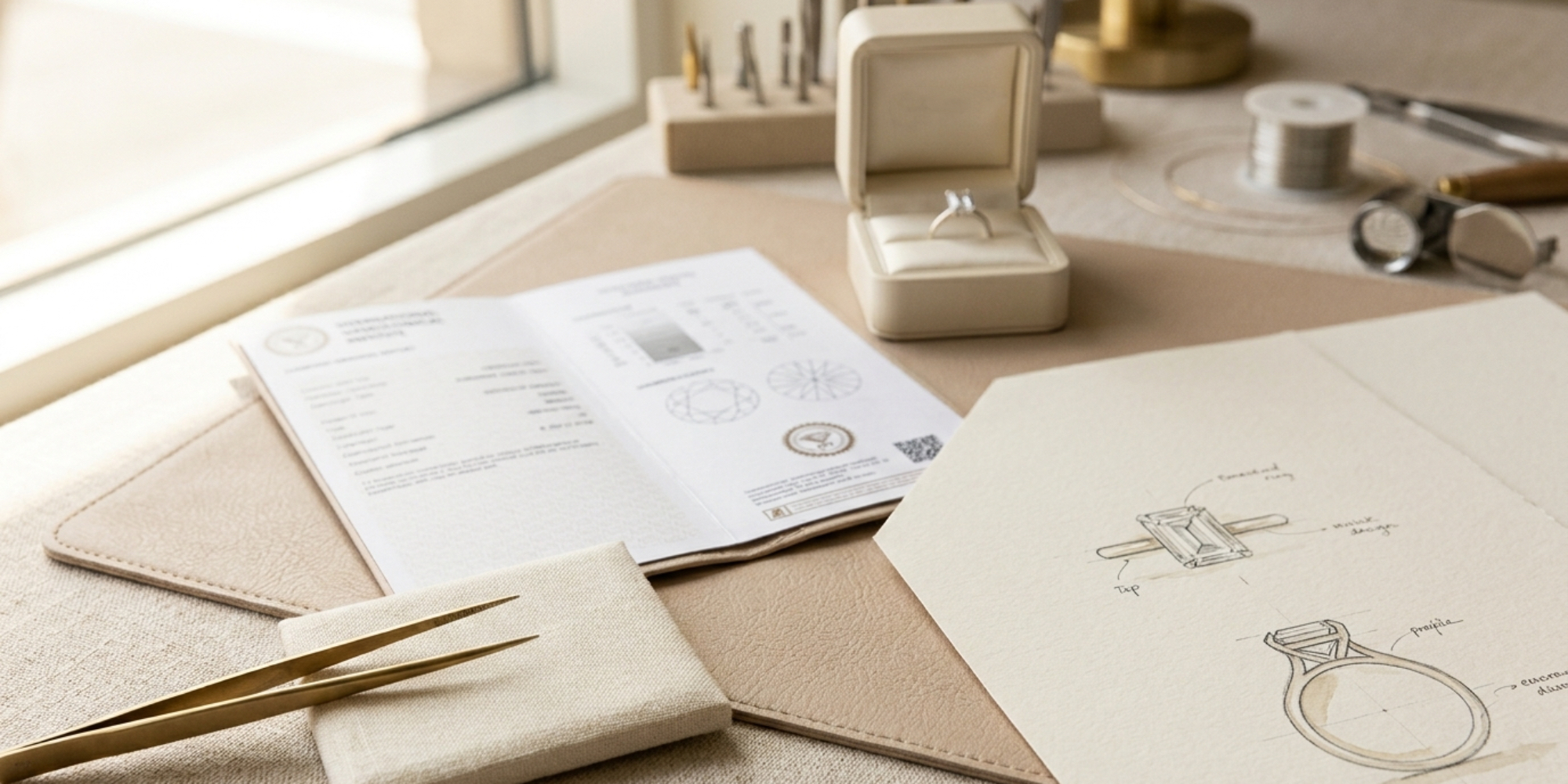
What Should You Check When Buying a Diamond Online?
You don’t need to become a diamond professional.
Instead, ask these five simple questions:
1. Is there an independent grading report?
Certification provides an important objective foundation.
2. Am I seeing the actual diamond?
Avoid relying only on generic product photography.
3. Can I see a video of the diamond moving?
Movement helps you evaluate its changing light and contrast.
4. Does any area look consistently transparent, watery or lifeless?
Pay particular attention to the center and larger facets.
5. Will the jeweler personally inspect the stone before setting it?
This is where professional selection can make a meaningful difference.