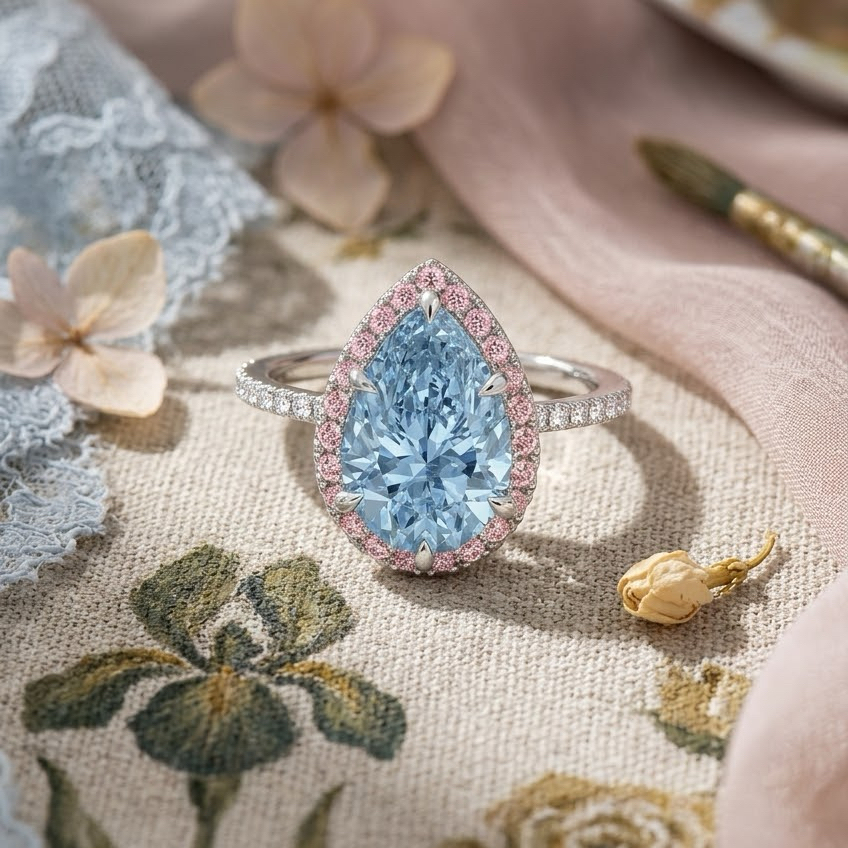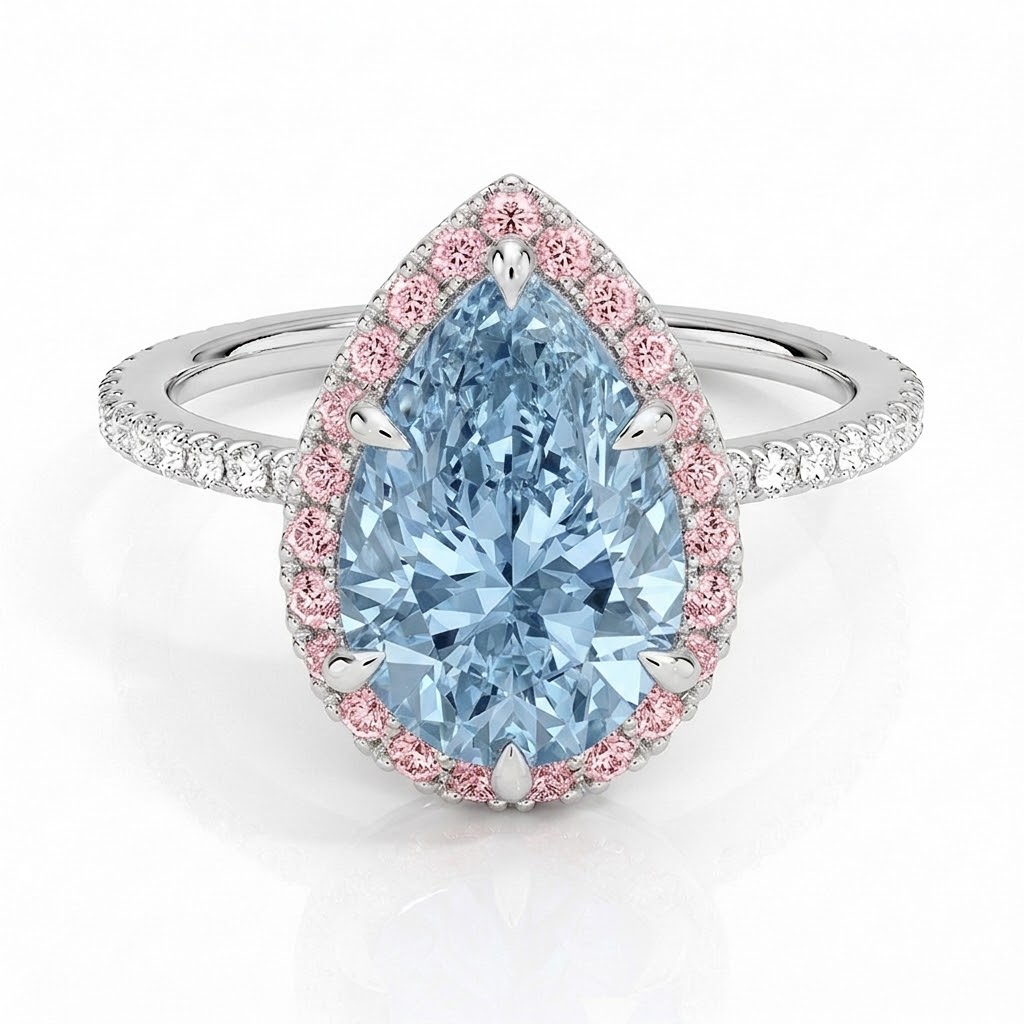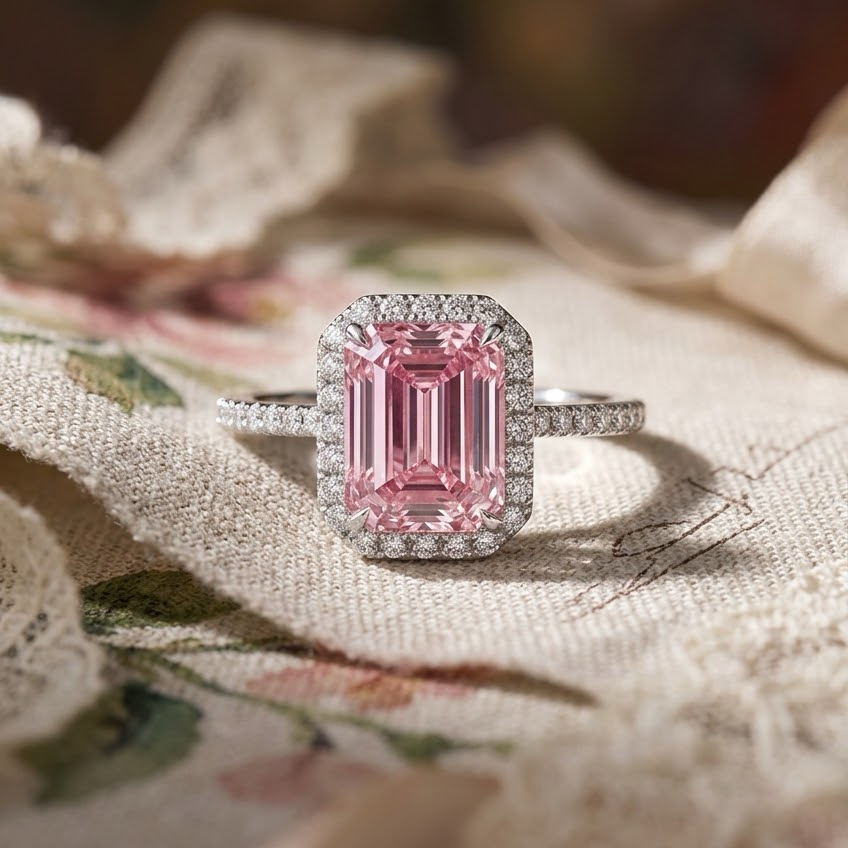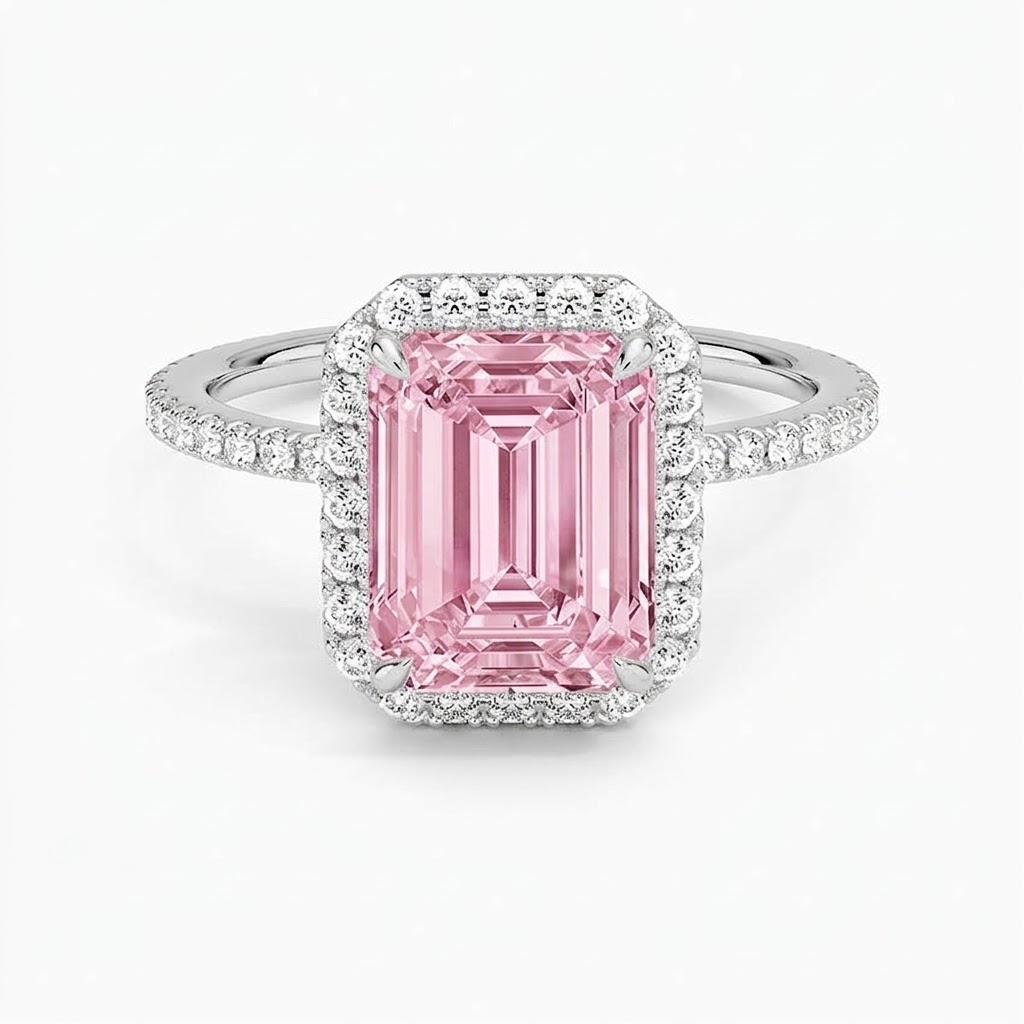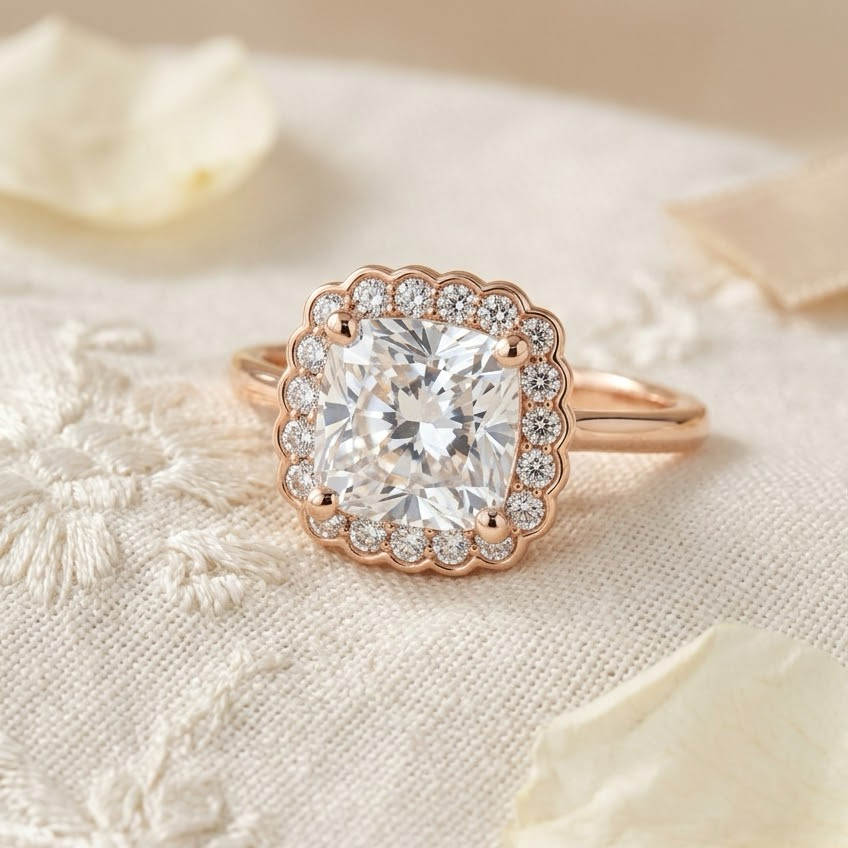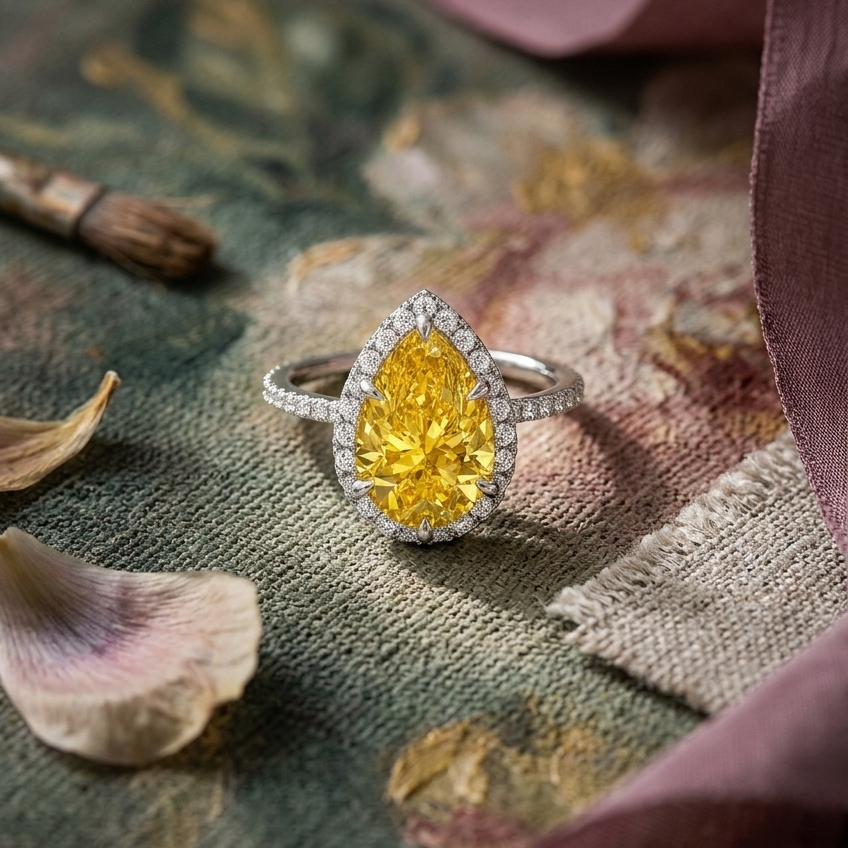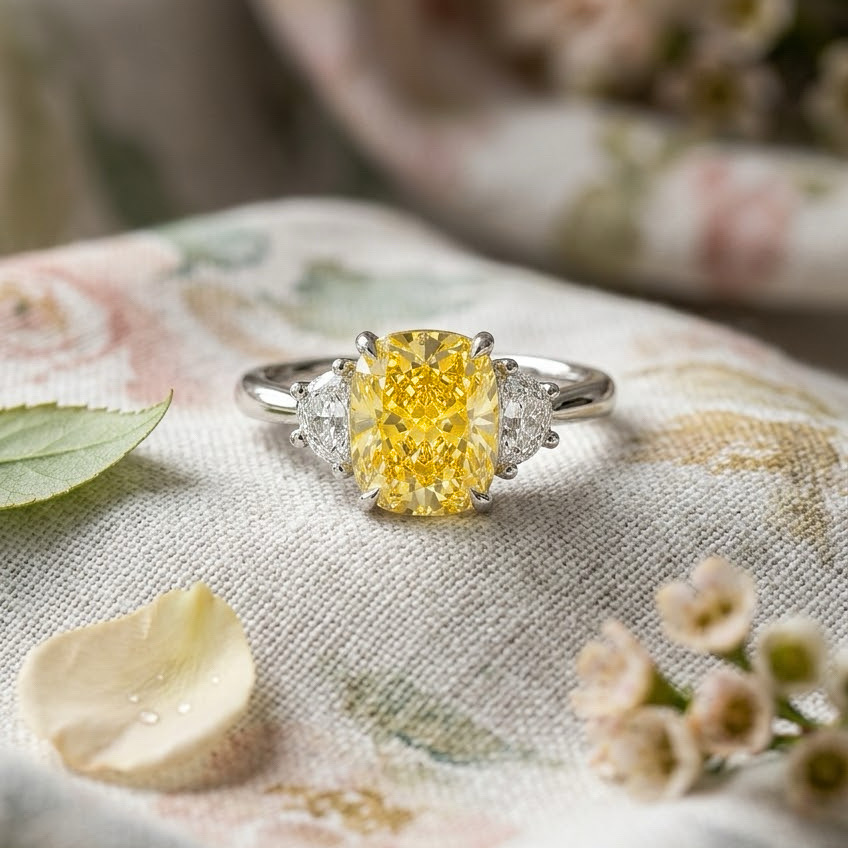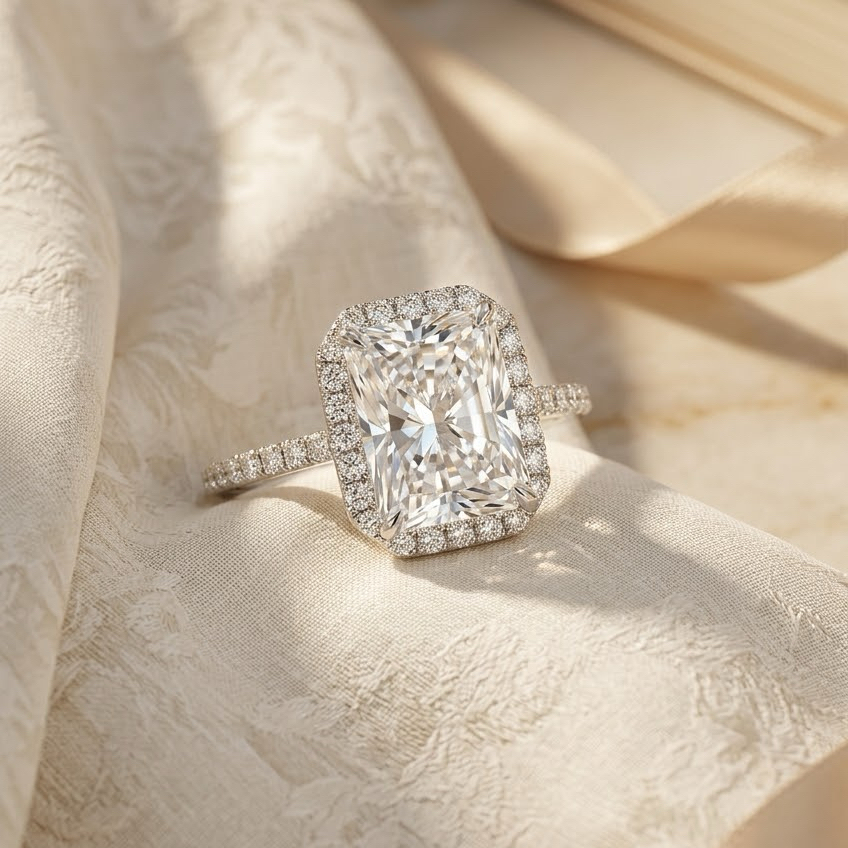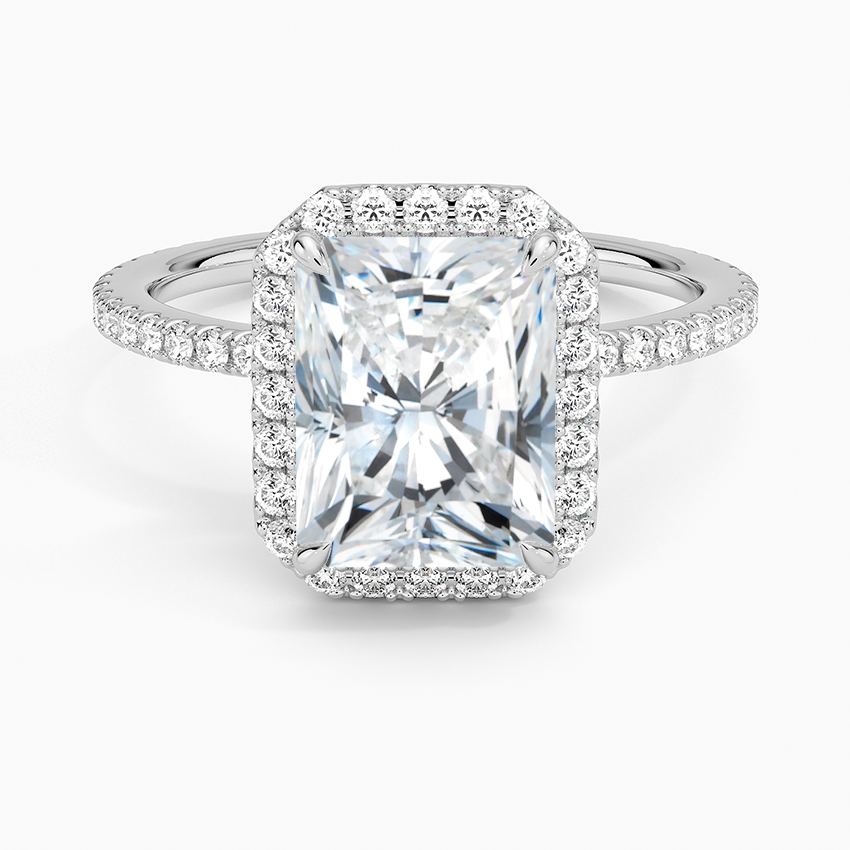
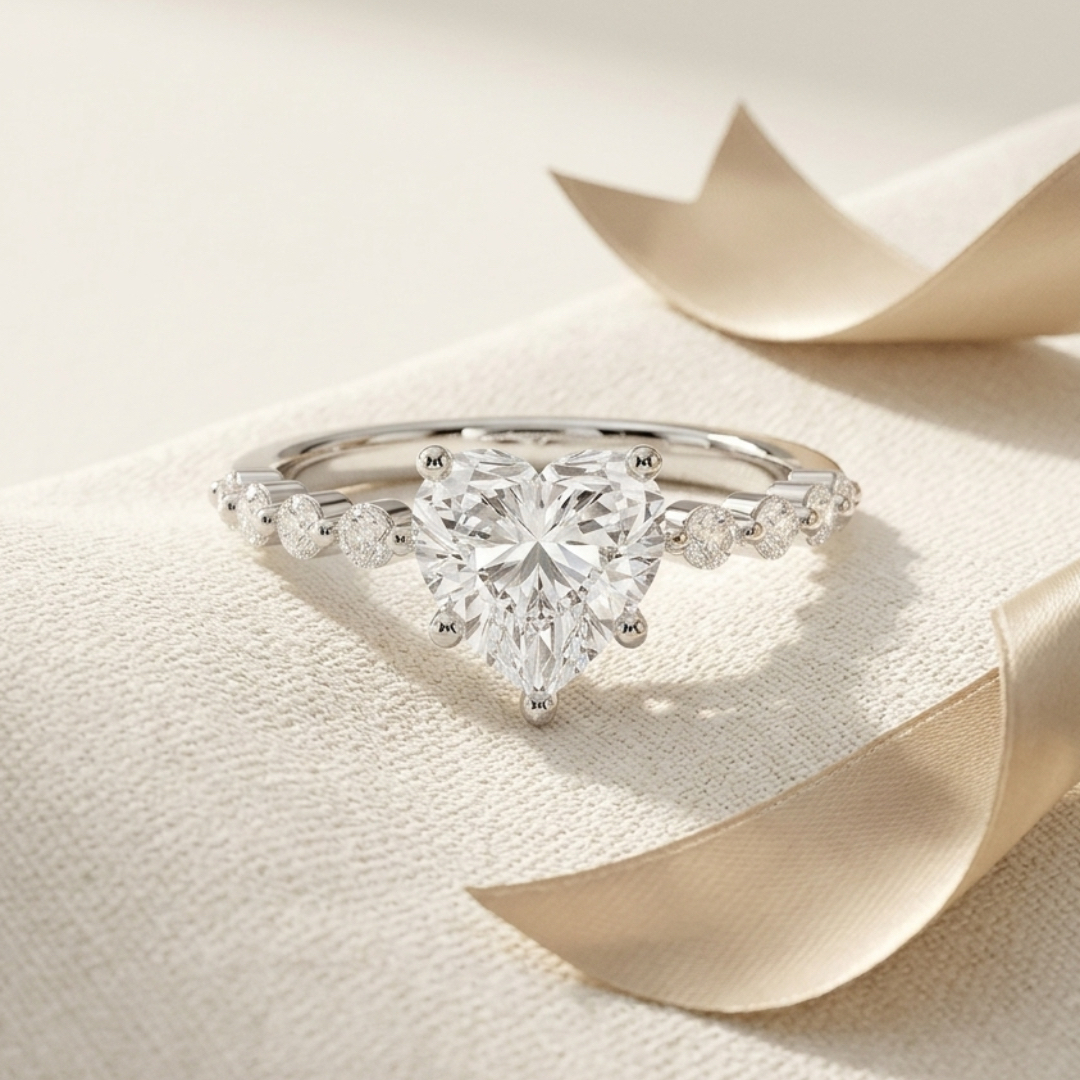
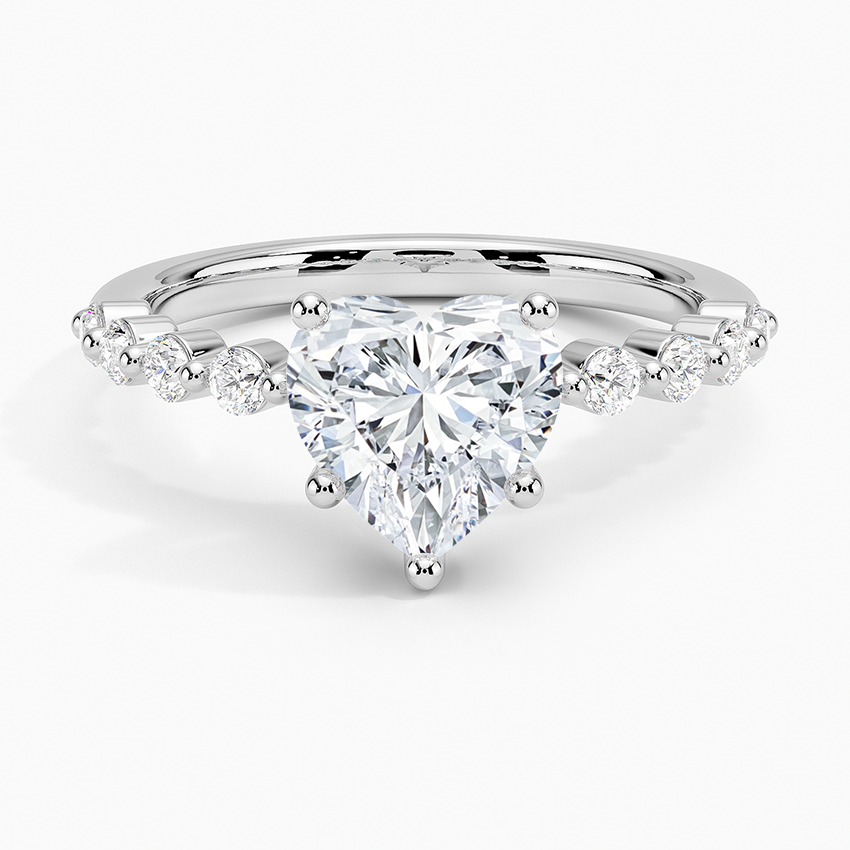
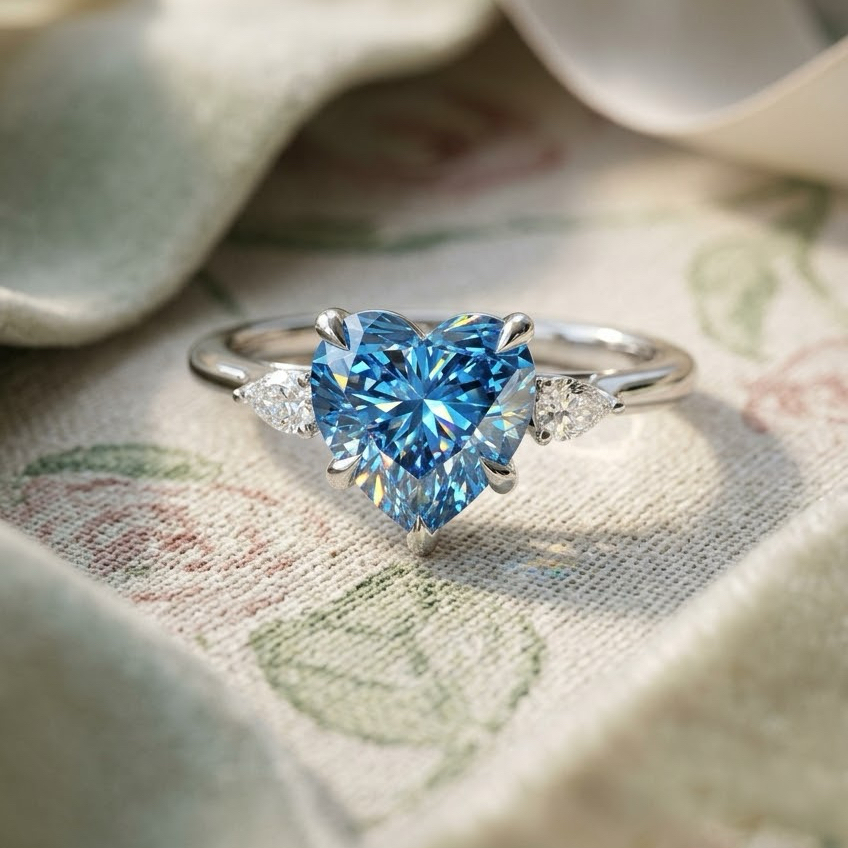
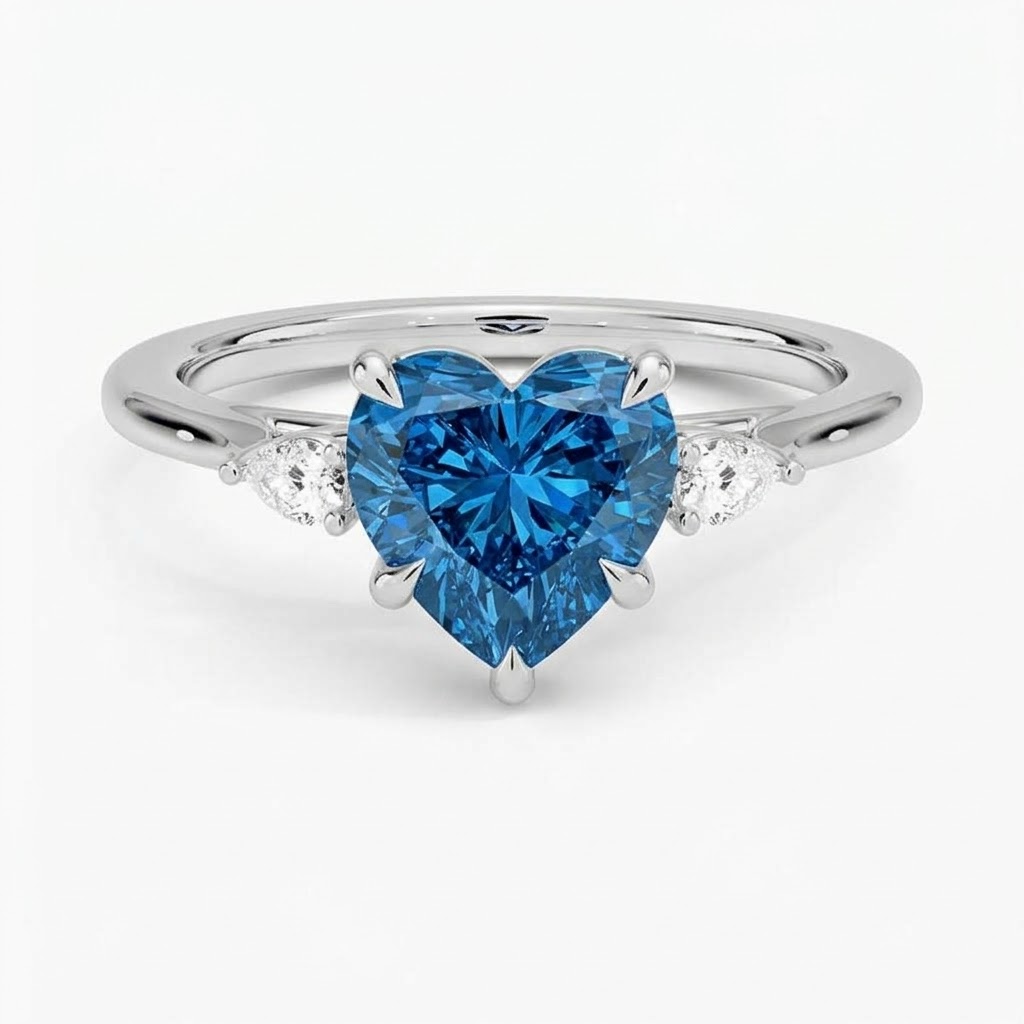
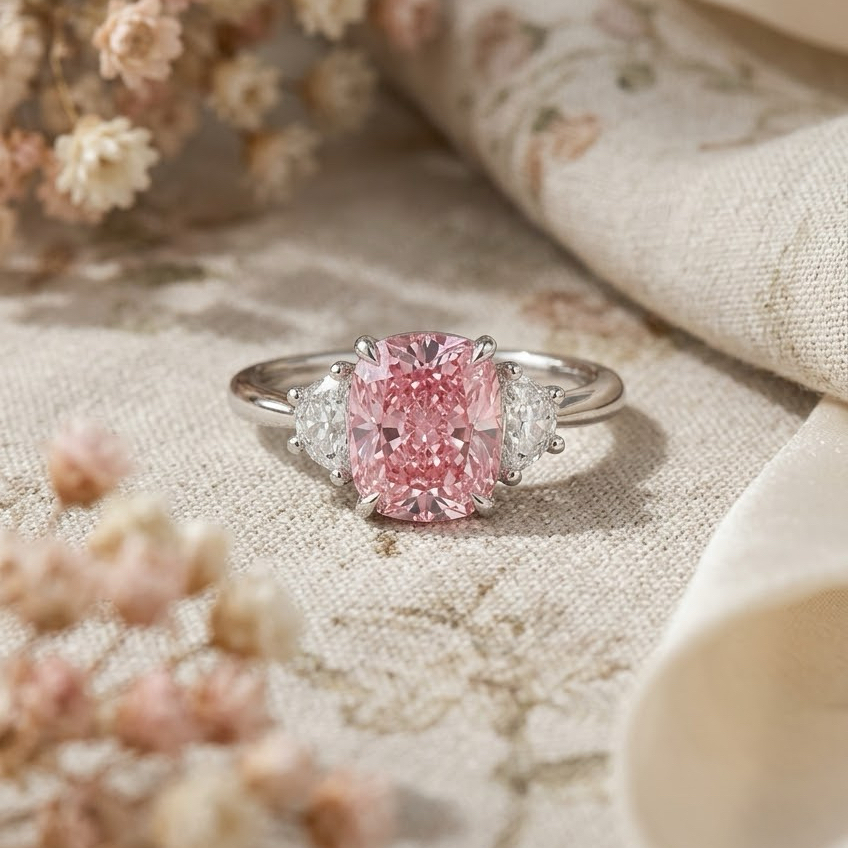
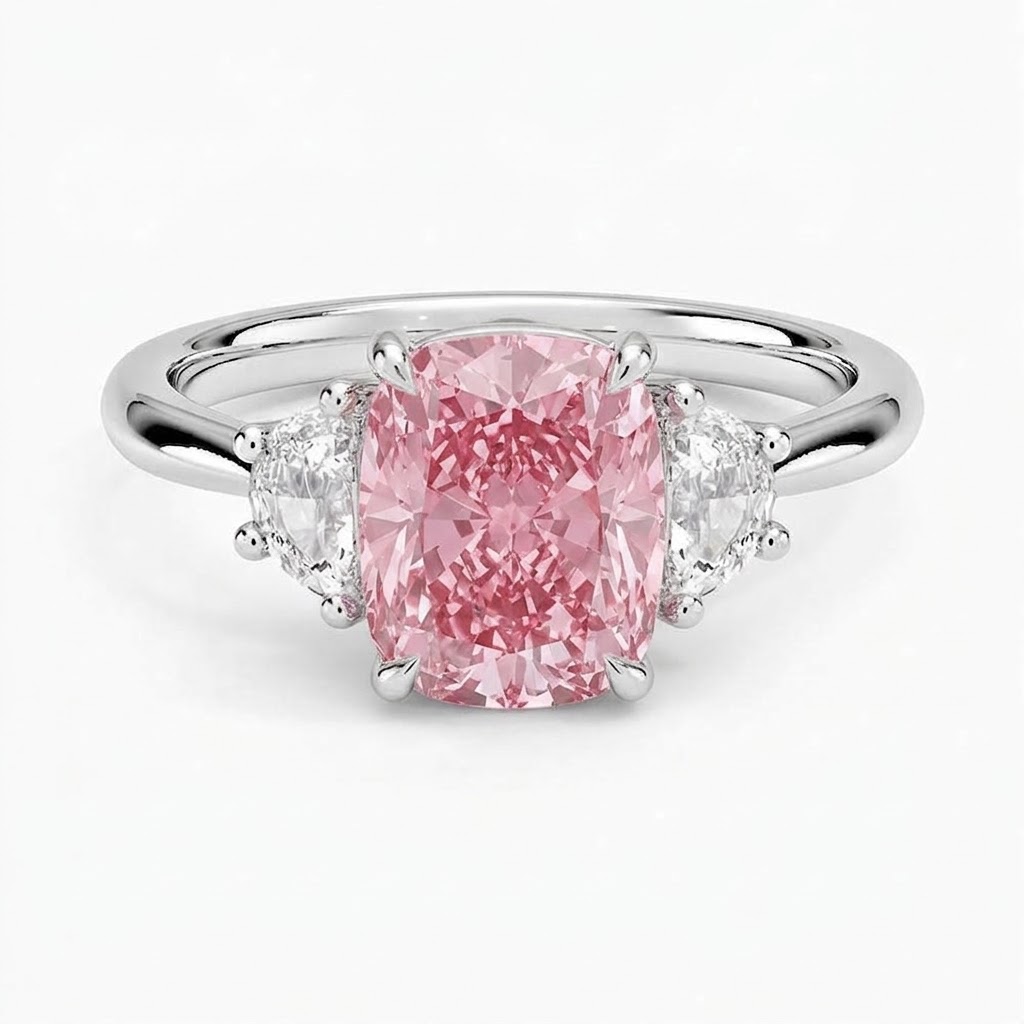
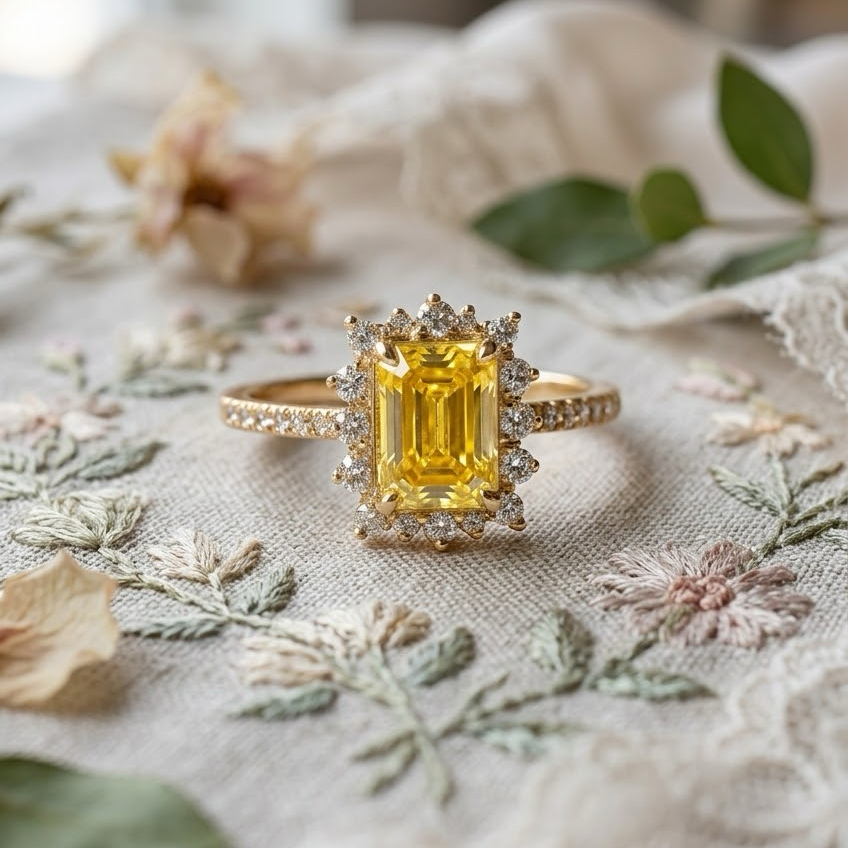
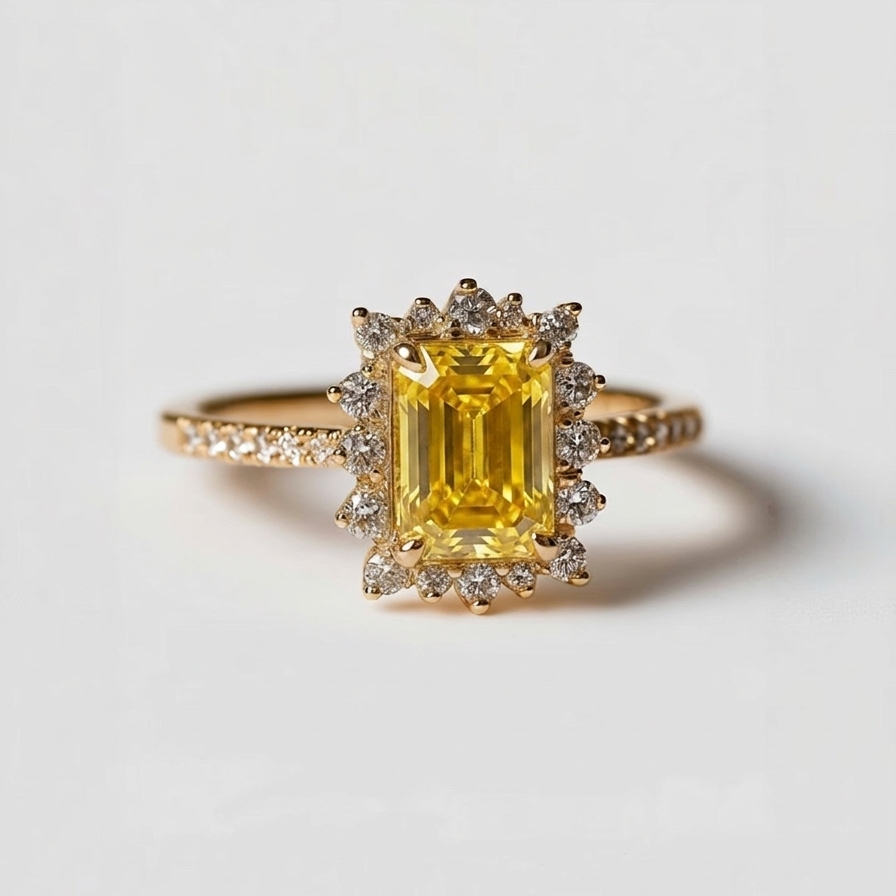
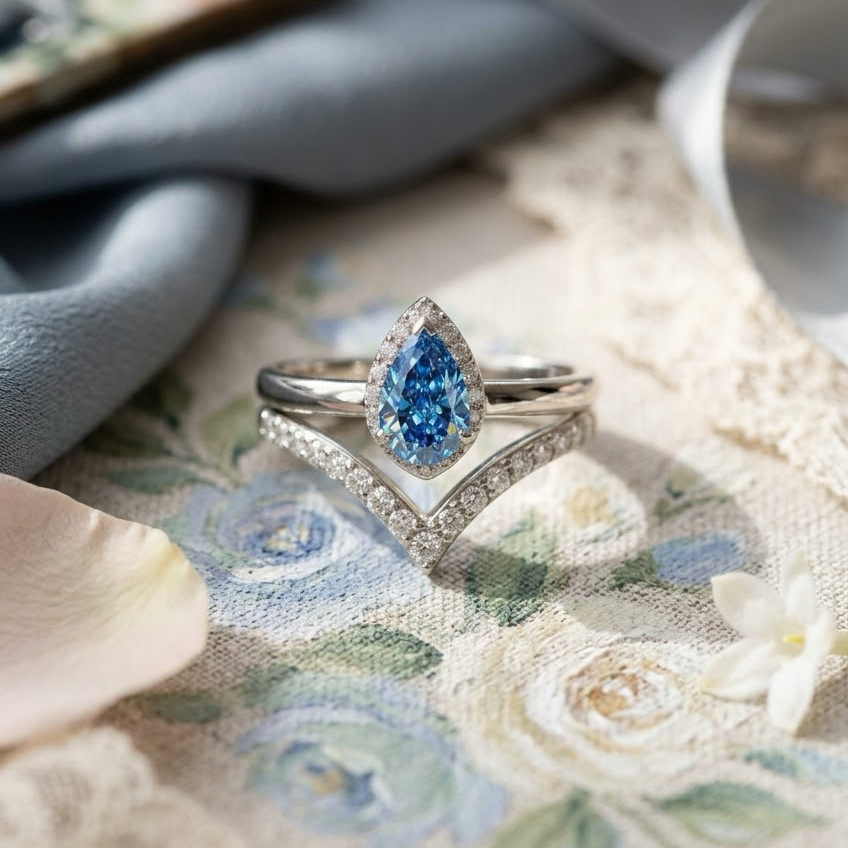
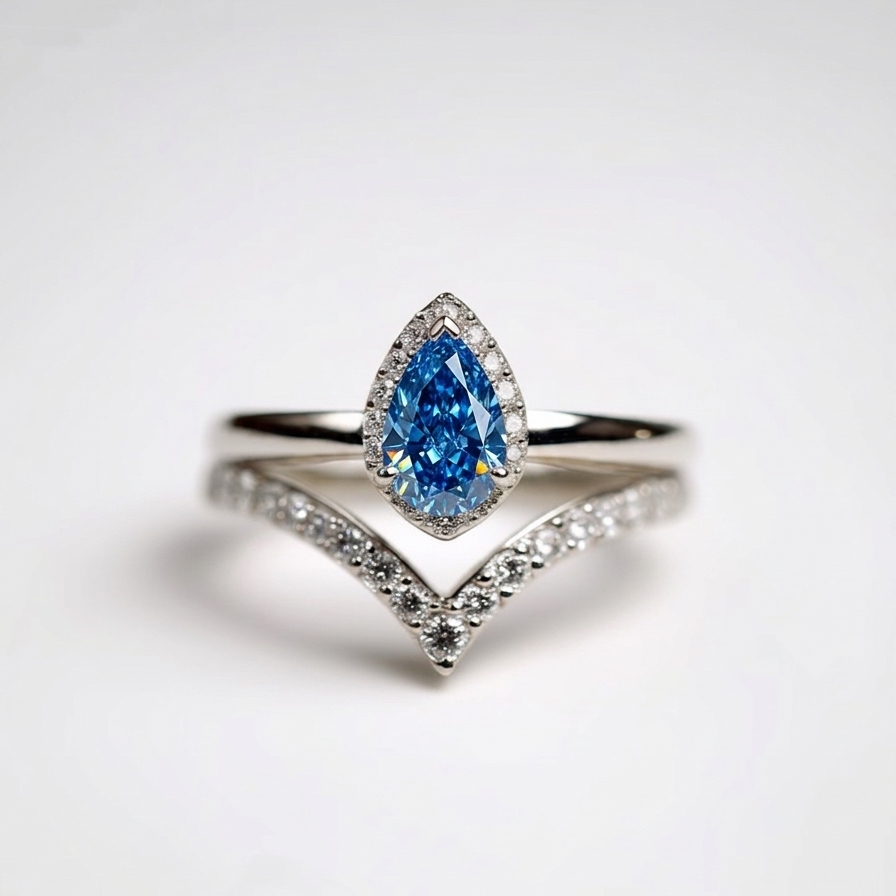
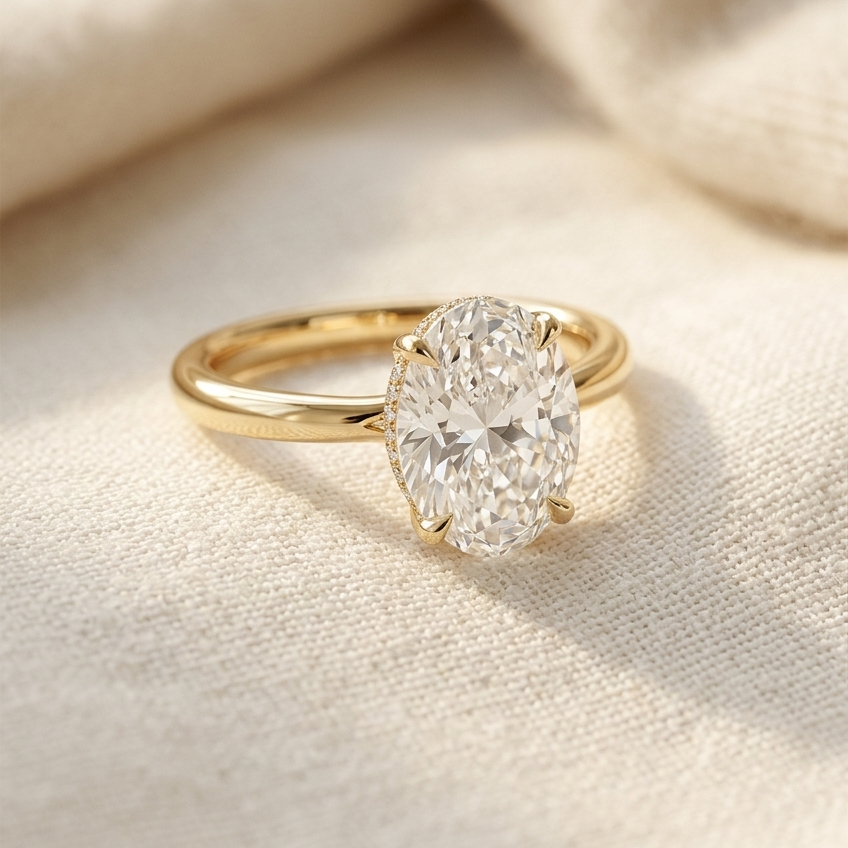
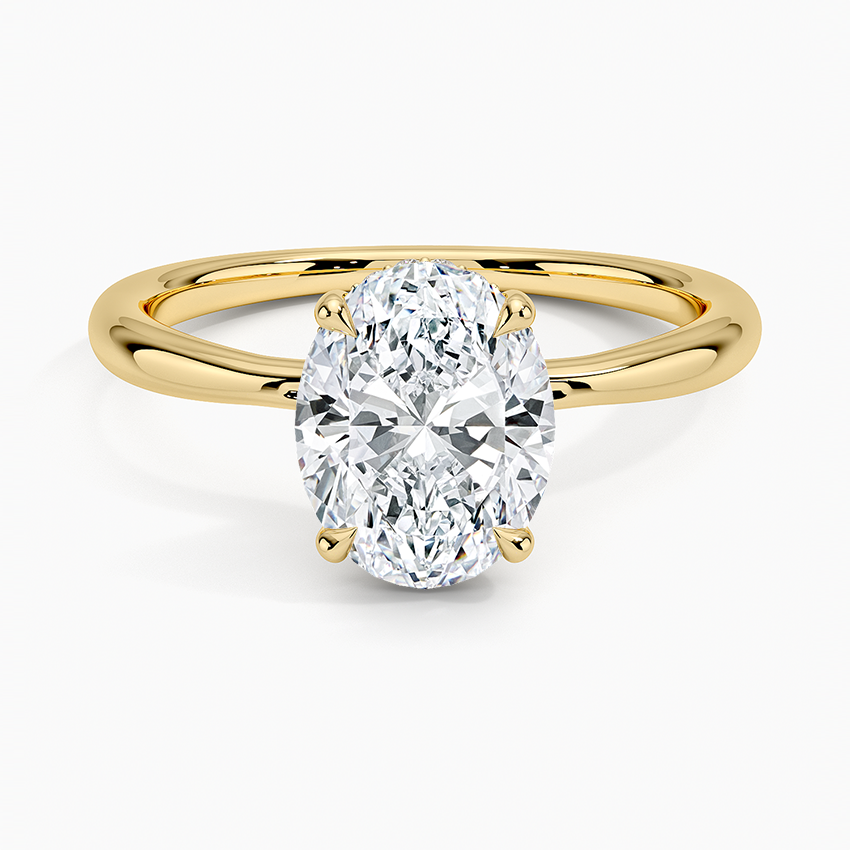
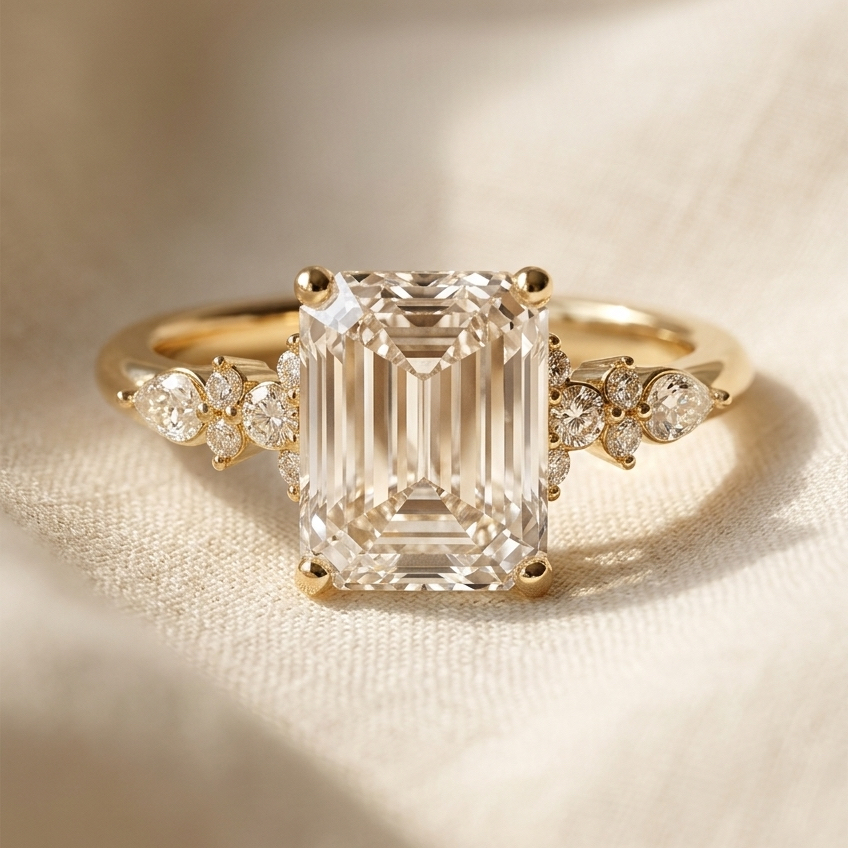
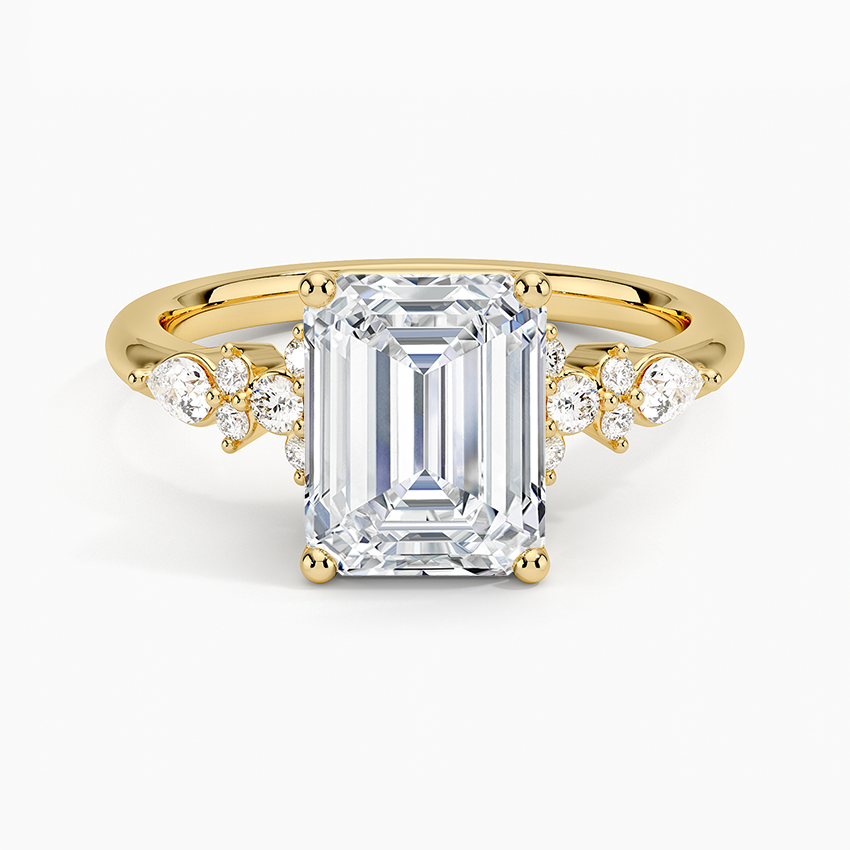
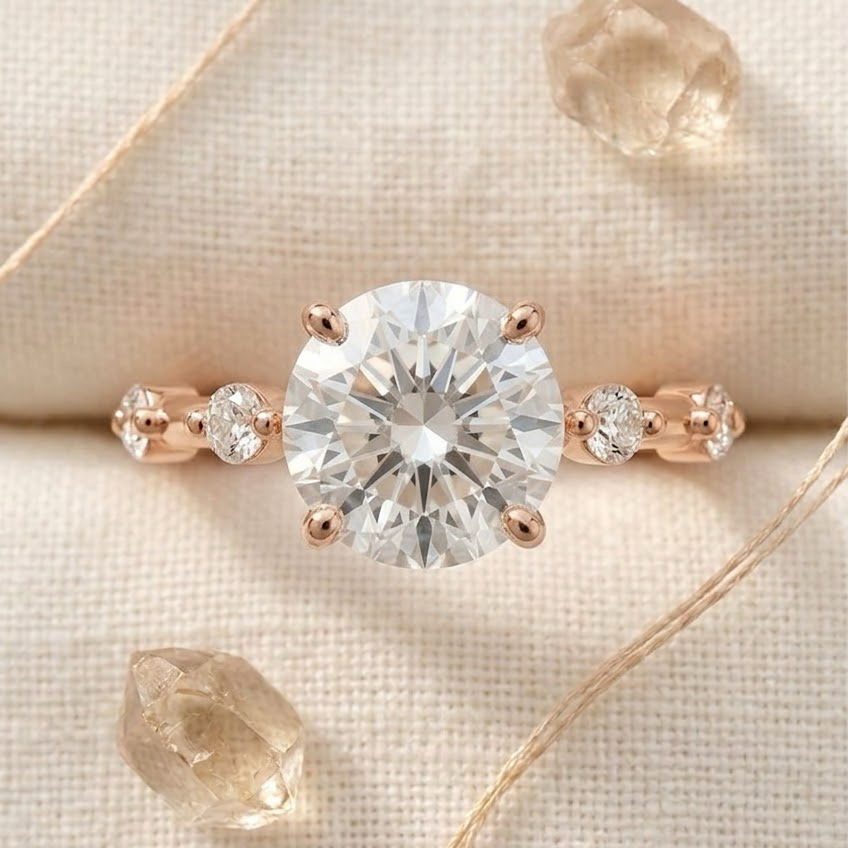
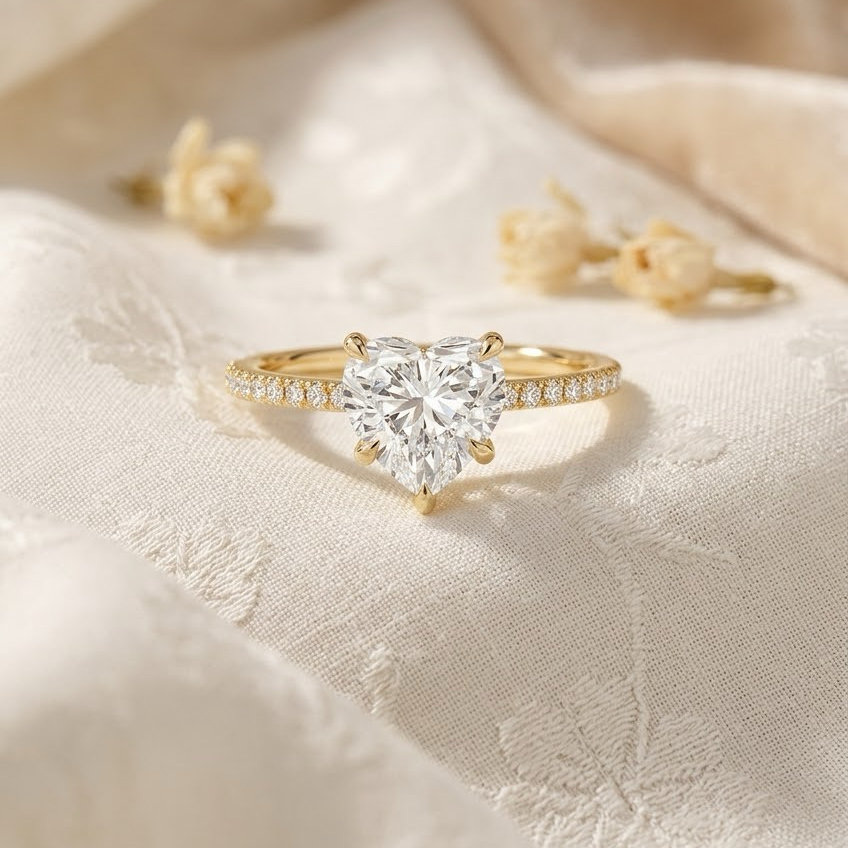
Fine jewelry craftsmanship is about far more than how a piece looks in a photograph.
A beautifully made ring begins with hundreds of considered decisions: the quality and character of the diamond, the proportions of the setting, the precision of the stone placement, the strength of the structure, and the finishing of every surface.
The finest details are often the ones you cannot immediately see. They determine how a ring catches light, how comfortably it sits on the hand, how securely the diamond is held, and how beautifully the piece continues to wear over time.
What Should You Look for in Fine Jewelry Craftsmanship?
Fine jewelry craftsmanship is not defined by one detail. It is the result of many decisions working together—from the diamond selected to the proportions of the setting, the construction of the metal and the finishing of every surface.
1. Proportion and Balance
Exceptional jewelry has a sense of proportion. The diamond, setting, band and surrounding details should feel visually balanced rather than competing with one another.
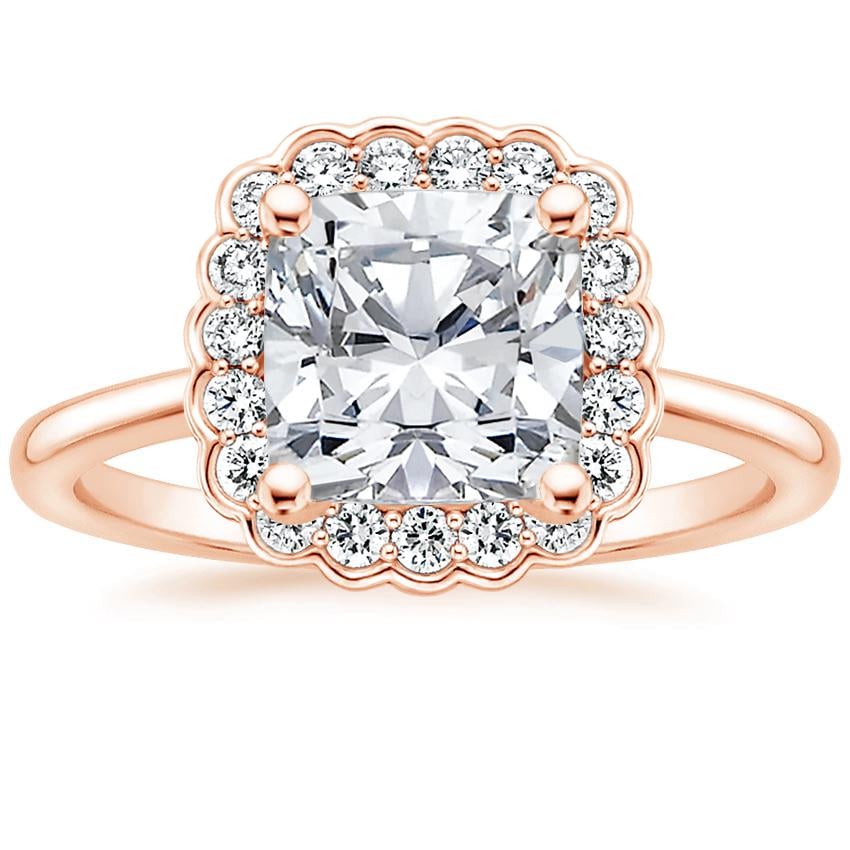
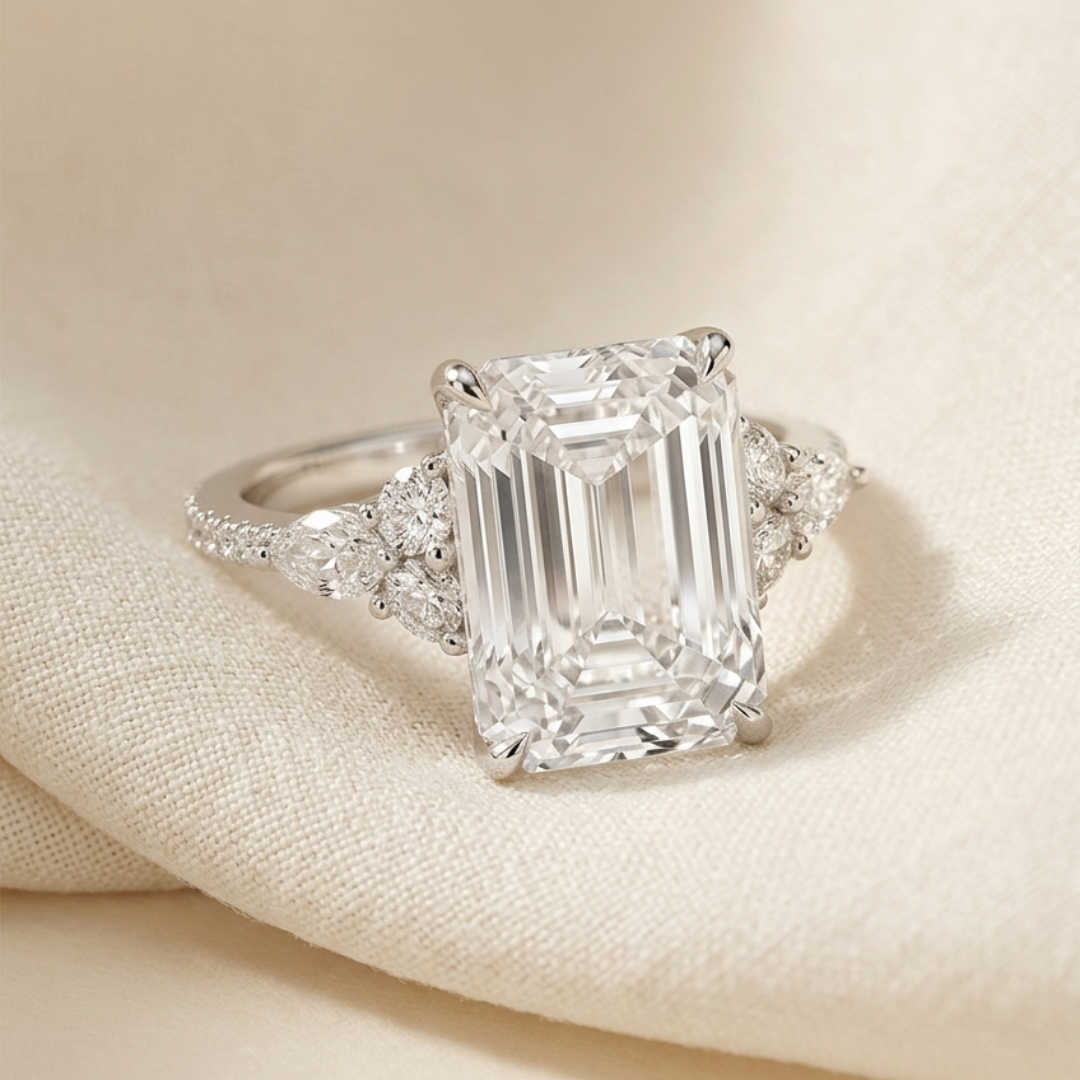
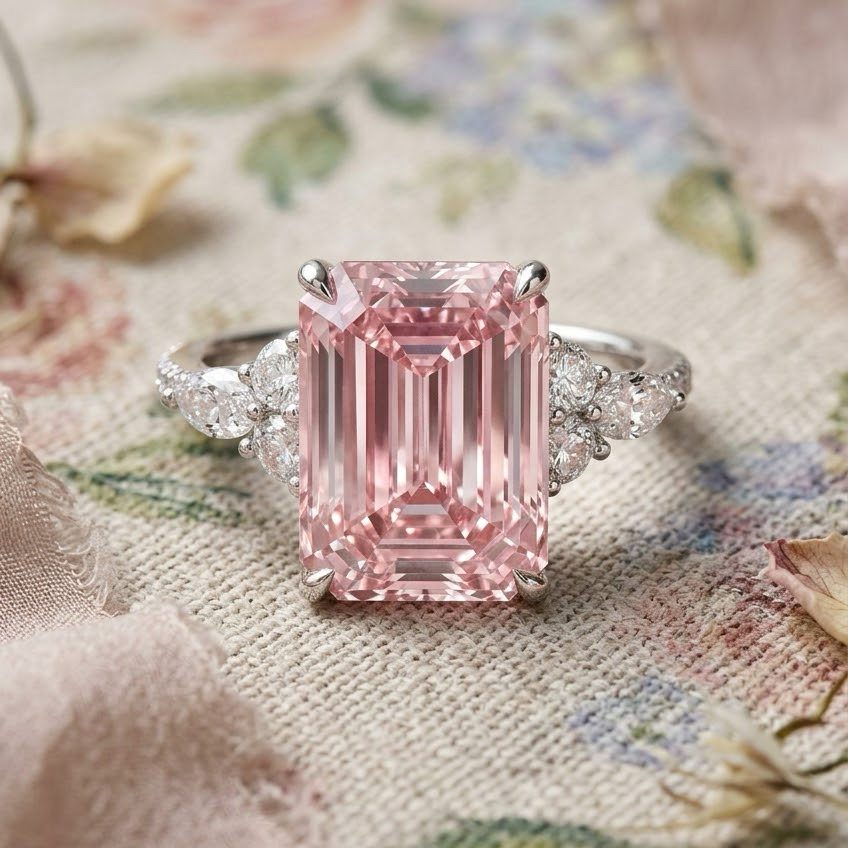
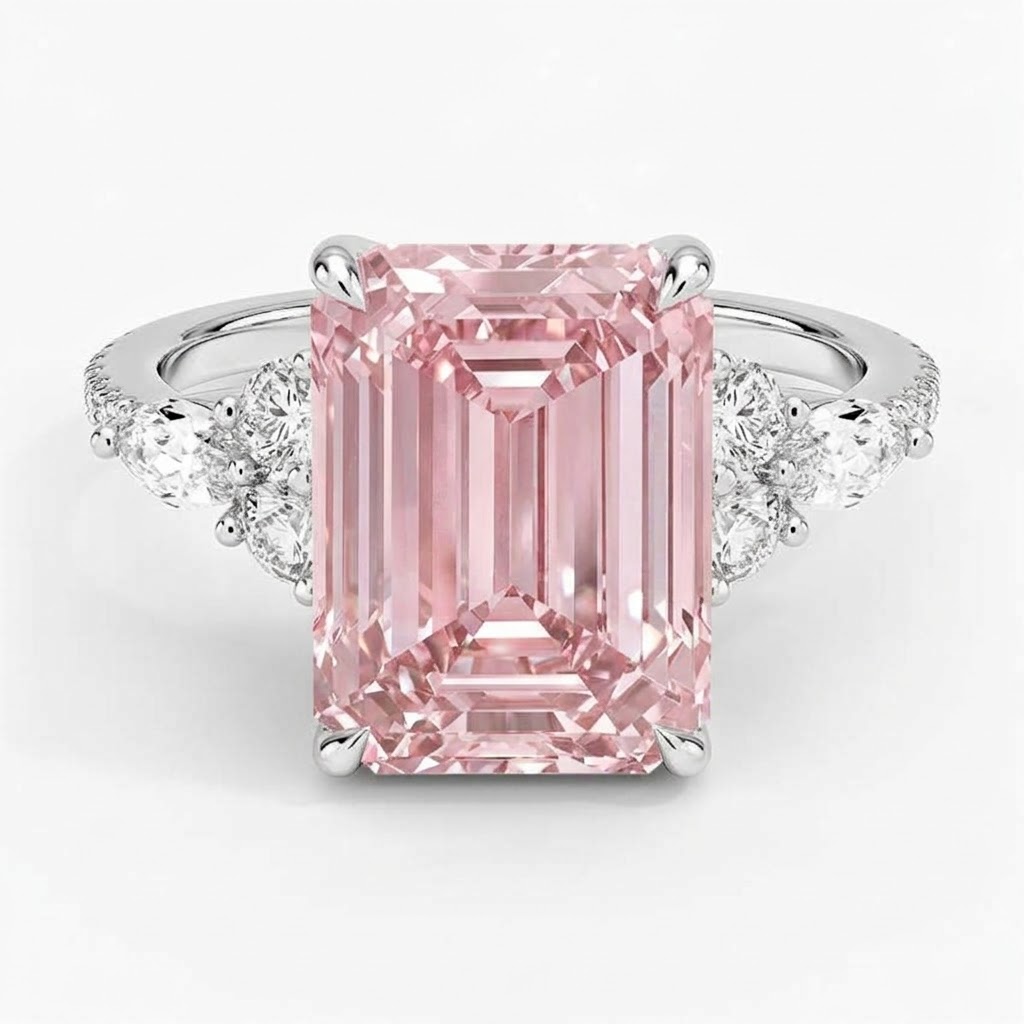
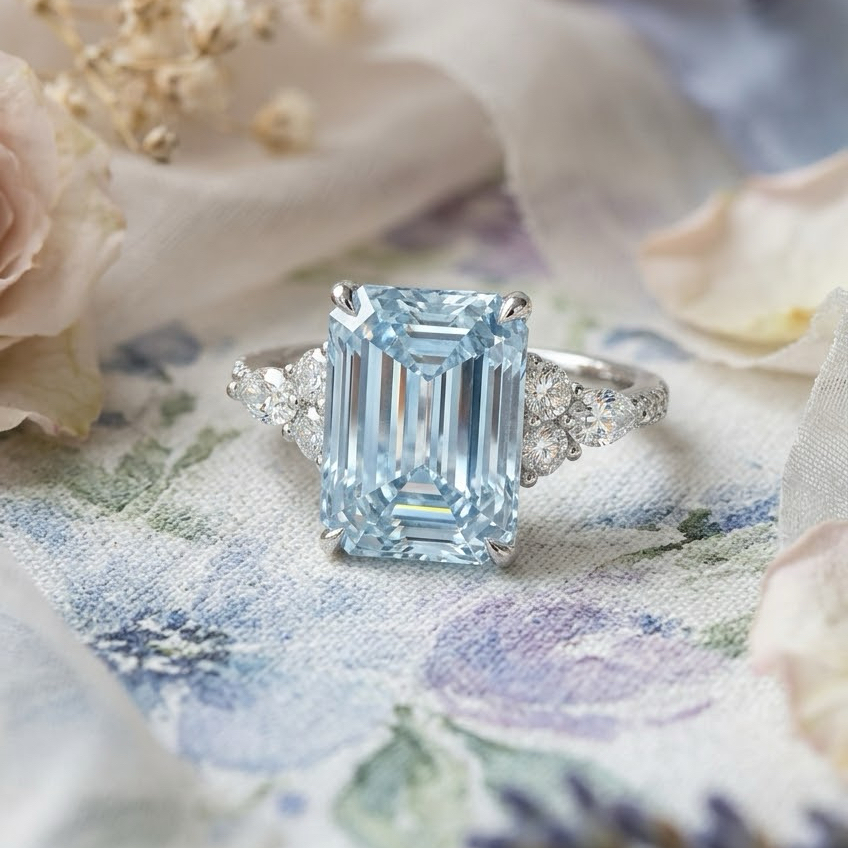
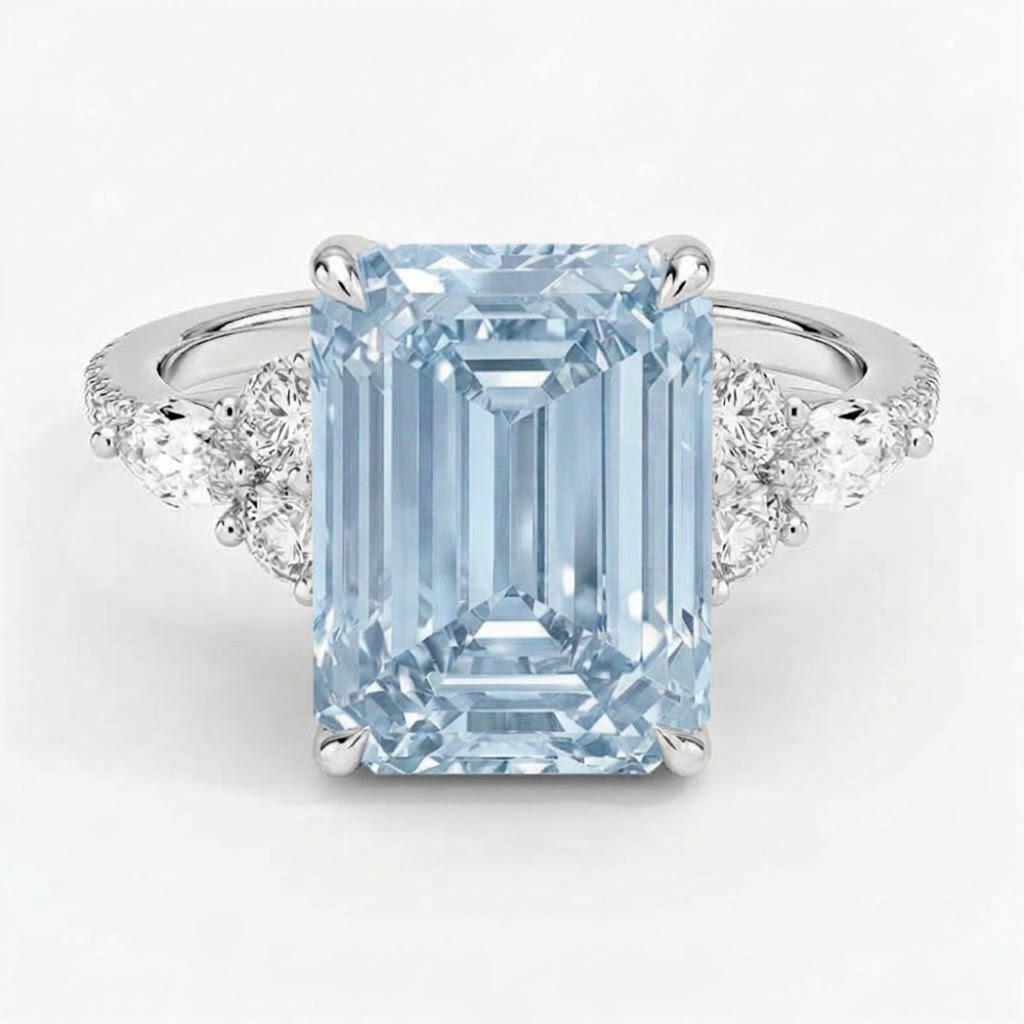
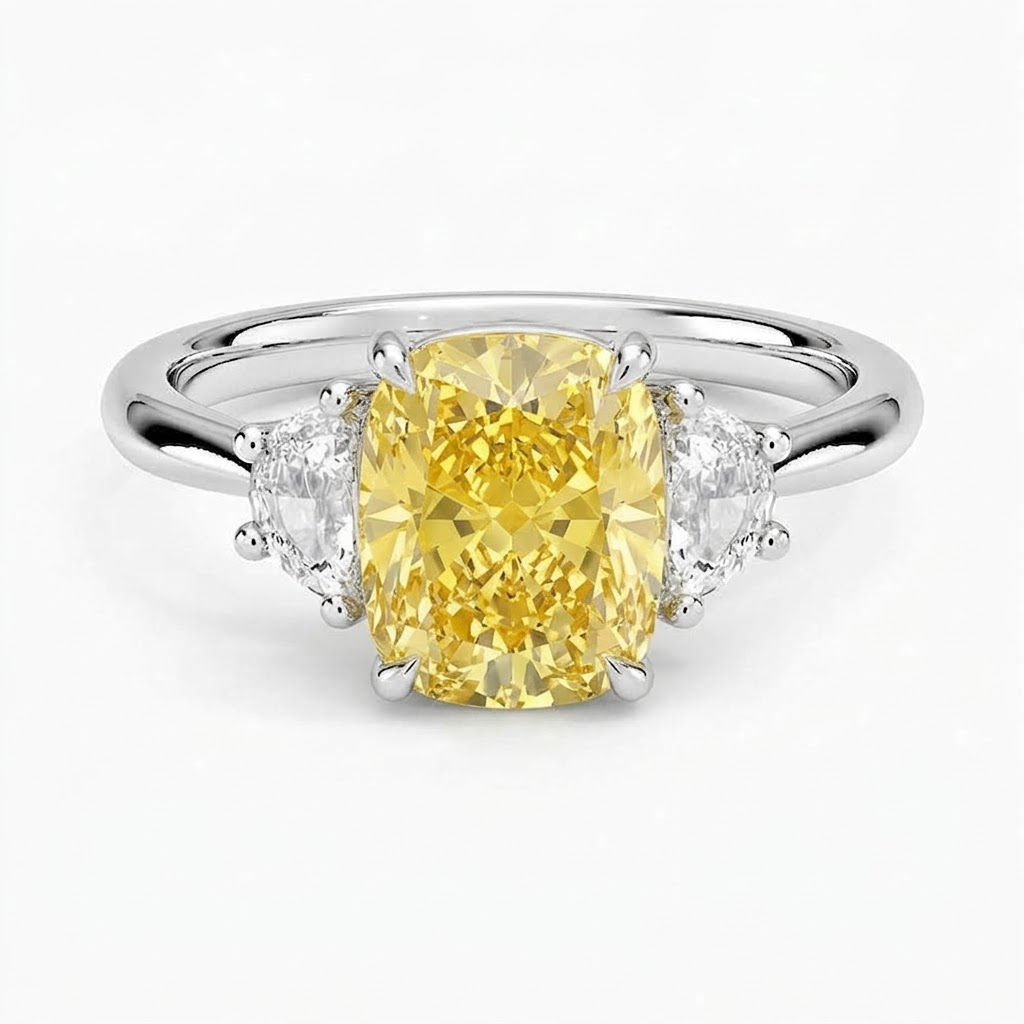
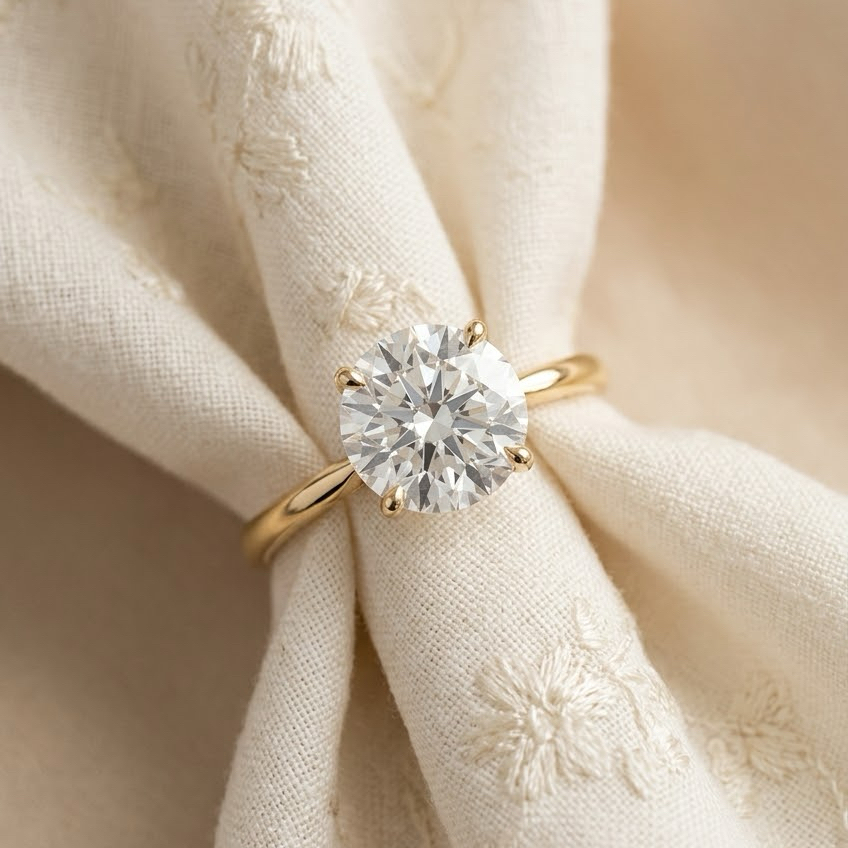
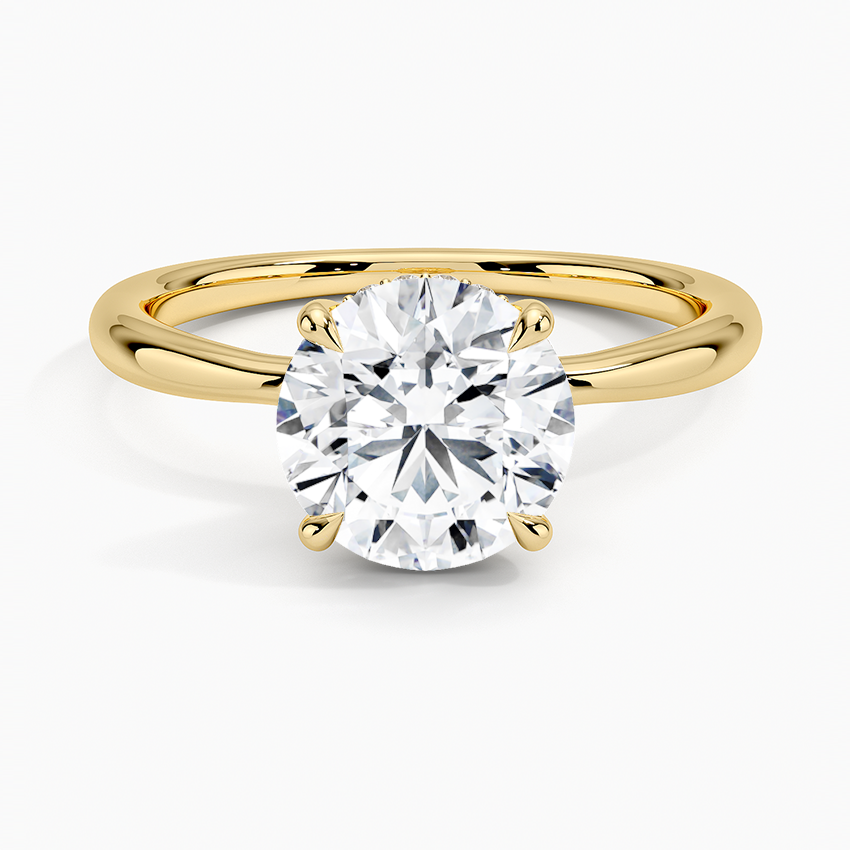
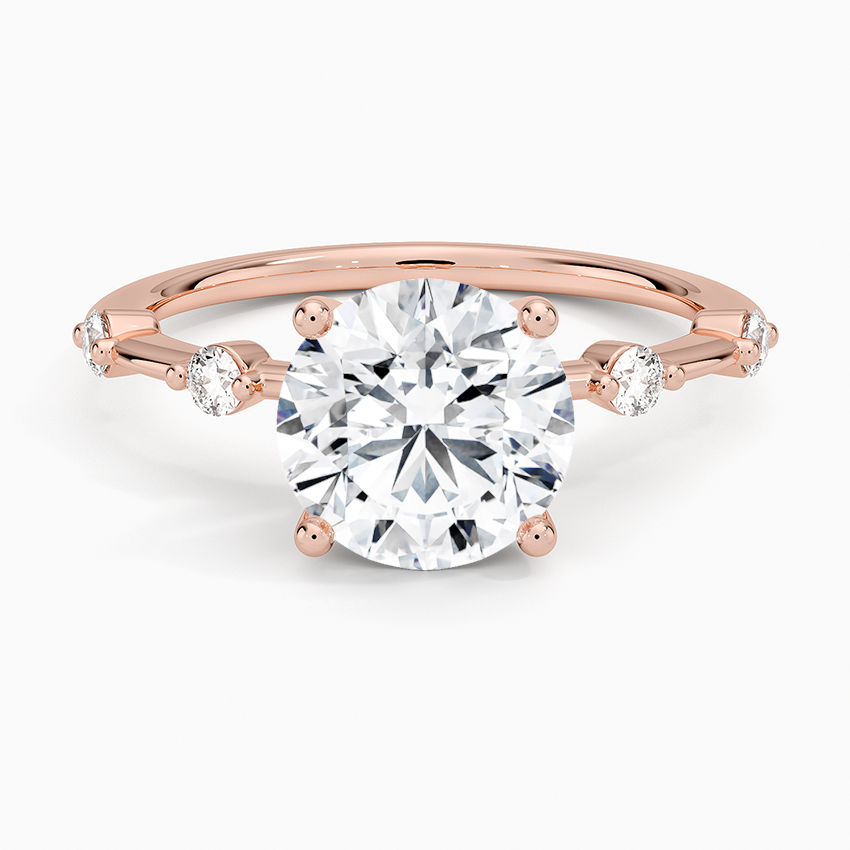
In a diamond ring, this means considering more than carat weight. The height of the setting, width of the band, size of the prongs and proportions of the diamond should work together to create a harmonious silhouette.
Same Certificate, Different Diamond: What the 4Cs Don’t Tell You
2. Precision in Stone Setting
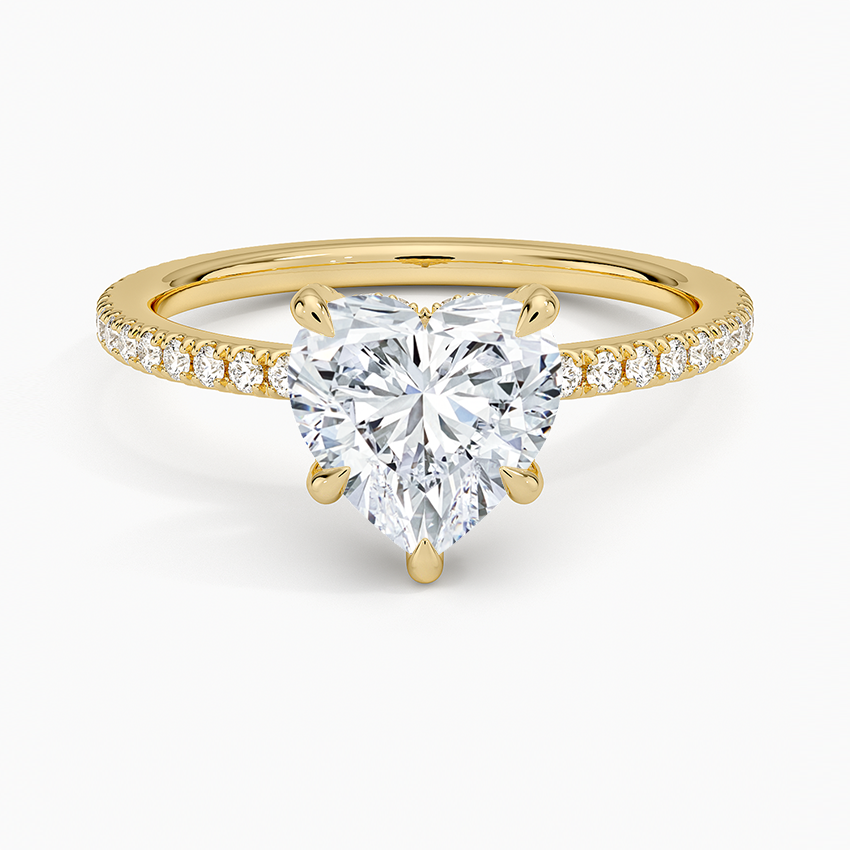
The setting is where craftsmanship meets both beauty and security.
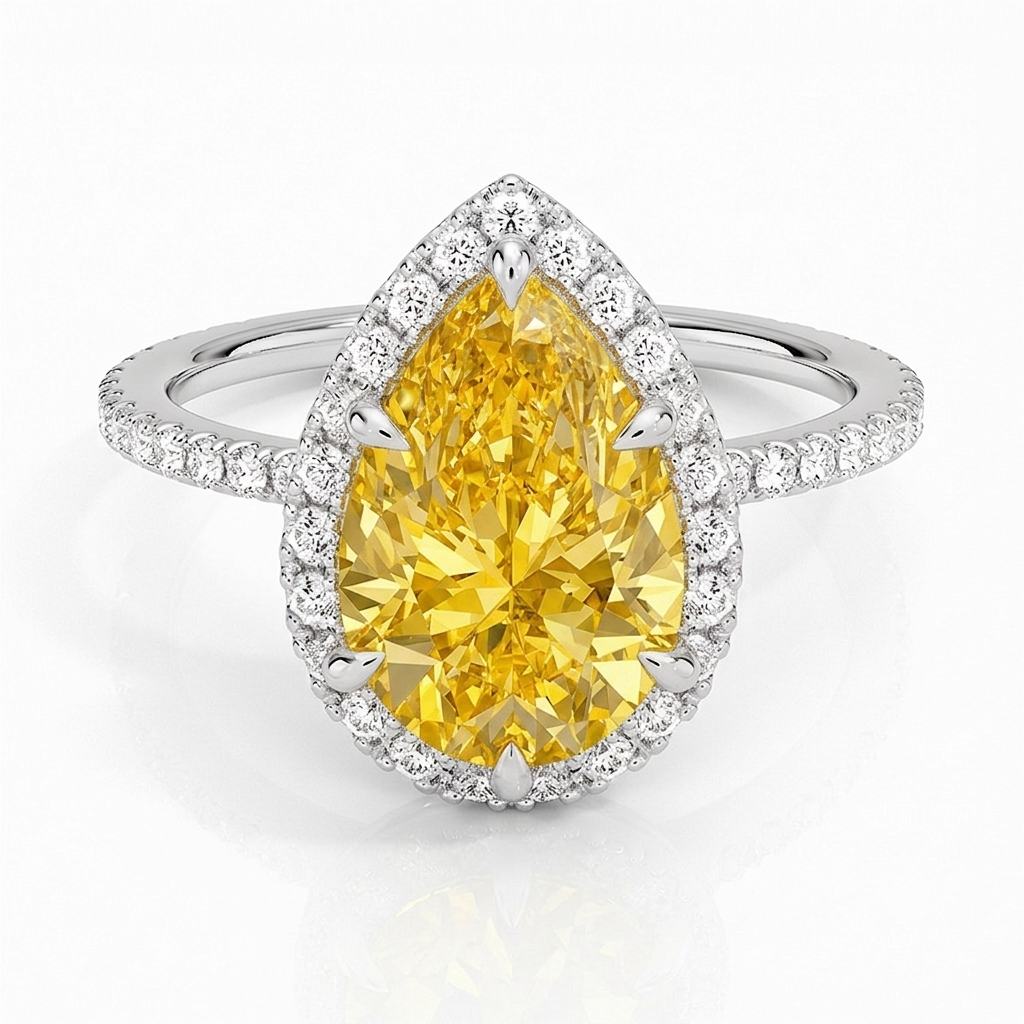
Diamonds should sit precisely in their intended position, with consistent spacing and symmetry. Prongs should be carefully proportioned, evenly finished and properly aligned with the stone.
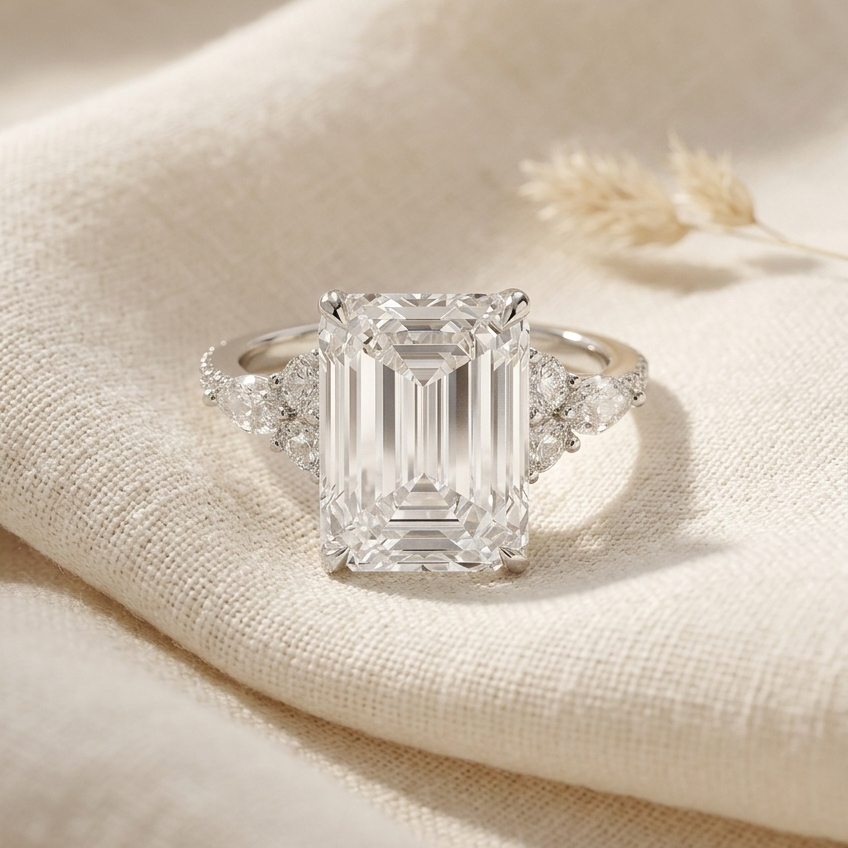
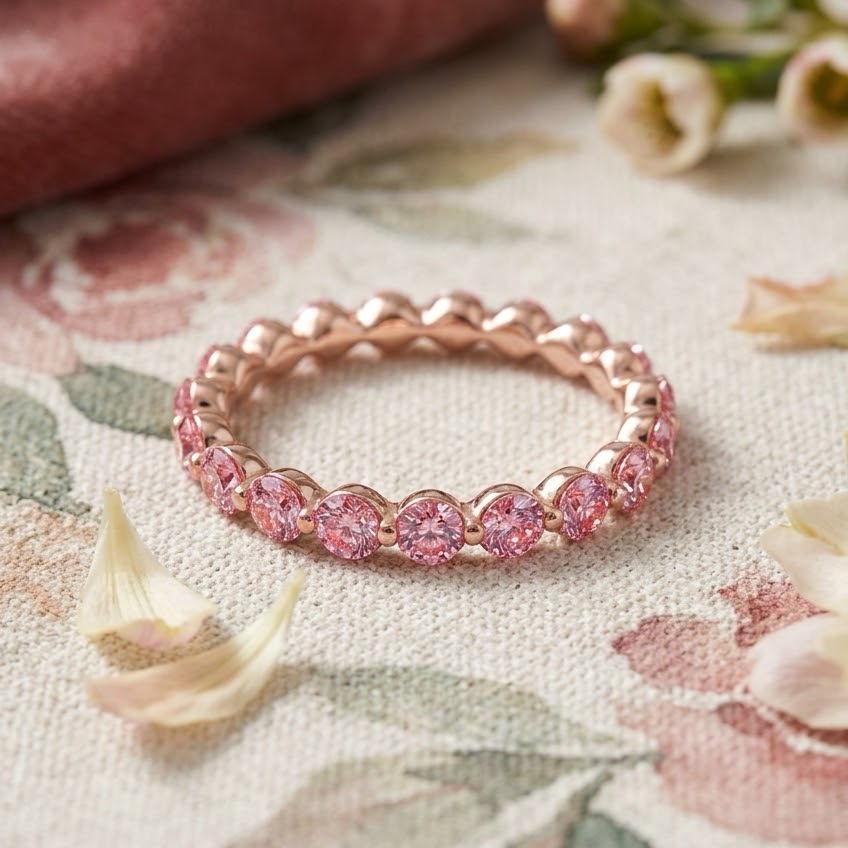
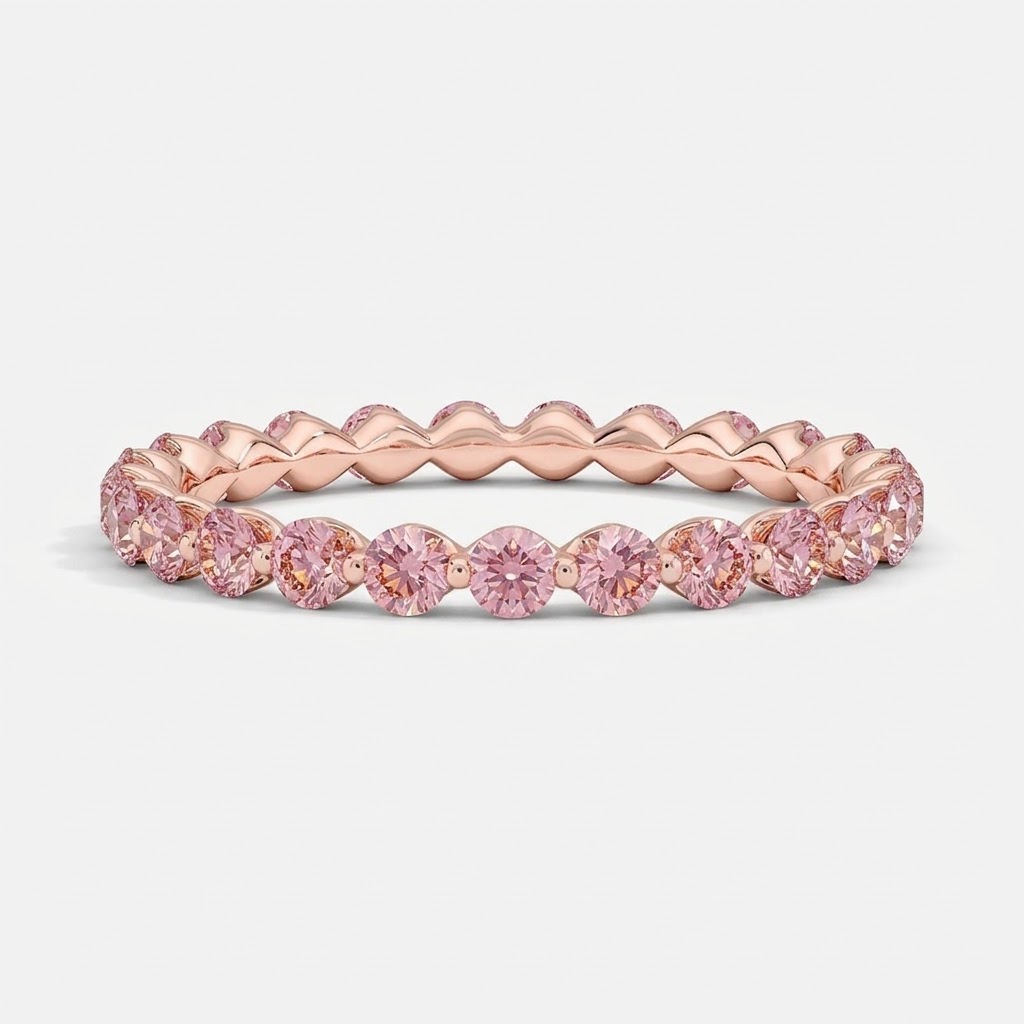
For designs with multiple diamonds, the arrangement should appear intentional and seamless rather than simply functional.
Precision matters because even small inconsistencies can affect the appearance of a ring—and, more importantly, the security of the stones.
3. Surface Finishing
Finishing is one of the details that can distinguish carefully made fine jewelry from an ordinary piece.
Look closely at the metal surfaces and edges. They should be smooth, clean and consistent, with polished areas properly finished and transitions between different surfaces carefully executed.
The areas around the diamond and setting deserve particular attention. Fine craftsmanship does not stop where the main design becomes less visible; the smaller and less obvious details should receive the same consideration.
Learn more about Diamond Ring Setting Craftsmanship
4. Light Performance
For diamond jewelry, craftsmanship and light performance are closely connected.
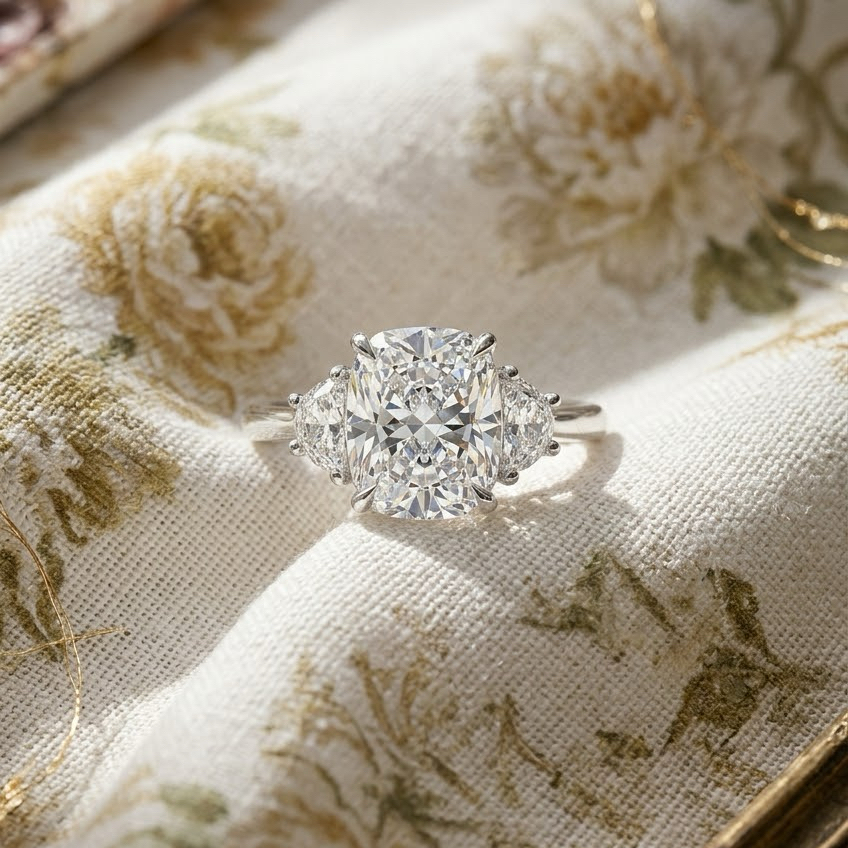
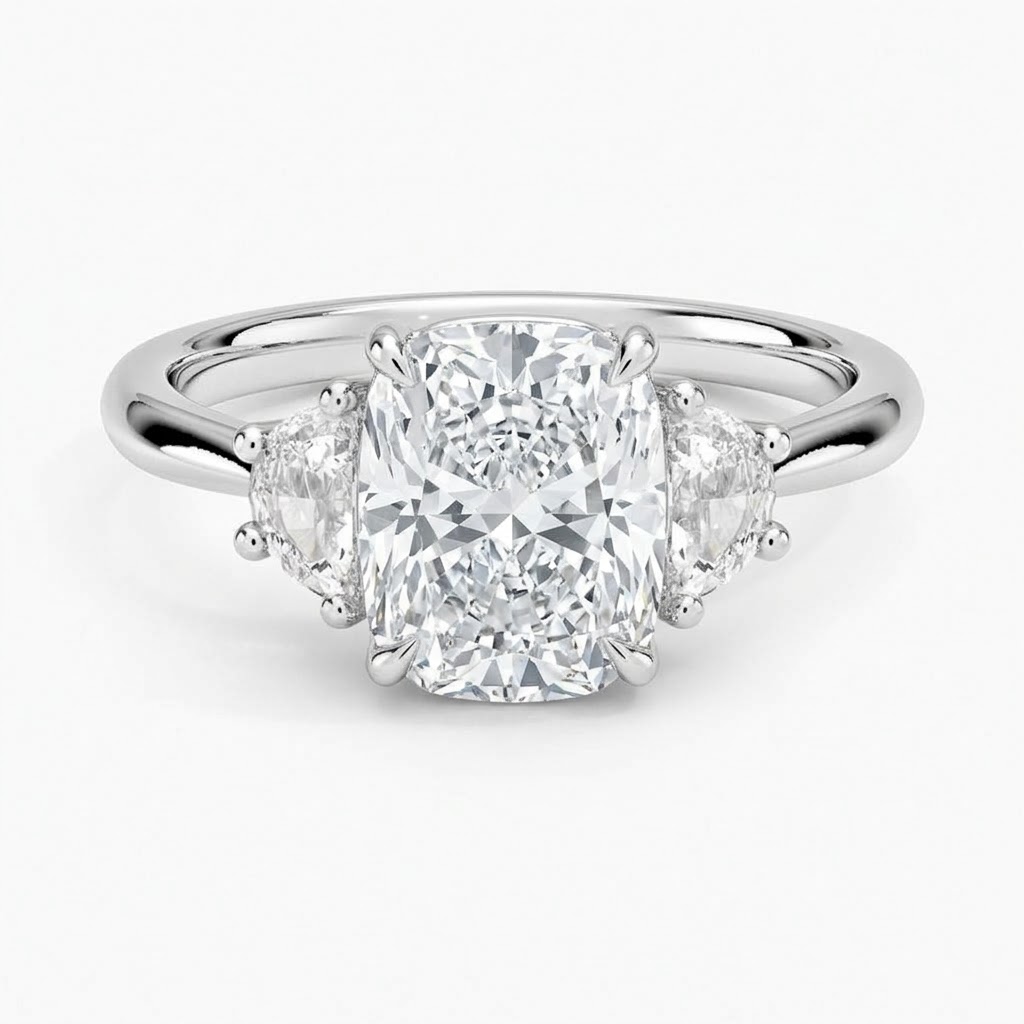
The diamond itself needs to be carefully considered, but the setting also influences how the finished piece interacts with light. Proportions, orientation, surrounding metal and the way the diamond is positioned can all affect how the stone appears when worn.
This is why two rings featuring diamonds with apparently similar specifications can create noticeably different visual impressions.
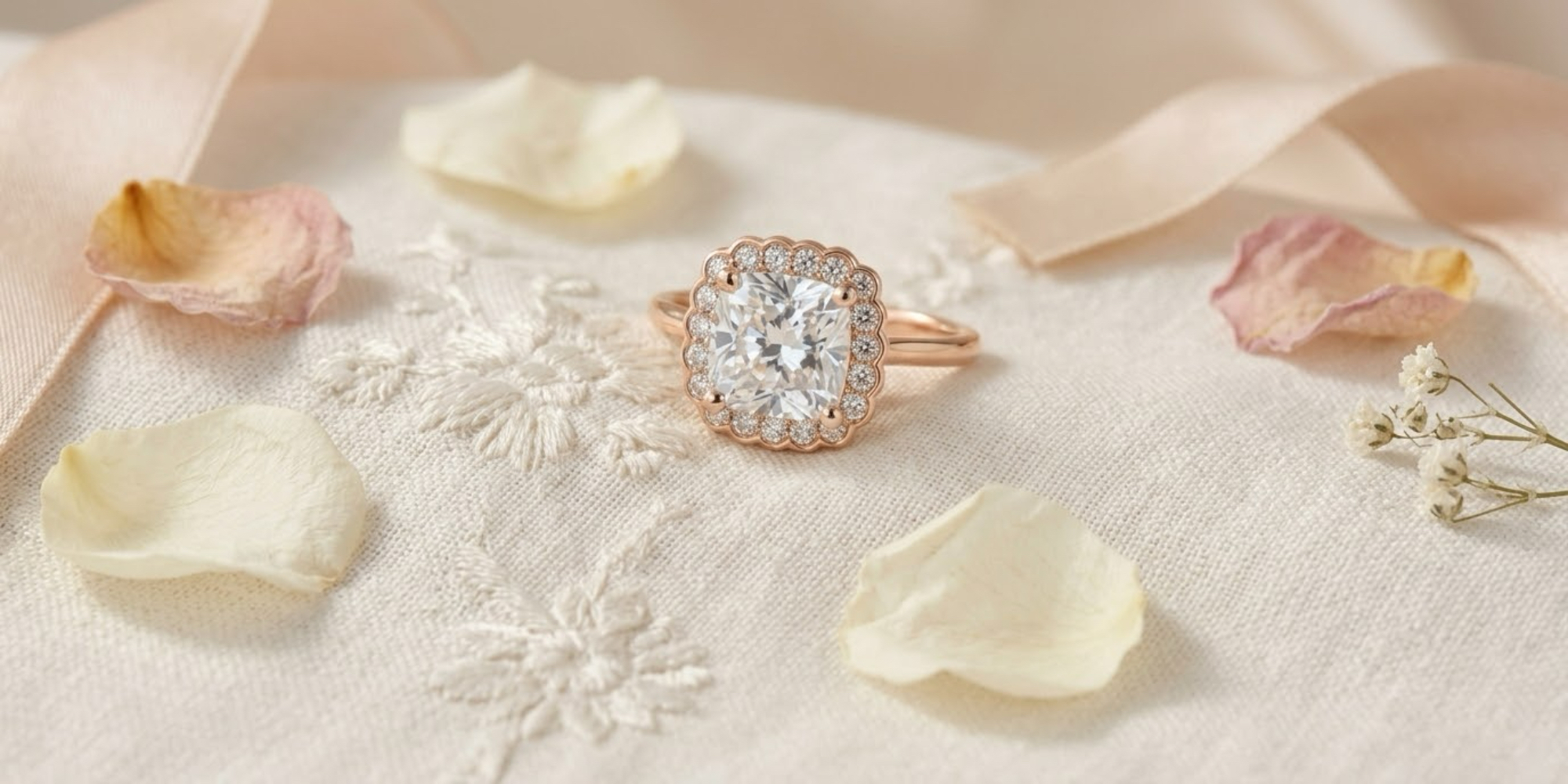
Explore This Design
5. The Quality of the Diamond Itself
For diamond jewelry, diamond craftsmanship begins before the setting is ever made.
A diamond certificate provides important information about characteristics such as carat weight, color, clarity and grading. But two diamonds with similar specifications can still have different visual character.
The individual stone should therefore be considered carefully for its proportions, symmetry, light performance and overall appearance—not simply selected because it meets a checklist of specifications.
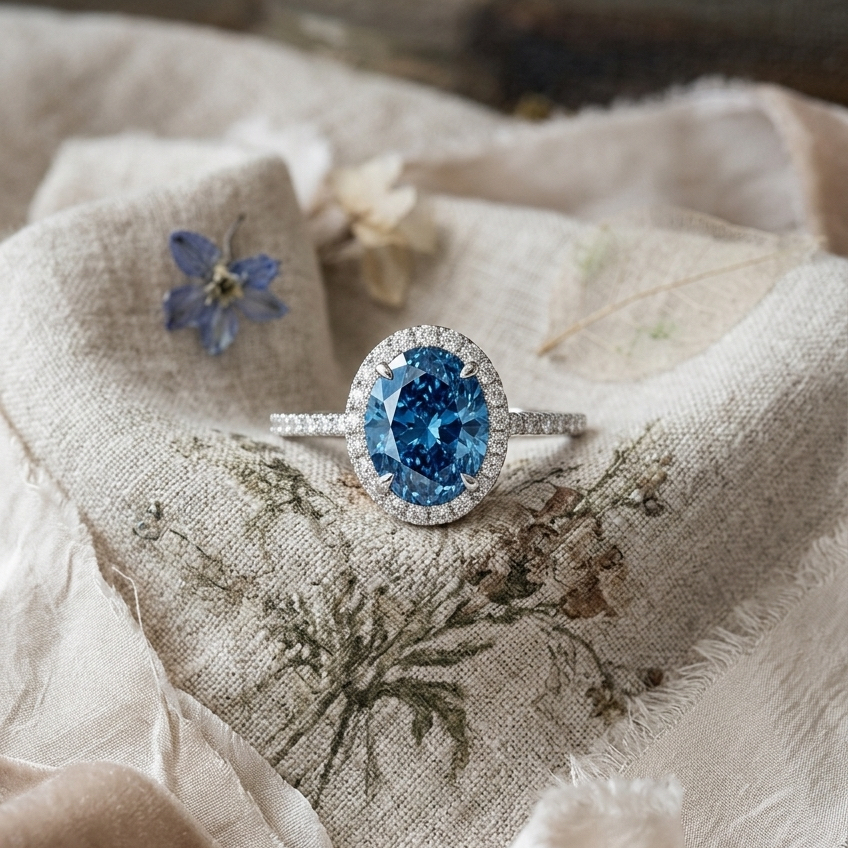
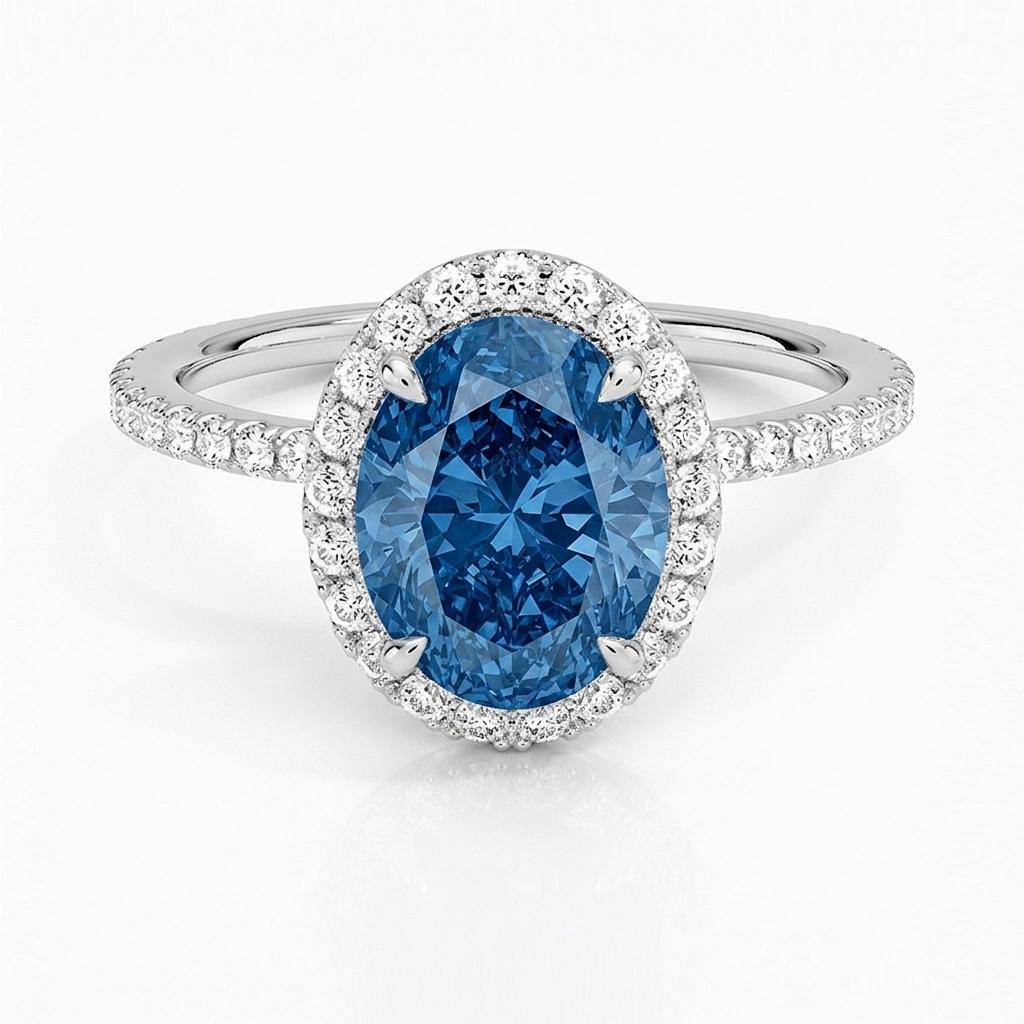
Explore our individually selected fancy color lab-grown diamonds
Diamond Selection at Her Crown
6. Longevity and Aftercare
Fine jewelry should be created with its future in mind.
Consider how the piece is constructed, whether the setting is appropriate for its intended use, and what care and maintenance are available after purchase. A beautifully crafted ring should not only look exceptional when it first arrives; it should be capable of becoming part of the wearer’s story for years to come.
These are the principles that allow fine jewelry to feel exceptional: proportion, precision, structure, finishing, light and thoughtful design. But throughout the history of fine jewelry, master craftspeople have taken these principles even further, developing remarkable techniques to achieve effects that conventional construction could not.
Unlock Your Private Courtesies by Her Crown’s
8 Remarkable Fine Jewelry Craftsmanship Techniques
From hidden settings and intricate engraving to innovative metalwork and architectural stone setting, these techniques reveal just how much expertise can exist beneath the beauty of a finished piece.
Here are eight remarkable jewelry craftsmanship techniques—and what each can teach us about the art of creating truly exceptional fine jewelry.
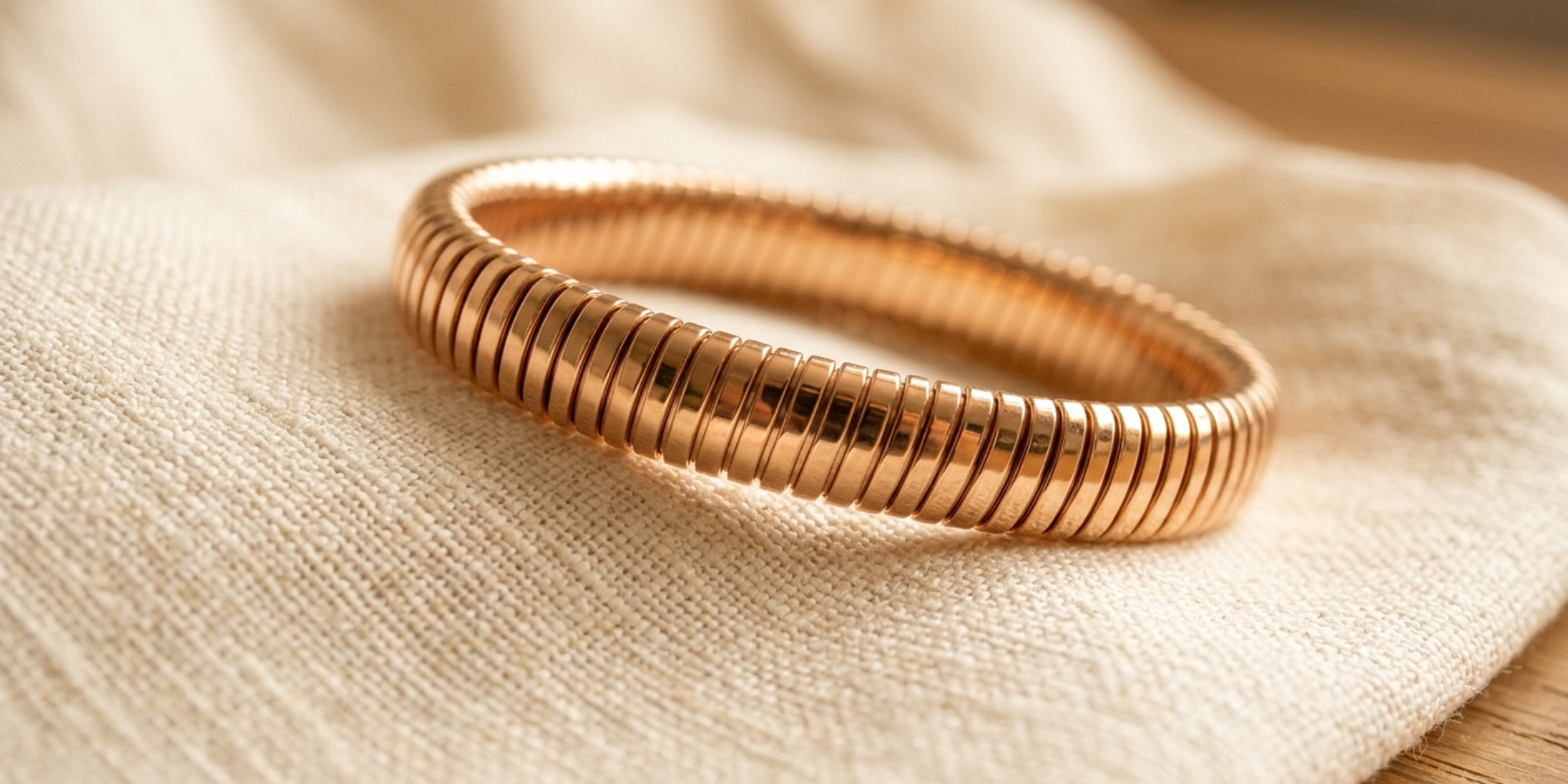
1. Tubogas – Flexible Gold Without Soldering
One of the most recognisable techniques in luxury jewellery is Tubogas, famously associated with Bvlgari.
The name means “gas pipe” in Italian because the design resembles flexible industrial tubing.
Instead of rigid metal, strips of precious gold are carefully wrapped together to create a smooth, flexible structure without visible soldering.
The result is jewellery that feels fluid and comfortable while maintaining remarkable strength.
Why it matters:
- Comfortable to wear
- Beautiful flowing movement
- Exceptional engineering hidden beneath elegant design
2. Mystery Setting – Where the Metal Disappears
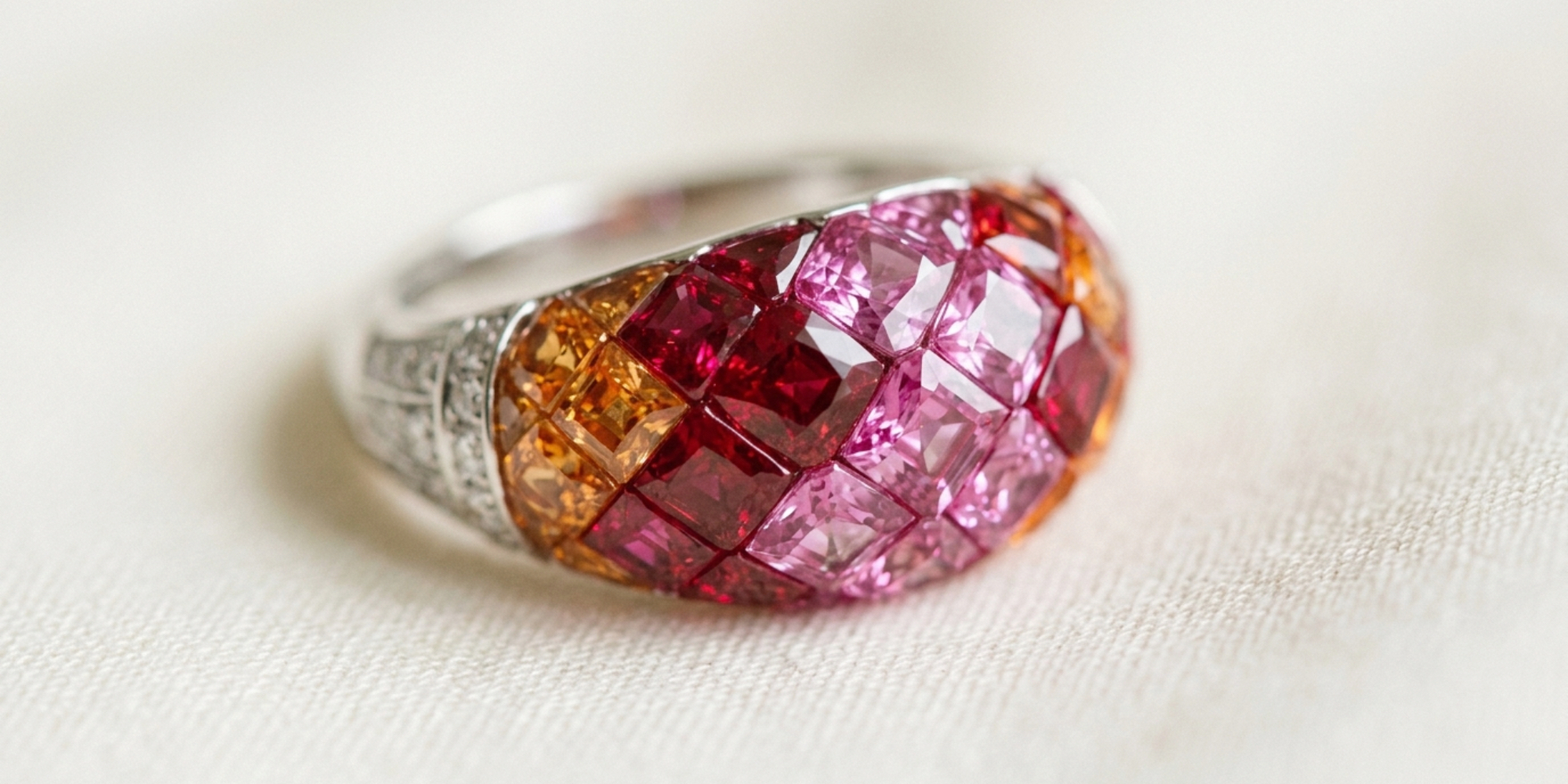
The Mystery Setting (French: Serti Mystérieux), developed by Van Cleef & Arpels, is considered one of the most technically demanding gemstone-setting techniques.
Normally, gemstones are held in place by tiny metal claws or prongs.
In a mystery setting, these supports are hidden beneath the stones.
The viewer sees an uninterrupted surface of colour, creating the illusion that the gemstones are floating.
Each gemstone must be precisely cut to fit a hidden framework.
It is a technique that demands extraordinary patience and precision.
3. Fur Setting – Jewellery That Feels Soft
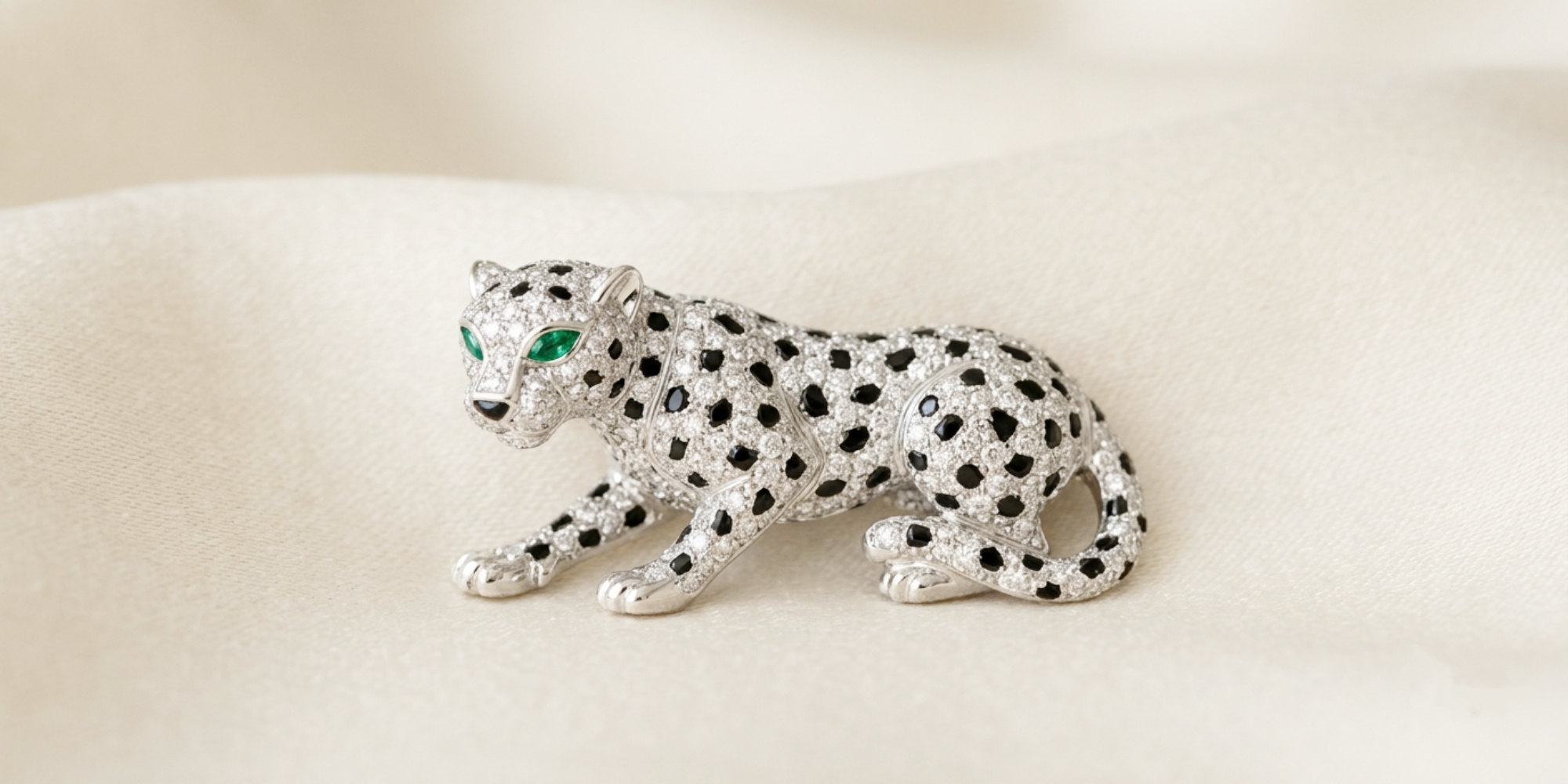
Cartier introduced an innovative technique known as Fur Setting.
Instead of placing diamonds only on flat surfaces, tiny strands of gold are individually shaped to resemble soft animal fur.
Diamonds are then carefully set among these strands, creating remarkable texture and movement.
The result feels surprisingly lifelike while demonstrating incredible attention to detail.
This reminds us that fine jewellery is not only about sparkle—it is also about texture and artistic expression.
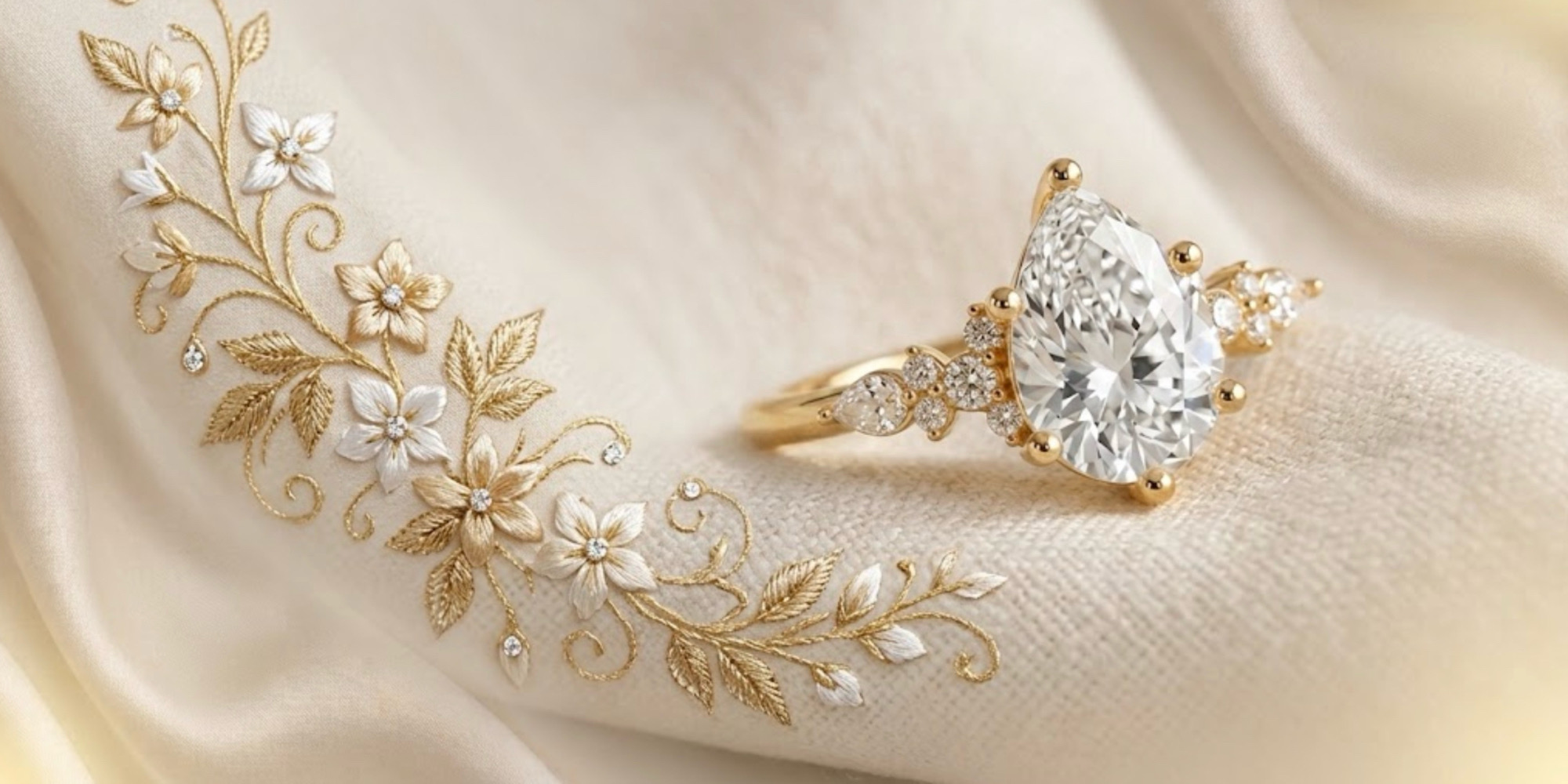
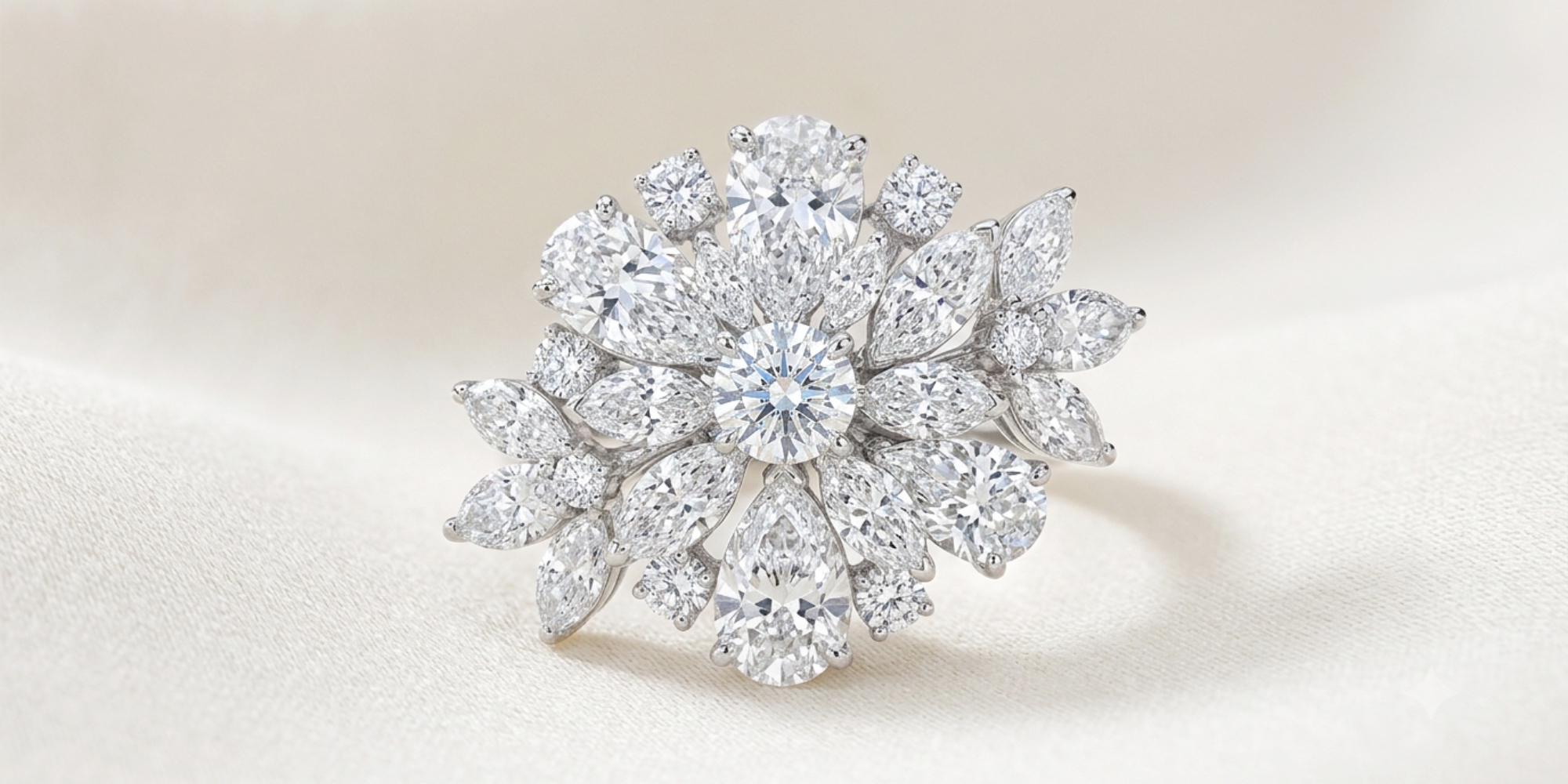
4. Cluster Setting – Bigger Beauty Through Design
Harry Winston became famous for his elegant Cluster Setting.
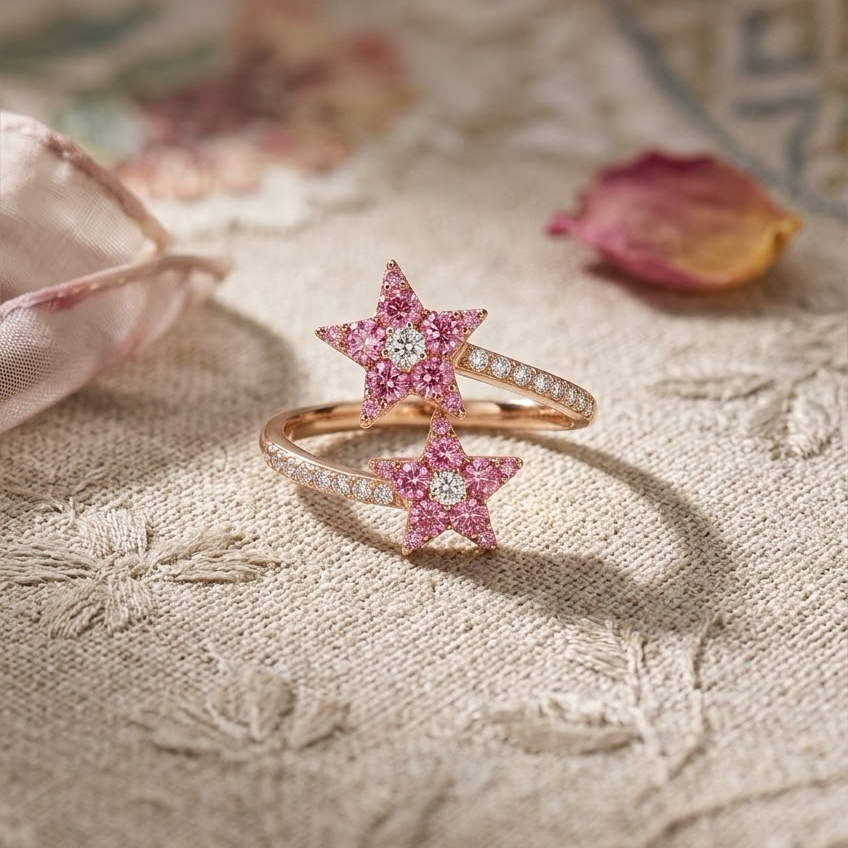
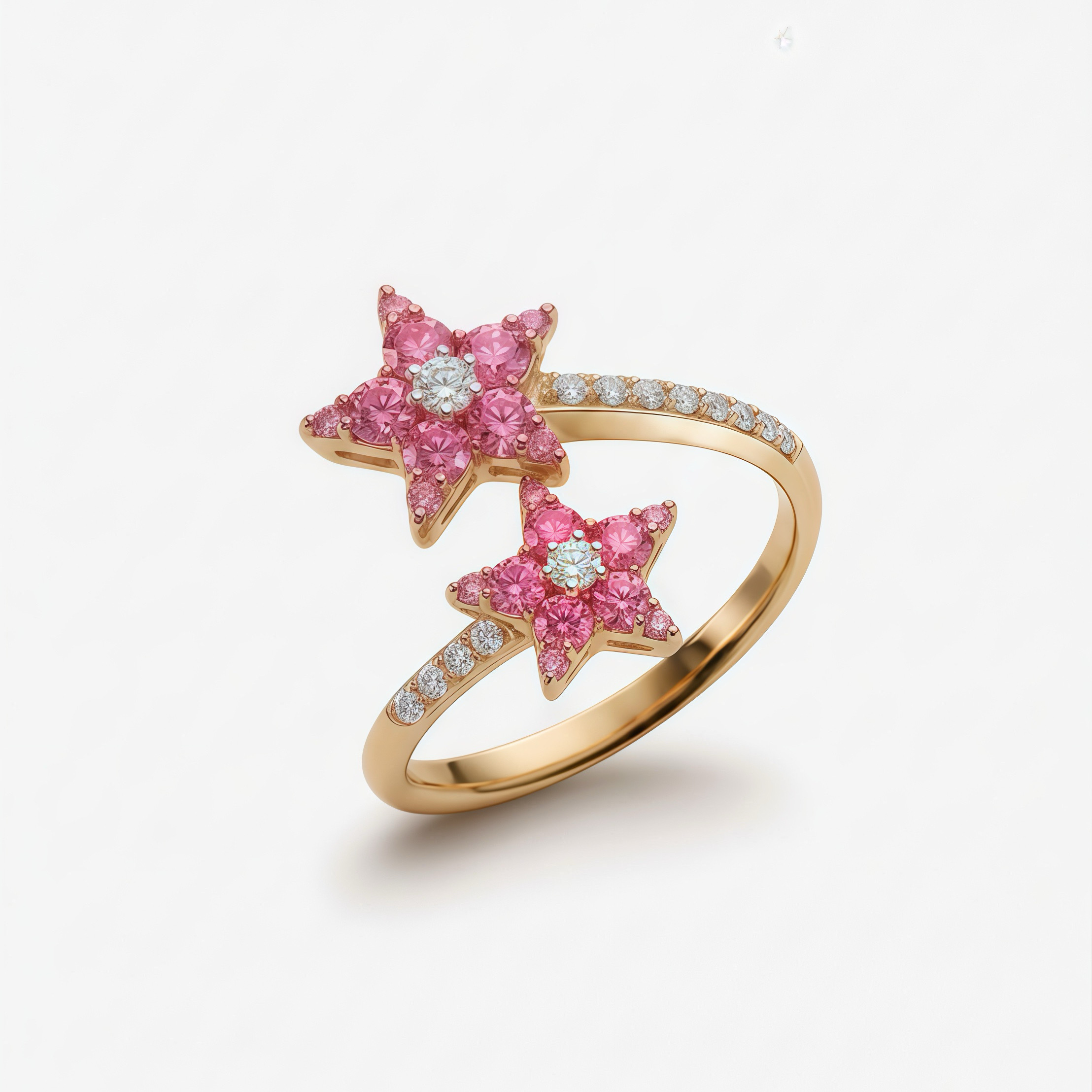
Rather than relying on one large gemstone, diamonds of different sizes are carefully arranged to resemble a natural bouquet of flowers.
Each stone reflects light from a different angle.
The overall effect creates exceptional brilliance while feeling light, graceful, and organic.
It is an excellent example of how thoughtful design can create beauty beyond simply increasing carat weight.
5. Gravure et Ciselure – The Art of Hand Engraving
French jeweller Boucheron is celebrated for intricate hand engraving techniques known as Gravure et Ciselure.
Highly skilled artisans carve delicate patterns directly into precious metals.
These tiny details may appear subtle from a distance, but they give jewellery extraordinary depth and character.
Every engraved line reflects hours of patient craftsmanship.
It is a reminder that luxury often lives in the smallest details.
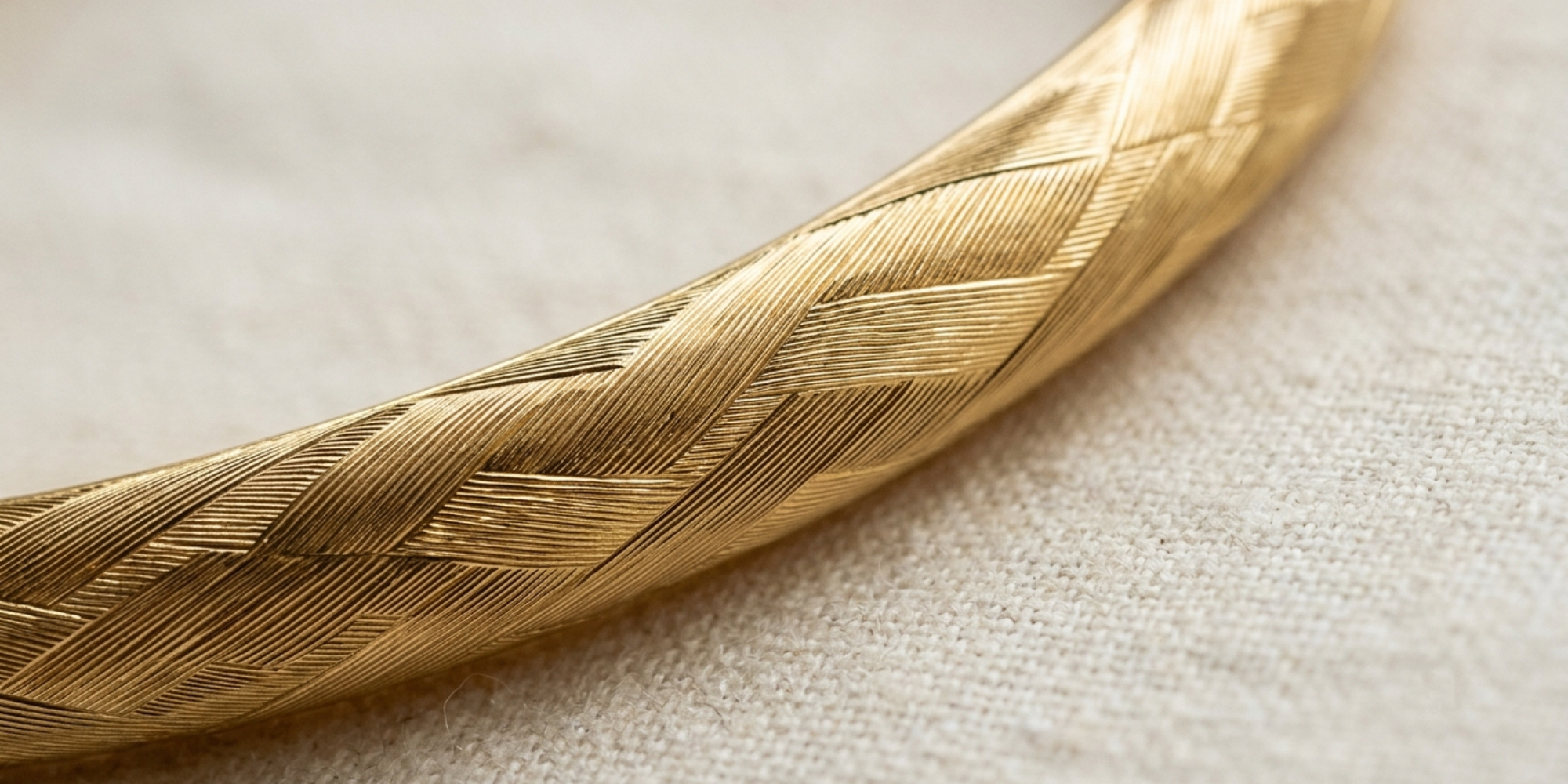
6. Modellato Rigato – Sculpting Gold Like Fabric
Buccellati is renowned for creating gold surfaces that resemble fine woven fabric.
One of its signature decorative techniques, often referred to as Modellato Rigato, uses carefully engraved parallel lines to create the illusion of silk or linen.
When light moves across the surface, the gold appears soft and textured rather than flat.
This artistic finish transforms solid gold into something that feels almost alive.
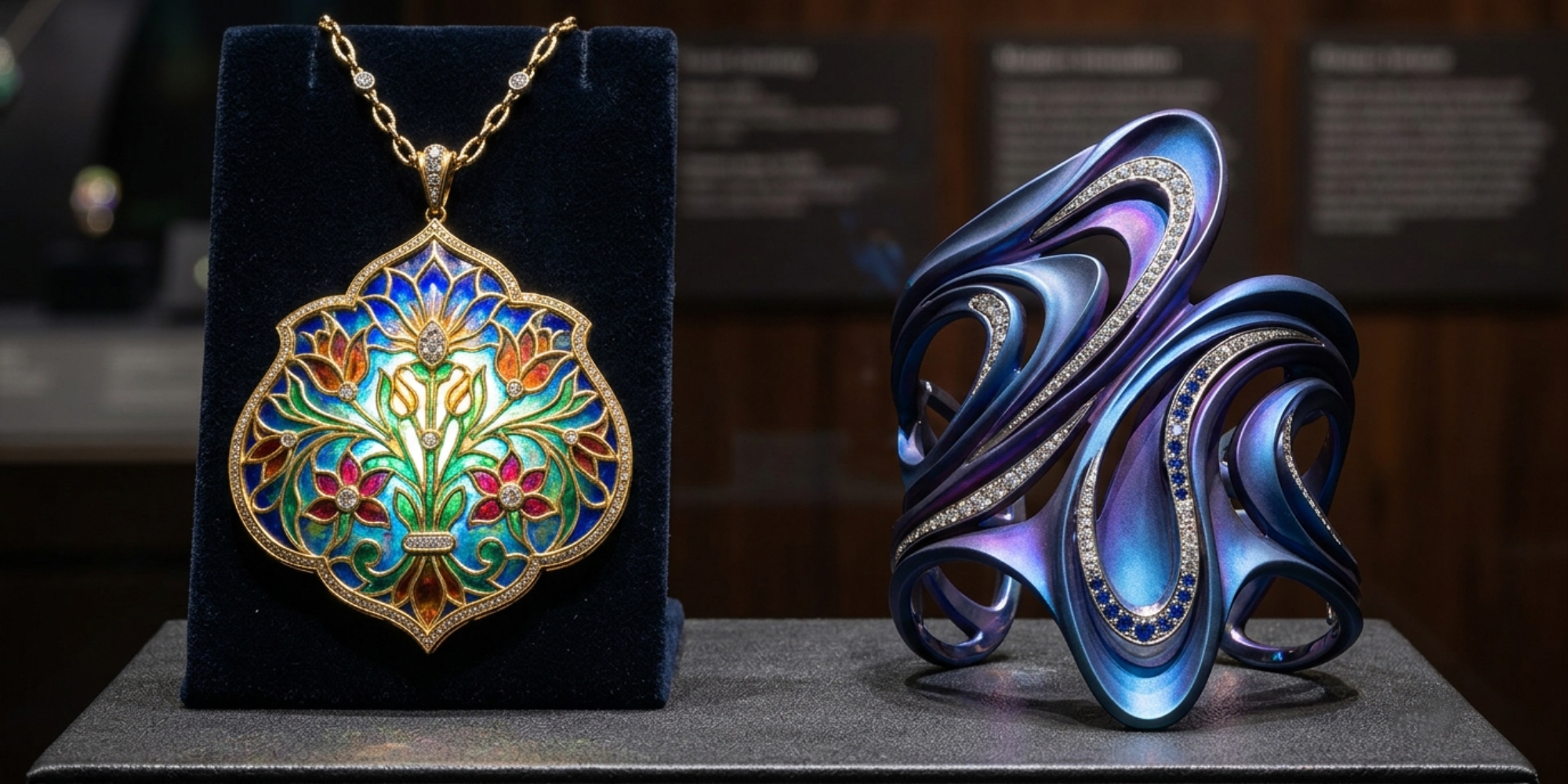
7. Plique-à-Jour – Stained Glass in Jewellery
The French technique Plique-à-jour is sometimes compared to miniature stained-glass windows.
Instead of placing enamel onto a metal backing, translucent enamel is suspended between delicate metal frameworks.
When light passes through, the colours glow beautifully from within.
The finished piece appears light, vibrant, and almost magical.
It is one of the most difficult enamelling techniques in jewellery because each section must survive repeated firing without breaking.
8. Titanium in High Jewellery – Innovation Meets Art
Traditional fine jewellery often uses gold or platinum.
Contemporary jewellery artist Wallace Chan has shown how titanium can become an extraordinary artistic material.
Titanium is remarkably strong while remaining much lighter than precious metals.
It also allows vibrant surface colours through advanced oxidation techniques.
The result is bold, sculptural jewellery that combines engineering with artistic imagination.
It demonstrates that innovation continues to shape the future of fine jewellery.
What Can We Learn from These Techniques?
Although most people will never own a museum-quality high jewellery masterpiece, these techniques teach us an important lesson.
The true value of fine jewellery is not determined only by:
- Diamond size
- Carat weight
- Metal purity
It is also determined by:
- Thoughtful engineering
- Skilled craftsmanship
- Attention to detail
- Hours of expert hand finishing
These invisible details influence how jewellery looks, feels, and lasts over time.
How Her Crown Approaches Craftsmanship
At Her Crown, we believe craftsmanship should never be overlooked.
While our designs embrace modern simplicity, every ring is created with the same philosophy shared by the world’s finest jewellery houses:
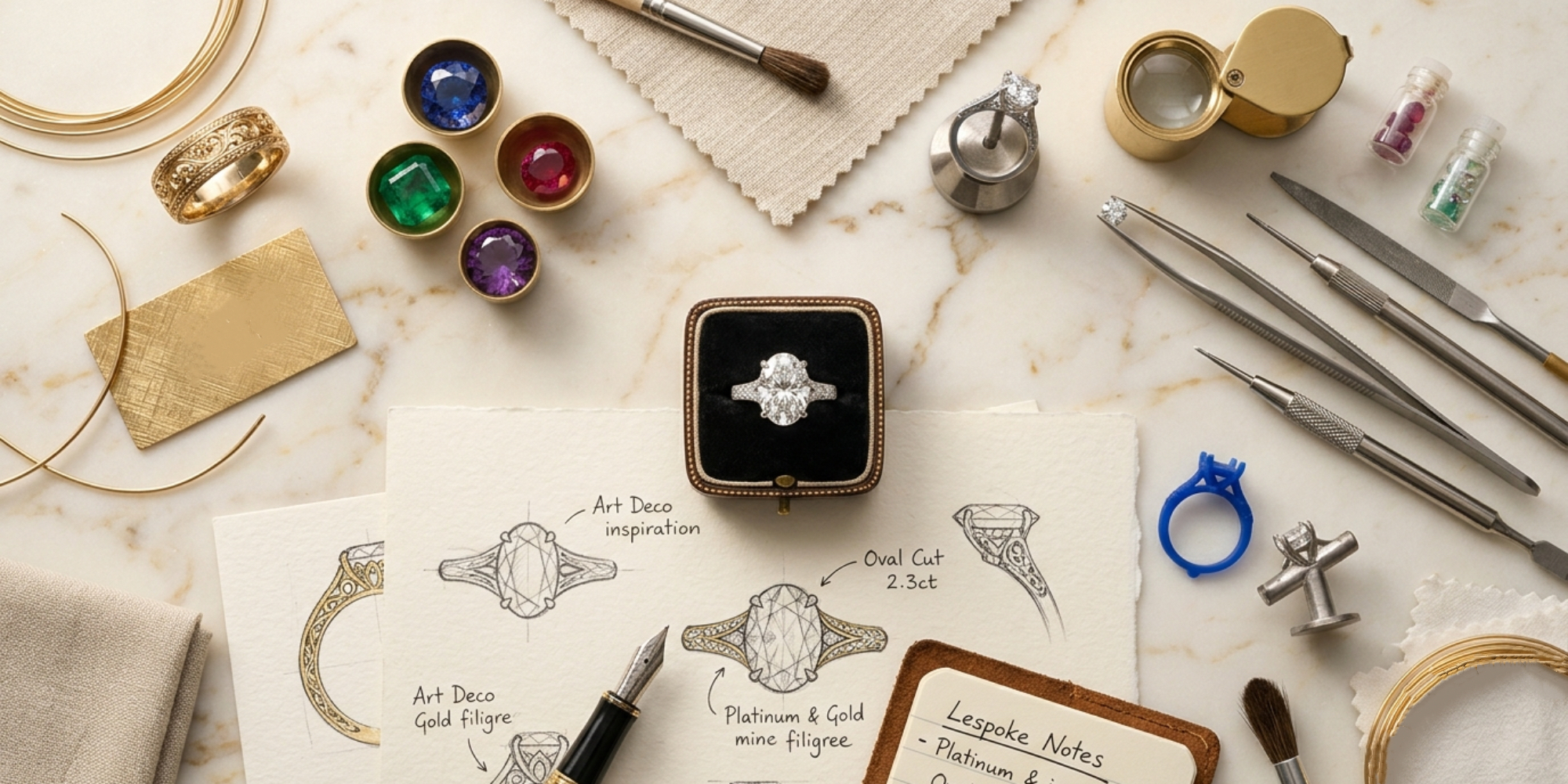
From Diamond Selection to Bespoke Craftsmanship
1. Select
We hand-select diamonds according to their individual visual qualities, not solely their grading specifications.
2. Design
The setting is considered in relation to the diamond’s shape, proportions and intended presence on the hand.
3. Refine
Design details are reviewed and refined before craftsmanship begins.
4. Craft
The selected diamond and setting are brought together with attention to proportion, structure, security and finishing.
5. Review
Before dispatch, the completed piece is carefully reviewed so the client can see the finished craftsmanship.
Her Crown Craftsmanship Guarantee
Final Thoughts
The world’s most admired jewellery houses remind us that true luxury is rarely about excess.
It is about precision.
Patience.
Creativity.
And an unwavering commitment to craftsmanship.
At Her Crown, this philosophy extends from the diamond we choose to the final detail of the setting.
A certificate can describe a diamond. A design can define its silhouette. But craftsmanship is what brings the two together.
Explore more about Why Are Lab Grown Diamond Rings Different Prices