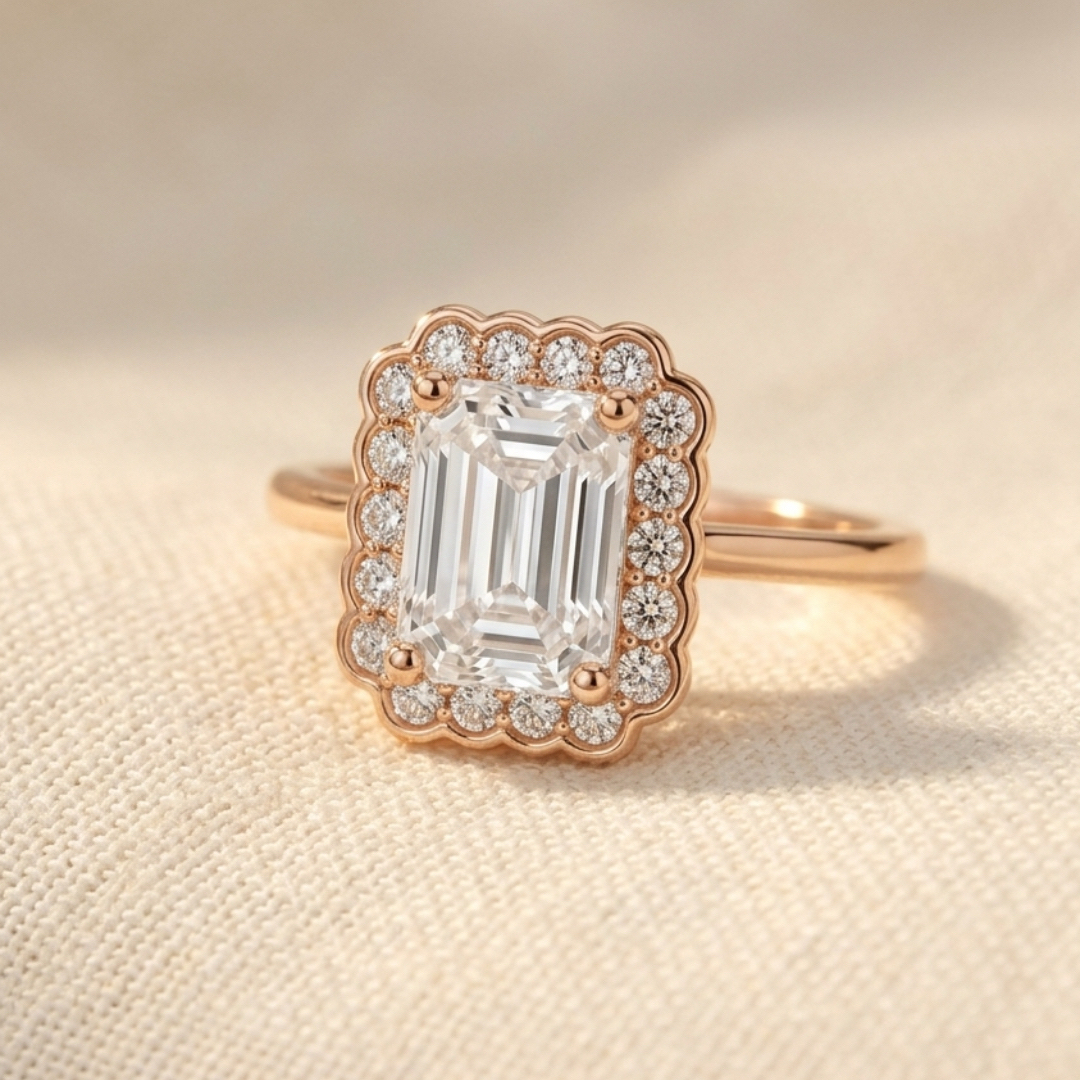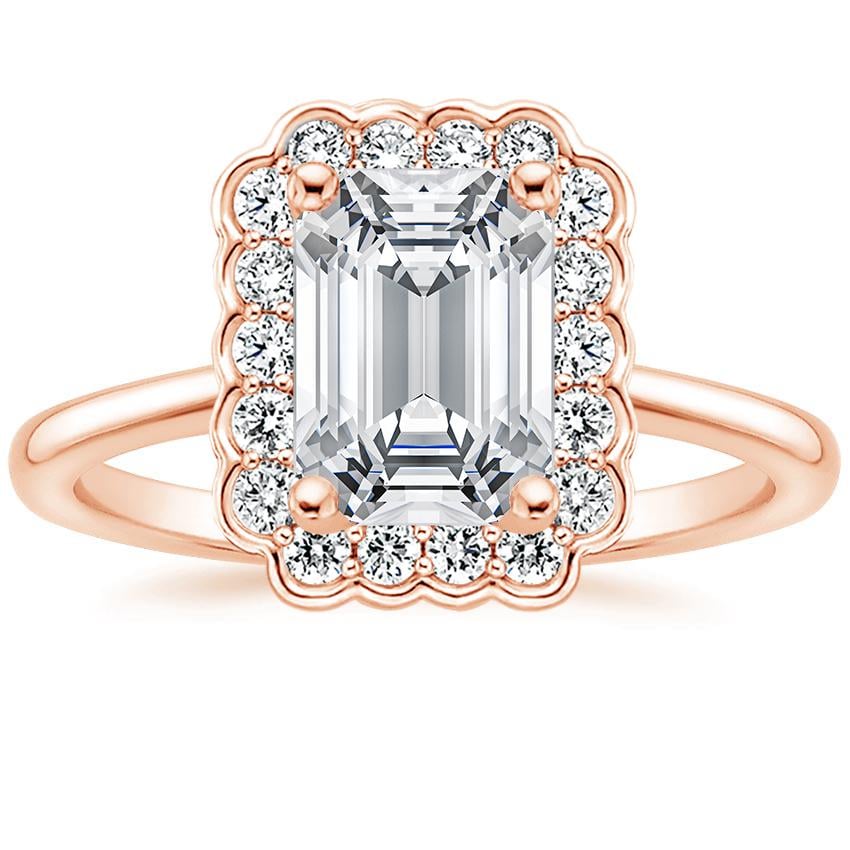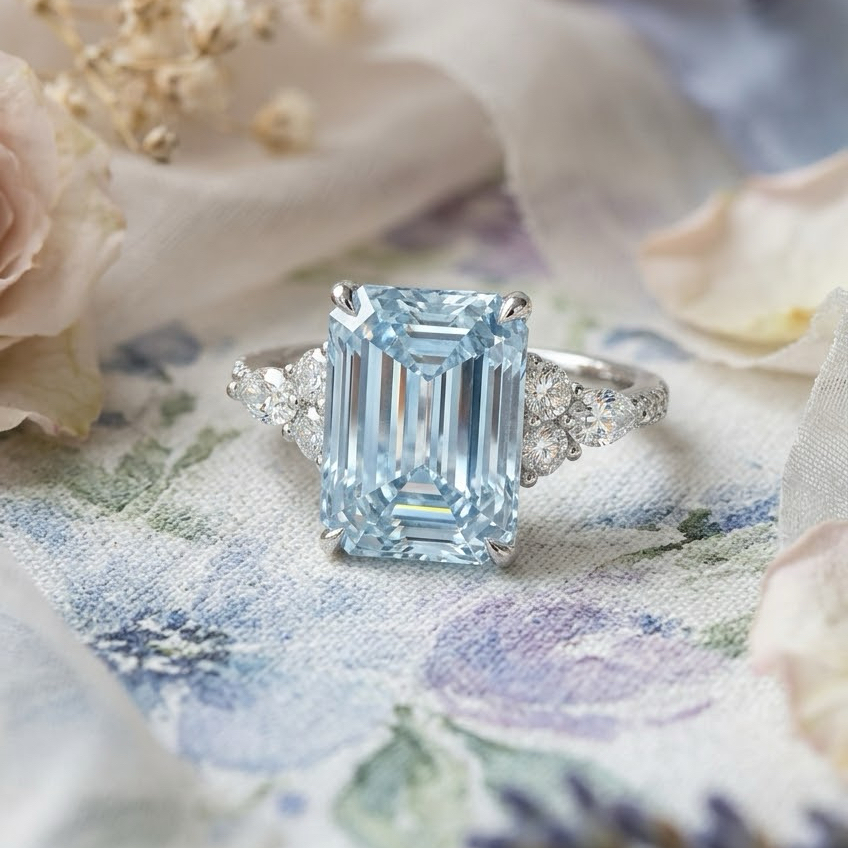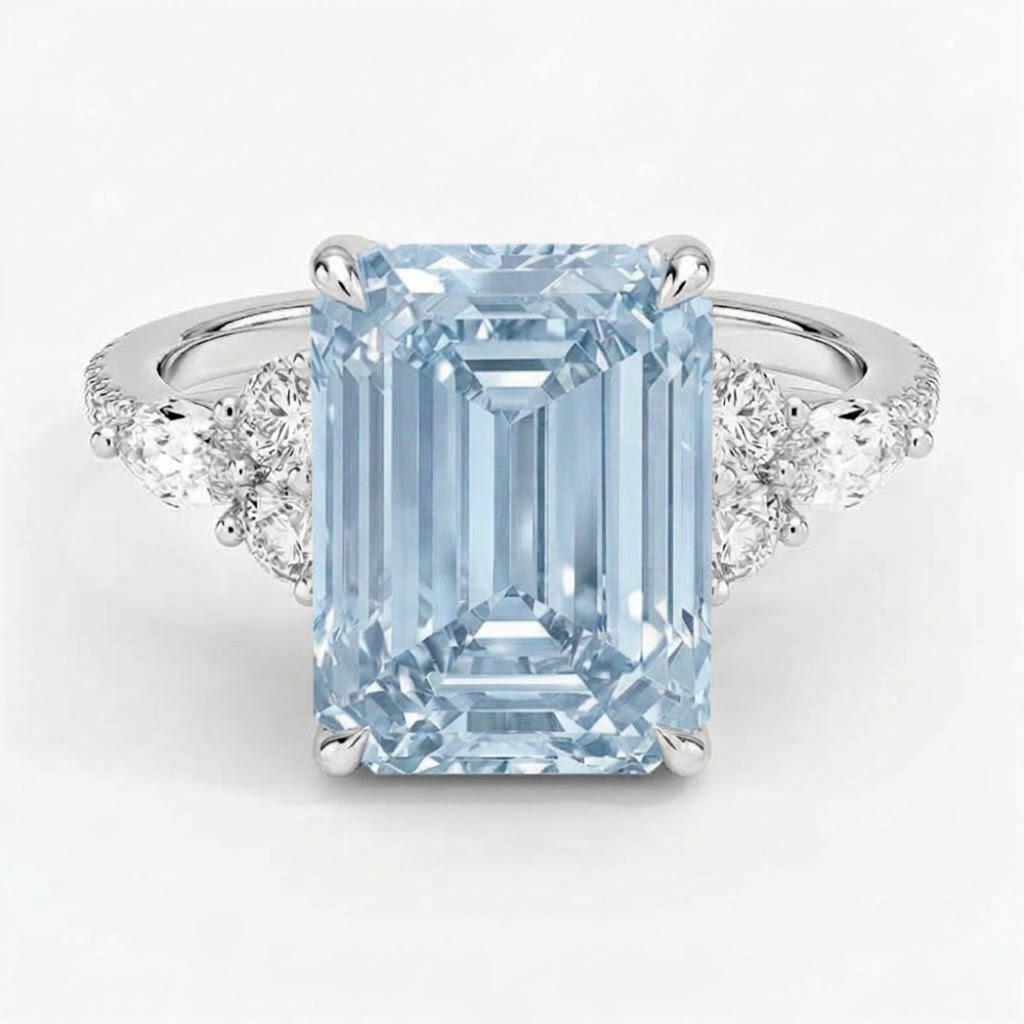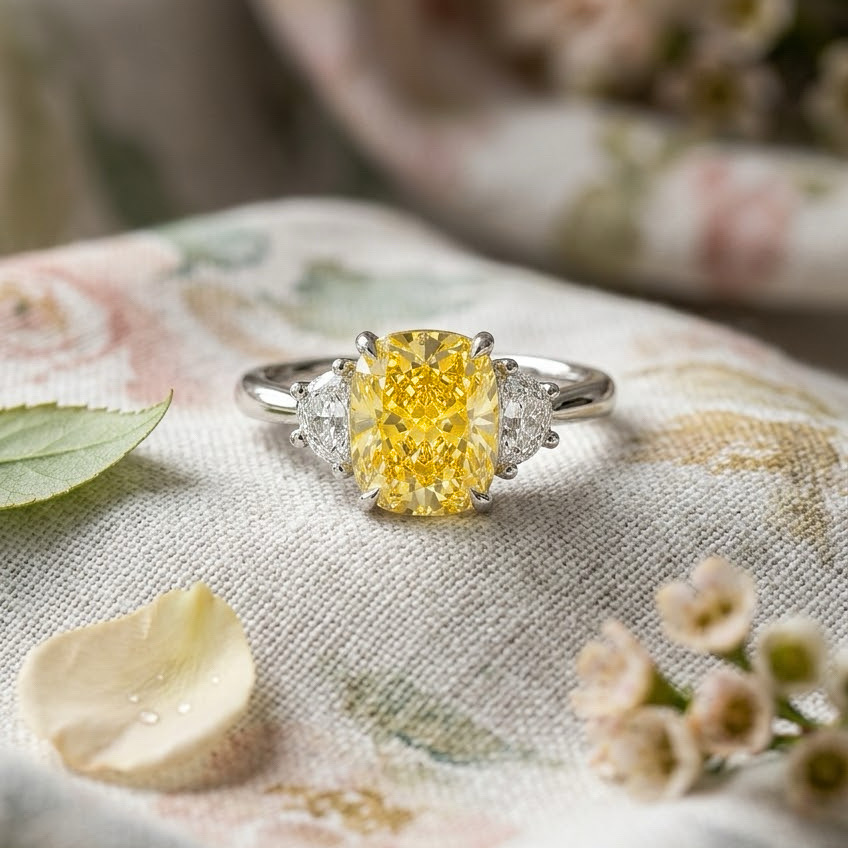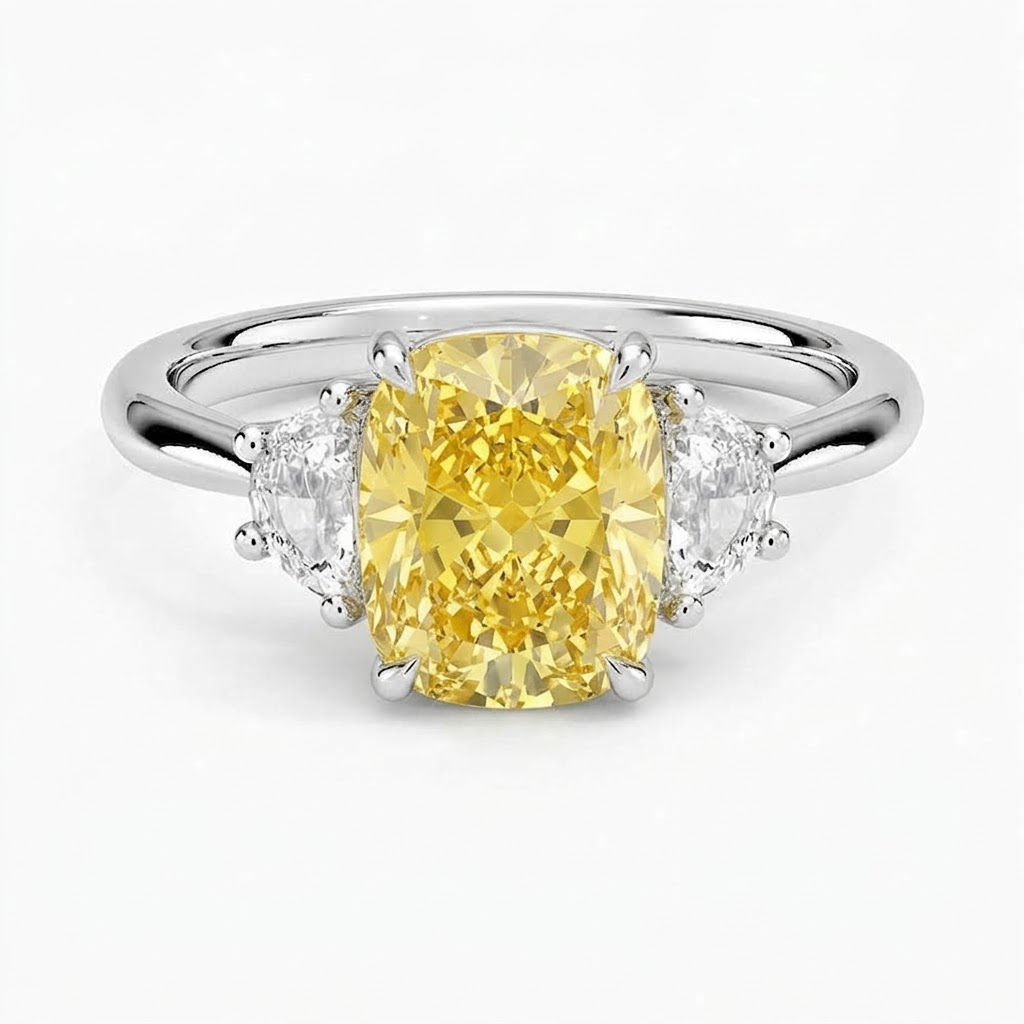
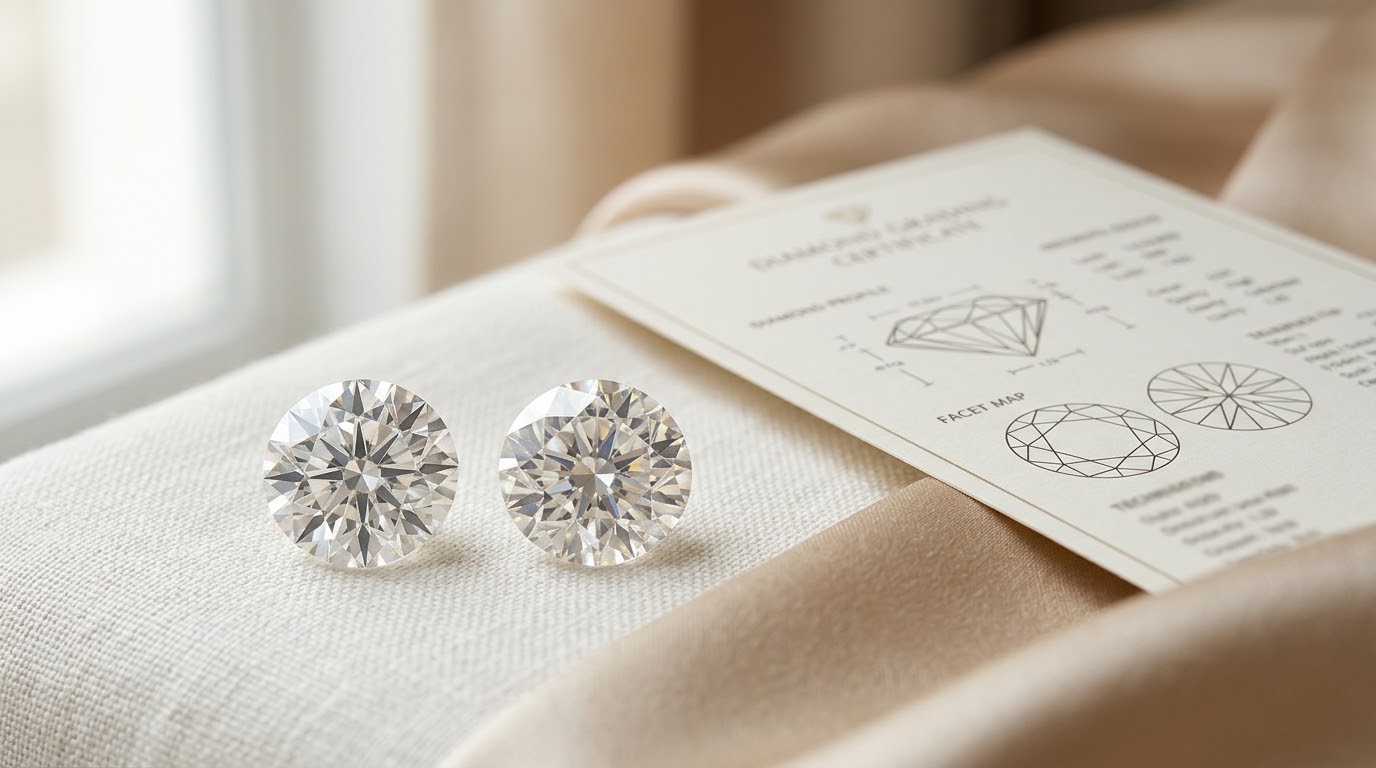
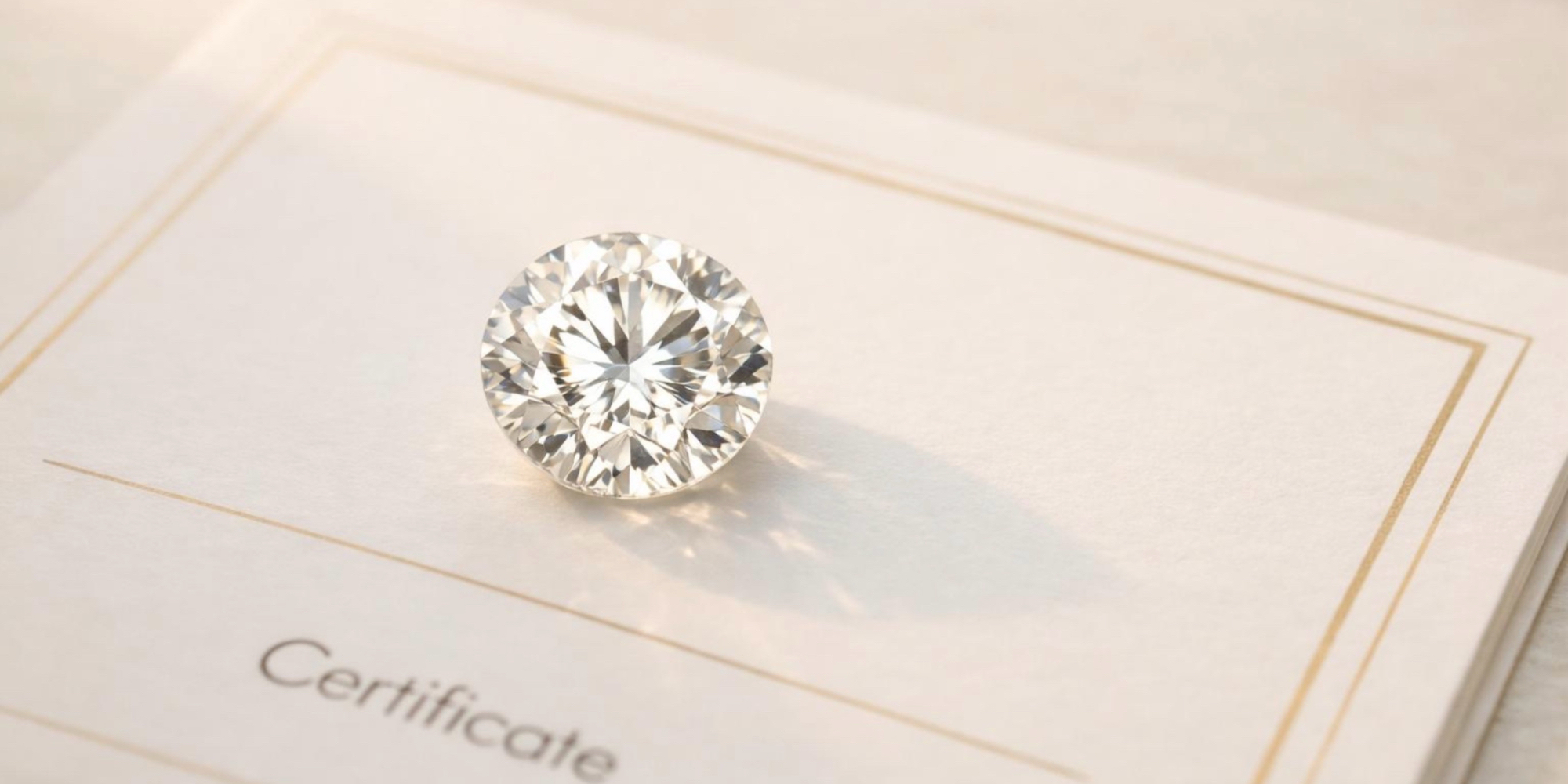
When choosing a lab-grown diamond, it is natural to begin with the 4Cs: carat, colour, clarity and cut. A diamond certificate, such as an IGI report, provides important information and an essential foundation for comparison.
But what happens when two diamonds appear to have almost identical specifications—and yet one looks noticeably more beautiful, brighter or more balanced than the other?
This is where same certificate, different diamond becomes an important idea to understand.
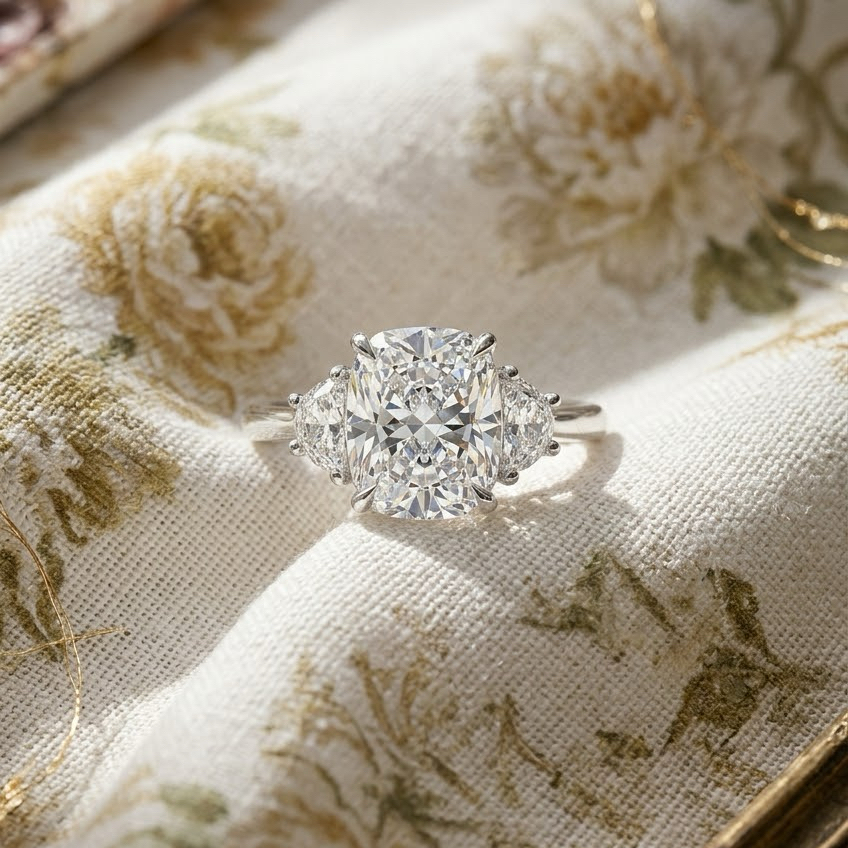
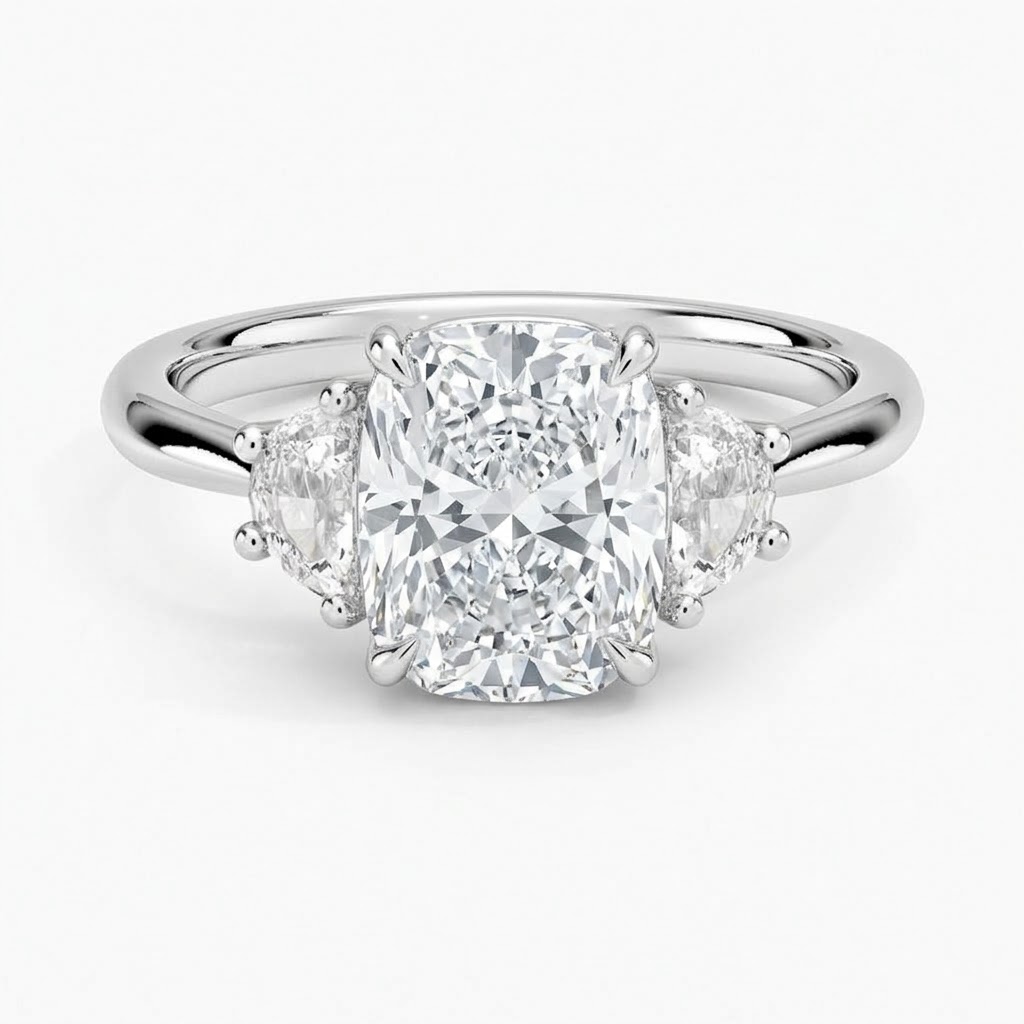
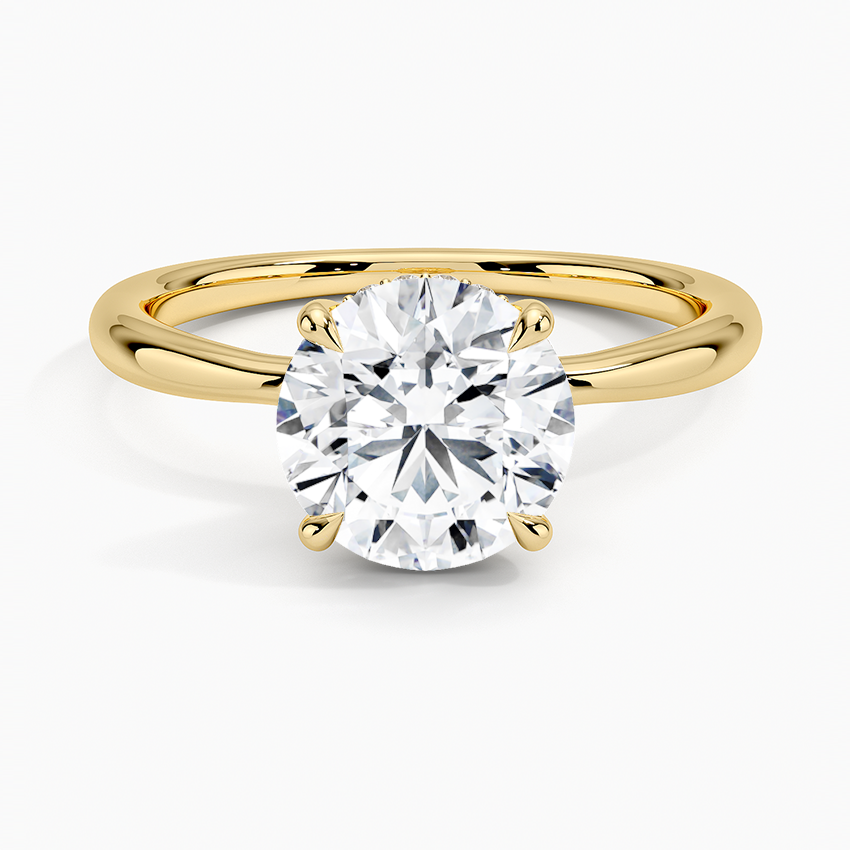
Two diamonds can have similar carat weight, colour, clarity and grading information while still differing in proportion, symmetry, light performance and overall visual character. The certificate describes important measurable characteristics, but it cannot completely describe how every diamond will look to your eyes.
Why Can Two Diamonds With Similar Specifications Look Different?
A diamond is more than a list of numbers.
Its proportions determine how light enters, travels through and returns from the stone. Small differences in table size, depth, angles and symmetry can influence brightness, contrast and sparkle.
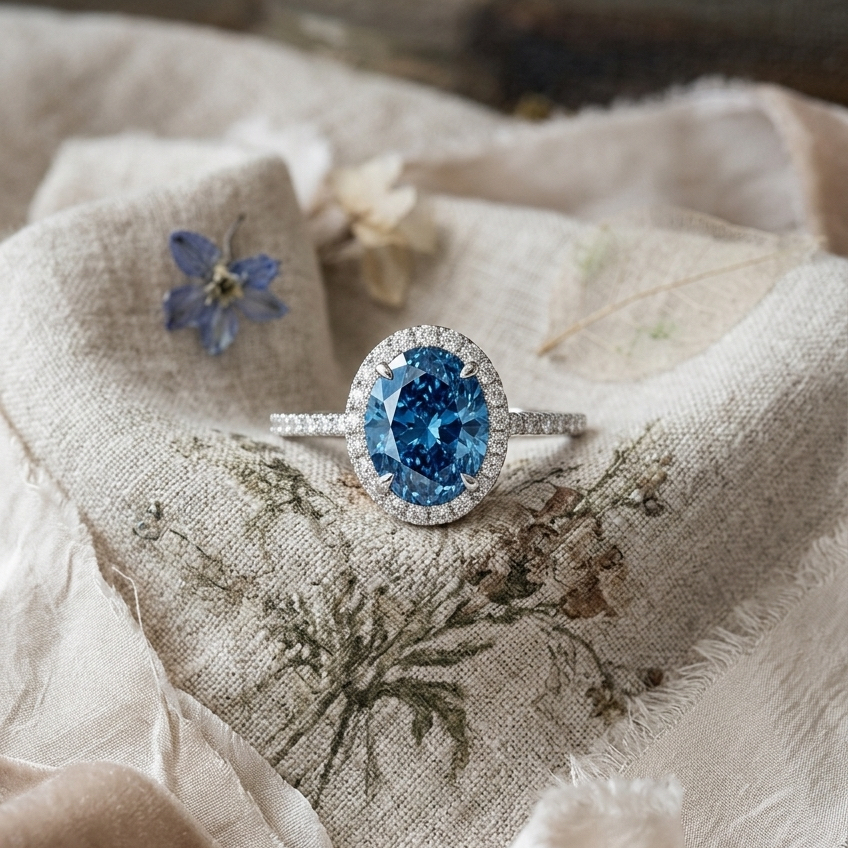
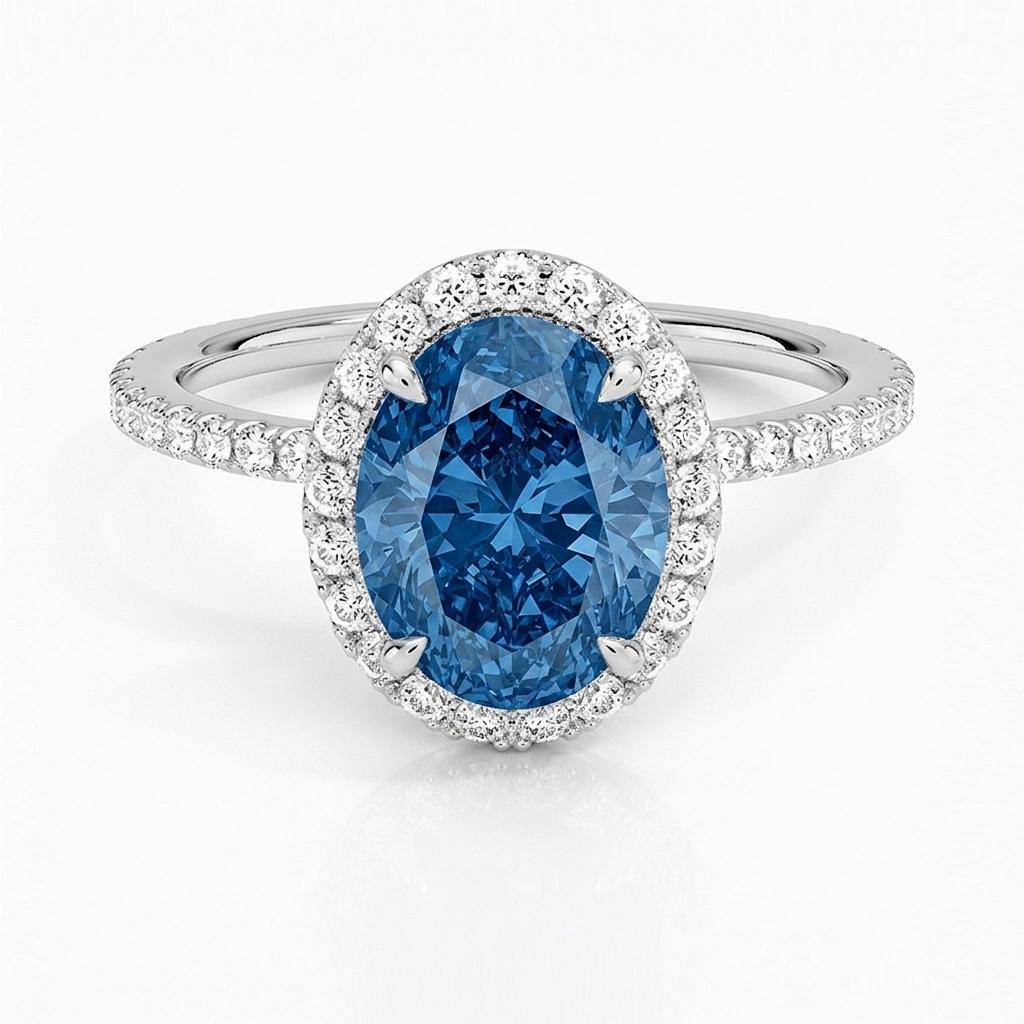
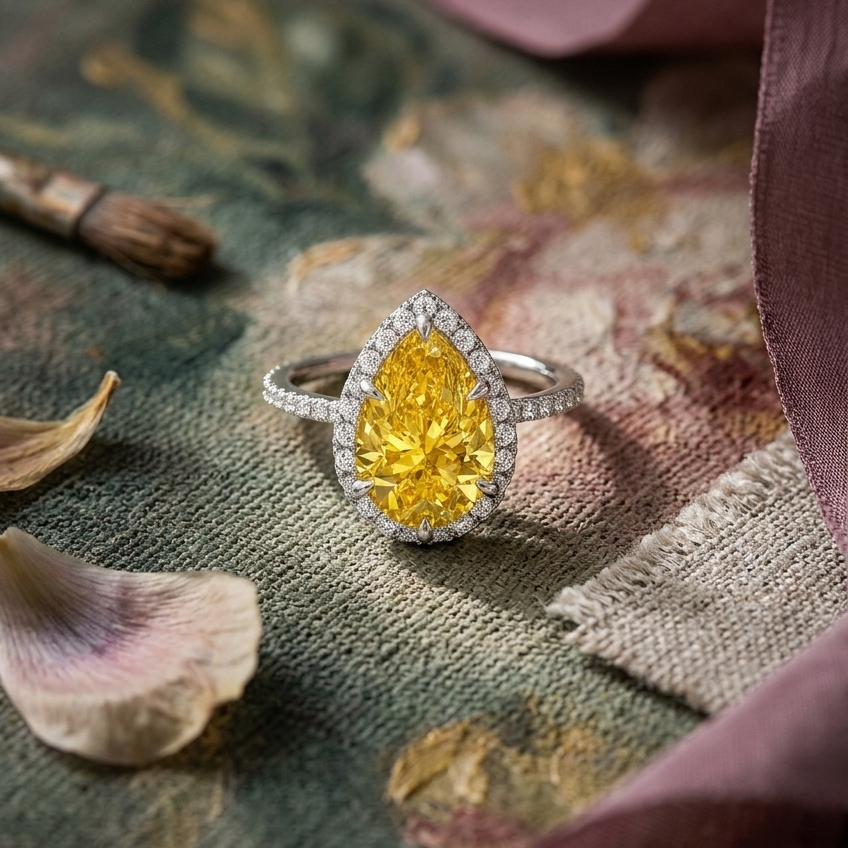
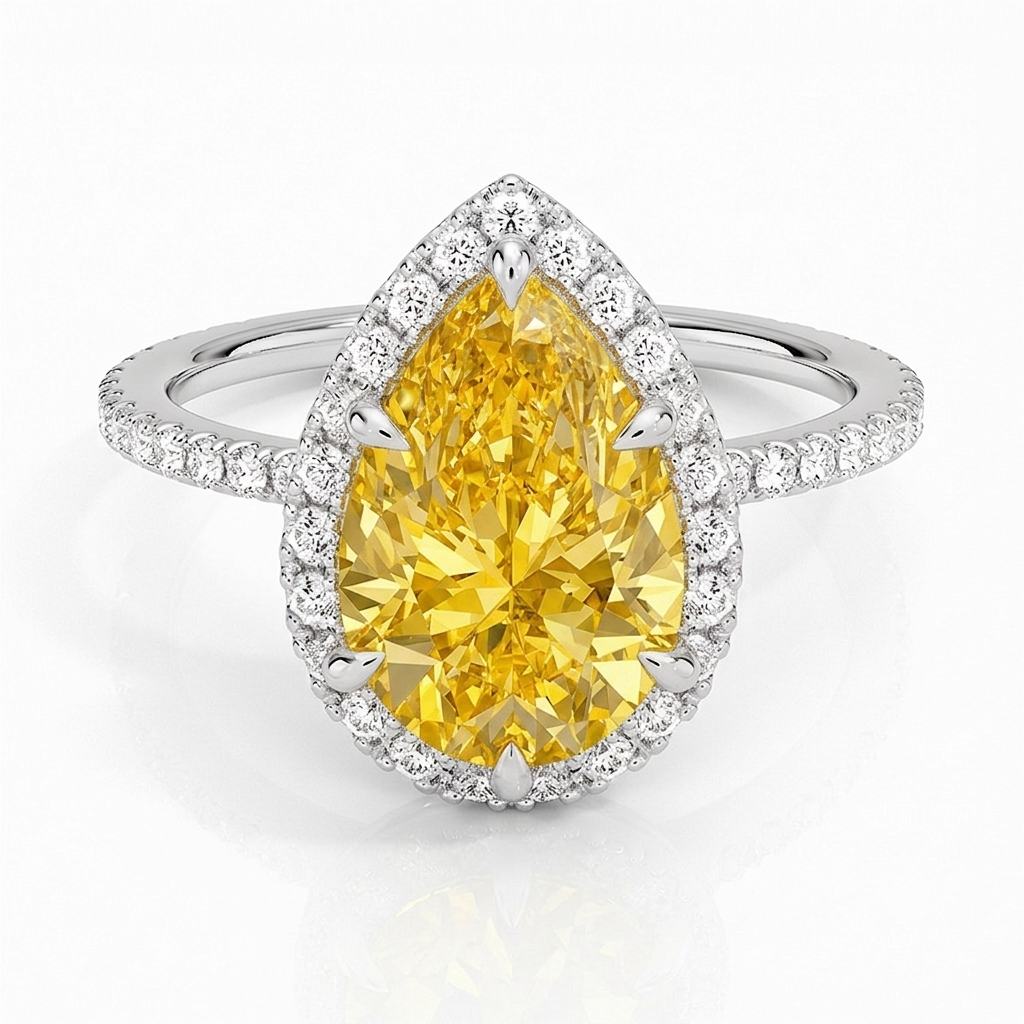
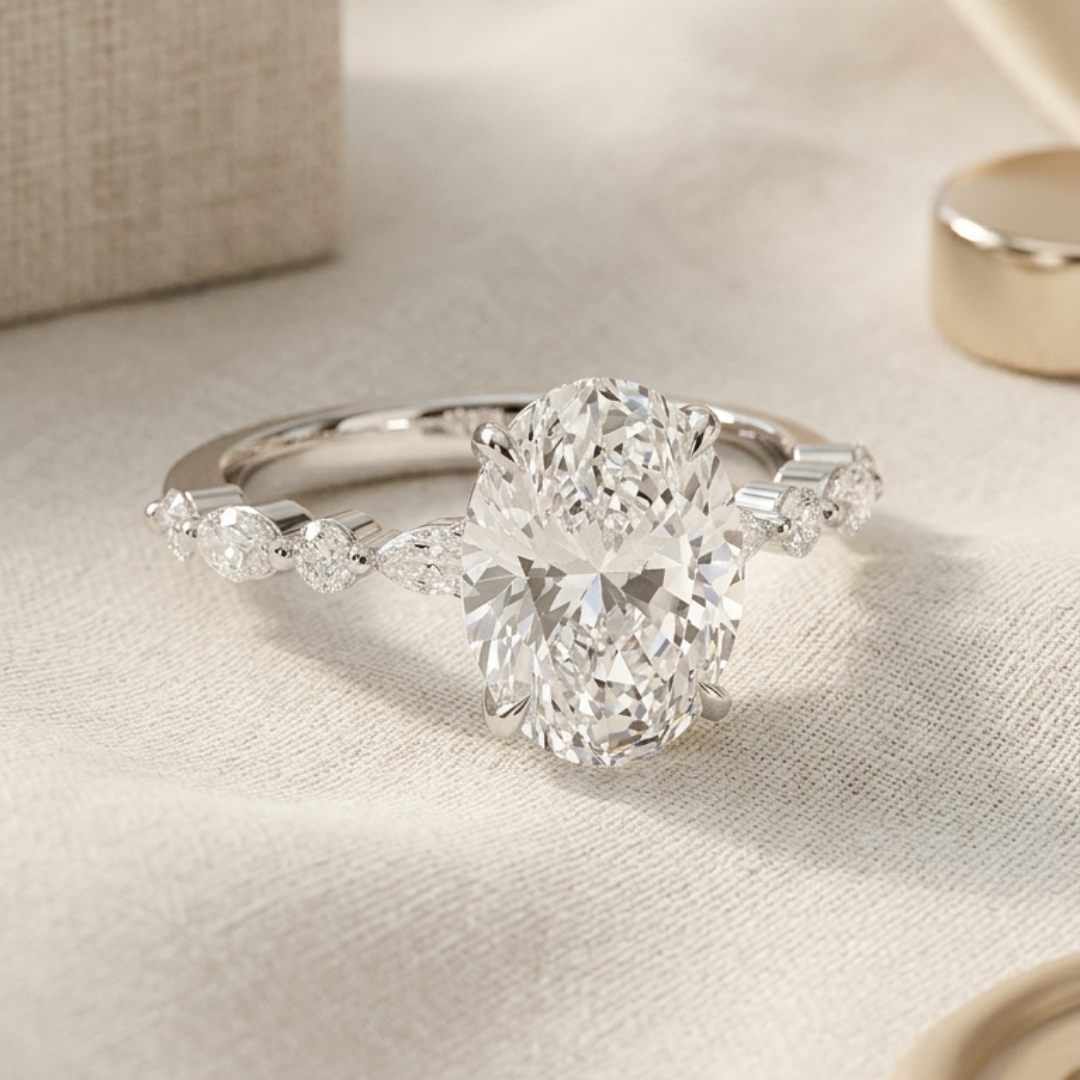
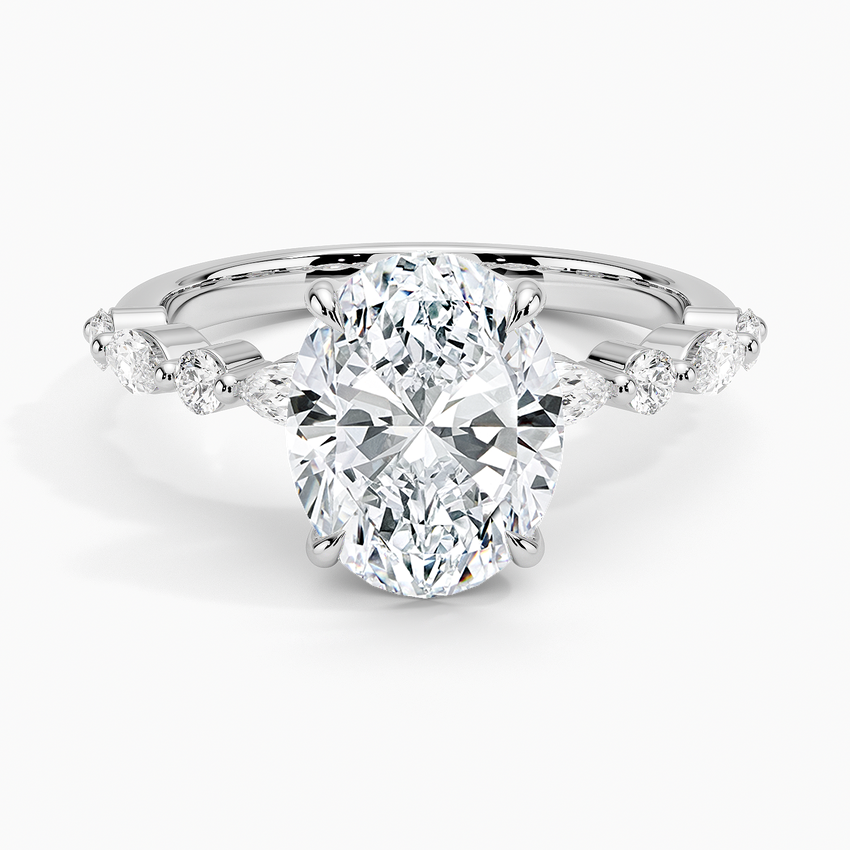
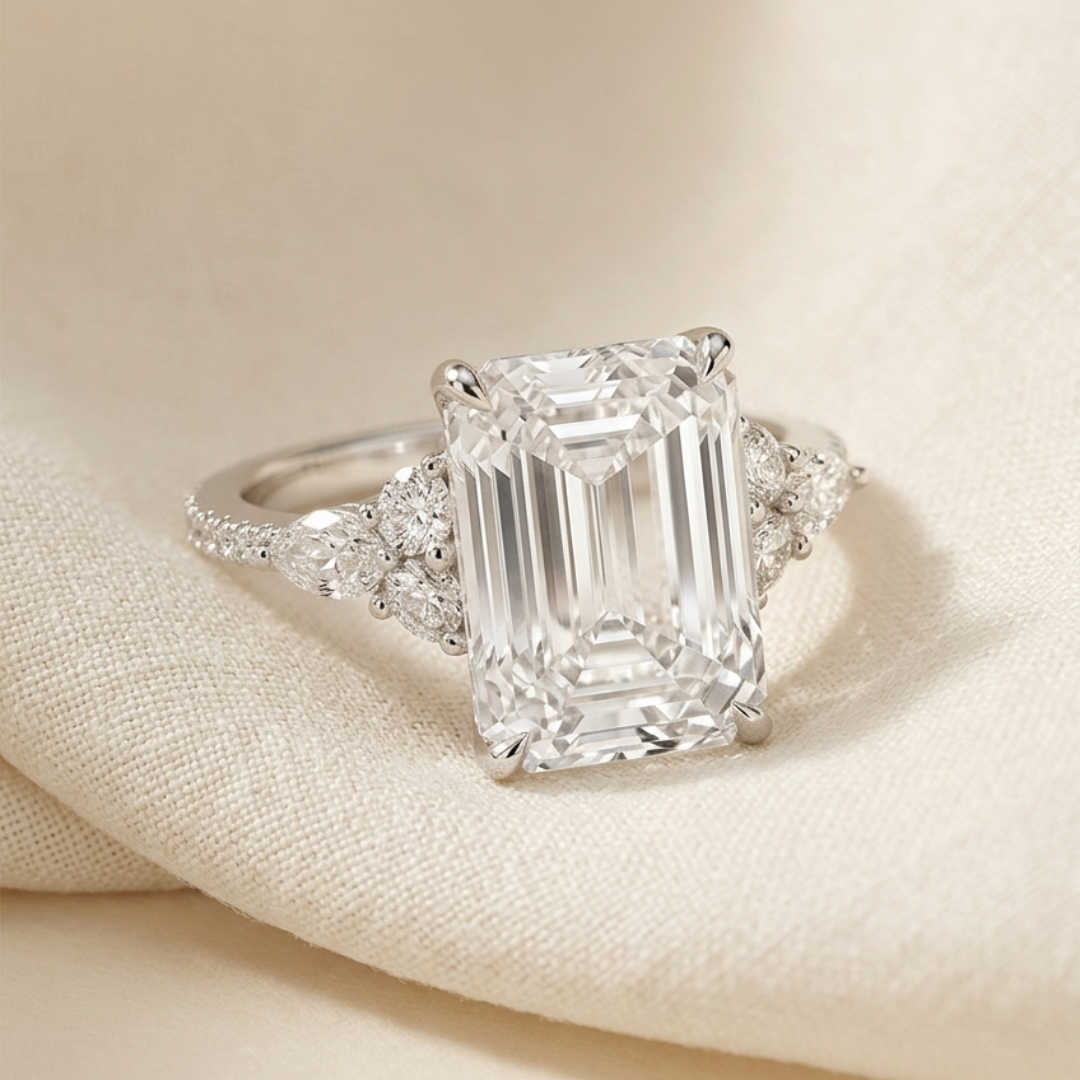
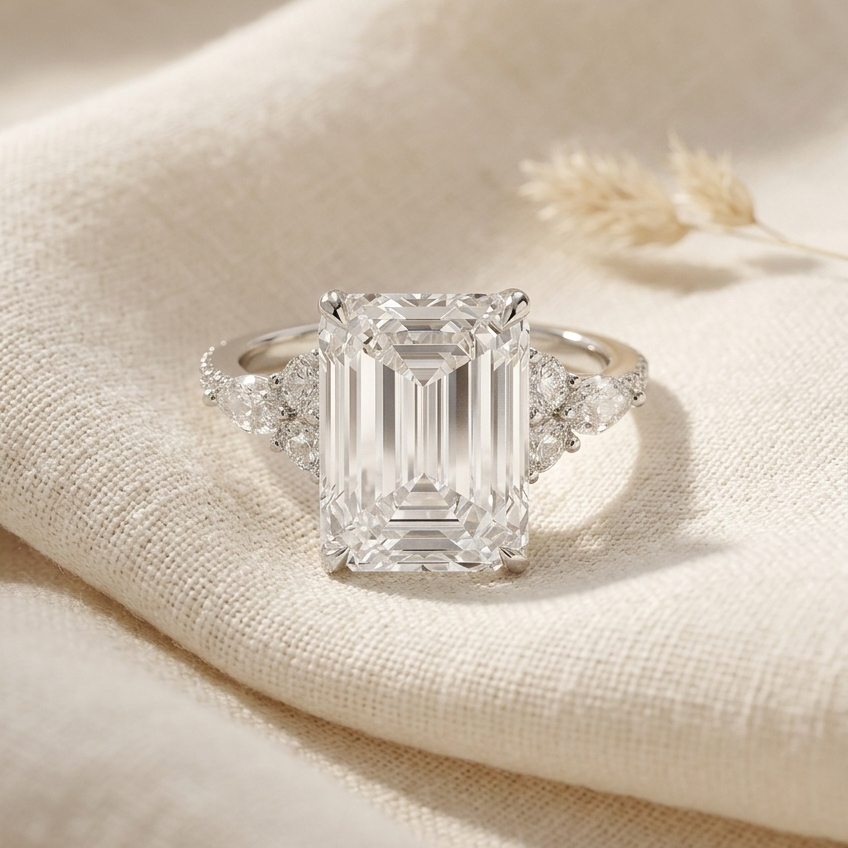
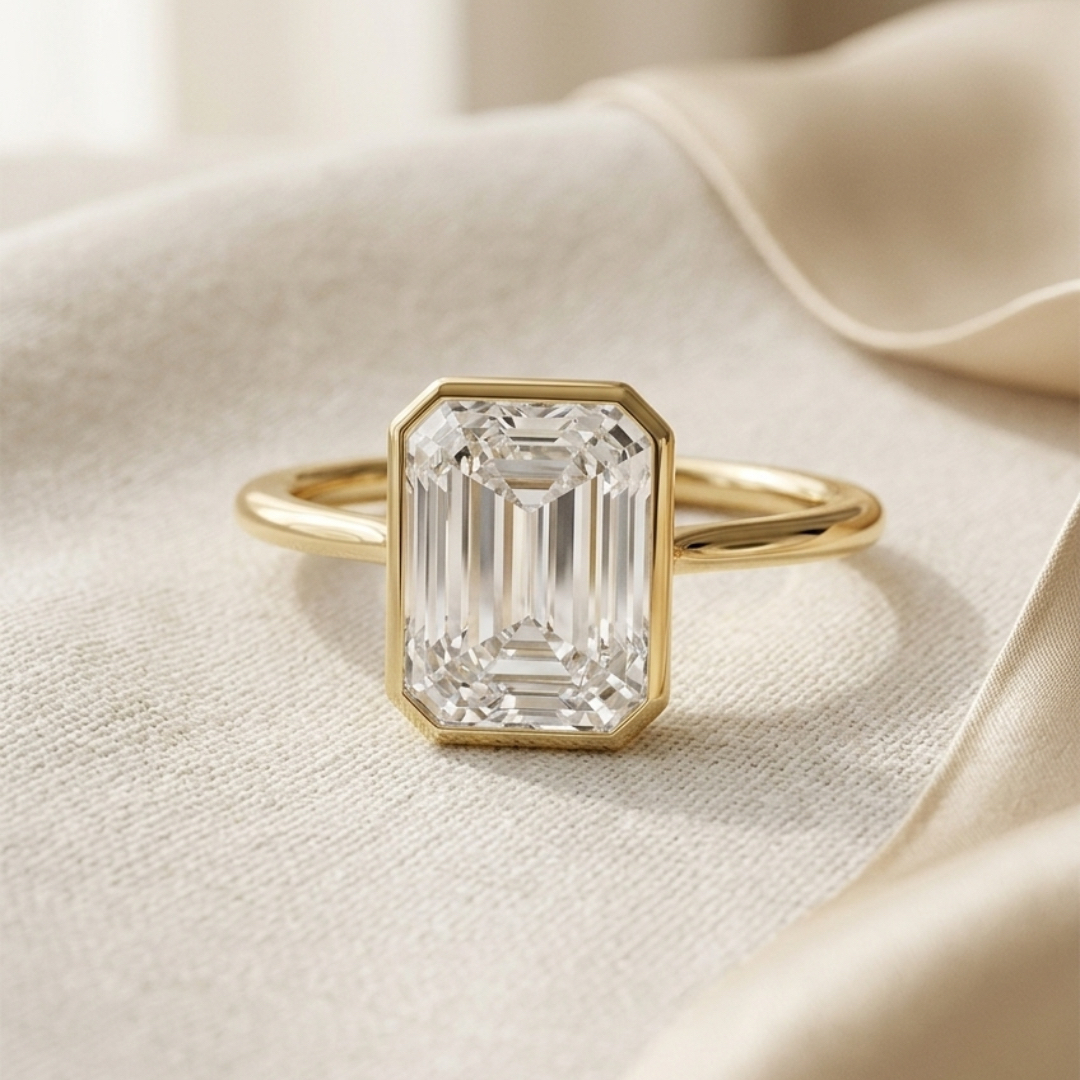
This becomes particularly important with fancy shapes such as oval, pear, radiant and cushion diamonds, where there is often more variation in how individual stones are cut.
For this reason, comparing diamonds only by carat, colour and clarity can leave out part of the picture.
Why Are Lab Grown Diamond Rings Different Prices?
What Should You Look Beyond the Certificate?
1. Proportion
Table and depth percentages provide useful information, but they should be considered together with the diamond’s shape and overall balance.
Two diamonds with the same carat weight can have different dimensions and face-up appearances because their proportions are different.
For fancy shapes, there is rarely one number that automatically defines a beautiful diamond.
How We Define “Ideal Cut” for Fancy Shape Diamonds
2. Symmetry
Symmetry affects how balanced a diamond appears.
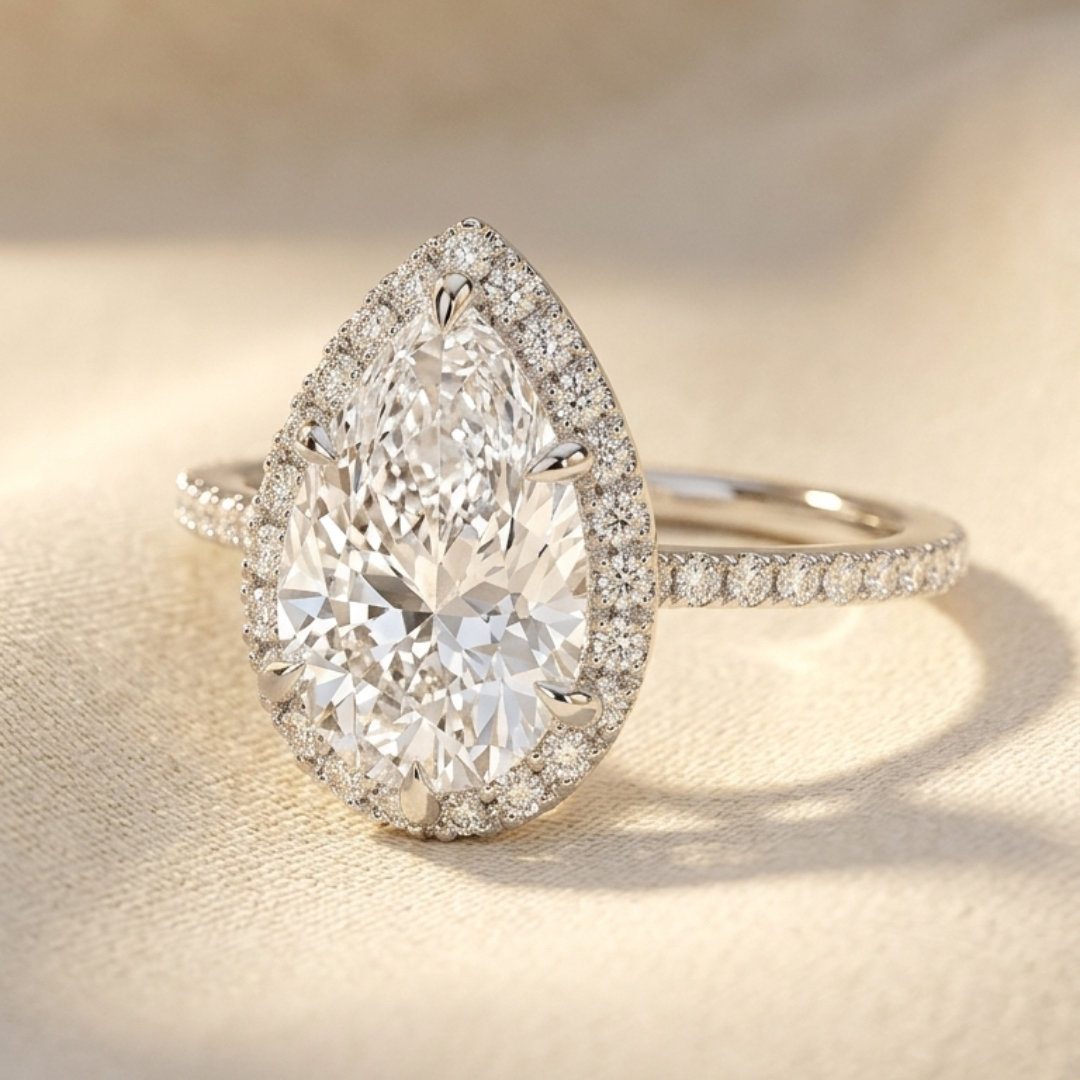
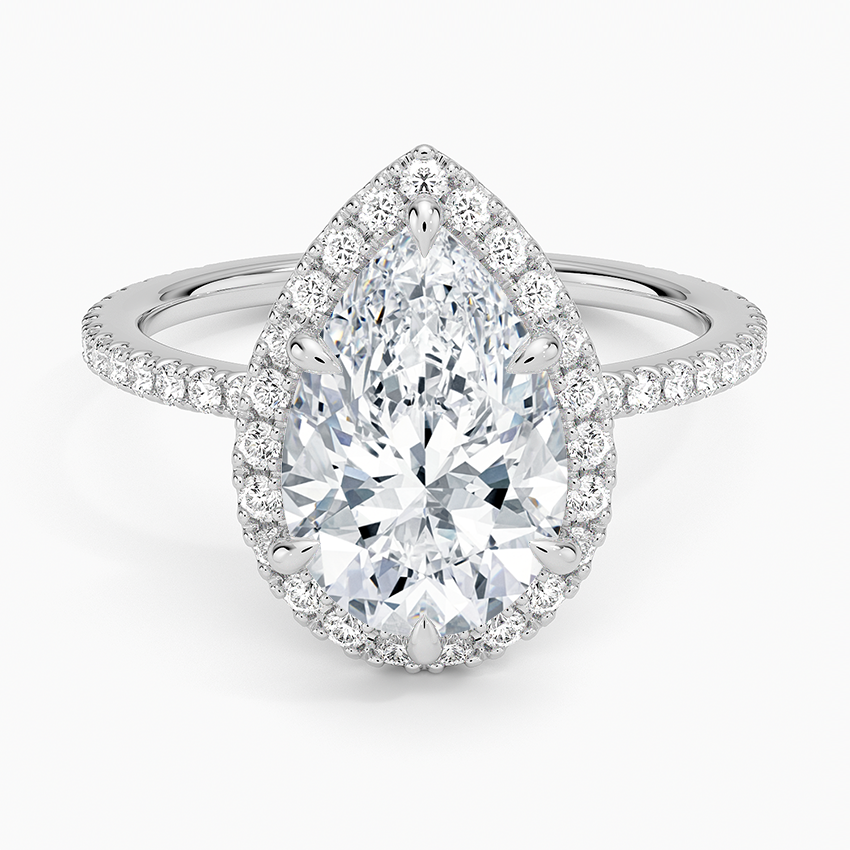
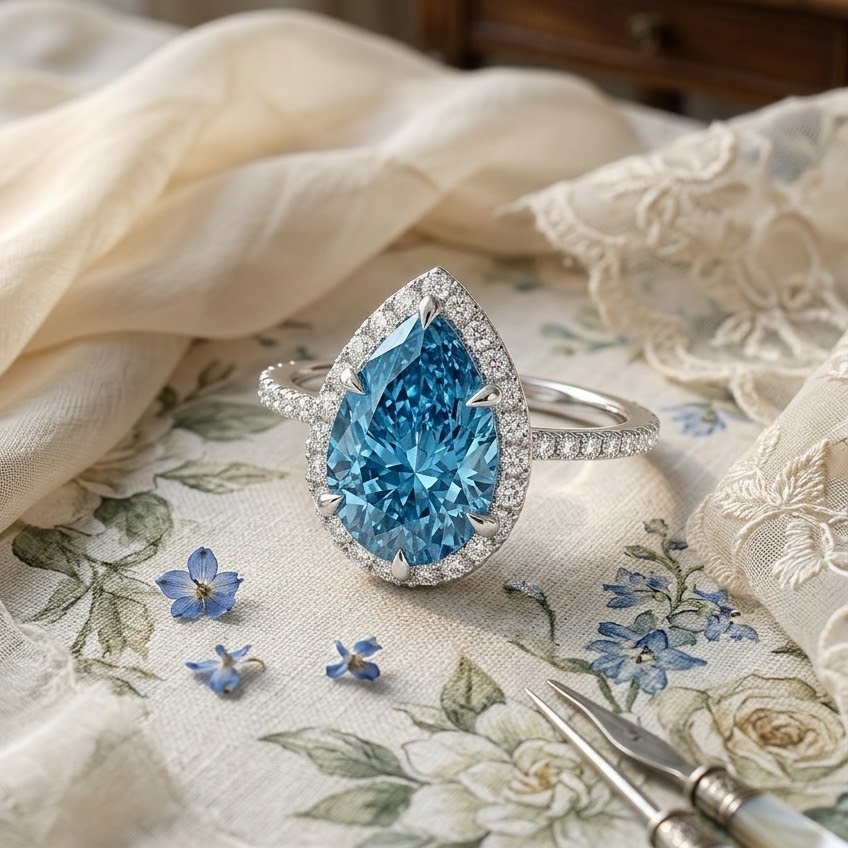
For shapes such as ovals and pears, symmetry can be especially noticeable because the outline is an important part of the stone’s beauty. An asymmetrical outline may affect the overall impression even when the certificate specifications look similar.
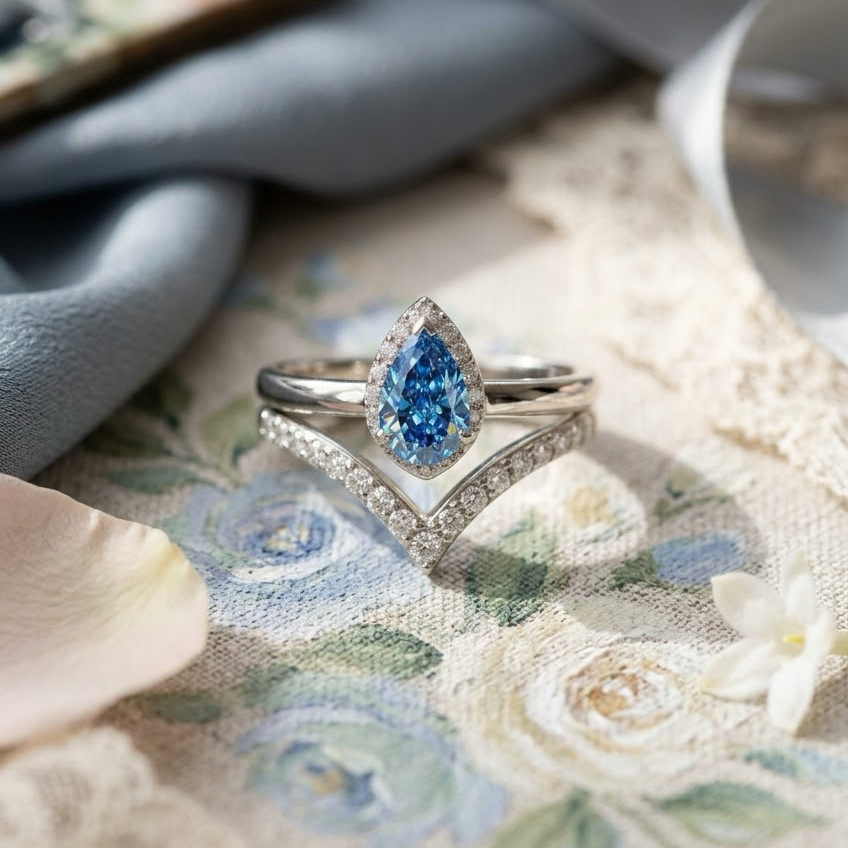
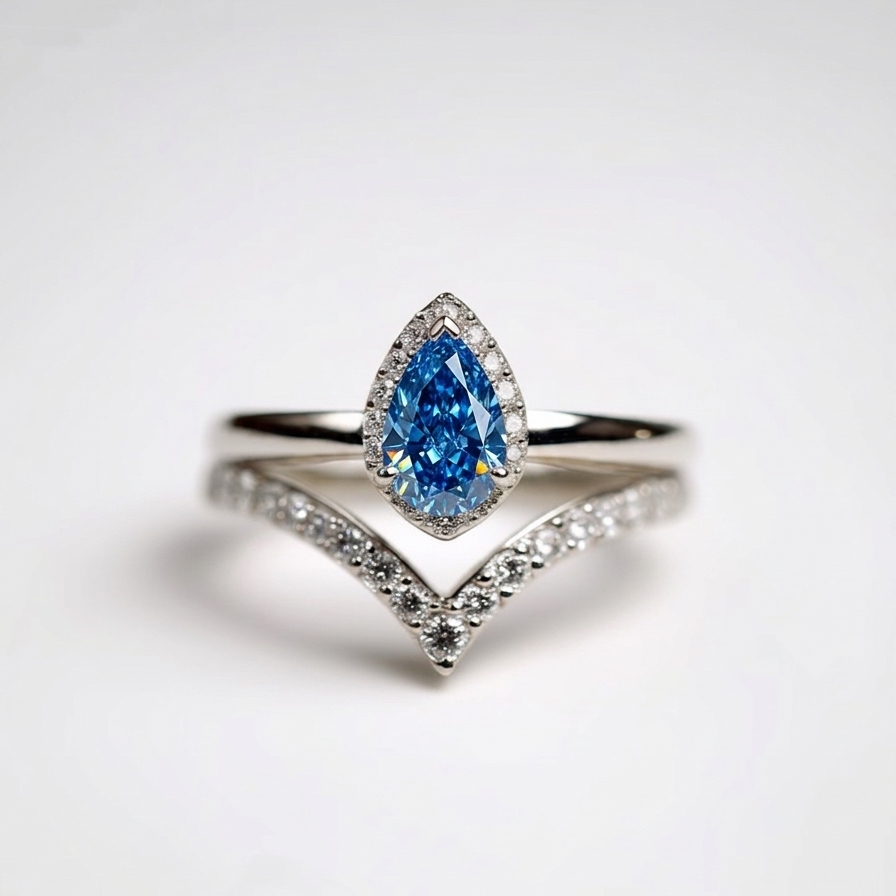
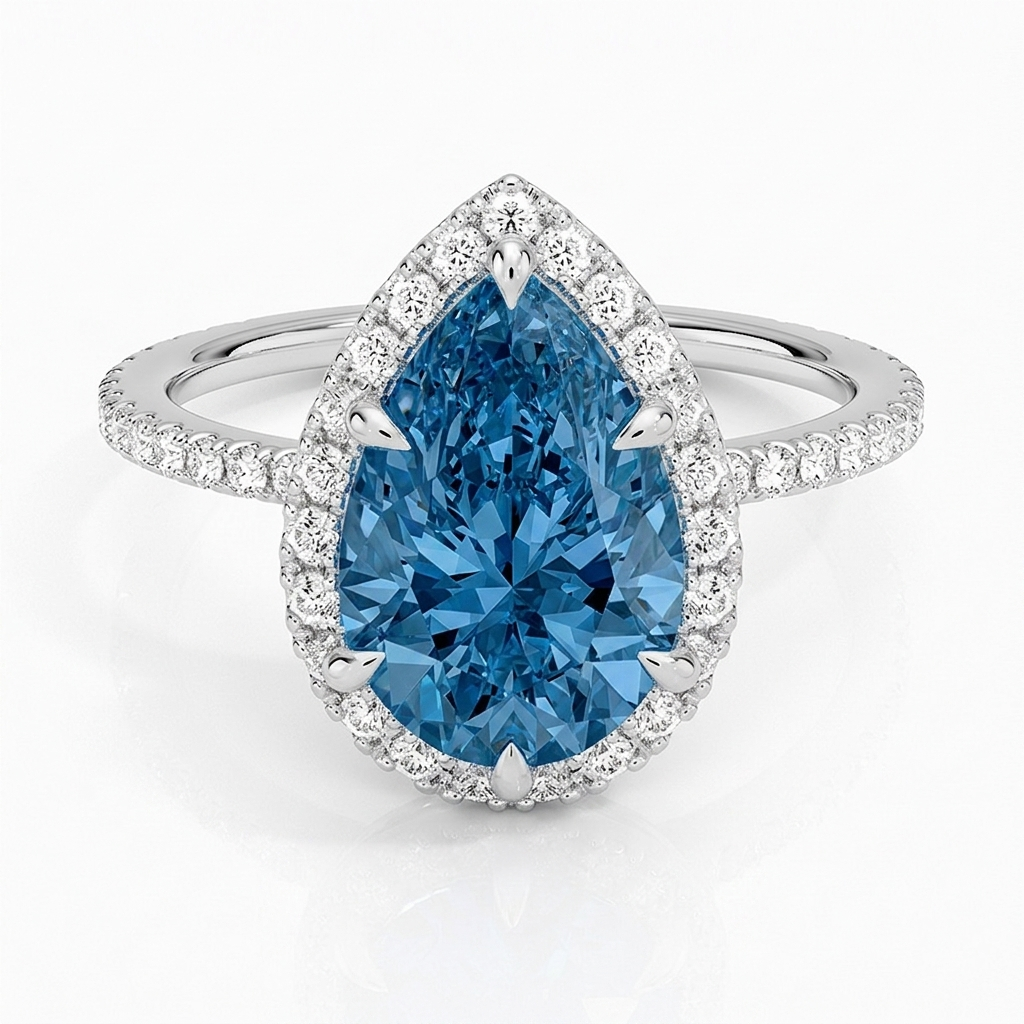
Explore Pear Cut Diamond Rings
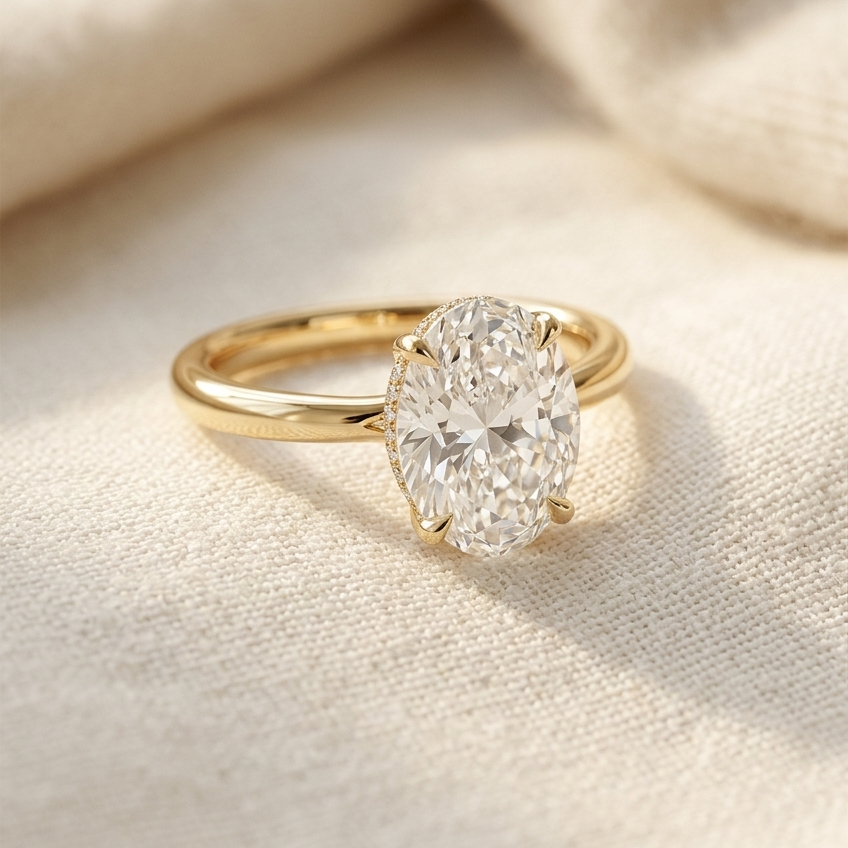
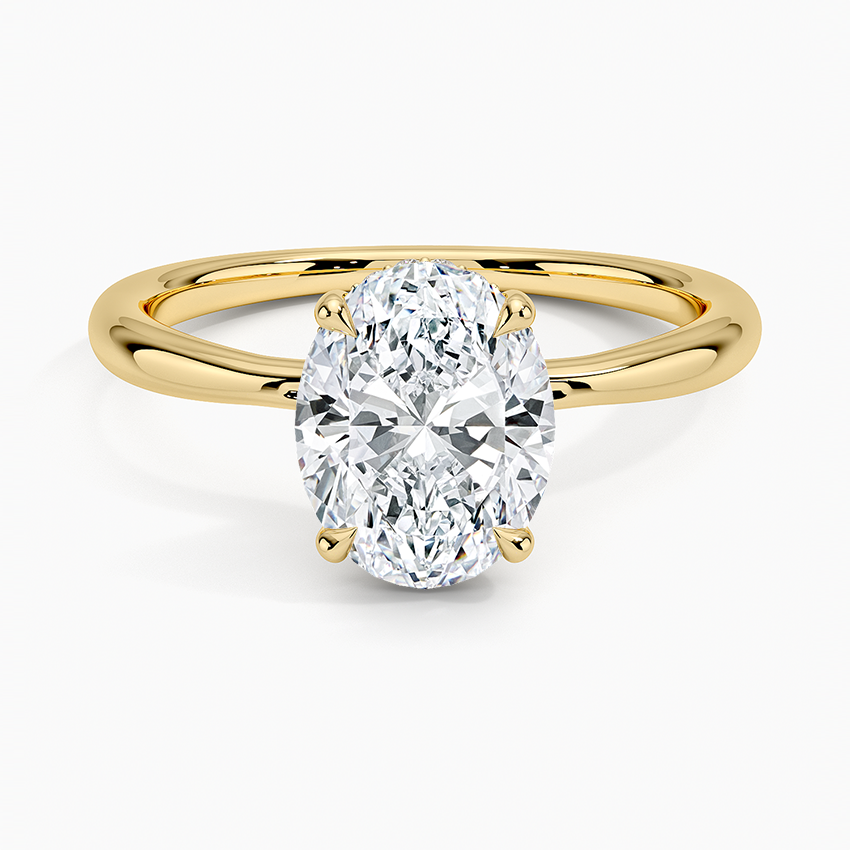
Explore Oval Cut Diamond Rings
3. Light Performance
A beautiful diamond should interact with light beautifully.
Look for brightness, sparkle and a balanced pattern of light and contrast. Poorly balanced proportions can contribute to areas that appear darker or less lively.
This is one reason photographs and videos of the actual diamond can be so useful when shopping online.
4. Bow-Tie and Window Effects
Some diamond shapes have characteristics that require closer visual attention.
Oval and pear diamonds, for example, can display a bow-tie effect, where a darker band appears across the centre of the stone. A subtle bow-tie can be part of a beautiful diamond’s character, while a strong one may affect its visual performance.
Some fancy shapes can also show areas where light passes through rather than returning effectively to the viewer, sometimes described as a window effect.
These characteristics are difficult to understand from a certificate alone.
For more detail, see our guide about:
5. Eye-Cleanliness
Clarity grades are useful, but a clarity grade does not always tell you exactly how a diamond will look to the naked eye.
Two diamonds with the same clarity grade can have inclusions in different locations, sizes or patterns.
For a jewellery piece designed to be worn and admired every day, what matters is not only the grade on paper, but how the actual stone appears.
6. Subtle Colour Characteristics
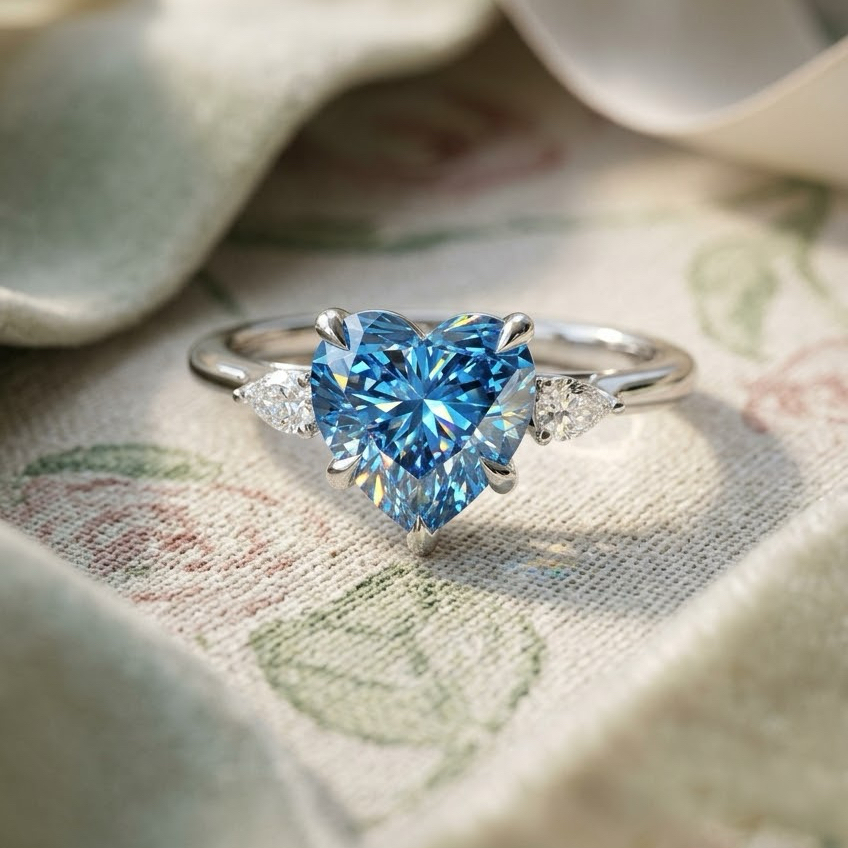
Even within a high colour grade, individual diamonds can have subtle visual characteristics that deserve attention.
Blue nuance, brown undertones or other colour impressions may affect the appearance of a stone, particularly under different lighting conditions.
This is another reason why experienced visual selection matters alongside certification.
Explore Fancy Color Diamond Rings
Why Diamond Selection Matters When Buying Online
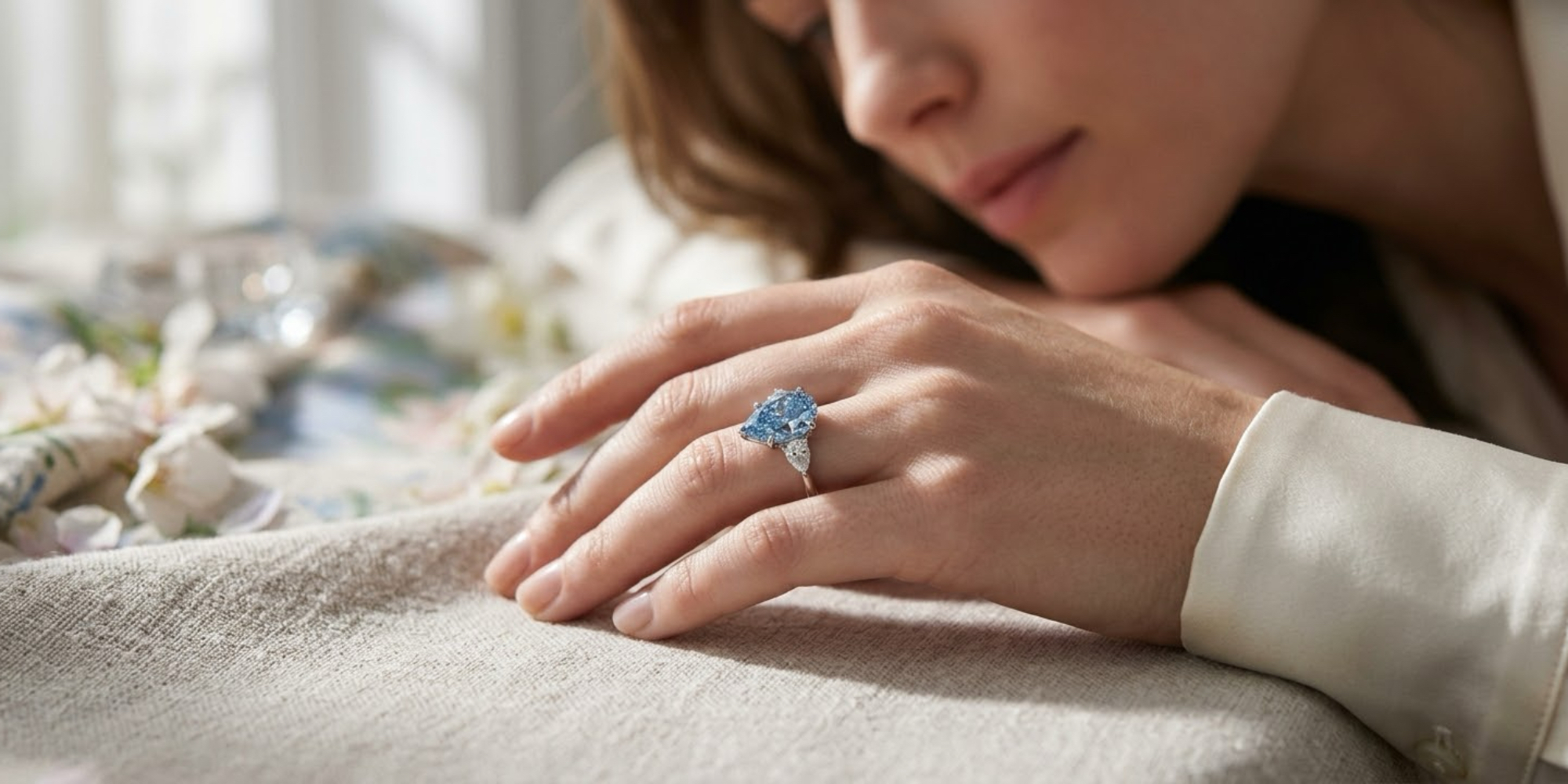
When shopping online, you cannot simply hold several loose diamonds next to each other and compare them under different lighting.
That makes the selection process particularly important.
A useful online buying process should combine:
Certification + specifications + visual inspection + professional selection.
A certificate gives you objective information. Images and video help you see the actual stone. Professional selection adds another layer of judgement about proportion, symmetry, light performance and overall beauty.
At Her Crown, we believe the certificate is the foundation—not the entire selection process.
We carefully select our diamonds based not only on their grading information, but also on their proportions, symmetry, visual performance and overall appearance. For selected fancy shapes, we can provide video and certificate information for your review before crafting begins.
How to Shop Lab Grown Diamonds Online
Diamond Selection at Her Crown
The Diamond on Paper vs. The Diamond You See
The most important question is not simply:
“Does this diamond have the right specifications?”
It is:
“How does this particular diamond actually look?”
That distinction matters when investing in a fine jewellery piece that is intended to celebrate an engagement, a career milestone, a birthday, a new chapter—or simply the woman you are becoming.
A diamond certificate gives you confidence in what you are buying.
Thoughtful diamond selection helps you understand which diamond you are actually buying.
At Her Crown, we believe both matter.
Explore our [guide to shopping for lab-grown diamonds online] to learn more about choosing a diamond with confidence, or discover our [oval and pear diamond collection] to explore individually selected stones designed around your story.