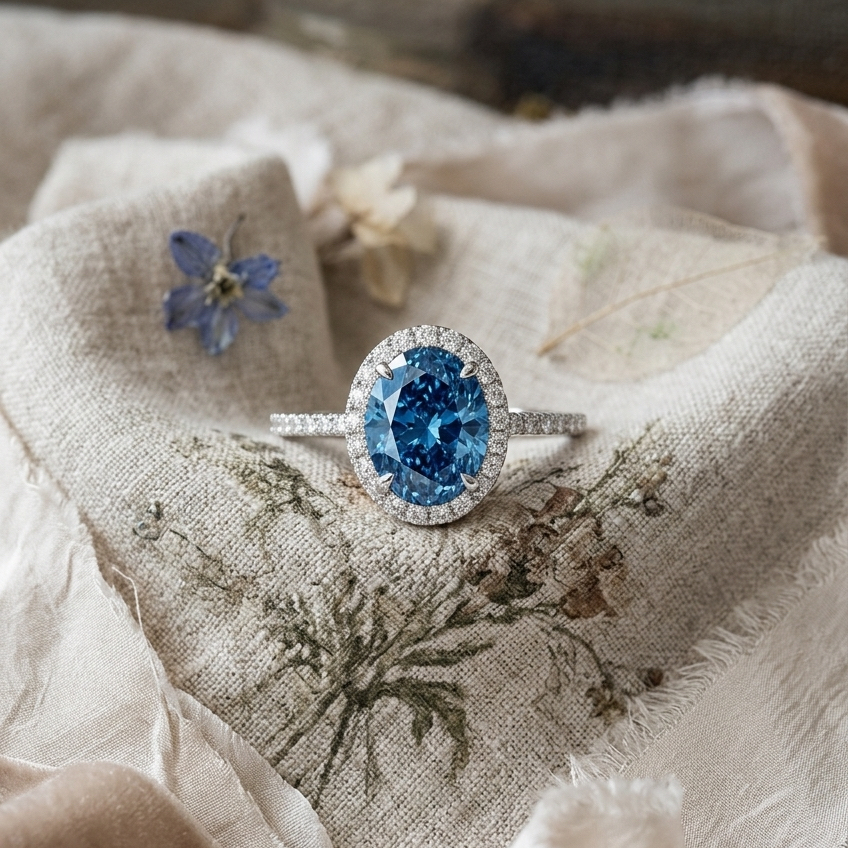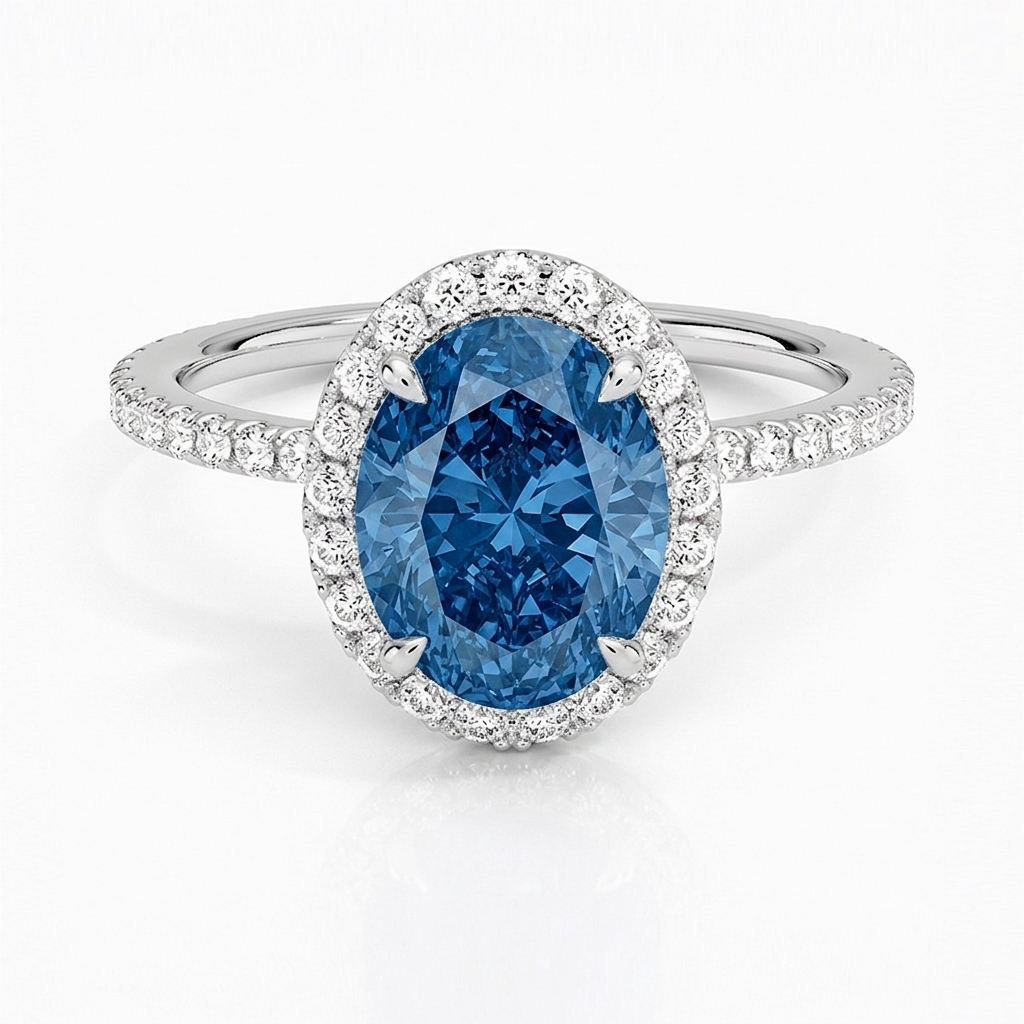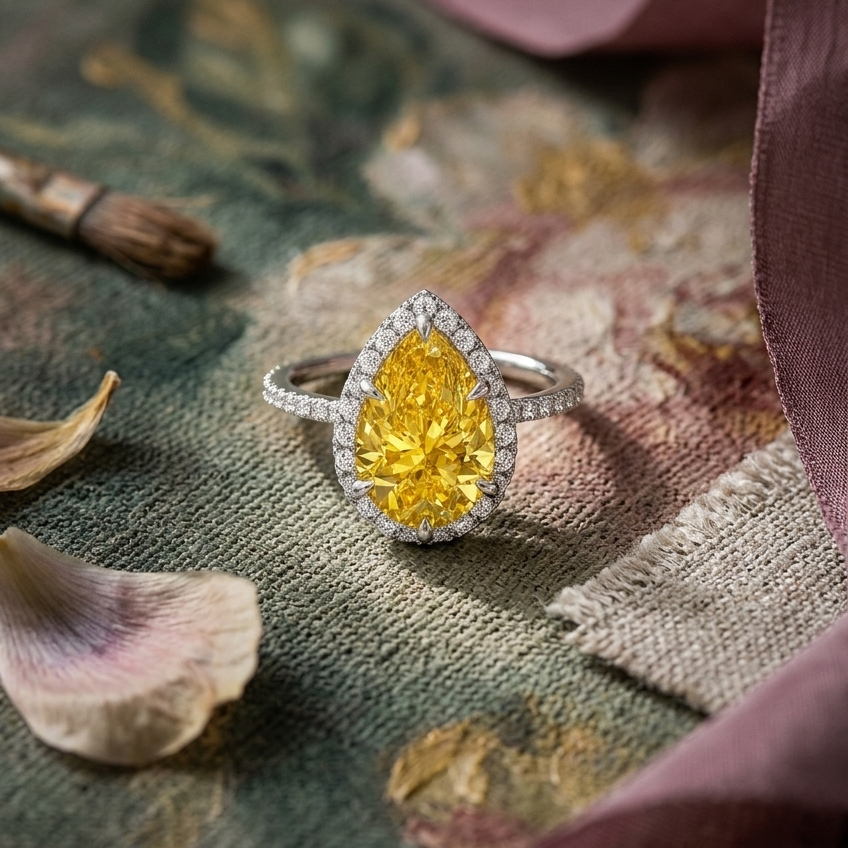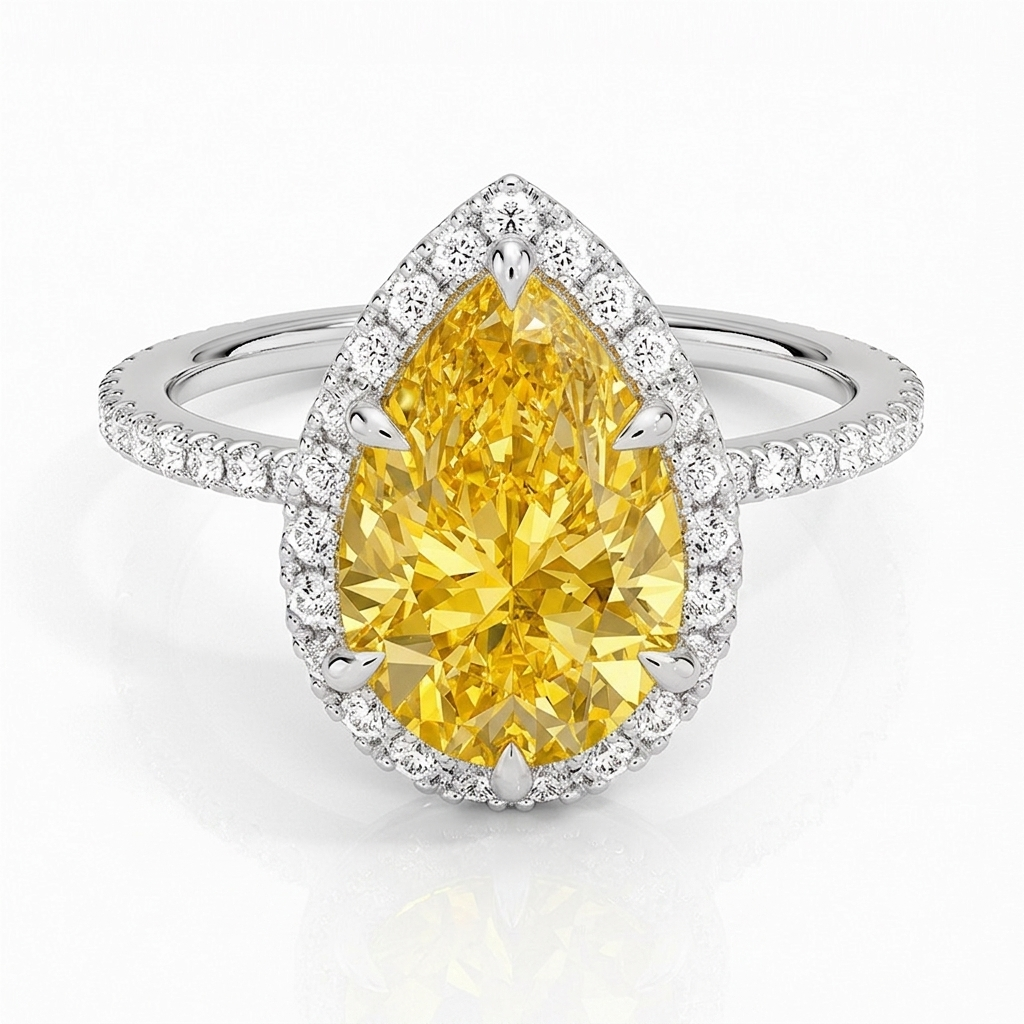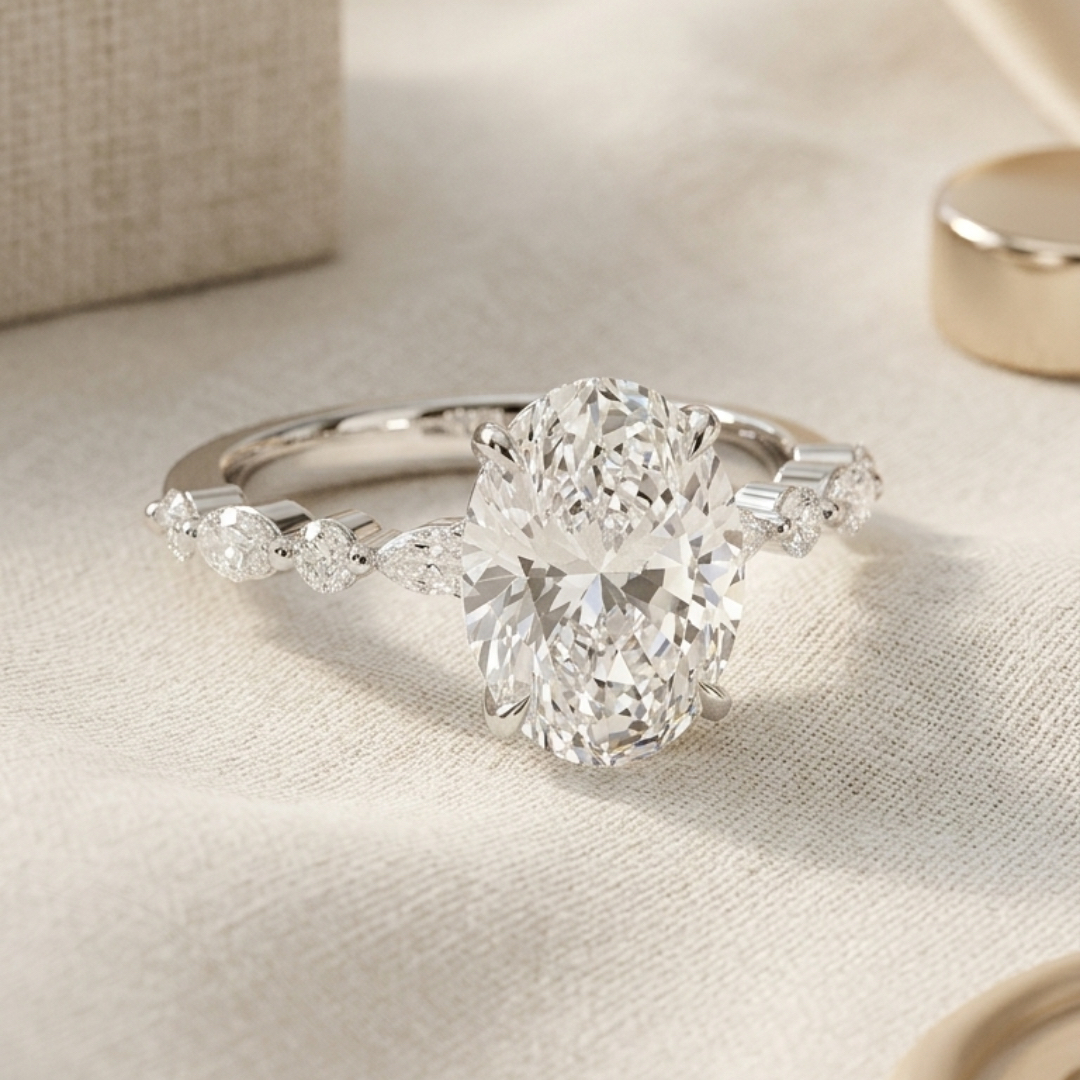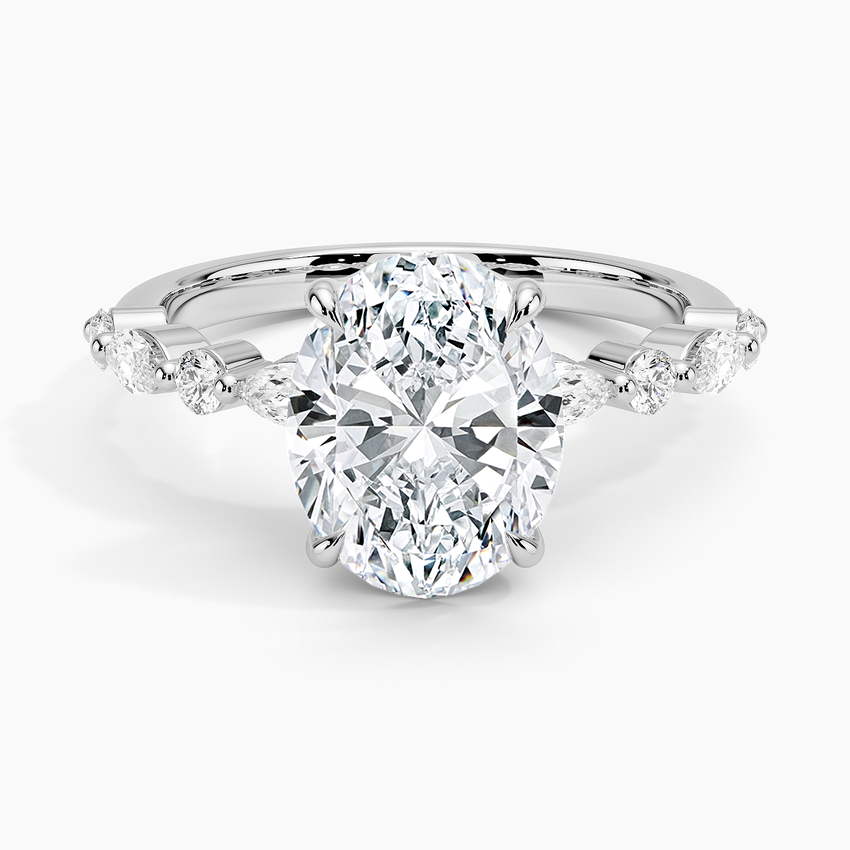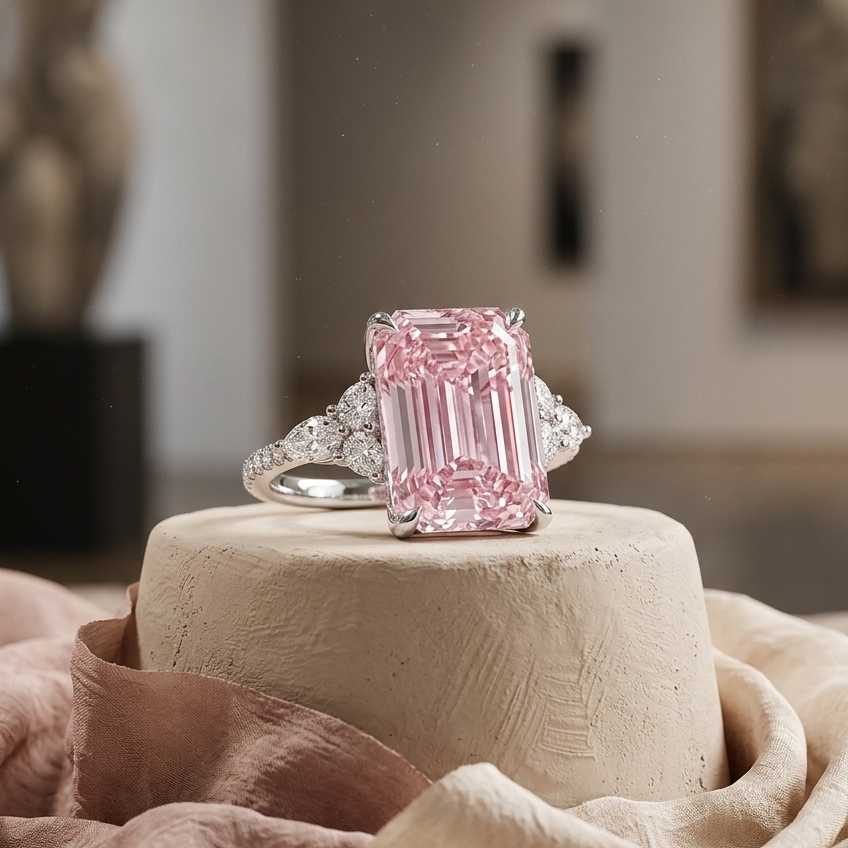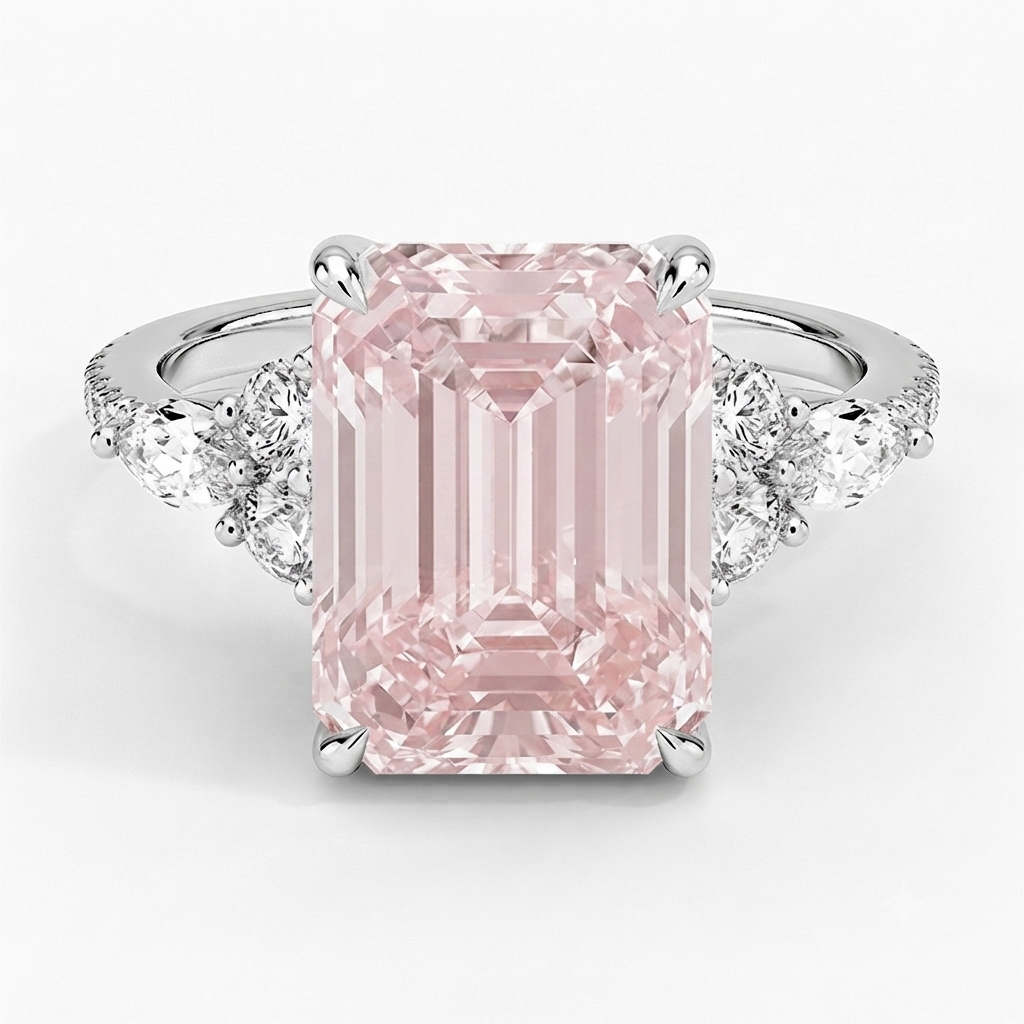
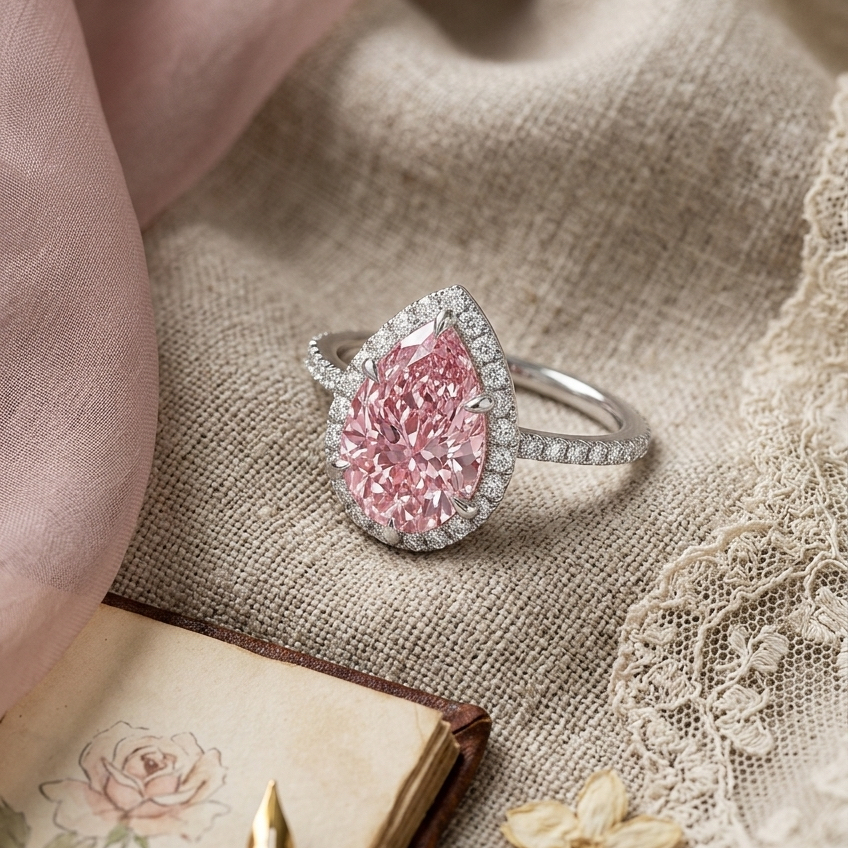
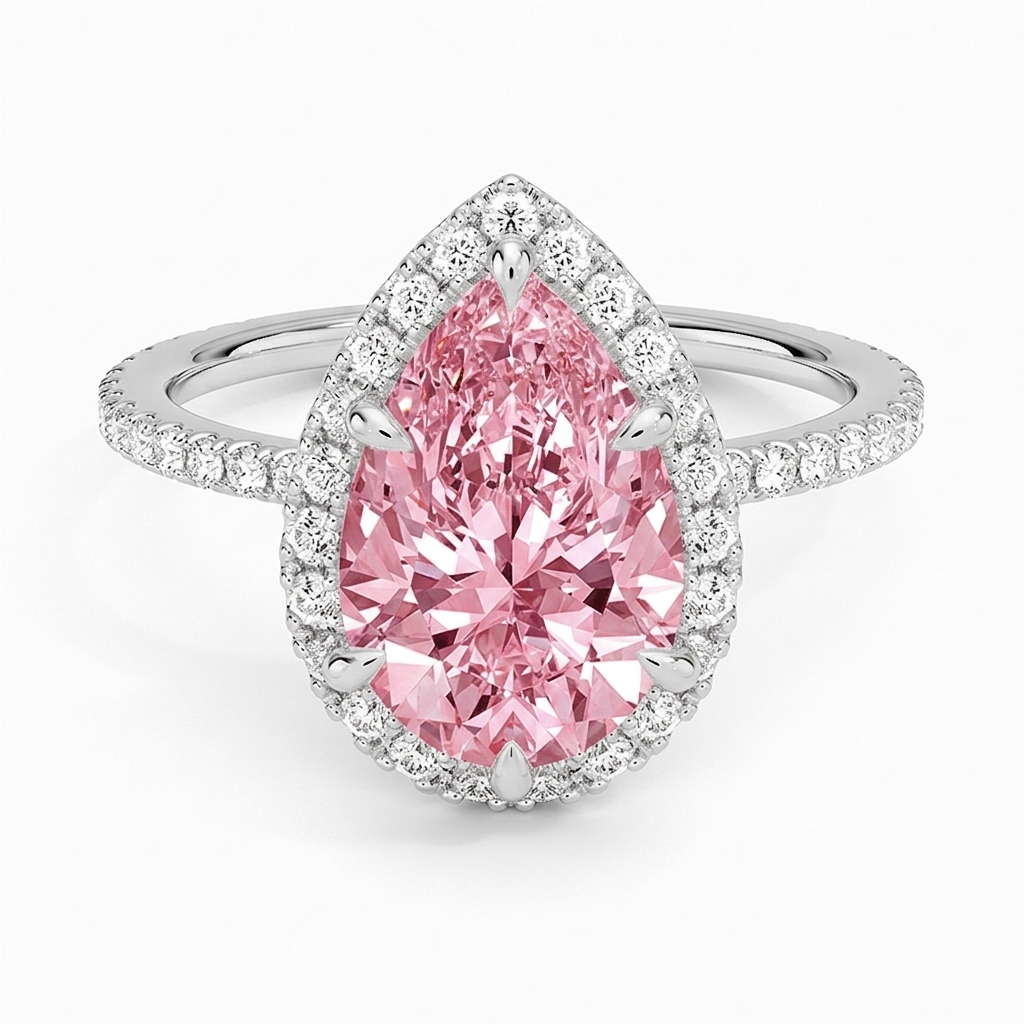
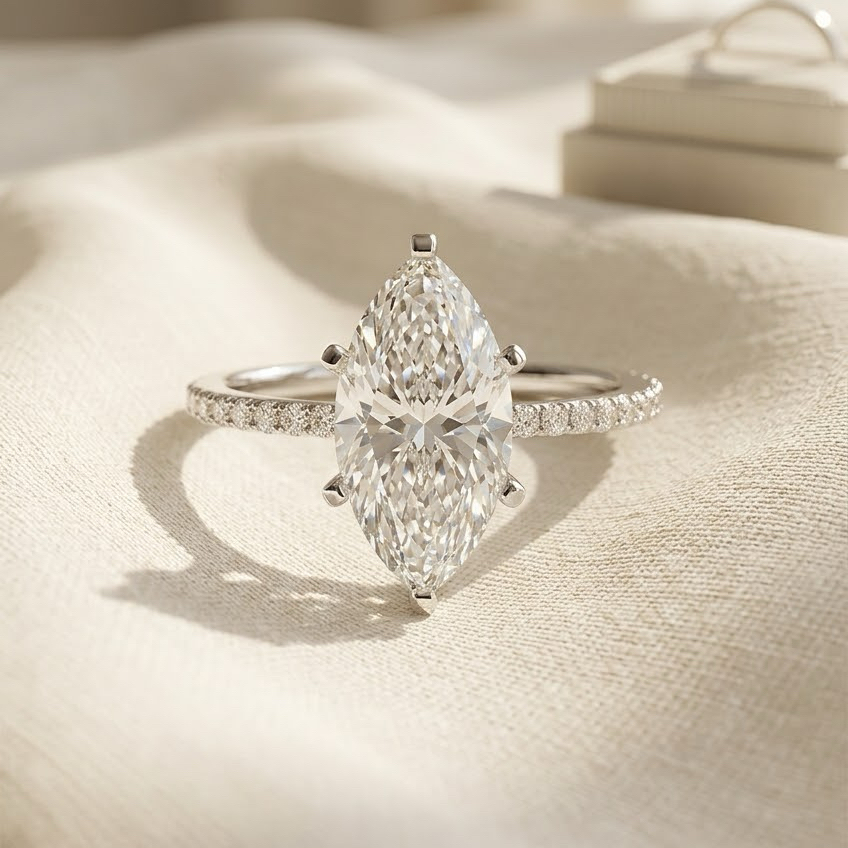
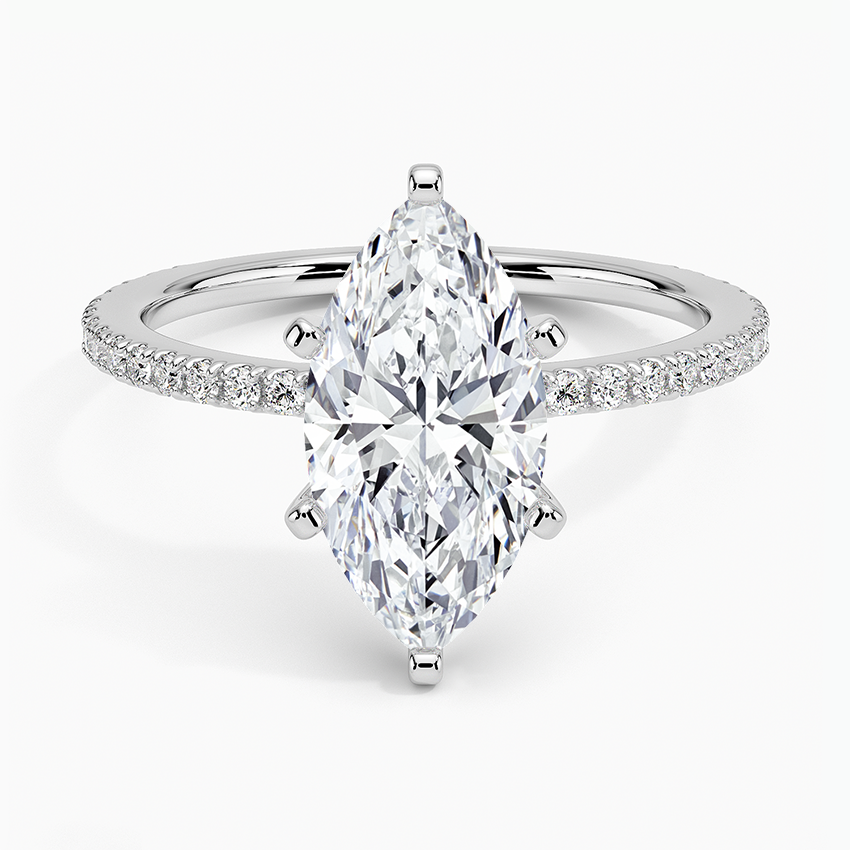
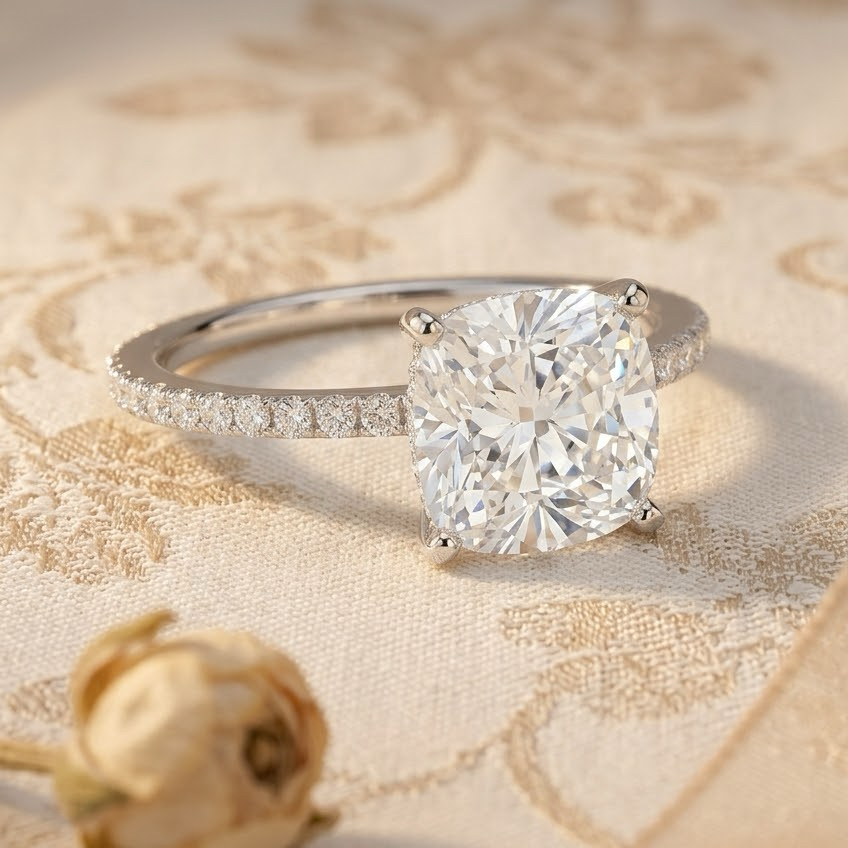
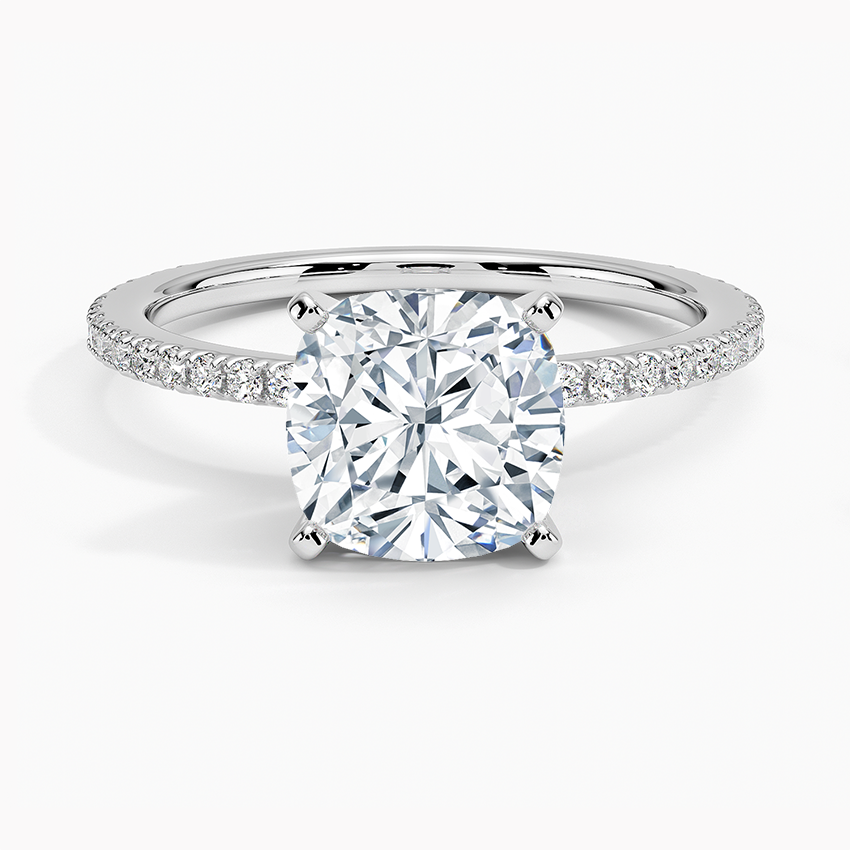
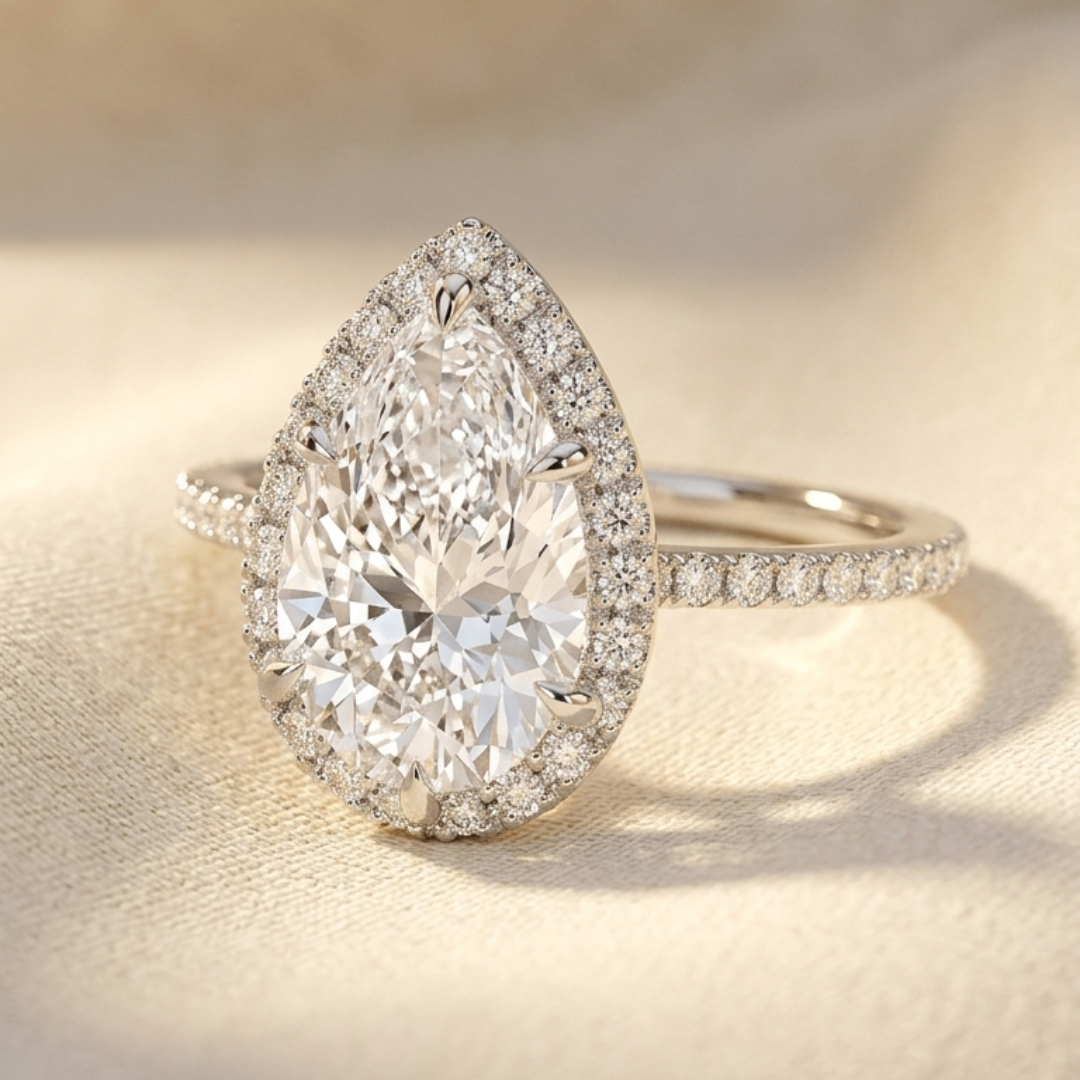
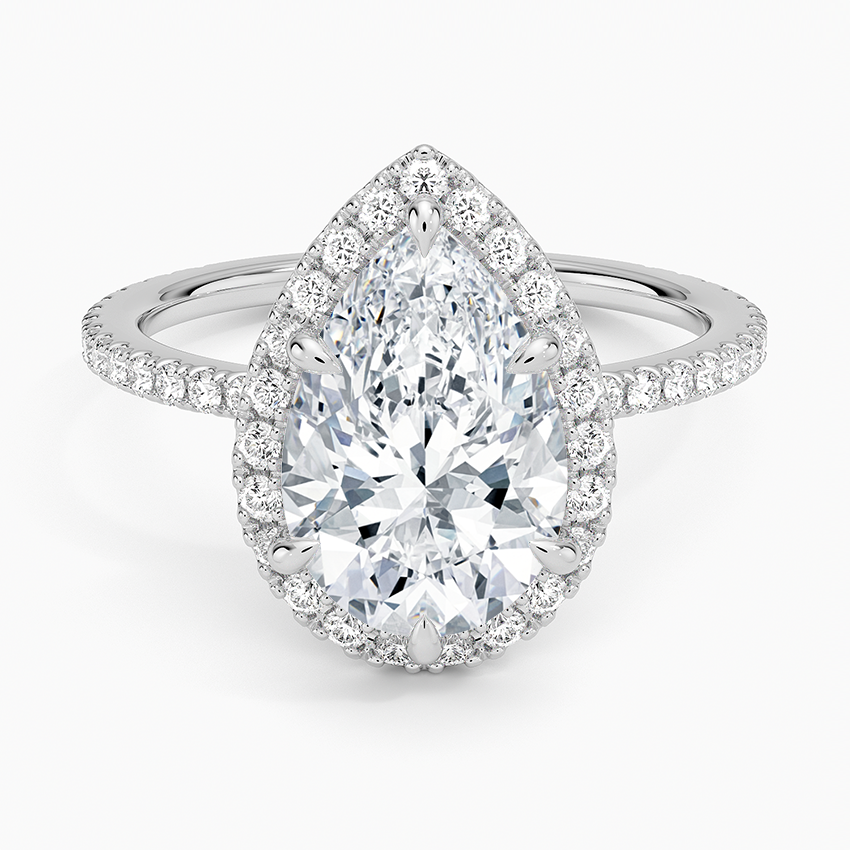
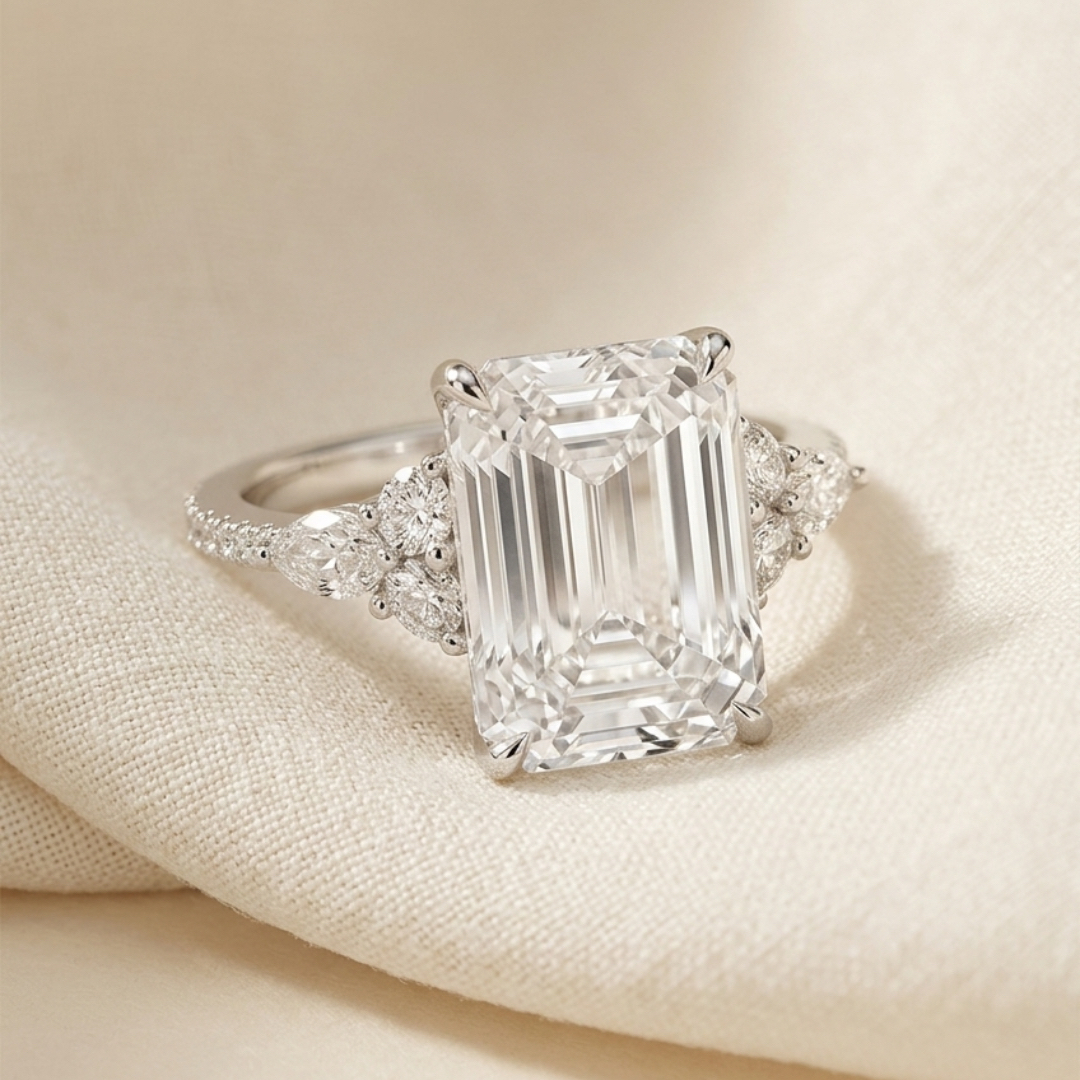
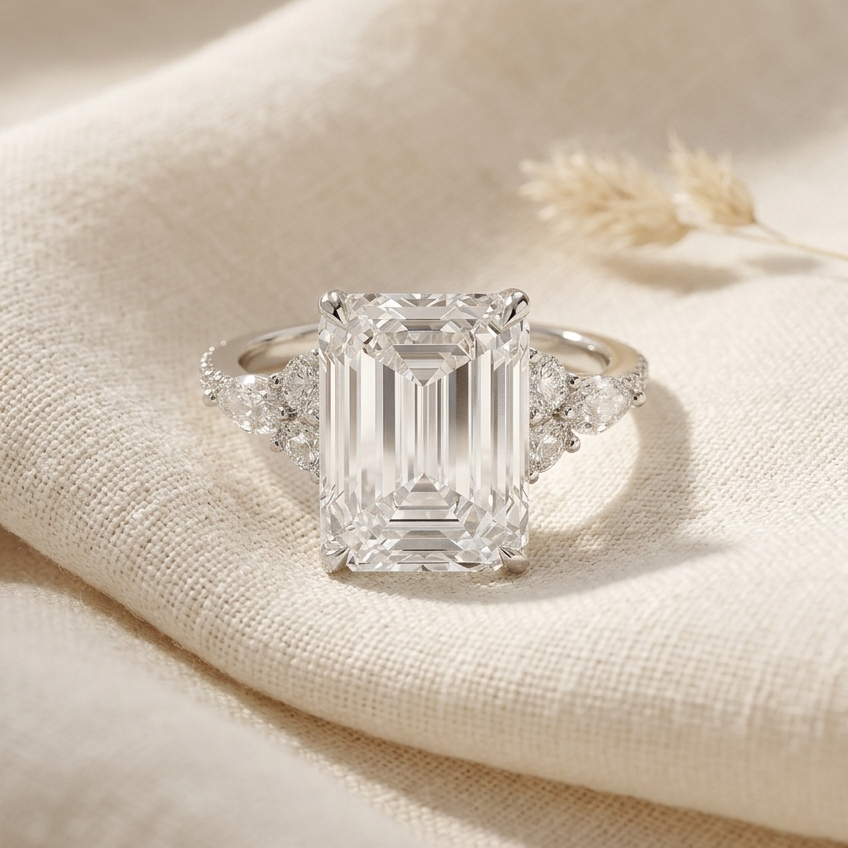
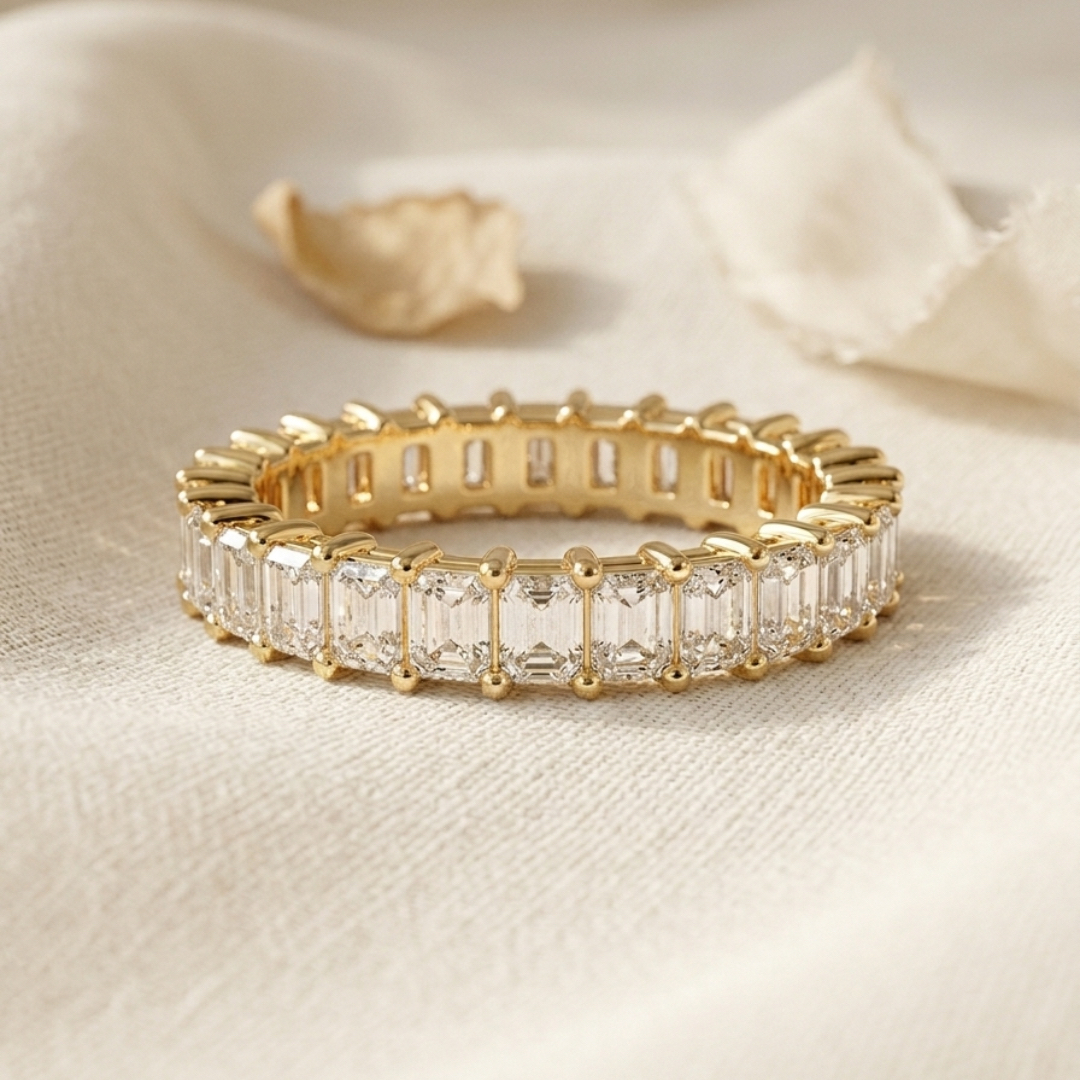
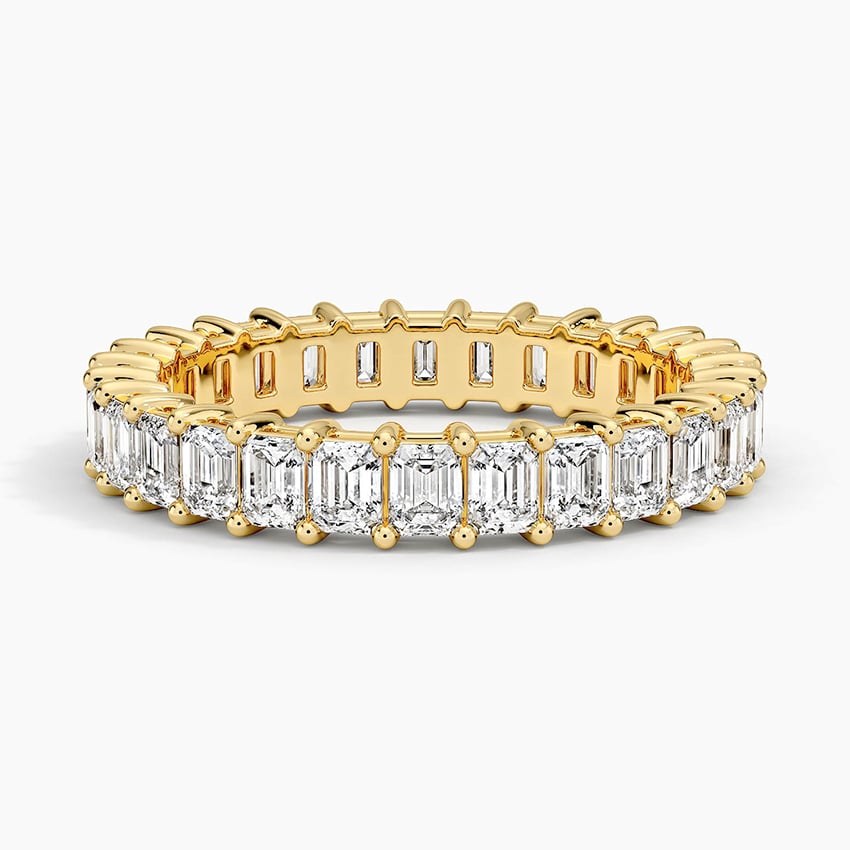
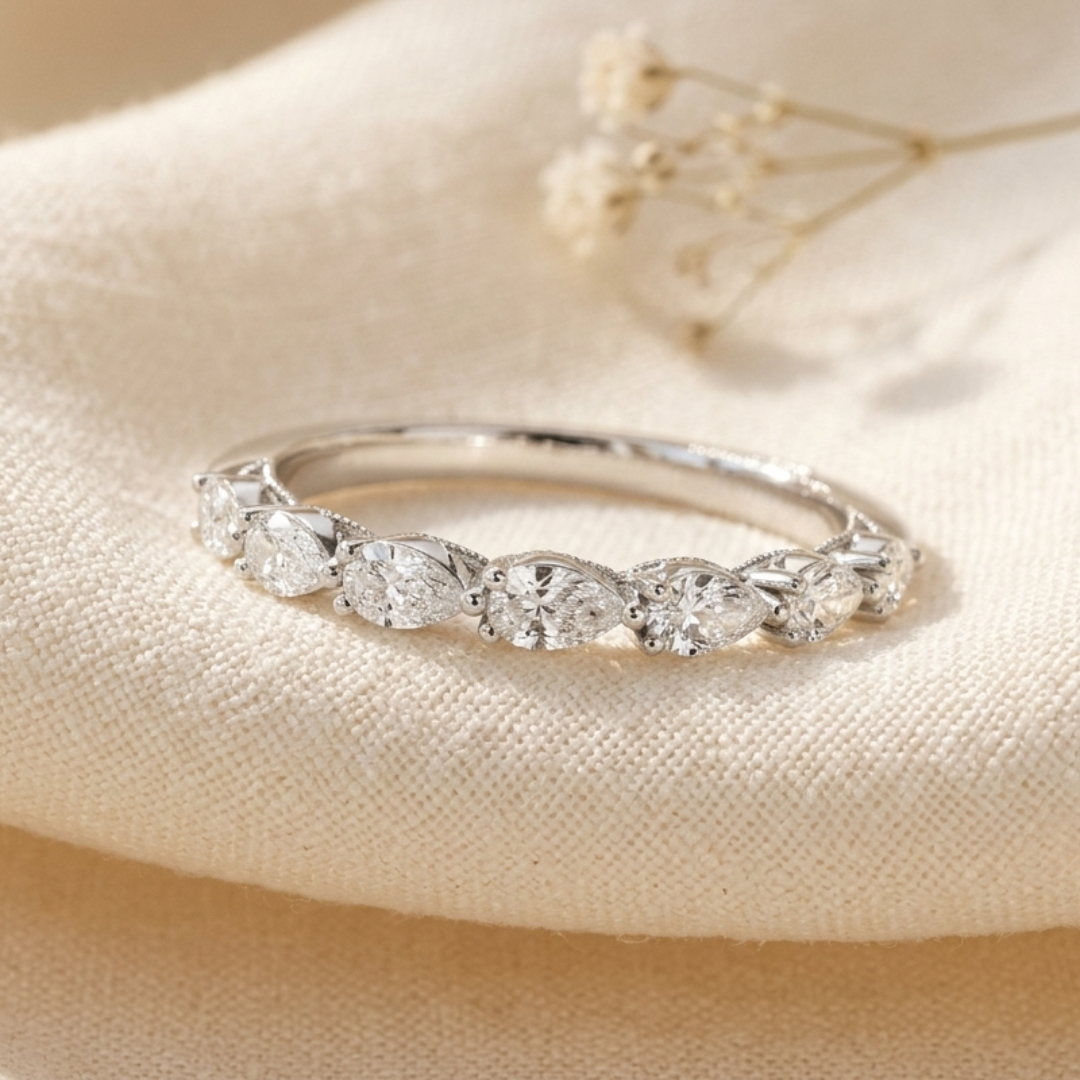
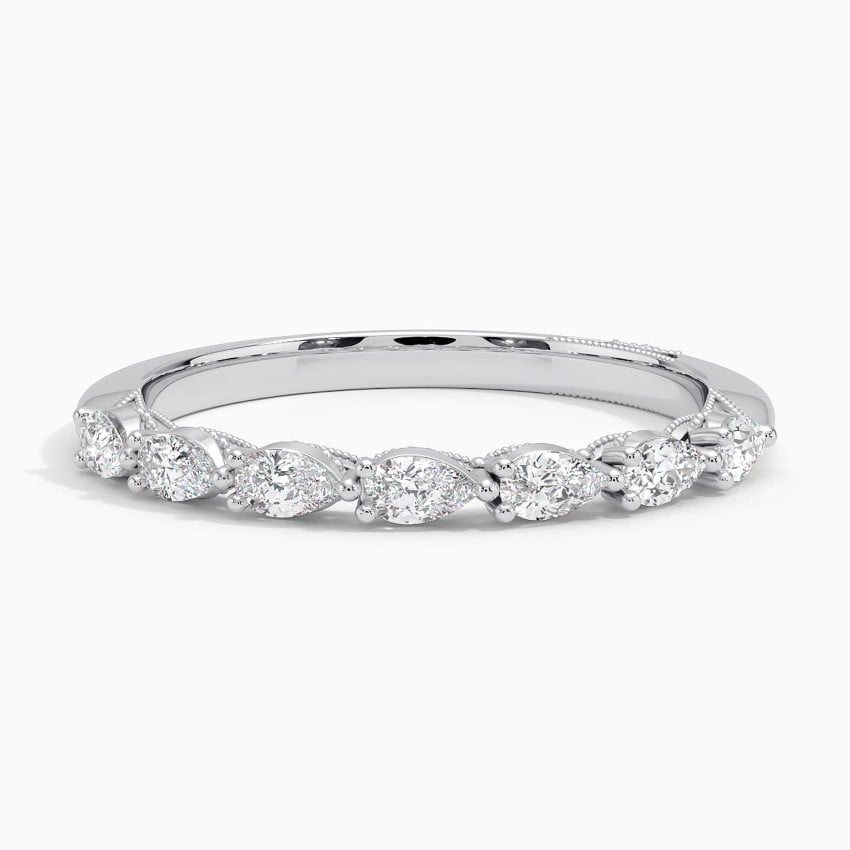
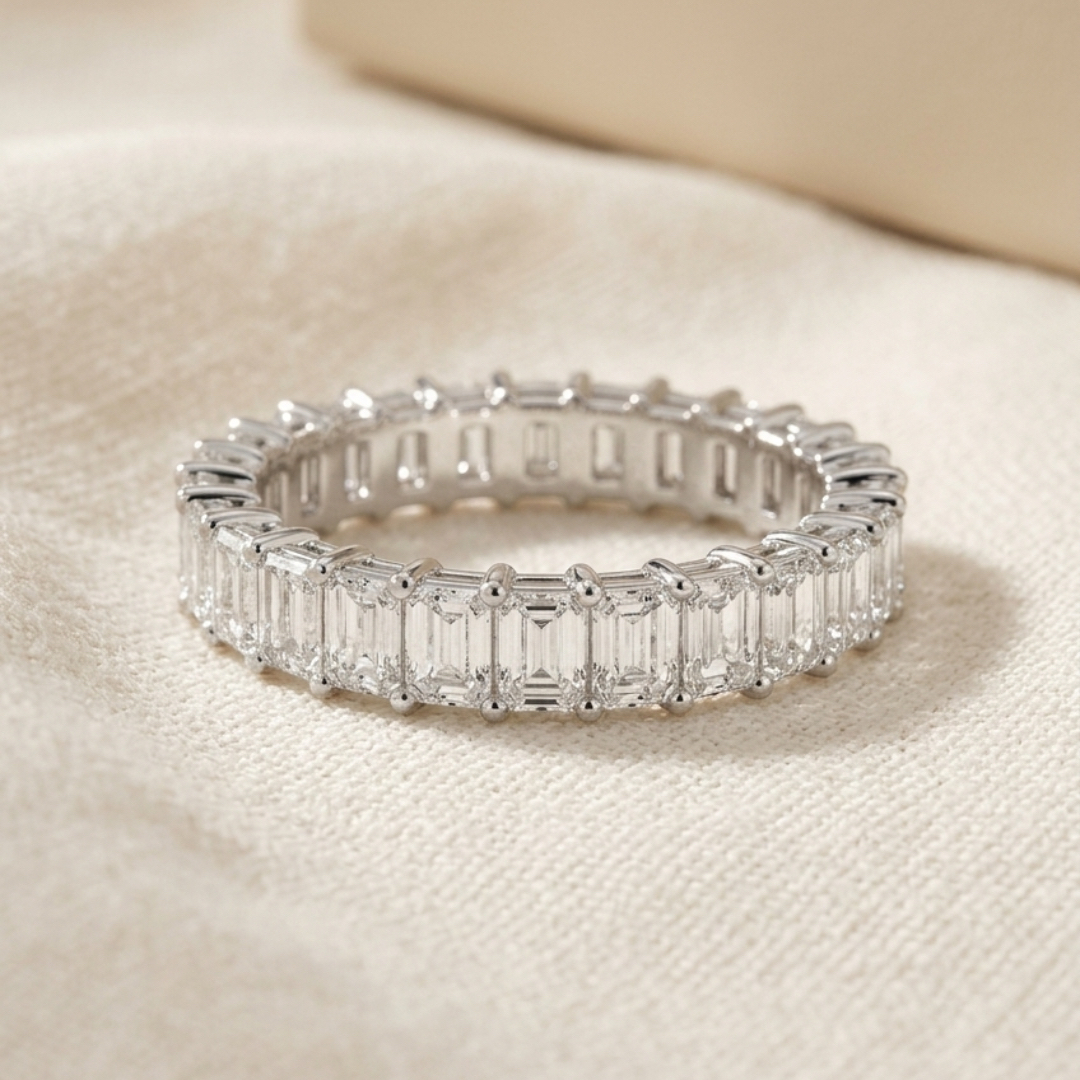
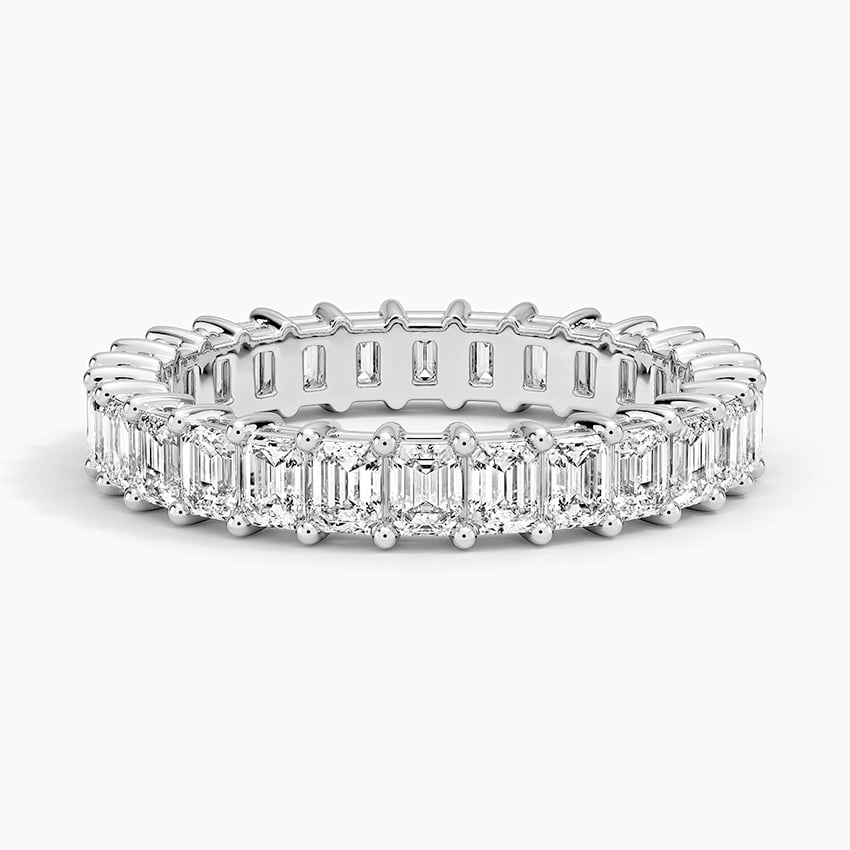
When choosing a diamond ring, most people focus on the diamond itself.
The shape. The size. The sparkle.
Yet one of the most important decisions is often overlooked:
What metal should your diamond ring be made of?
Many clients ask us:
- What is the difference between 14K and 18K gold?
- Why does white gold need rhodium plating?
- Is 18K always better than 14K?
- Why isn’t fine jewelry made from pure gold?
This guide explains everything you need to know in a simple way.
Why Isn’t Diamond Jewelry Made From Pure Gold?
This surprises many people.
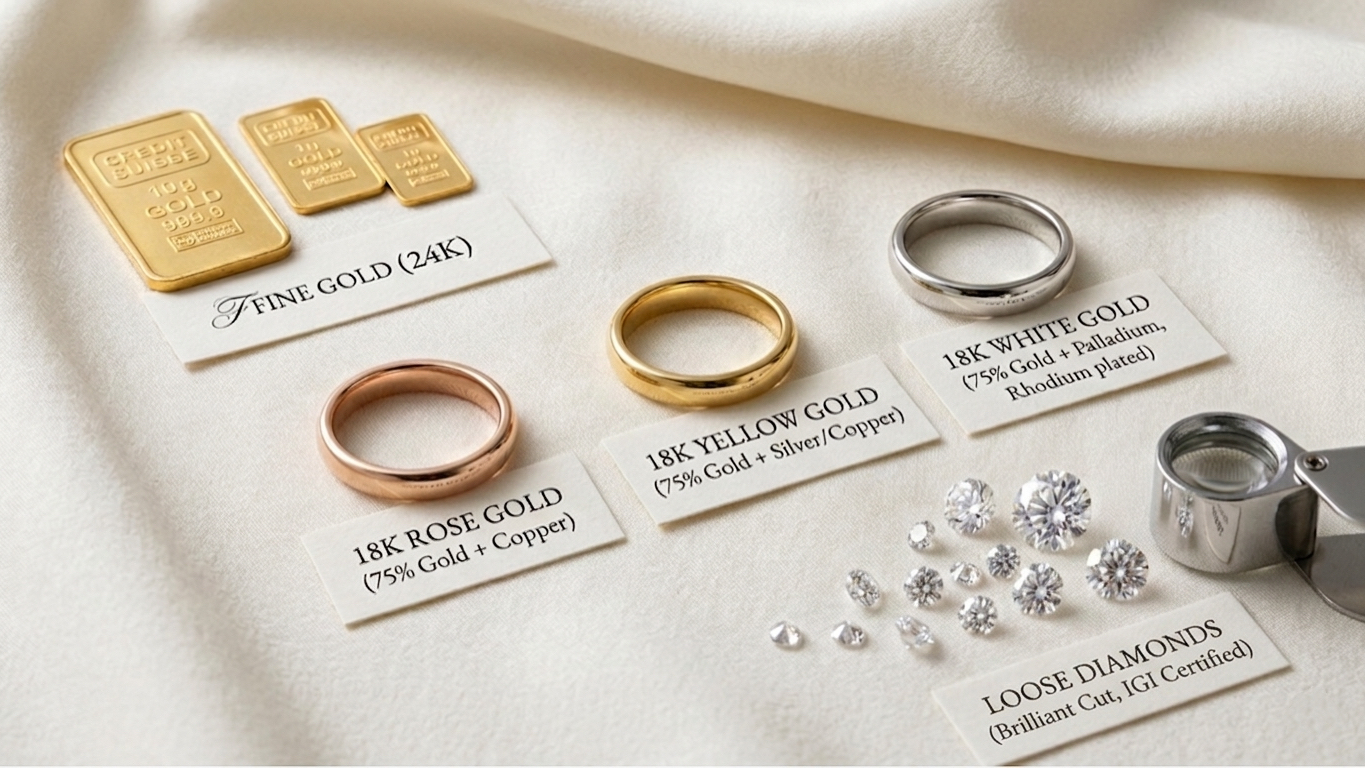
24K gold is actually too soft for diamond jewelry.
Pure gold bends easily and scratches more readily. For a diamond ring worn daily, this isn’t ideal.
That’s why fine jewelry uses gold alloys—gold mixed with other metals to improve strength, durability, and color.
This is also where white gold, yellow gold, and rose gold come from.
Explore more about different metals.
What Does 14K and 18K Actually Mean?
Gold purity is measured in karats.
18K Gold
- 75% pure gold
- 25% alloy metals
14K Gold
- 58.5% pure gold
- 41.5% alloy metals
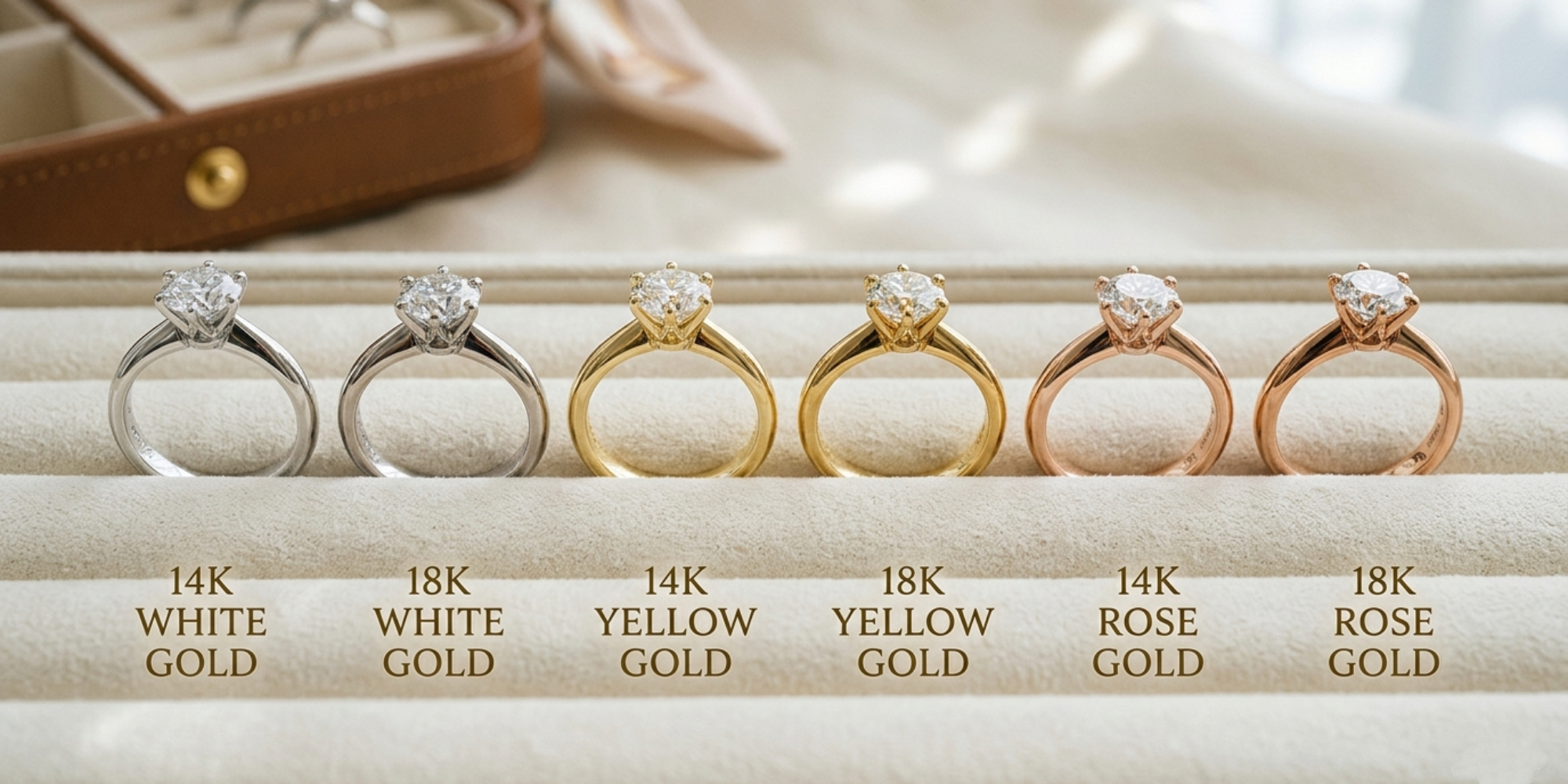
Because 18K contains more pure gold, it has a richer gold appearance. Because 14K contains more alloy metals, it is generally harder and more resistant to daily wear.
What Makes Yellow Gold Yellow?
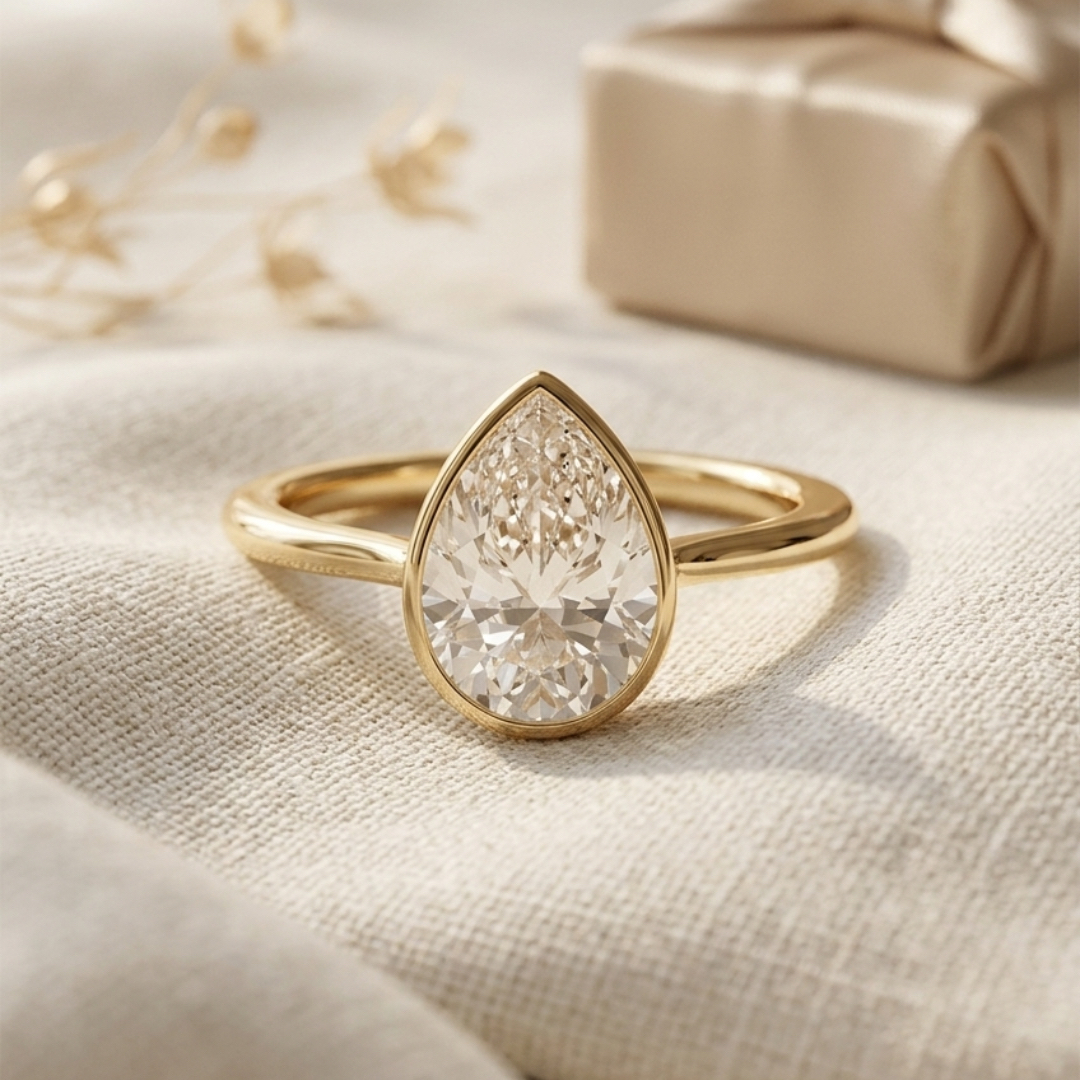
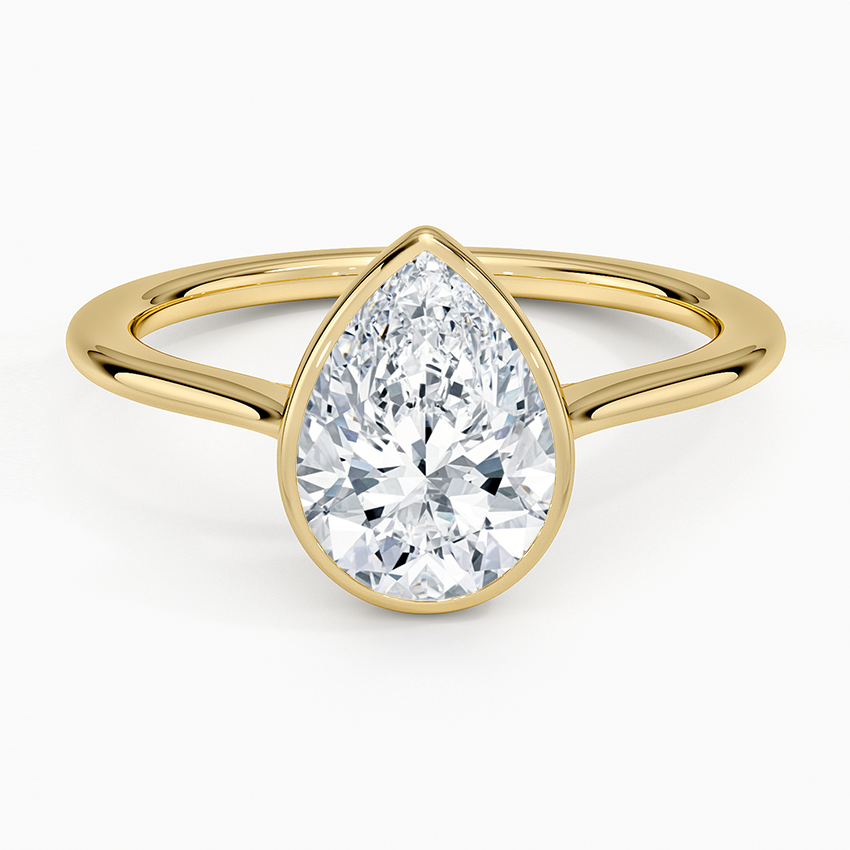
Yellow gold is the closest color to natural gold.
To create yellow gold, jewelers blend pure gold with metals such as silver, copper, and zinc while preserving its warm golden appearance.
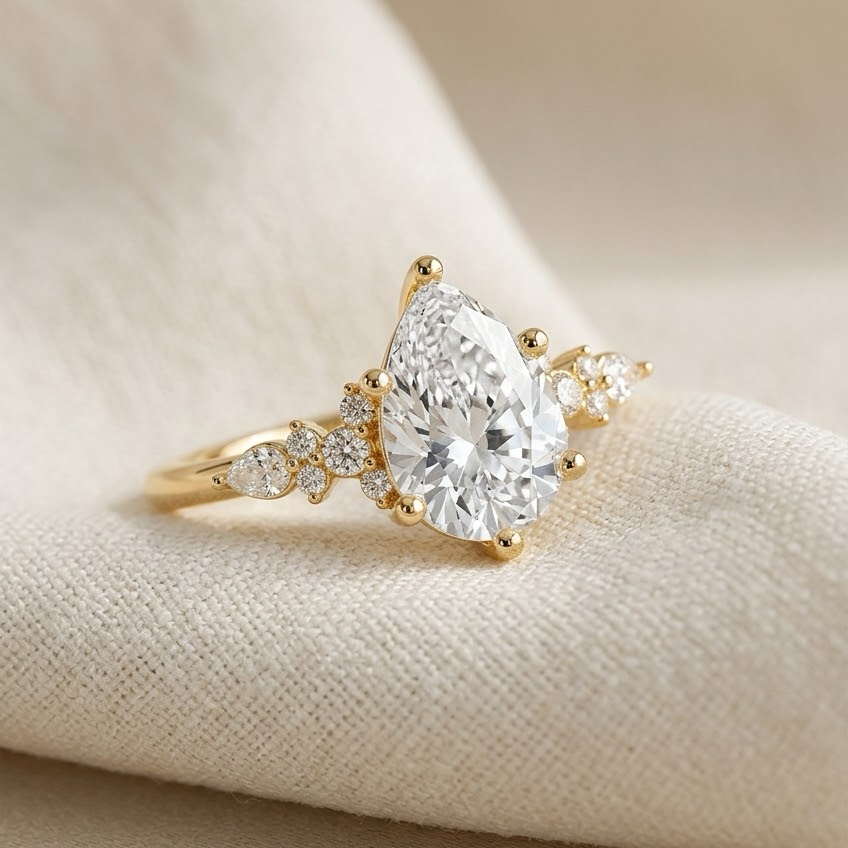
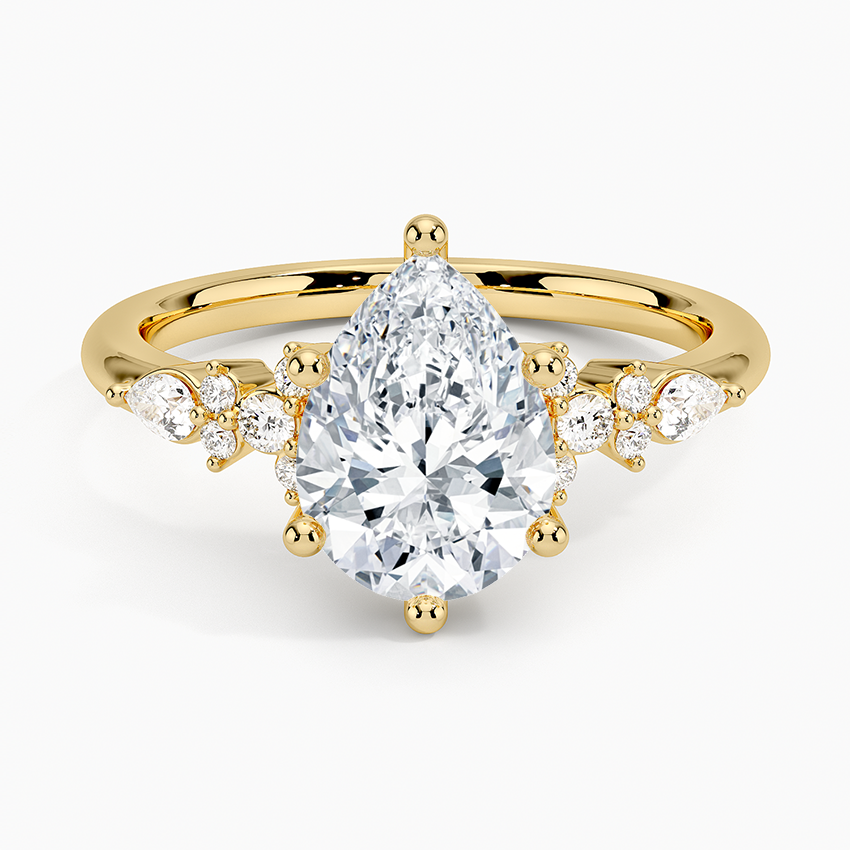
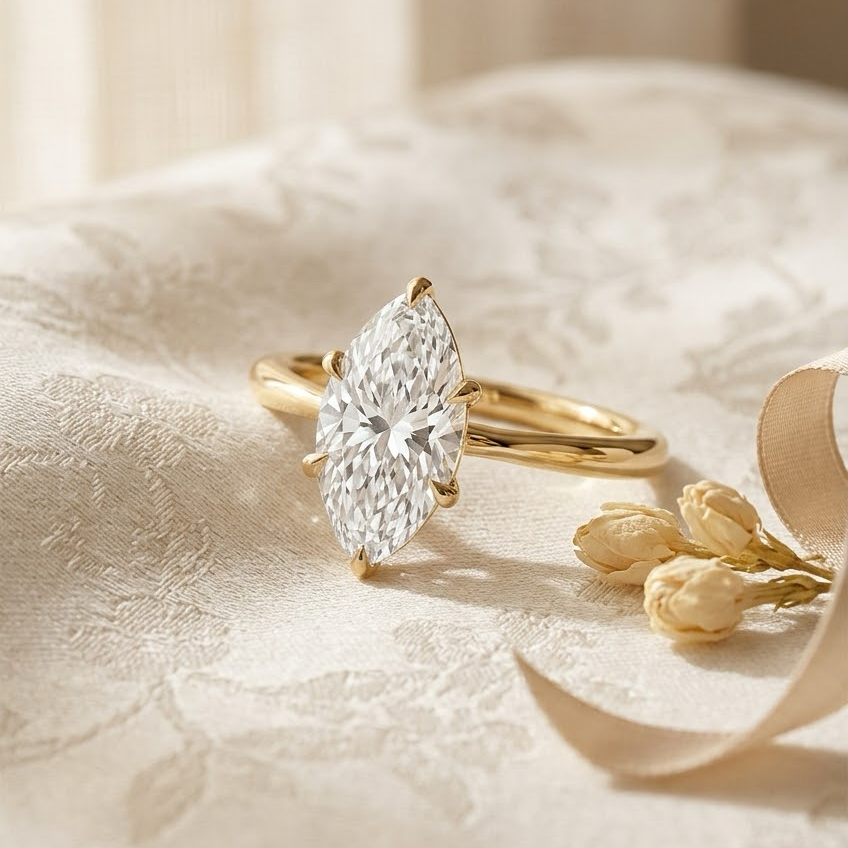
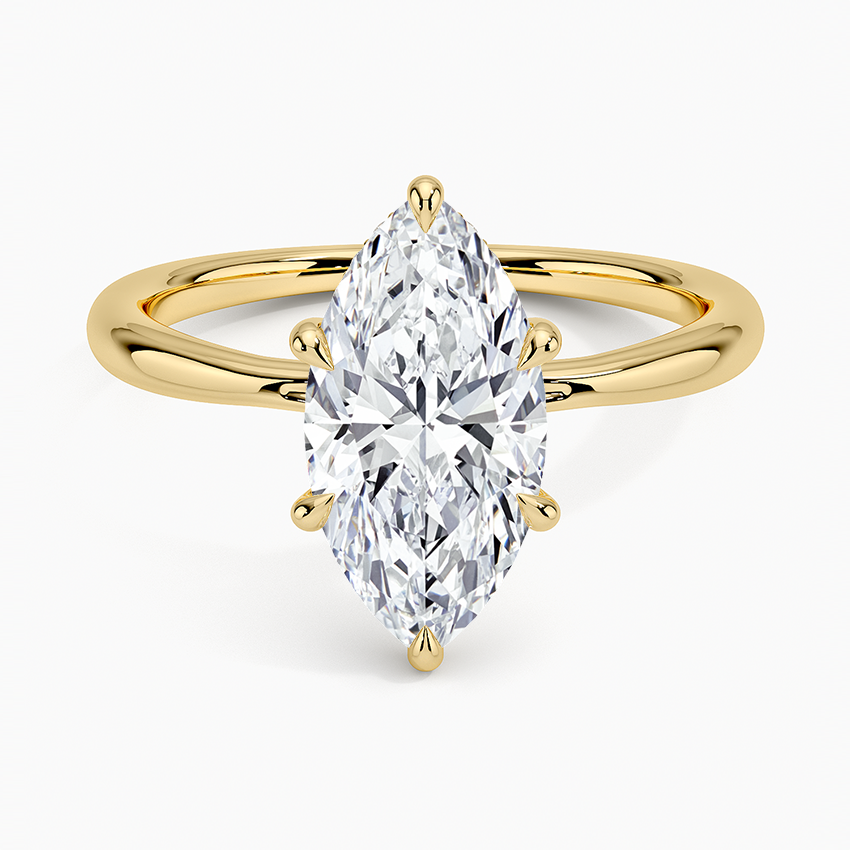
18K Yellow Gold
- Richer golden color
- More luxurious appearance
- Warmer and deeper tone
14K Yellow Gold
- Slightly lighter yellow
- More durable for daily wear
- Popular for engagement rings
What Customers Usually Want to Know
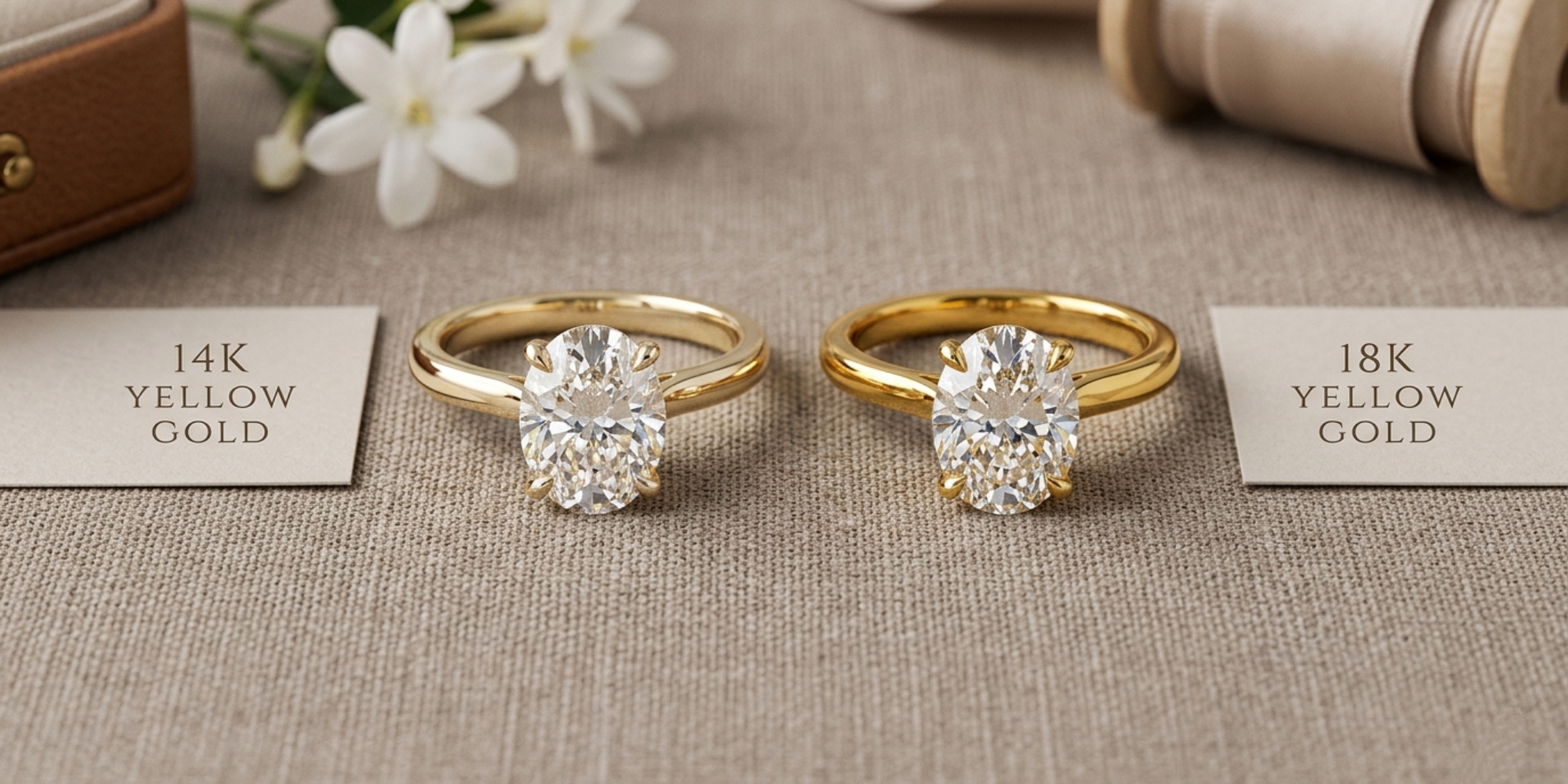
Can people see the difference?
When placed side by side, yes.
18K appears richer and more saturated, while 14K appears slightly lighter. However, when worn alone, many people would not immediately notice the difference.
Explore our collection of yellow gold.
What Makes Rose Gold Pink?
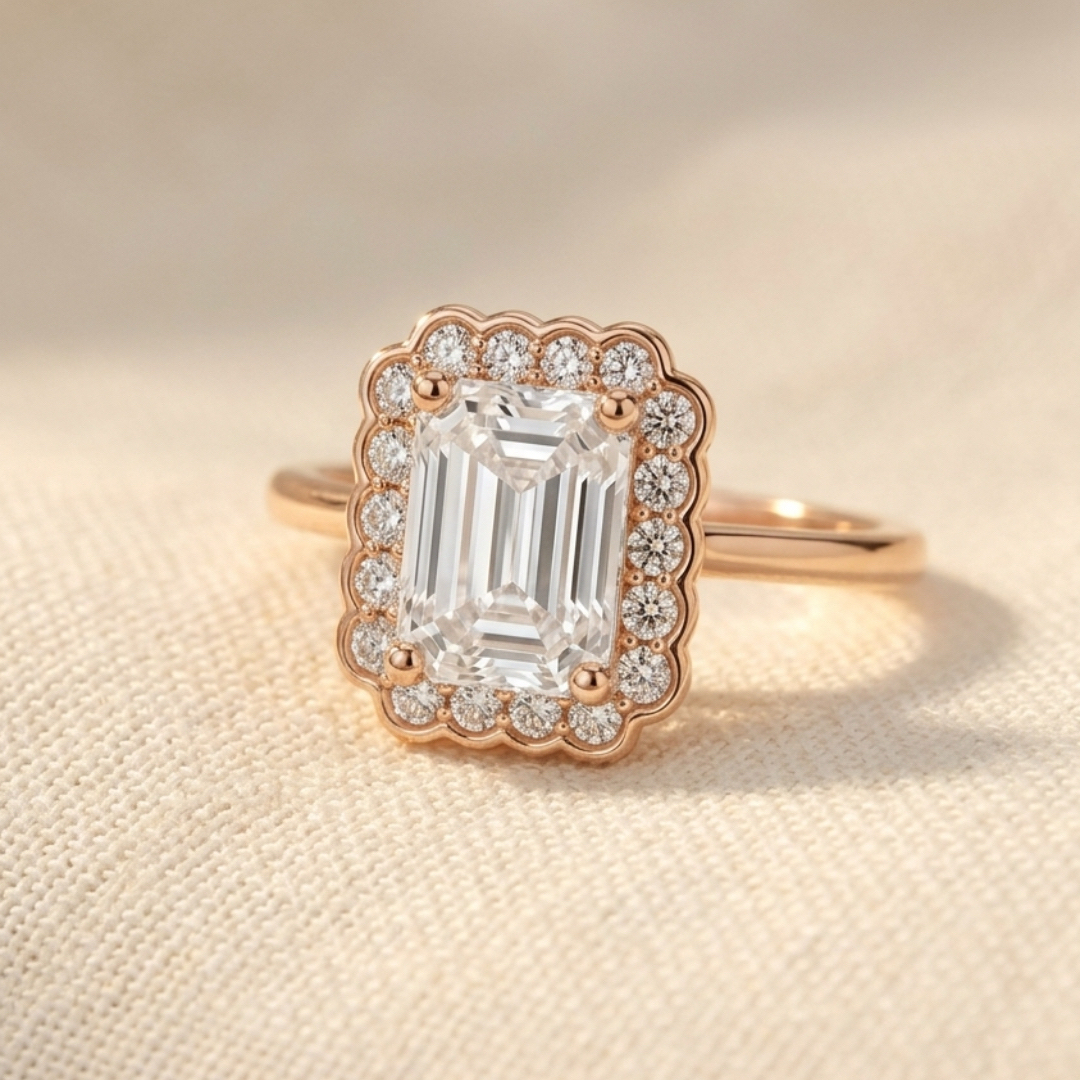
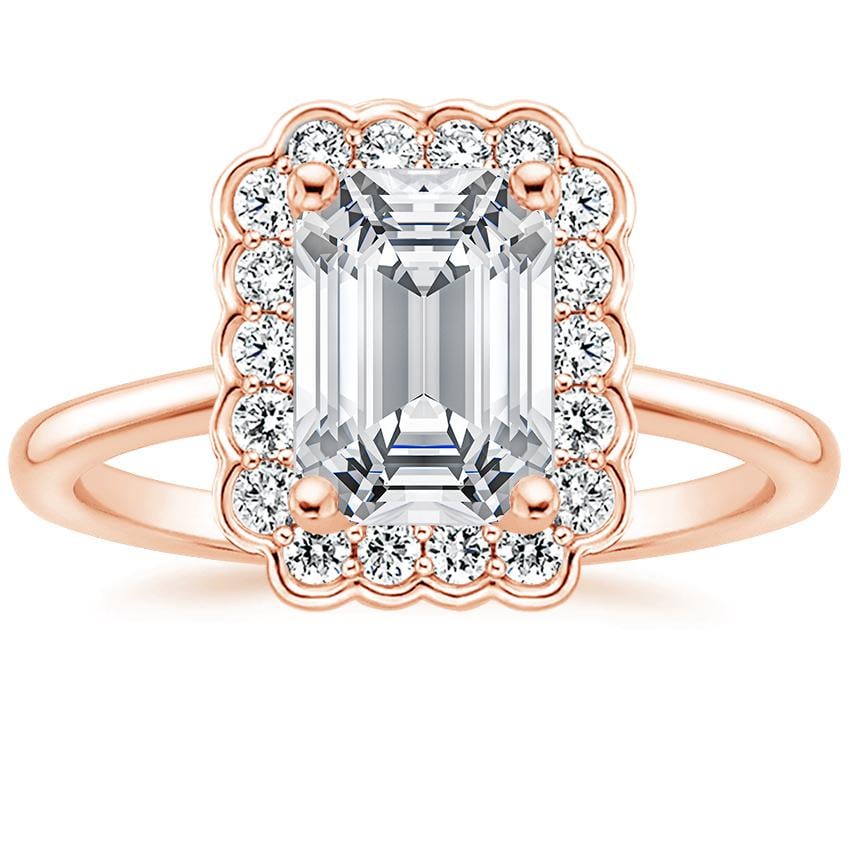
Rose gold gets its beautiful blush tone from copper.
The more copper in the alloy, the stronger the pink appearance.
18K Rose Gold
- Softer blush tone
- More subtle and elegant
- Higher gold content
14K Rose Gold
- More pronounced rosy color
- Slightly pinker appearance
- Greater durability
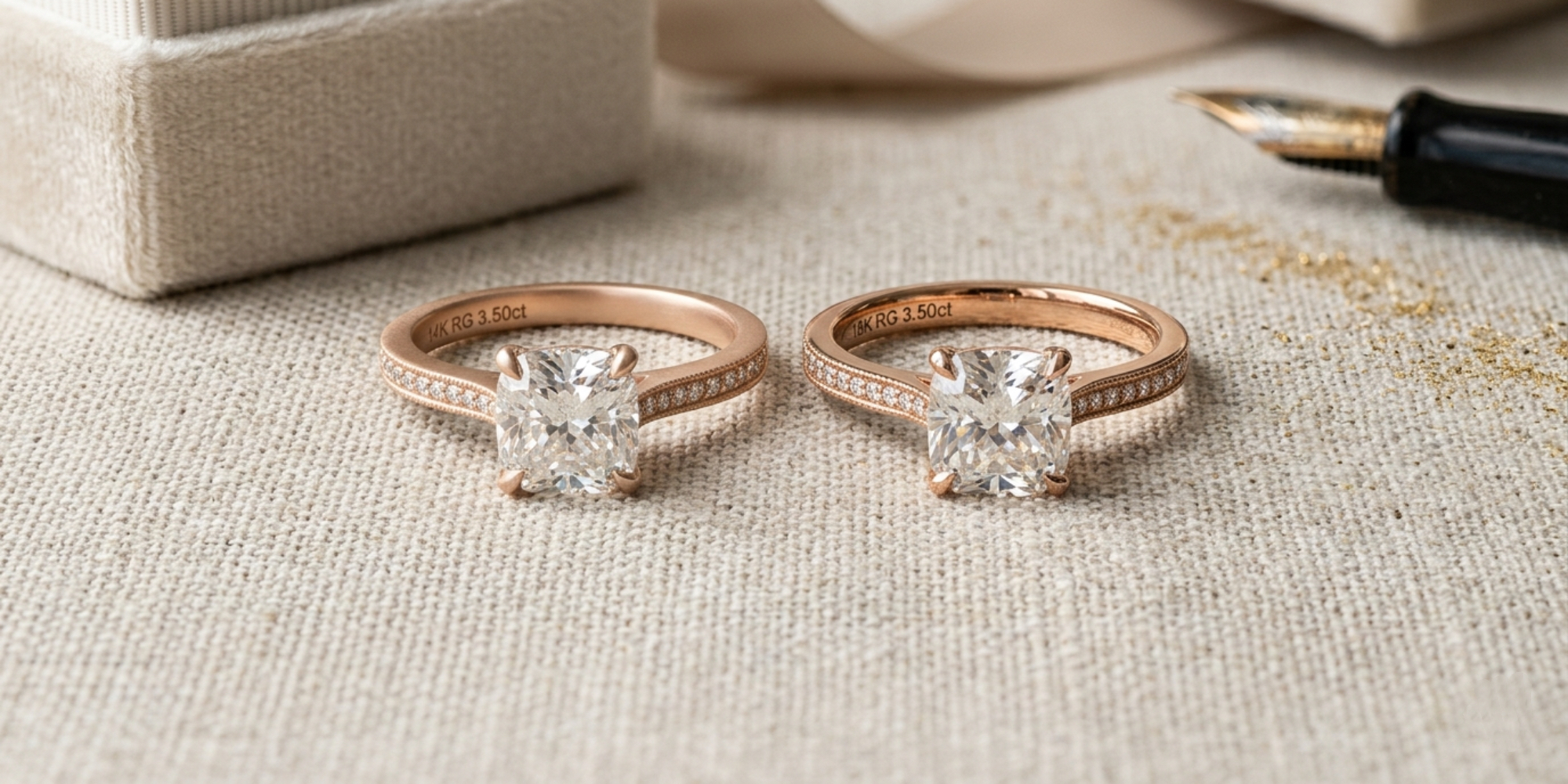
This often surprises customers:
14K rose gold is usually pinker than 18K rose gold. This is because 14K contains more copper in the alloy mixture.
Explore our collection of rose gold.
What Makes White Gold White?
White gold is not naturally white.
Its base is still yellow gold.
To create white gold, jewelers combine gold with whitening metals such as palladium, silver and zinc.
However, even after alloying, white gold usually has a subtle warm undertone.
This is where rhodium plating comes in.
Explore our collection of white gold
What Is Rhodium Plating?
Rhodium is a rare precious metal from the platinum family.
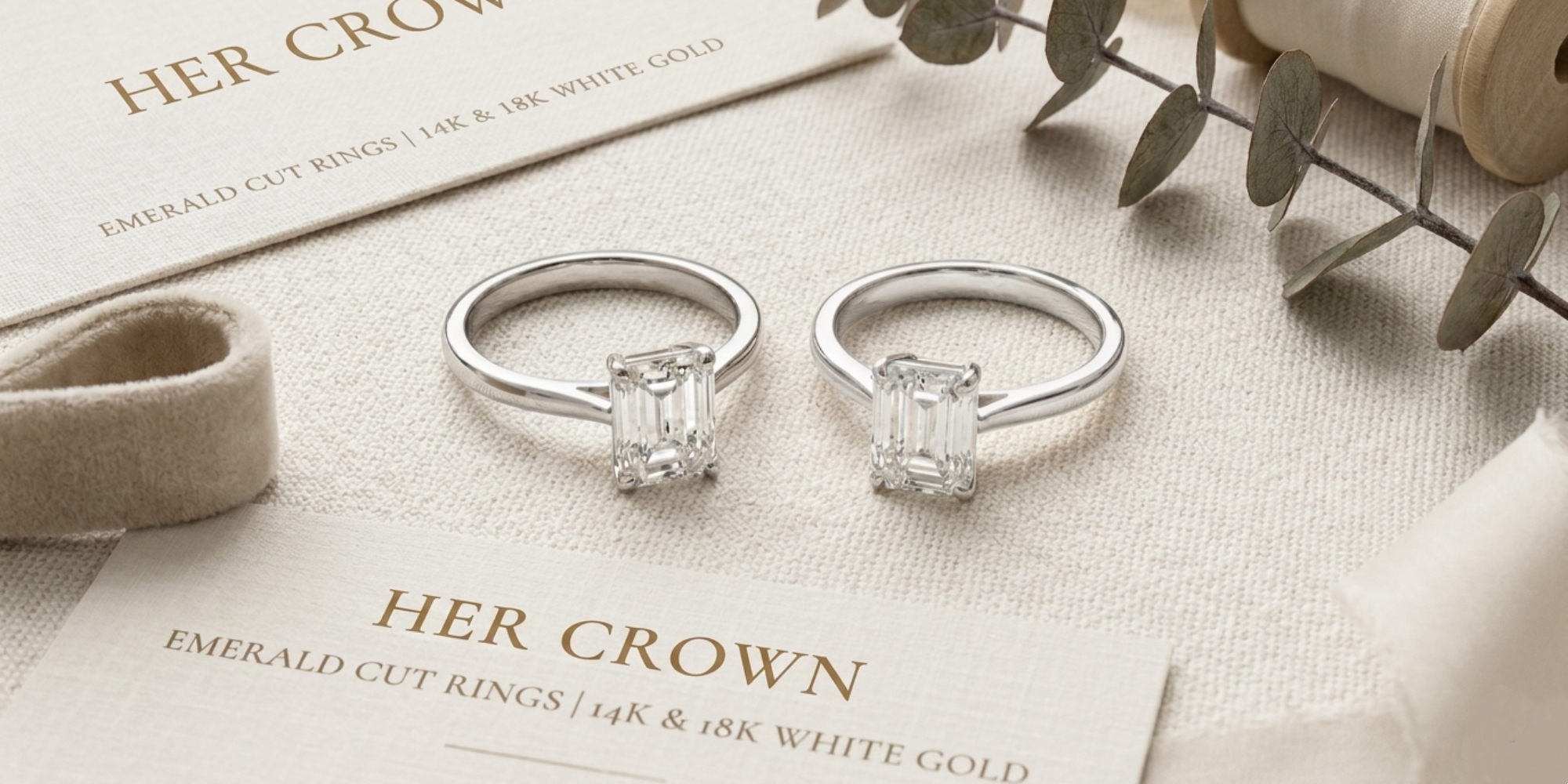
A thin layer of rhodium is applied to white gold to create the bright, crisp white appearance most people associate with white gold jewelry.
Without rhodium plating:
- White gold appears warmer
- White gold looks slightly creamier
- White gold may show a subtle yellow undertone
With rhodium plating:
- The metal appears bright white
- Diamonds often look whiter and more colorless
- The ring gains additional surface protection and shine
Is Rhodium Plating Necessary?
For White Gold: Usually Yes
Almost every luxury jeweler rhodium-plates white gold.
This creates the brilliant white appearance clients expect.
Will It Wear Off?
Yes. Rhodium plating is a surface finish.
Over time, daily wear gradually removes the coating, especially on the bottom of the ring. Most white gold rings benefit from occasional re-plating to maintain their bright white appearance after 2 or 3 year daily wear.
Is This a Problem?
Not at all.
Think of it as routine maintenance, similar to polishing a luxury watch.
Many clients only choose to re-plate when they notice the color change.
Why White Gold Remains the Most Popular Choice for Diamonds
One reason white gold remains a favorite is simple:
It complements diamonds beautifully.
White metals reflect less warmth into the diamond, helping colorless diamonds appear brighter and whiter.
This is particularly important when working with exceptional D Color diamonds.
Learn more about Fine Jewelry Craftsmanship
Which Gold Is Best for a Diamond Ring?
There is no universal “best.”
The right choice depends on your style and lifestyle.
Choose 18K Gold If You Love:
✓ Richer gold color
✓ Higher gold content
✓ Traditional luxury feel
✓ Softer, warmer tones
Choose 14K Gold If You Love:
✓ Everyday durability
✓ Active lifestyle
✓ Better value
✓ Slightly stronger resistance to wear
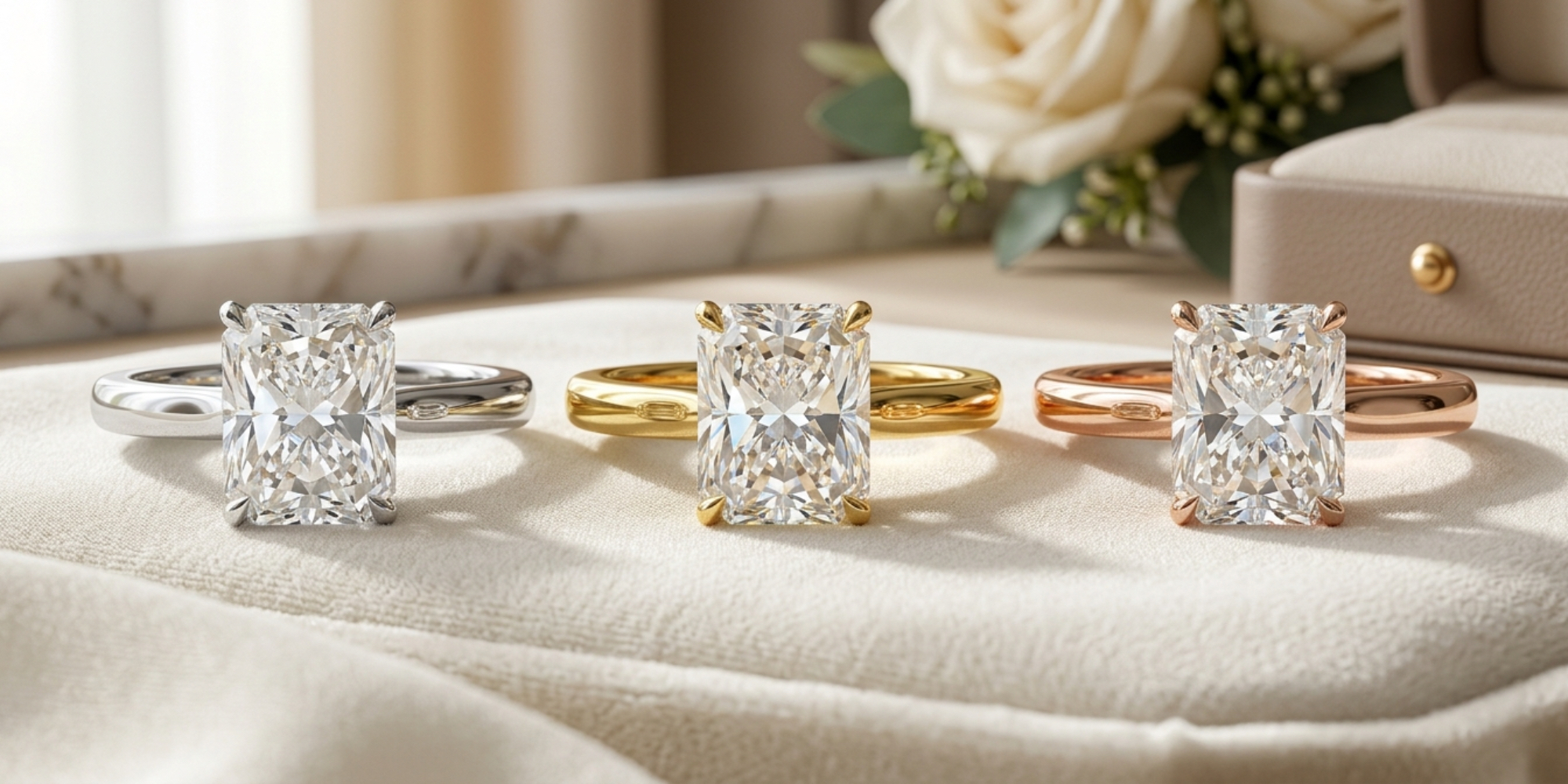
Choose White Gold If You Love:
✓ Bright, modern elegance
✓ Maximum diamond contrast
✓ Timeless bridal style
Choose Yellow Gold If You Love:
✓ Classic luxury
✓ Warm golden glow
✓ Vintage-inspired elegance
Choose Rose Gold If You Love:
✓ Romantic warmth
✓ Soft feminine character
✓ Contemporary yet timeless style
Explore how to choose the best gold color for diamond Ring.
Final Thoughts
The best diamond ring is never simply about choosing 14K or 18K.
It is about finding the balance between beauty, durability, lifestyle, and personal taste.
At Her Crown, we offer both 14K and 18K gold in white, yellow, and rose gold so every client can choose the metal that best reflects their story.
Because while diamonds capture the light, the right gold setting brings that light to life.
Explore the most loved Diamond rings in Her Crown online boutique.